

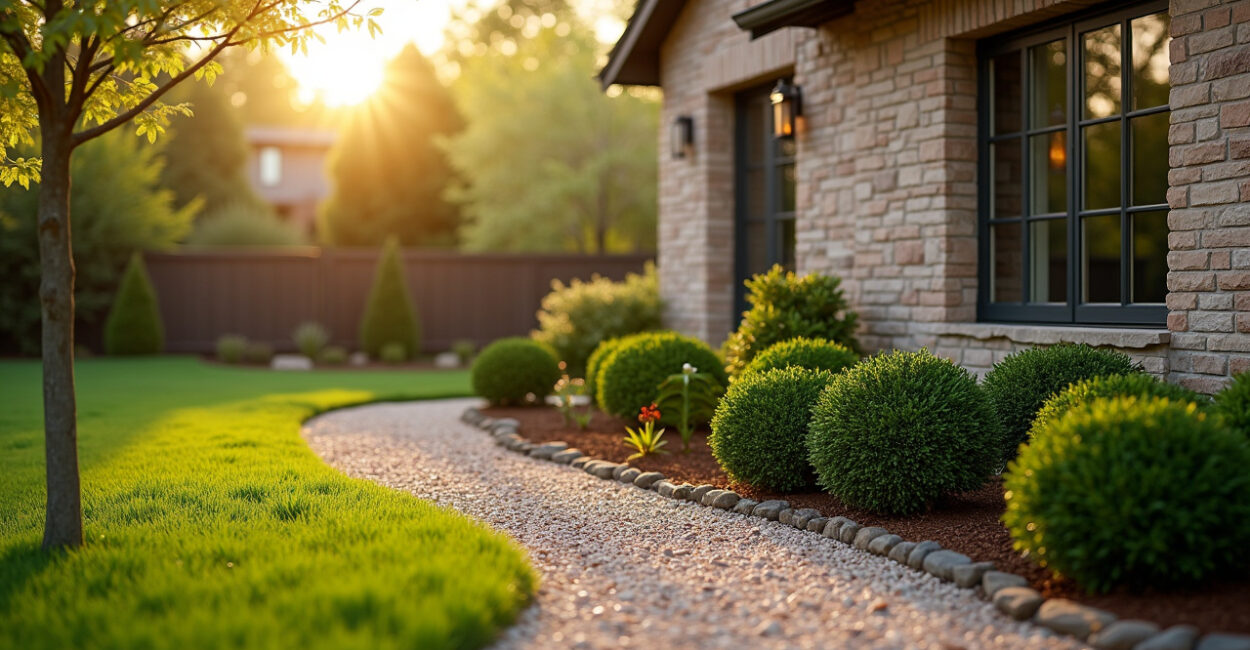
A front yard can look polished without becoming a second job. The right low-maintenance shrubs for curb appeal deliver shape, color, and structure through the seasons, even when the owner does not want to be pruning, feeding, and replacing plants every few weeks.
The trick is not “finding plants that never need care.” That does not exist. The real goal is choosing shrubs with predictable growth habits, strong disease resistance, and a tidy natural form, so the landscape looks intentional with only light seasonal attention. Below, I break down which shrubs earn their keep, where they work best, and what to avoid if you want a front yard that stays attractive without constant intervention.
What You Need to Know
- The best curb-appeal shrubs are compact, drought-tolerant, and naturally dense, because those traits reduce pruning and cleanup.
- Evergreen structure matters more than flowers alone; a shrub that looks good in January often does more for curb appeal than one that only shines for two weeks in spring.
- Placement is part of maintenance: a shrub that fits the site stays neat, while a mismatched shrub quickly becomes a clipping problem.
- Soil, sun exposure, and winter wind can matter more than plant “hardiness” on the tag, especially near foundations and walkways.
- The smartest front yard design mixes 2 to 3 shrub types, not 8, so the landscape feels cohesive instead of busy.
Low-Maintenance Shrubs for Curb Appeal: The Best Choices for a Front Yard That Stays Tidy
If your goal is a front yard that looks intentional with minimal work, start with shrubs that hold a clean outline on their own. The technical term is low-input ornamental shrub selection: plants chosen for slow-to-moderate growth, strong form, and low disease pressure, so they need fewer corrective cuts and fewer replacements over time.
In practical terms, that means you want shrubs that do not flop, split, or balloon out of proportion after one fast season. The best candidates are often evergreen, semi-evergreen, or naturally compact deciduous shrubs with good branch density. They create the visual “frame” that makes a house look cared for even before the flowers show up.
Why Natural Shape Beats Heavy Pruning
Heavy pruning is what turns a low-effort planting into a recurring chore. Shrubs with a strong natural form need only light touch-ups, which matters because repeated shearing can expose woody interiors and create bare stems. That is why plants such as boxwood, inkberry holly, and dwarf juniper are so useful: they hold their structure without looking forced.
For curb appeal, the best shrub is usually the one that keeps its own shape; a plant that needs constant rescue cuts is not low maintenance, just temporarily attractive.
Top Traits to Look for at the Nursery
- Compact mature size that fits the bed without crowding siding or windows
- Dense branching that masks gaps and keeps the plant full
- Resistance to common regional problems such as leaf spot, blight, or winter burn
- Tolerance for heat, drought, or partial shade depending on the site
- Slow-to-moderate growth, which reduces annual pruning cycles
For planting guidance that matches site conditions, the USDA and your local cooperative extension service are worth checking before you buy. Hardiness zones matter, but so does microclimate: a shrub that thrives in an open yard may struggle against reflected heat near a driveway.
Evergreen Shrubs That Keep Structure Through Every Season
Evergreens do most of the curb-appeal heavy lifting because they stay visible when flowers disappear. For front yards, that consistency matters. A well-placed evergreen anchors the design, gives the eye a resting point, and makes seasonal color changes feel deliberate rather than patchy.
Boxwood: Classic, but Only If Used Correctly
Boxwood remains popular because it responds well to light shaping and has a refined, formal look. The catch is that it works best when the site has drainage and airflow. In humid regions or heavily shaded beds, boxwood can invite trouble, so it is not the universal answer people want it to be.
Inkberry Holly: The Underrated Substitute
Inkberry holly is one of the better choices when you want a rounded evergreen form with less fuss than boxwood. It handles wet soil better than many shrubs and keeps a cleaner look through the year. The plant can look a little loose when young, so patience matters; after establishment, it tends to fill in nicely.
Dwarf Juniper: Strong in Dry, Sunny Sites
Dwarf junipers shine where other shrubs scorch or demand extra watering. They are especially useful for foundation beds and slopes because they resist drought and often need little beyond occasional cleanup. The mistake people make is placing them where they will be shadowed by taller plants, which defeats their compact, low-profile value.
| Shrub | Best Light | Maintenance Level | Common Use |
|---|---|---|---|
| Boxwood | Partial sun to partial shade | Low to moderate | Formal borders, foundation plantings |
| Inkberry holly | Sun to partial shade | Low | Evergreen massing, mixed beds |
| Dwarf juniper | Full sun | Low | Slopes, dry beds, foundation accents |
The University of Maryland Extension has practical, region-based plant guidance that helps separate good nursery plants from expensive mistakes: extension.umd.edu. That kind of local context matters because an evergreen that looks perfect in a catalog may perform badly in your actual weather, soil, or winter exposure.

Flowering Shrubs That Add Color Without Constant Work
Flowers can raise curb appeal fast, but only if the plant still looks decent when bloom season ends. The shrubs worth planting are the ones that offer either repeat bloom, attractive foliage, or a naturally neat silhouette after flowering. A few weeks of color is not a good trade if the plant turns leggy the rest of the year.
Hydrangea Paniculata for Easy Structure and Long Bloom
Panicle hydrangeas are among the safest bets for homeowners who want flowers without babying the plant. They tolerate more sun than many other hydrangeas, bloom on new wood, and usually recover well after a cold winter. Their only real downside is that some varieties can get too large if you do not choose the right cultivar.
Spirea for Bright Spring and Summer Texture
Spirea offers reliable bloom, fine-textured foliage, and a compact habit in many cultivars. It is one of those shrubs that looks good in mass plantings because the shape stays readable even from the street. Pruning after bloom can refresh it, but many newer varieties stay tidy enough that you can do very little.
Weigela for Color Near Entryways
Weigela gives you flowers and a softer, more informal look than boxwood or holly. It works well near porches and walkways where you want a slightly looser style. The main limitation is size control: choose a dwarf cultivar if you do not want it pressing into the path every season.
Flowering shrubs improve curb appeal fastest when the bloom is attached to a plant that still looks finished after the petals fall.
How to Match Shrubs to Sun, Soil, and House Style
Plant choice gets much easier when you stop treating every front yard like the same problem. A full-sun suburban lot, a shaded bungalow entrance, and a windy corner house all need different shrubs. This is where many curb-appeal plantings fail: the shrubs were attractive in the store, but they were wrong for the site.
Sun Exposure Changes Maintenance More Than People Expect
Full-sun shrubs often stay denser and flower better, but they can dry out faster. Shade-tolerant shrubs may survive under trees or beside porches, but they often grow slower and need less frequent pruning. The point is not to force a sun lover into shade or a shade plant into blazing afternoon heat.
Soil Drainage Decides Whether a Shrub Looks Good in Year Three
Many shrubs die slowly, not dramatically. They survive the first season, then thin out, yellow, or stop growing once the roots sit in poor drainage. If your soil stays wet after rain, lean toward plants that tolerate moisture, such as inkberry holly or certain viburnums; if it drains fast, drought-tolerant junipers and some spireas make more sense.
Style Should Match the House, Not Fight It
Formal homes usually look best with clipped or naturally compact evergreens. Cottage-style or older homes can handle looser flowering shrubs. Mixing styles is fine, but the bed should still feel controlled. A row of mismatched plant shapes is what makes a front yard look accidental.
For broader plant-performance data and public landscape research, the Arnold Arboretum at Harvard University is a strong reference point for woody plant selection and landscape use. Their research-backed approach is useful when you want more than nursery marketing language.

My Shortlist of Shrubs That Earn Their Spot
After enough seasons of seeing what stays presentable and what turns into a headache, my shortlist is pretty clear. I want shrubs that can handle a missed pruning window, recover from weather swings, and still make the front yard look finished. That is the real test.
- Inkberry holly — best all-around evergreen for a clean, natural look.
- Boxwood — best for formal curb appeal when the site has good airflow and drainage.
- Dwarf juniper — best for full sun, dry beds, and slopes.
- Hydrangea paniculata — best flowering shrub for reliable seasonal impact.
- Spirea — best for easy color, fine texture, and mass planting.
- Dwarf viburnum — best when you want a fuller shrub with decent seasonal interest.
Who works with this kind of planting knows that the prettiest shrub is not always the easiest one. I have seen homeowners buy a fast-growing beauty, then spend the next two years cutting it back to the size it should have been at planting. The better move is to buy for mature size first, then aesthetics second. That order saves time and money.
Common Mistakes That Make “Low Maintenance” Turn Into High Maintenance
Most shrub problems are self-inflicted. The plant was not doomed; the placement was. A shrub that grows into a walkway, blocks a window, or sits in the wrong moisture conditions will need more work no matter how “easy” the label looked at the garden center.
Planting Too Close to the House
People often ignore mature width because a small shrub looks harmless in the pot. Three years later, it is scraping siding or burying a window. Leaving enough room from the start reduces pruning and helps airflow, which also lowers disease pressure in many shrubs.
Choosing Fast Growth Instead of Stable Form
Fast growth sounds efficient, but it usually creates more trimming. A shrub that grows 18 inches a year can quickly outpace a foundation bed. Slower, denser shrubs are usually the better curb-appeal investment because they hold their outline without repeated correction.
Ignoring Regional Pest and Disease Pressure
Some shrubs are beautiful in one region and frustrating in another. Boxwood blight, leaf spot, deer browse, and winter burn can all change the maintenance equation. That is why a plant recommendation should always be local enough to respect climate and pressure from pests.
The cheapest front-yard upgrade is not the cheapest shrub; it is the shrub that fits the site and stays attractive without repeated correction.
How to Build a Front Bed That Stays Polished Year-Round
The most reliable front beds use repetition and restraint. Two or three shrub types repeated in groups usually look more expensive than a crowded mix of unrelated plants. That pattern also reduces maintenance because you learn the needs of a few plants instead of juggling a dozen different habits.
Use Layers, but Keep Them Simple
Start with one anchor evergreen near the corners or entry, then add a lower flowering shrub or two in front. If the bed is wide enough, one textural plant like dwarf juniper or a compact viburnum can bridge the gap. The goal is depth without clutter.
Leave Space for Maturity
One of the easiest ways to lower maintenance is to plant less densely than you think you should. Shrubs need room to develop a full shape. Overcrowding may look good for one season, then demand constant thinning and rescue pruning.
Plan for One Annual Cleanup, Not Weekly Intervention
A realistic maintenance rhythm is spring cleanup, occasional deadheading or light shaping, and seasonal mulch refresh. If a shrub needs weekly trimming to stay acceptable, it is not the right shrub for this kind of planting.
Practical Next Steps for Choosing the Right Shrubs
Start with your conditions, not with a favorite plant photo. Check sun, drainage, winter exposure, and the width of the bed before you buy anything. Then choose shrubs that stay attractive with a single annual shaping pass rather than repeated rescue work. That is how curb appeal gets cheaper over time instead of more expensive.
If you are narrowing options now, use your local extension office, compare plant tags for mature size, and reject anything that looks good only because it is being overmanicured in the nursery. The best front yard shrubs are the ones that keep their form after the sales table is gone.
Frequently Asked Questions
What is the Easiest Shrub to Keep Looking Neat in the Front Yard?
Inkberry holly is one of the easiest shrubs to keep tidy because it has a naturally rounded habit and tolerates light pruning well. Boxwood is also a strong option if the site has decent drainage and airflow. The real advantage comes from choosing a shrub whose mature shape already matches the space, so you only make small corrections instead of repeated hard cuts. That difference saves time and keeps the bed looking intentional.
Are Flowering Shrubs Harder to Maintain Than Evergreens?
Not always. Many flowering shrubs, such as hydrangea paniculata and spirea, are low maintenance because they bloom on new wood or keep a compact form. The maintenance problem starts when a flowering shrub grows too large for the bed or needs frequent shaping to stay in bounds. If you choose the right cultivar and place it well, flowering shrubs can be just as manageable as evergreens.
How Many Shrub Types Should I Use for Curb Appeal?
For most front yards, two to three shrub types are enough. That gives you contrast in texture and seasonal interest without making the design feel busy. Repetition is part of the polished look: the same shrub used in groups often reads as more elegant than a one-of-everything collection. Too many varieties usually create more maintenance, because every plant has a different pruning cycle and growth rate.
Do Low-maintenance Shrubs Still Need Pruning?
Yes, but usually less often and less aggressively. Most low-maintenance shrubs need only light shaping, deadwood removal, or occasional size control once a year. The goal is not zero care; it is predictable care. If you skip pruning entirely on a shrub that naturally grows wider or taller than the bed allows, the plant will eventually stop looking tidy and may start crowding nearby features.
What is the Biggest Mistake People Make When Picking Shrubs for Curb Appeal?
The biggest mistake is buying for the first year instead of the fifth. A shrub can look perfect when it is small, then become too broad, too leggy, or too thirsty once it settles in. Mature size, site fit, and regional climate matter more than a pretty nursery display. If you get those three right, curb appeal becomes much easier to maintain.