
Small Backyard Patio Ideas on a Budget That Look Expensive
How to design a small backyard patio on a budget: choosing layouts, surfaces, and finishes that define space, reduce clutter, and make the area feel larger a…
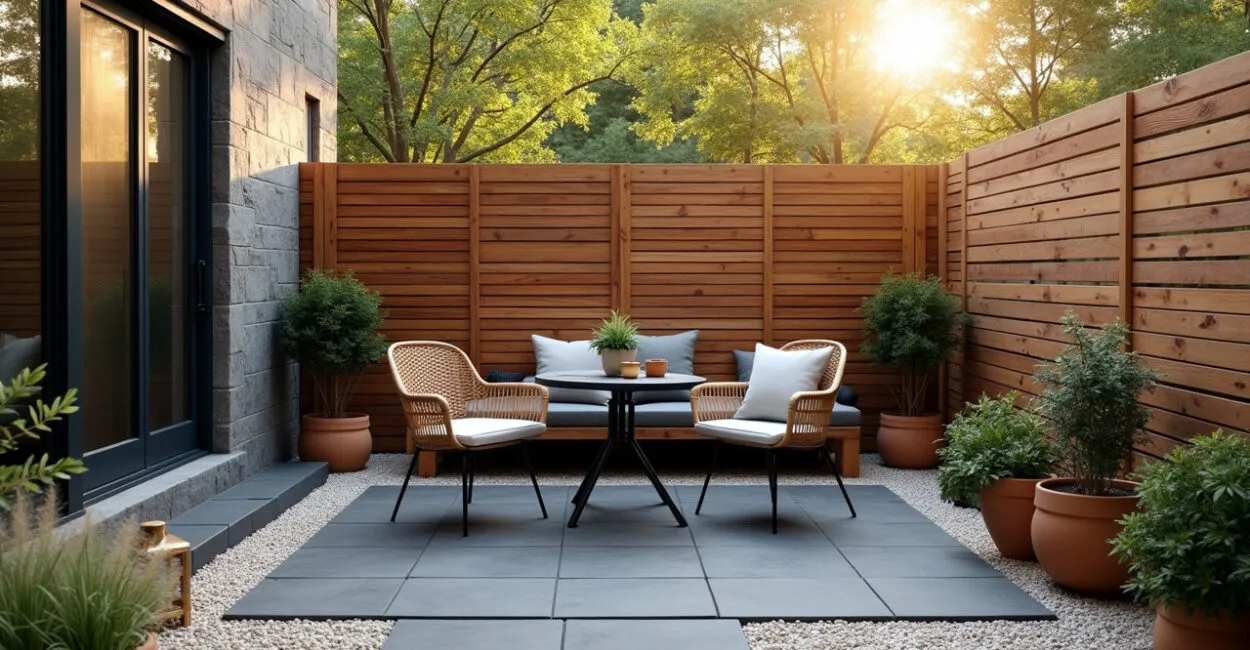 Compact patio with pavers, gravel, and cozy seating
Small outdoor spaces can look expensive faster than large ones because every square foot has to work harder. That is why small backyard patio ideas on a budget are less about buying more and more about choosing the right layout, surface, and finishes so the space feels intentional instead of cramped.
The technical version is simple: a patio is a hardscaped outdoor surface designed for use, traffic, and furniture placement. In plain English, it is the part of the yard that should feel stable underfoot, easy to clean, and comfortable enough to use often. The smartest low-cost patios do three things well: they define a zone, reduce visual clutter, and spend money where people actually notice it.
O Que Você Precisa Saber
- A budget patio looks high-end when the layout is clean, not when every item is expensive.
- Gravel, pavers, and concrete pads often cost less than full stone installations while still creating a finished outdoor room.
- Scale matters more in small yards; oversized furniture and too many decor pieces make the space feel smaller.
- Layered lighting and one strong focal point usually do more for the atmosphere than a long list of accessories.
- Cheap materials can work well, but drainage, leveling, and edge restraint decide whether the patio lasts.
Small Backyard Patio Ideas on a Budget That Make the Space Feel Bigger
The first design decision is not material. It is layout. In a tiny backyard, the eye reads edges, pathways, and furniture spacing before it reads color or decor. If the patio footprint is too busy, the yard feels chopped up. If the footprint is clean and rectangular, the space reads as larger and calmer.
Start with a Simple Zone
Pick one primary function: dining, lounging, or a fire feature. Mixing all three in a very small yard usually creates congestion. I have seen plenty of patios improve overnight just by removing one extra chair, one side table, and one decorative object that had no job.
Use Straight Lines When Possible
Straight edges make installation easier and keep material waste lower. A square or rectangular patio is usually cheaper than a curved one because cutting pavers and borders takes time and raises labor cost. If your yard is awkwardly shaped, keep the patio itself simple and let planting beds absorb the irregular edges.
In a small backyard, the patio does not feel larger because it is bigger; it feels larger because the boundaries are cleaner and the furniture respects the boundary.
That is why compact outdoor rooms often look more polished than bigger yards with random placement. A clear edge, even a cheap one, creates discipline.
Low-Cost Surface Options That Still Look Finished
Surface material drives both budget and maintenance. If the goal is a patio that feels built-in without the cost of natural stone, you have several practical options. The best choice depends on soil movement, water runoff, and how permanent you want the space to be.
Material
Budget Level
Best For
Main Tradeoff
Gravel
Lowest
Fast installs, casual seating
Needs edging and periodic raking
Concrete pavers
Moderate
Clean look, flexible layouts
Labor can add up if the base is not simple
Concrete slab
Moderate to higher
Long-term durability
Less forgiving if drainage is poor
Deck tiles
Moderate
Rental-friendly updates
Best on level, stable surfaces
Gravel Works Better Than People Expect
Decomposed granite, pea gravel, and compacted gravel can look refined when they are framed with steel, stone, or treated wood edging. The trick is preparation. Without a weed barrier, compacted base, and border restraint, gravel migrates and becomes messy fast. With those pieces in place, it becomes one of the cheapest ways to define a patio.
For drainage guidance, local extension services are more useful than generic decor blogs. The Utah State University Extension and similar university programs explain why slope and drainage matter before any surface goes down.
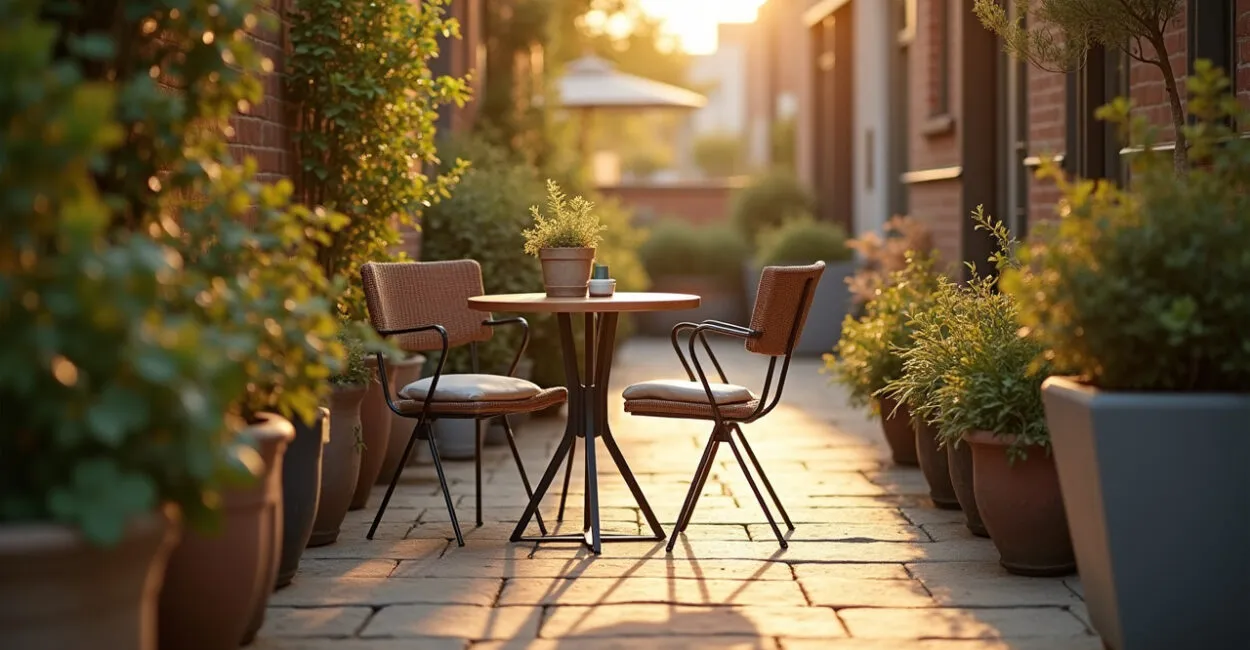
Furniture Choices That Keep the Budget Under Control
Furniture is where many small patios blow the budget without improving comfort. A compact bistro set or a slim outdoor loveseat usually does more for the space than a bulky sectional. In a tight footprint, visual weight matters as much as physical size.
Buy Fewer Pieces, Not Cheaper Pieces
A useful rule is to choose one anchor item and build around it. For example, a small table plus two chairs can feel more usable than a low-quality four-piece set that crowds the walkway. If you shop secondhand, look for weather-resistant frames and replace only the cushions. That approach often saves more than waiting for a deep sale on new furniture.
Choose Materials That Age Well
Powder-coated metal, teak, resin wicker, and treated wood each have different maintenance needs. The budget mistake is buying the cheapest frame and then replacing it after one wet season. If the patio is uncovered, durability matters more than a trendy finish.
The cheapest outdoor furniture is expensive if it fails after one season; the better deal is the piece that survives weather, storage, and daily use.
For broader outdoor material durability standards, the National Fire Protection Association also has practical guidance when fire pits, grills, or heat sources are part of the patio plan.
Lighting, Shade, and Privacy on a Small Budget
Atmosphere is what makes a tiny patio feel finished. Lighting, shade, and privacy do not need to be costly, but they do need to be deliberate. The fastest way to make a space feel cheap is to leave all three unresolved.
Read also: Best Pots for Small Patios: Materials, Sizes, and Style
Layer Light Instead of Buying One Big Fixture
String lights create a soft overhead glow, solar path lights mark edges, and a small lantern or sconce can highlight the seating area. In practice, the space feels richer when the light has layers. One bright bulb in the center usually flattens everything.
Use Shade as a Design Element
A market umbrella, a simple sail shade, or even a well-placed trellis can solve comfort and make the patio look intentional. Shade also protects furniture and cushions, which helps the budget over time. If your patio gets intense afternoon sun, shade is not optional.
Read also: How to Choose Solar Backyard Lights That Last All Night
For sun and heat exposure planning, local climate data from the National Weather Service can help you understand when your patio will actually be usable.
Plants and Decor That Add Style Without Clutter
Plants are one of the cheapest ways to soften hardscape, but they work best when edited. Too many pots turn a patio into storage. A small backyard usually needs three plant layers at most: a tall anchor, a mid-height filler, and a low border or trailing plant.
Use Containers Strategically
Large planters are expensive, so pair one statement container with several smaller, repeated pots. Repetition is what makes the arrangement look designed. If every pot is a different color and shape, the space reads as improvised.
Choose Plants That Earn Their Place
Herbs, dwarf grasses, compact hydrangeas, rosemary, and trailing vines can pull double duty by adding texture and scent. Native plants are often the best budget choice because they tend to need less water and less replacement over time. The USDA offers plant and gardening resources that help narrow choices by region.
Mini-story: a client-style backyard I saw recently had about 90 square feet of usable patio space. The owner wanted a full makeover but could not justify a major build. We kept the existing slab, added gravel around the edges, swapped in one slim café set, and used two large planters with repeating greenery. The total effect looked custom because the clutter disappeared first.
DIY Upgrades That Save Money Without Looking Cheap
Do-it-yourself work is where a modest budget can stretch, but only if the jobs are realistic. Simple prep, edging, stain refreshes, and basic assembly are smart DIY tasks. Structural work, drainage correction, and major grading are not good places to improvise.
Spend Sweat Equity Where It Shows
Painting an old fence, staining a concrete slab, or building a basic wood border can transform the patio at low cost. Even cleaning existing surfaces thoroughly can change the final result more than another decor purchase. The best DIY upgrades are the ones that increase perceived quality, not just the number of items in the yard.
Know Where Budget DIY Fails
This is the part people skip. A surface that sits level today can shift later if the base is weak. Poor drainage can ruin pavers, rot wood edging, and leave gravel soggy. If the patio needs grading or drainage correction, that is the moment to slow down and plan properly.
Budget patios last when the hidden work is done right; surface beauty cannot compensate for a bad base or bad drainage.
That warning is not theoretical. It is what separates a patio that still looks good after two seasons from one that needs rework after the first hard rain.
How to Prioritize Spending So the Patio Still Looks Expensive
If the budget is tight, the order of spending matters more than the total amount. Put money into the pieces that define the space first: the surface, the edges, the seating, and the light. Decor comes after the structure. When the foundation is weak, even stylish accessories look temporary.
Use This Spending Order
- Prepare the base and drainage.
- Install the patio surface or define the patio zone.
- Choose one durable furniture set.
- Add lighting and one privacy element.
- Finish with plants and a few repeat accents.
That sequence works because it matches how people experience the patio in real life. They notice whether the surface feels stable, whether they can sit comfortably, and whether the space feels calm. They do not notice five extra decor objects if the chair is wobbling or the gravel shifts underfoot.
Practical Next Steps for a Small Backyard Patio
The most effective budget patios are built with restraint. Pick one surface, one seating plan, one lighting strategy, and one plant palette. Then stop. The temptation to add more usually comes from uncertainty, not from design need.
Before buying anything, measure the area, sketch the footprint, and decide where people will walk, sit, and store items. Then price the project in layers so you can see whether the budget survives the base work. If the numbers get tight, reduce decorative spending before reducing structure. That is the safest way to make a small patio look intentional instead of underfunded.
📱 See this content as a Web Story
Frequently Asked Questions
What is the Cheapest Way to Build a Small Backyard Patio?
Compacted gravel with solid edging is usually the lowest-cost option, especially for a simple rectangular footprint. It avoids the labor and material cost of a full concrete or stone installation. The catch is that it must be built with a stable base and border restraint, or it will spread and look unfinished quickly.
What Patio Material Looks Best on a Budget?
Concrete pavers tend to give the best balance of cost and appearance for many homeowners. They look more finished than loose gravel and are easier to repair than a poured slab. If the yard is very small, the clean lines of pavers can make the space feel more custom than the material cost suggests.
How Do I Make a Tiny Patio Look Bigger?
Use fewer large pieces instead of many small ones, and keep the layout rectangular when possible. Stick to a limited color palette and leave clear walking space around furniture. Clean boundaries, repeated planter shapes, and layered lighting all help the eye read the area as larger and calmer.
Are DIY Patios Worth It on a Budget?
Yes, if the work stays within your skill level and the site is fairly level. DIY is a strong choice for edging, simple paver layouts, gravel patios, and cosmetic updates. It is not the best choice when the yard has major drainage problems, because fixing those mistakes later costs more than doing them correctly once.
What Should I Spend Money on First?
Spend first on the base, drainage, and surface definition, because those are the parts that determine whether the patio works day after day. After that, buy durable seating and basic lighting. Plants and decor should come last, since they improve the look but do not solve structural problems.