
Natural Ways to Get Rid of Aphids in the Garden, Quickly and Safely
How to control aphids naturally by starting with a strong water spray to dislodge them, pruning affected growth, and applying mild soap sprays for effective …
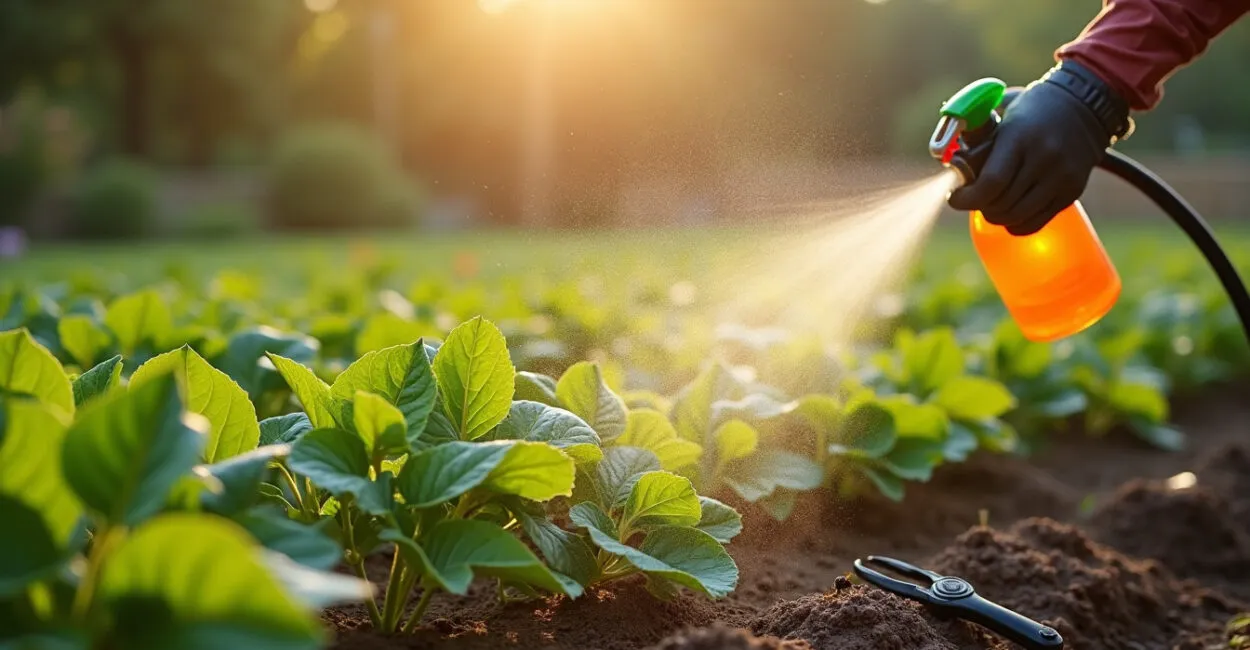 Gardener rinses aphids from recovering plants
Soap sprays, pruning, and a hose blast can beat aphids fast — but the wrong fix can also damage the plant you’re trying to save.
If you’re looking for natural ways to get rid of aphids in garden beds, the fastest wins are usually the simplest: knock them off, cut off the worst growth, and only then spray. Aphids are soft-bodied sap suckers, so they’re vulnerable — but they also come back if you treat the symptom and ignore the crowding, tender new growth, or ant traffic that protects them.
The good news: you do not need harsh chemicals for most infestations. The trick is matching the method to the plant, the weather, and how far the aphids have spread.
Read also: Beneficial Insects That Eat Aphids: Which Ones Appear First
The Fastest Natural Fix: Water, Then Soap
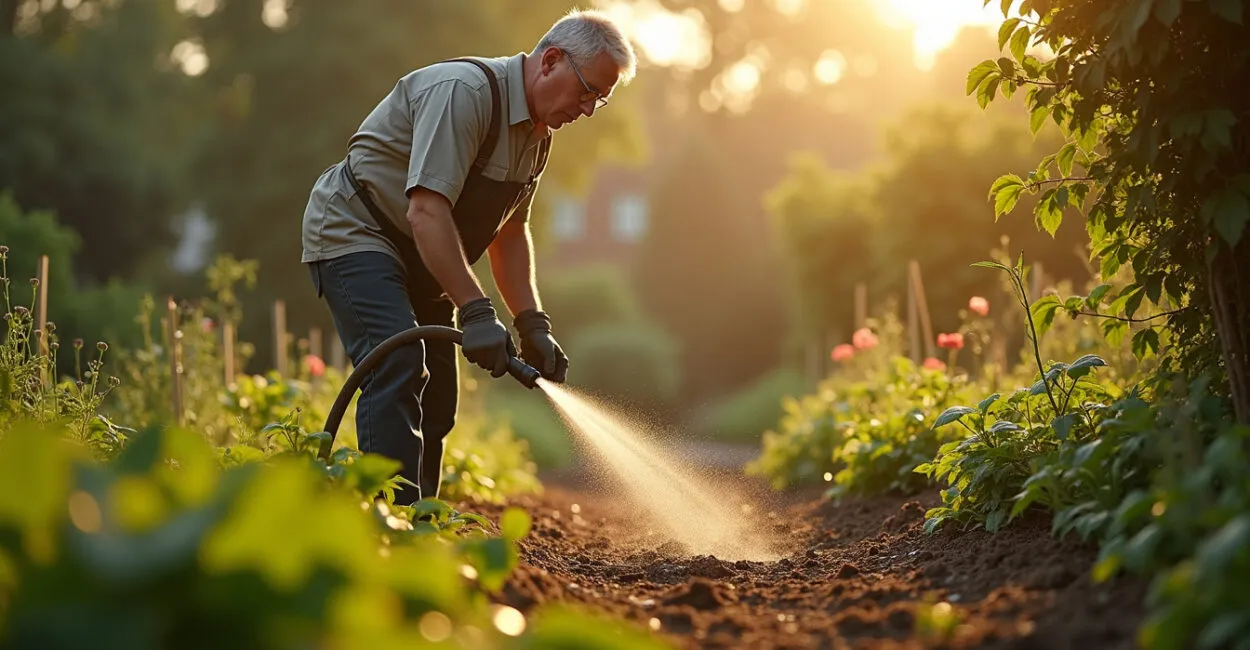
For a fresh aphid outbreak, the quickest natural ways to get rid of aphids in garden plants start with a strong jet of water. Aphids are tiny, weak climbers; if you physically dislodge them, many never make it back. Use the hose on the undersides of leaves, not just the top.
After that, insecticidal soap or a mild soap spray is usually the best next step. It works by breaking down the insect’s outer coating on contact. That means it helps most when you hit the aphids directly — it is not a long-lasting shield. In practice, the method shines on roses, peppers, herbs, and ornamentals with soft new growth.
Read also: Neem Oil for Aphids Vs. Soap Spray: Which One Fits Your Garden?
What fails? Spraying once and walking away. You usually need repeat applications every few days until the pressure drops. And if the plant is heat-stressed or sun-baked, soap can scorch leaves. Test a small area first.
What Actually Works Long Term: Pruning, Predators, and Timing
Soap fixes the crowd you can see. Pruning removes the part of the plant that keeps feeding the problem. If one stem is curled, sticky, and packed with aphids, cut it out. That one move often beats three rounds of spraying. It also helps with natural ways to get rid of aphids in garden shrubs and fruiting plants, where hidden clusters spread fast.
There’s a pattern gardeners miss: aphids love tender, nitrogen-heavy growth. If you overfertilize, you may be feeding the pests more than the plant. Back off the fertilizer, keep new growth steady, and make room for predators like lady beetles, lacewings, and parasitic wasps. The USDA’s plant health resources and many university extensions note that biological control works best when you stop disrupting the garden with broad sprays.
Best aphid control is rarely one product. It is pressure, pruning, and patience used in the right order.
Which Method Fits Which Plant
Not every plant should be treated the same way. Tender greens and herbs usually tolerate a water spray and diluted soap well. Roses and ornamentals often respond best to pruning plus repeat soap treatment. Fruit trees and tall shrubs are different: if the infestation is high and hard to reach, natural ways to get rid of aphids in garden settings work best when you combine hose, targeted pruning, and pest-eating insects.
Method
Best for
Speed
Water blast
Light infestations, soft growth
Fast
Soap spray
Visible clusters on leaves and stems
Fast, if sprayed directly
Pruning
Localized damage, crowded shoots
Immediate
For plant-specific guidance, your local extension office is worth reading before you spray anything strong. The University of Minnesota Extension has a clear breakdown of aphid behavior and control options that matches what gardeners see in real beds.
Don’t chase aphids with one miracle trick. The garden usually rewards the grower who removes, rinses, and repeats — not the one who hopes the first spray was enough.
The moment you start treating aphids like a plant-health signal instead of just a pest, the whole problem gets easier to control. That is the real shift.
Can I Use Dish Soap Instead of Insecticidal Soap?
Sometimes, yes — but carefully. A very diluted solution can work on aphids, yet some dish soaps contain additives that burn leaves. In general, insecticidal soap is safer and more predictable for natural ways to get rid of aphids in garden plants. If you try dish soap, test one leaf first and wait a day. If it spots or curls, stop. Soft herbs and young seedlings are the most likely to react badly.
How Fast Does a Soap Spray Work?
Usually within minutes on contact. You may see aphids collapse or drop off after spraying, but that does not mean the problem is gone. Eggs, hidden clusters, and new arrivals can show up again, so repeat treatments matter. For the best result, spray in the early morning or evening and cover the undersides of leaves. That timing reduces leaf burn and gives you better contact where aphids hide.
Does Pruning Really Help More Than Spraying?
When aphids are concentrated on a few stems, pruning often helps more than spraying because it removes the infestation source. It also improves airflow and makes the plant less attractive to pests. That said, pruning is not the answer for a tree or shrub that is heavily infested across many branches. In those cases, pruning works best as part of a broader plan that includes water, soap, and beneficial insects.
Why Do Aphids Keep Coming Back?
Because the conditions that attract them are still there. Tender new growth, too much nitrogen, nearby weeds, and ants can all keep the cycle going. Ants farm aphids for the sticky honeydew they produce, so if ants are active, aphids often are too. The fix is to treat the leaves and also change the environment. That is why natural ways to get rid of aphids in garden spaces work best as a system, not a one-time spray.
What Should I Avoid If My Plant is Already Stressed?
Avoid harsh spraying in hot sun, heavy fertilizing, and repeated strong soap applications without checking the leaves. A stressed plant can be more damaged by the cure than by the aphids. If the plant is wilted, recently transplanted, or drought-stressed, start with water and pruning first. Then wait a day before using soap. The safest approach is slow and targeted, not aggressive. Aphids hate consistency more than force.
📱 See this content as a Web Story