
Dish Soap Spray for Aphids: The Safe Ratio Gardeners Trust
How to mix a mild dish soap spray for aphids on roses: the precise ratio to coat pests effectively without harming leaves, plus timing and application tips.
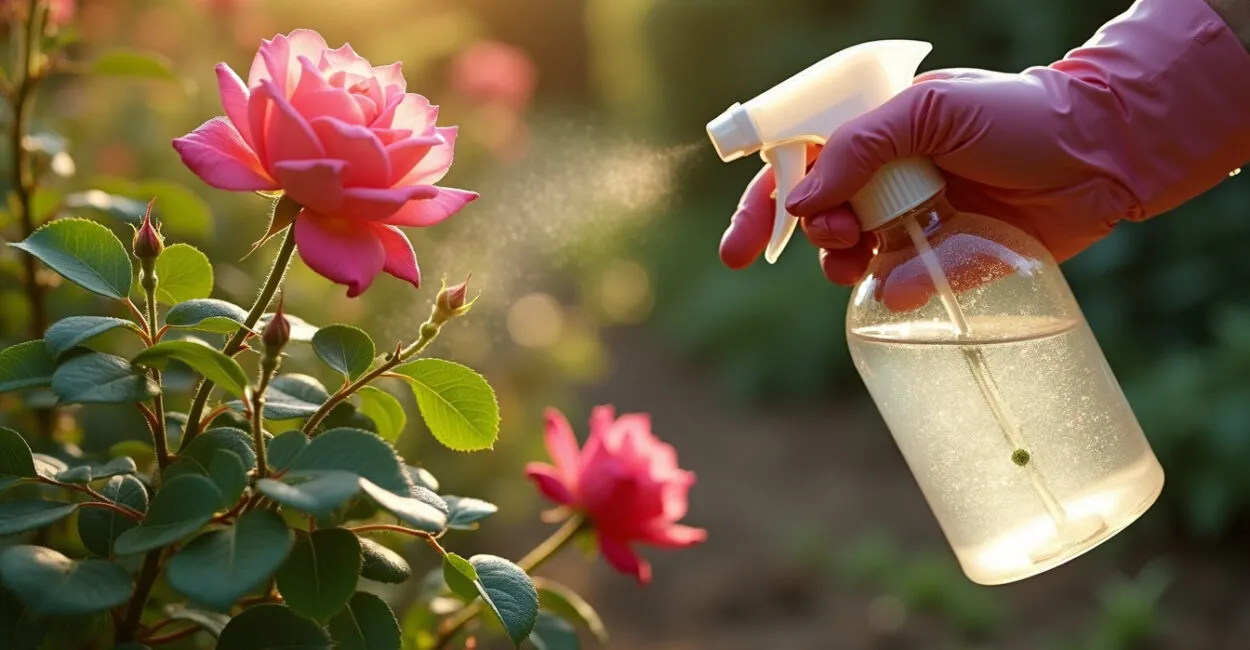 Gardener sprays soapy water on aphid-covered rose leaves
The wrong dish soap spray for aphids on roses can leave you with clean-looking leaves and unchanged aphids.
That’s the trap: too little soap slides off the pests, while too much can burn tender foliage. The safe ratio gardeners trust is the one that coats aphids without stripping the rose’s skin.
The Ratio That Actually Works
Use about 1 teaspoon of mild liquid dish soap per quart of water. That’s the common starting point for a light insecticidal soap spray, and it’s strong enough to wet aphids without turning the mix into a leaf stress test. In practice, the goal is coverage, not foam.
For dish soap spray for aphids on roses, spray early in the morning or in the evening, and coat the undersides of leaves where aphids cluster. If the spray beads up and runs off, it isn’t doing its job. If the leaves look dull or tacky afterward, you used too much.
Why “more Soap” is the Fastest Way to Lose the Rose
Aphids die when the spray breaks down their outer coating and blocks their breathing openings. That’s the technical version. The simple version: the mix has to sit on the insect long enough to matter.
Too weak, and the aphids shrug it off. Too strong, and the rose pays the price. I’ve seen gardeners chase a bad infestation with a heavy mix, then wonder why new leaves curled. The fix was not more spray. It was a lighter mix, better coverage, and repeat applications every few days.
For a grounded reference on safe home pest control, see University of California IPM and the EPA’s safer choice guidance.
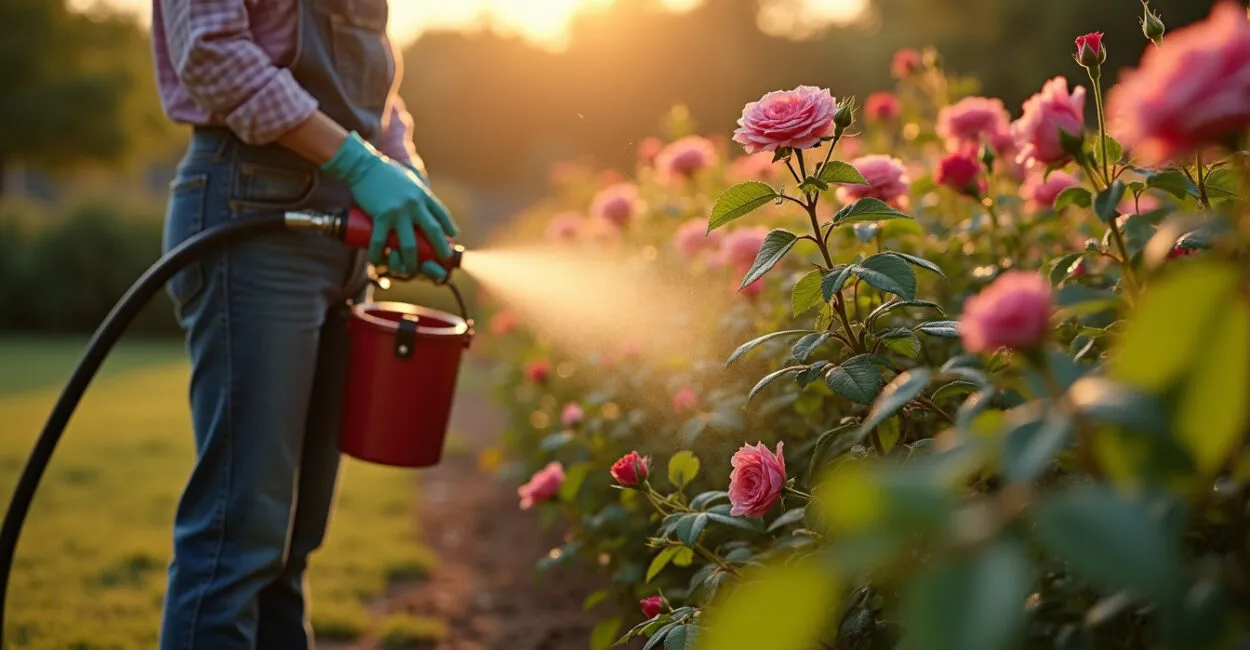
How to Spray Roses Without Stressing Them
Mix fresh, test one leaf first, and wait 24 hours. Roses vary. Hot weather, drought-stressed plants, and soft new growth all make leaves more sensitive, so timing matters as much as the recipe.
Here’s the short version of what to avoid:
- Using concentrated soap or “extra strength” formulas
- Spraying in direct sun
- Skipping the undersides of leaves
- Assuming one treatment is enough
The real win is gentle repetition. Aphids multiply fast, so the best dish soap spray for aphids on roses is the one you can use safely more than once.
One more thing: not every rose reacts the same. Some tolerate the spray well; others show leaf spotting if they’re already under stress. That’s why a quick test patch beats bravado every time.
📱 See this content as a Web Story
FAQ
Can I Use Any Dish Soap for Aphids?
No. Choose a mild liquid dish soap without bleach, degreasers, or heavy fragrances. Harsh formulas are more likely to damage rose leaves. If the label is vague or the product is built for cutting grease, it’s not the best choice for plants.
How Often Should I Reapply It?
Usually every 3 to 5 days until the aphids are under control, especially after rain. Aphid eggs and survivors can rebound fast, so one spray rarely ends the problem. Recheck the plant before spraying again.
Will This Kill Beneficial Insects Too?
It can if you spray them directly. That’s why targeted application matters. Spray only the affected parts of the rose, and avoid open blooms when possible. Beneficial insects help long-term, so protect them whenever you can.
Is Dish Soap Spray Safe for All Roses?
No method is universal. New growth, heat-stressed plants, and some cultivars are more sensitive than others. Test a small section first. If the leaf edges darken or curl within a day, stop and dilute more next time.
What If the Aphids Keep Coming Back?
Then the spray is only part of the fix. Ants, nearby host plants, and soft new growth can keep the cycle going. Check for ants, prune heavily infested tips, and keep monitoring the plant instead of relying on one quick treatment.