
Simple Ways to Cut Your Carbon Footprint Fast at Home
Práticas simples para reduzir seu impacto climático em casa: evitar desperdícios, melhorar eficiência energética e escolher produtos duráveis sem alterar sua…
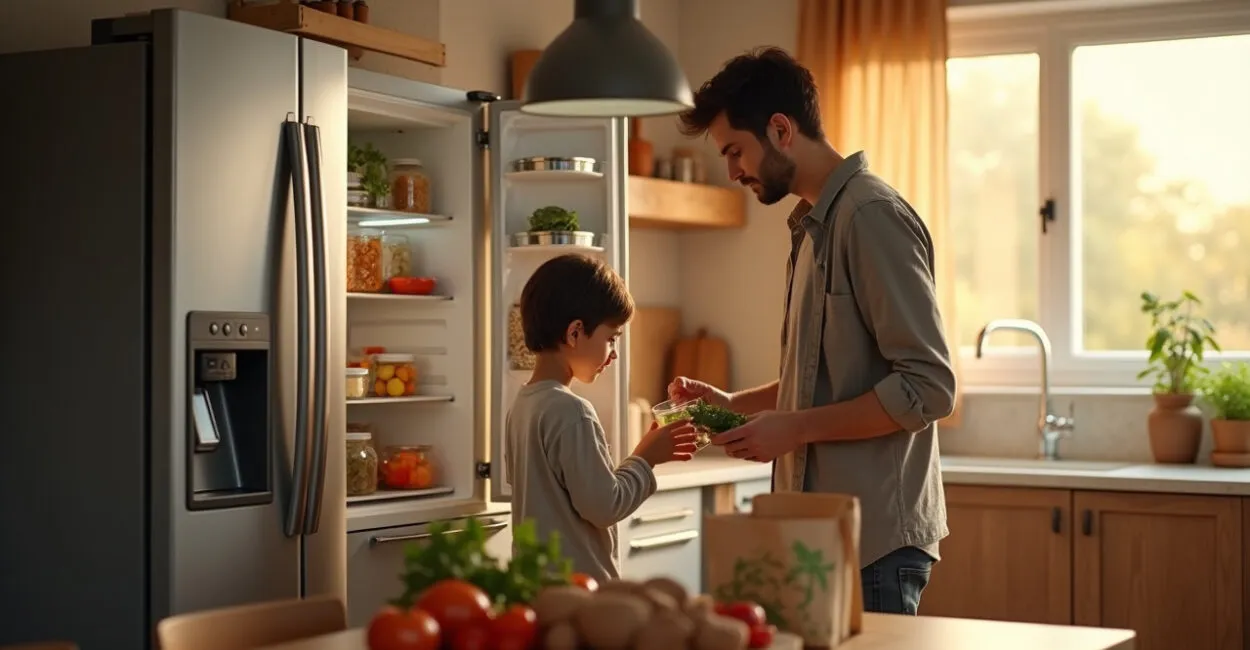 Family takes practical steps to reduce household waste
A small change at home can shave a surprising amount of emissions off your daily routine. If you are looking for simple ways to cut your carbon footprint, the good news is that the biggest wins usually come from fewer energy leaks, less wasted food, smarter driving, and buying less often—not from turning your life upside down.
Technically, a carbon footprint is the total greenhouse gas emissions tied to a person’s activities, usually measured in carbon dioxide equivalent, or CO2e. In plain English, it is the climate cost of how you heat, move, shop, eat, and power your life. This guide focuses on low-effort changes that fit real schedules, with the highest-impact habits first and the trade-offs called out where they matter.
O Que Você Precisa Saber
- Cutting emissions is usually easiest when you target the “invisible waste” in your routine: standby electricity, overbuying, half-used food, and short car trips.
- Household energy efficiency tends to beat dramatic lifestyle changes, because insulation, thermostat settings, and appliance habits affect emissions every day.
- The cleanest purchase is the one you do not make, and the second-best option is a durable product that lasts longer and is repaired instead of replaced.
- Travel choices matter most when they replace frequent solo driving or short flights, which are emission-heavy for the distance covered.
- There is no universal fix: a strategy that works in a dense city may fail in a rural area where transit is limited.
Simple Ways to Cut Carbon Footprint at Home Without Disrupting Your Routine
Home is where the easiest emission cuts usually happen, because you control the thermostat, lighting, appliances, and hot water. The key is to attack high-frequency habits first. A 1-degree adjustment on heating and cooling, for example, can matter more over a year than one perfect eco-friendly purchase you barely use.
Start with the Biggest Energy Drains
Space heating, air conditioning, and water heating dominate household energy use in many homes. That is why a programmable thermostat, tighter temperature settings, and shorter showers often deliver more carbon savings than replacing every bulb at once. If your home leaks air around windows and doors, weatherstripping and caulk can produce outsized gains for very little money.
Who works on home efficiency knows this pattern well: the “boring” fixes usually win. A drafty room feels minor in the moment, but over months it forces the furnace or HVAC system to work harder than it should. That wasted run time becomes real emissions.
Energy efficiency is not glamorous, but it is one of the most reliable ways to cut emissions because it lowers demand before you even think about where the electricity comes from.
Use Appliances Like an Efficiency Nerd
Full loads in the washer and dishwasher, air-drying when practical, and washing clothes in cold water all reduce electricity and water heating demand. For dryers, clean the lint filter every cycle; a clogged filter makes the machine work longer, which is pure waste. LED bulbs help too, but they are only one piece of the picture, not the whole strategy.
For a broader evidence base, the ENERGY STAR program has long tracked how efficient appliances and better home equipment reduce energy use. The useful part is not the label itself; it is the pattern behind it. Efficient equipment pays off most when you use it often.
One Habit Change That Actually Sticks
Replace “always on” behavior with timed or conditional use. Lights off when you leave a room. Fans only when people are there. The thermostat adjusted when nobody is home. Those are tiny decisions, but they accumulate faster than one-off green gestures because they repeat every day.
Travel Choices That Cut Emissions Fast
Transport is where many people can make one or two changes that matter a lot. A short solo car trip is often more carbon-intensive than people assume, especially when the engine is cold and the trip is only a few miles. If you can combine errands, switch to transit, or bike for local trips, you are cutting emissions without changing the structure of your week.
Drive Less, but Drive Smarter When You Must
Combining errands into one route reduces miles driven and avoids repeated cold starts. Keeping tire pressure at the recommended level, removing roof racks when not in use, and avoiding aggressive acceleration all improve efficiency. Those fixes do not sound dramatic because they are not dramatic; they are practical.
The U.S. Environmental Protection Agency’s green vehicle guidance is useful because it separates hype from measurable efficiency. The largest savings come from reducing miles, not from obsessing over small driving tricks while keeping the same commute pattern.
Know When Flights Are the Wrong Trade-Off
Short flights are often disproportionately carbon-heavy once you count takeoff, landing, and airport logistics. If a train, bus, or carpool can replace a short-haul flight, the emissions difference can be substantial. The trade-off is less convenient in some regions, and that is the honest limitation: not every route has a low-carbon substitute.
For travel emissions context, the Our World in Data travel carbon footprint analysis is a strong reference because it compares modes rather than treating all travel as equal. That comparison matters. A quick ride across town and a one-hour flight are not remotely the same from a climate standpoint.
The biggest travel savings come from changing distance, not from polishing efficiency at the margin.

Shopping Habits That Quietly Shrink Your Carbon Footprint
Shopping is where many people leak emissions without realizing it. Every new item has a footprint from materials, manufacturing, shipping, and packaging. The most effective habit is to buy fewer things, then choose sturdier versions when you do buy. That sounds simple because it is.
Buy for Longevity, Not for the Cart
Fast-fashion clothes, flimsy kitchen tools, and disposable gadgets are carbon-heavy because they fail early and get replaced early. A durable jacket or a repairable appliance can look more expensive at checkout and still win over time. The relevant question is not “Is it cheap?” but “How long will I use it before replacing it?”
Read also: Low-Carbon Commuting Options for Everyday Travel
Vi cases in which a mid-priced product lasted three times longer than the bargain option, and the total emissions picture followed the same logic. Fewer replacements mean fewer manufacturing cycles, fewer deliveries, and less waste. That is the carbon logic behind durability.
Secondhand Beats New More Often Than People Think
Used furniture, books, tools, and many household goods are easy wins because they avoid a new production cycle altogether. In some categories, resale platforms and local thrift stores can cut the footprint of a purchase sharply. This approach works especially well for items that do not degrade quickly with age.
Read also: Energy-Saving Home Habits That Reduce Emissions Quickly
There is one caveat: secondhand is not always better if you spend extra fuel or shipping to get it. The carbon advantage shrinks when transportation becomes the main event. Local pickup usually keeps the math favorable.
Reduce Packaging and Delivery Waste
Bulk purchases, consolidated orders, and reusable containers cut waste in ways people often overlook. Same-day delivery feels convenient, but it can increase emissions by creating more fragmented trips. If you already order online, grouping purchases into fewer shipments is an easy adjustment.
Shopping Choice
Carbon Effect
When It Works Best
Buy less often
High reduction
For clothing, decor, gadgets, and impulse purchases
Choose durable products
High reduction over time
For tools, appliances, shoes, and outerwear
Buy secondhand
Moderate to high reduction
For nonperishable items with long usable life
Consolidate deliveries
Moderate reduction
For frequent online shoppers
Food Changes That Lower Emissions Without Turning Dinner Into a Project
Food is one of the easiest places to make progress because a few repeat choices matter more than perfection. Beef and lamb generally carry much higher emissions than beans, lentils, poultry, eggs, or most plant-based meals. That does not mean everyone has to go vegetarian. It means small substitutions can move the needle.
Shift the Plate, Not Your Identity
A meatless meal once or twice a week reduces the footprint of your diet without requiring a full reset. Swapping one beef dinner for beans, tofu, or chicken is often enough to create a meaningful difference over a year. The most sustainable diet is the one you can keep doing, not the one that collapses after ten days.
For a clear overview of food-system impacts, the Food and Agriculture Organization provides context on agriculture, land use, and greenhouse gases. The important takeaway is that production method matters, but consumption patterns matter too. People often focus only on farming while ignoring what ends up on the plate.
Waste Less, Save More
Food waste is one of the most frustrating forms of emissions because you pay for the food, the transport, the refrigeration, and then throw the value away. Planning two or three flexible meals, freezing leftovers early, and learning how to use vegetables before they turn prevents that waste. A half-bag of wilted spinach is a carbon cost with no benefit attached.
This is where the method works well in one household and fails in another: if your schedule is unpredictable, meal prep may backfire and create more waste. In that case, keep the system lighter—buy fewer ingredients, choose foods with longer shelf life, and freeze sooner than you think you need to.
Daily Habits That Add Up More Than One-Time Green Purchases
The carbon footprint of a normal life is shaped by repetition. That is why tiny routines often outperform heroic one-off efforts. If you walk past an empty room and switch off the light every single day, that habit will beat a “someday” environmental purchase that never really changes how you live.
Use Substitution, Not Willpower
Make the low-carbon choice the default. Keep a water bottle in the car, place reusable bags near the door, and store frequently used items where you can reach them without thinking. The easier the alternative, the more likely it survives a busy week.
One practical example: a family I observed stopped buying bottled water after putting two refillable bottles beside the coffee maker and one in the car console. The change worked not because they became more disciplined, but because the new option was impossible to miss. That is how real behavior change usually happens.
Watch for “Convenience Emissions”
Convenience often hides extra packaging, extra delivery miles, extra energy use, or extra waste. Single-use items are the obvious case, but there are subtler ones too: overconditioning an empty house, ordering a replacement too early, or taking a car for a trip that could have been folded into another errand.
Low-carbon living is rarely about sacrifice; it is more often about removing friction from the better choice.
How to Prioritize the Changes That Matter Most
If you try to do everything at once, you will probably do nothing well. The smarter move is to start where emissions are concentrated in your life. For one person, that may be commuting. For another, it is home heating. For a family, it may be food waste and shopping volume. The best plan is the one matched to your actual routine.
Use This Order of Operations
- Cut obvious waste first: wasted heating/cooling, food waste, and unnecessary car trips.
- Then shift repeated habits: appliance use, shopping frequency, and meal patterns.
- After that, upgrade equipment when replacement is due, not before.
- Finally, consider larger moves such as insulation, induction cooking, or an electric vehicle if they fit your budget and home setup.
That order matters because the biggest gains usually come from behavior and efficiency before new purchases. A well-sealed home often saves more than a pile of low-impact eco-products. And when you are choosing upgrades, look for long lifespan, repairability, and lower operating energy, not just a green label.
What to Do Next for Real-World Carbon Cuts
The most useful strategy is to pick three changes you can repeat for the next 30 days: one at home, one in transportation, and one in shopping or food. That gives you a measurable start without turning sustainability into a full-time project. If the change is too hard to maintain, it is too ambitious for this stage.
Focus first on the habits that happen every week, because repetition creates scale. Then track what actually sticks and drop the rest. That is the difference between good intentions and real emissions reduction: consistency beats intensity.
📱 See this content as a Web Story
FAQ
What is the Easiest Way to Start Cutting My Carbon Footprint?
The easiest start is to target habits you repeat every day: thermostat settings, car trips, food waste, and impulse buying. Those areas produce emissions continuously, so small changes compound quickly. A practical first move is to pick one home habit and one travel habit, then stick with them for a month. That keeps the effort manageable while still producing measurable results.
Do Small Changes Really Make a Difference?
Yes, but not because any single action is magical. Small changes matter when they affect high-frequency behavior, such as heating, driving, or buying disposable items. A habit repeated hundreds of times a year can outweigh a large one-time action. The biggest mistake is assuming only dramatic changes count. In reality, repeated efficiency usually drives the biggest annual reductions.
Is It Better to Buy Eco-friendly Products or Just Buy Less?
Buying less is usually the stronger carbon move because the cleanest purchase is the one you avoid. If you do need something, choose a durable product that lasts and can be repaired. Eco-friendly branding helps only when it also reduces real-world resource use. If a product is “green” but short-lived, the footprint can still be disappointing.
How Much Can Travel Changes Reduce Emissions?
Travel changes can reduce emissions a lot when they replace solo driving or short flights. Combining errands, carpooling, using transit, or biking for short trips cuts fuel use directly. The exact savings depend on distance, vehicle type, and local infrastructure. In dense areas, the effect is usually stronger because alternatives are easier to use consistently.
What is the One Carbon-cutting Habit People Overlook Most?
Food waste is one of the most overlooked habits because it hides across the whole supply chain. When food gets thrown away, the emissions from growing, processing, transporting, and storing it are wasted too. Freezing leftovers earlier, buying fewer perishable items, and planning flexible meals can reduce that waste fast. It is one of the least glamorous changes and one of the most effective.