
Organic Cotton Basics: Sustainable Picks for Daily Wear
How organic cotton basics impact daily wear: skin comfort, breathability, certification importance, and what to consider for pieces that truly last and feel …
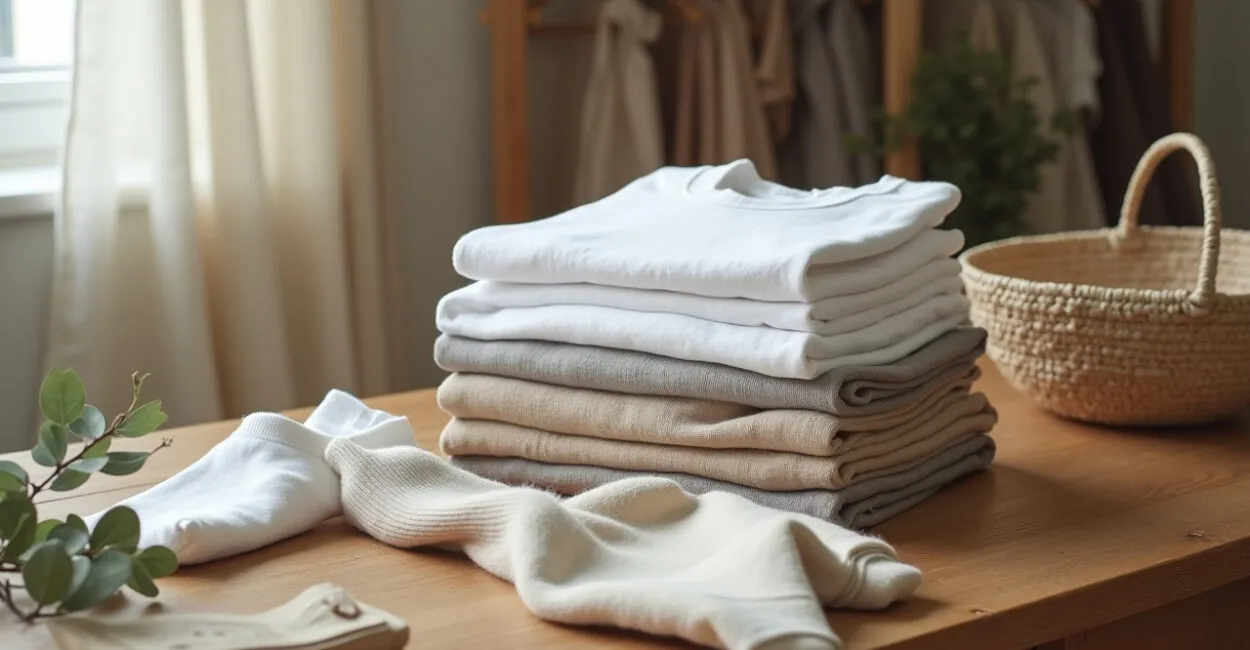 Organic cotton basics arranged on a sunlit oak table
Organic cotton matters because the fibers sit against your skin all day. For T-shirts, underwear, socks, and loungewear, that means the difference between fabric that feels calm and fabric that keeps you adjusting, scratching, or overheating. When people look for organic cotton basics for daily wear, they usually want one thing: everyday pieces that are softer on the body and easier to justify from an environmental standpoint.
The technical version is straightforward: organic cotton is cotton grown under standards that restrict most synthetic pesticides and fertilizers and prohibit genetically engineered seed in certified systems. In plain English, it is cotton produced with tighter rules on farming inputs, plus a traceability chain that should let you verify what you’re buying. The catch is that “organic” does not automatically mean “better in every way,” so the details matter. This article breaks down where organic cotton shines, where it does not, and how to shop for basics that actually hold up.
What You Need to Know
- Organic cotton is most useful in daily basics where skin contact, breathability, and wash frequency matter most.
- Certification matters more than marketing language; GOTS and USDA Organic are stronger signals than vague “eco-friendly” claims.
- Not every organic cotton garment is durable. Knit density, construction, and finishing often determine longevity more than the fiber alone.
- Organic cotton reduces certain agricultural impacts, but it does not erase the water, energy, or shipping footprint of a finished garment.
- The best purchases are simple: well-made T-shirts, socks, underwear, and loungewear in cuts you will wear repeatedly.
Organic Cotton Basics for Daily Wear: What Makes Them Different
Organic cotton basics are everyday garments made from cotton grown under organic production rules and then converted into finished clothing through spinning, knitting, dyeing, and sewing. The fiber is the starting point, not the whole story. If the fabric is thin, poorly stitched, or heavily treated, it can still wear out quickly. That is why “organic” should be treated as one criterion, not the whole decision.
In practice, daily wear is where cotton earns its keep. T-shirts, briefs, boxer briefs, socks, tank tops, and lounge pants get washed often and sit close to the skin. If a brand gets the fiber, knit, and finishing right, the result feels less fussy in real life: fewer synthetic odors, decent airflow, and less static. That said, organic cotton can shrink if it is not pre-shrunk or if you dry it on high heat.
Organic Vs. Conventional Cotton in Real Use
The biggest difference is upstream: farming practices. Organic cotton systems typically limit synthetic pesticides and fertilizers, which changes the agricultural footprint and can improve soil management when done well. Conventional cotton can be perfectly serviceable as clothing, but it relies more heavily on synthetic inputs in many production systems. For a shopper, the practical question is whether the extra standard and price tag bring value to the exact item you wear every day.
Organic cotton is not a magic upgrade; it becomes a better purchase when certification, fabric weight, and construction line up with the way you actually wear and wash the garment.
Why Daily Basics Are the Smartest Place to Start
If someone is new to sustainable clothing, I usually recommend starting with the items that touch your skin the most and get replaced the fastest. That means underwear first, then socks, then T-shirts and sleepwear. Those pieces are the easiest place to feel the difference between a well-made organic cotton knit and a cheap one, because comfort shows up immediately.
The experience is practical, not theoretical. I’ve seen people buy one premium tee and wear it weekly for years, while a bargain version pills after a season and ends up as a cleaning rag. The point is not that organic cotton automatically lasts longer. The point is that basic wardrobe staples give you the best odds of matching durability, comfort, and lower-impact sourcing in a single purchase.
Where Organic Cotton Delivers the Most Value
- Underwear: skin comfort and breathability matter more than a fashion statement.
- Socks: wash durability and odor control often improve when the knit is denser.
- T-shirts: high-frequency wear makes fabric feel and seam quality easy to judge.
- Loungewear: softness and drape are noticeable immediately in cotton jersey and fleece.
For broader fiber guidance, the USDA Natural Resources Conservation Service and the USDA organic standards framework are good starting points for understanding what organic production is designed to control. The shopper’s job is to connect that upstream standard to a wearable product.
Certifications and Labels That Actually Matter
The label is where many buyers get misled. “Organic cotton” sounds clear, but the term alone can be used loosely in marketing unless it is backed by a recognized standard. Two names matter most for apparel: GOTS, the Global Organic Textile Standard, and USDA Organic for cotton fiber claims in the United States. GOTS is stronger for finished textiles because it covers processing, chemicals, and supply-chain controls, not just the farm.
That distinction matters because a shirt can start with organic fiber and still be processed with a long list of chemicals unless the supply chain is controlled. In other words, the farming standard is only part of the story. If you want the cleaner signal, look for the certification number, certifier name, or a traceable product page that states exactly what is certified.
Read also: Low-Carbon Commuting Options for Everyday Travel
Reading the Hangtag Without Guessing
Label
What It Usually Means
How Much Confidence To Place In It
GOTS
Organic fiber plus textile processing requirements
High for finished apparel
USDA Organic
Strong for agricultural organic claims
Good for fiber origin, less complete for finished garments
“Made with organic cotton”
Partial organic content, not necessarily full garment certification
Moderate to low unless details are specific
Vague eco-label
Marketing language without a named standard
Low
For a reliable third-party reference on cotton sustainability and textile impacts, the Textile Exchange publishes industry reporting and fiber guidance that helps put claims in context. It is not a substitute for product certification, but it helps you see where claims fit into the larger market.
How to Judge Fabric Quality Before You Buy
This is where shoppers often overfocus on fiber content and underfocus on construction. A 100% organic cotton T-shirt can still be flimsy if the knit is too loose, the seams are weak, or the finishing causes twisting after two washes. On the other hand, a well-built blend can outperform a weak all-cotton garment for everyday use. That is one of the few places where the rule of “natural fiber is always better” falls apart.
Read also: Sustainable Living Tips for Beginners: Easy First Steps
Look for fabric weight, knit type, pre-shrunk finishing, and seam construction. For tees, a midweight jersey usually wears better than a super-thin knit. For socks, a tighter knit around the arch and heel helps the garment stay in place. For underwear, the gusset, waistband, and stitch quality matter as much as the fiber.
The difference between a premium basic and a disposable one usually shows up after the third wash, not in the product photo.
Fast Checks That Save Money
- Check whether the garment is pre-shrunk or sanforized.
- Look for reinforced seams at the shoulder, crotch, and heel.
- Read the fabric weight if the brand publishes it; thin is not always bad, but it should be intentional.
- Inspect return policies, because fit and shrinkage are where online purchases go wrong.
Mini-story: A friend once bought three “organic” white tees because the price looked reasonable. After two warm washes, one twisted at the side seam, one shrank a full size, and one held up well. The difference was not the cotton label. It was the weight of the jersey, the finishing, and whether the brand had actually bothered to stabilize the fabric before sewing.
T-Shirts, Socks, Underwear, and Loungewear: Best Use Cases
Organic cotton works best where softness, breathability, and frequent laundering matter more than stretch recovery or water resistance. That makes it ideal for cotton T-shirts, crew socks, boxer briefs, bralettes, pajamas, and relaxed loungewear. It is less compelling for items that need technical performance, like workout gear or rainwear, where synthetics or blended fabrics often do the job better.
If you want a sensible closet, think in categories rather than ideology. Cotton underwear should be breathable and stable. Socks should manage friction and stay in shape. T-shirts should keep their drape and collar integrity. Lounge pants should feel comfortable after an hour on the couch and still look fine when you answer the door. That is the real test.
Best Picks by Garment Type
- T-shirts: choose medium-weight jersey, clean neck binding, and a cut you will actually repeat.
- Socks: prioritize reinforced heels and toes, plus enough elastane to prevent sagging.
- Underwear: look for breathable construction and a waistband that does not roll.
- Loungewear: heavier knit or brushed fleece performs better than paper-thin fabric.
One nuance: a small amount of elastane or recycled polyester can improve fit and shape retention in some basics. Purity is not always the point. For daily wear, a 95/5 cotton-elastane blend may outperform 100% cotton if you need stretch and recovery. The right answer depends on the garment, not a blanket rule.
Care, Durability, and the Hidden Cost of Washing
Organic cotton basics earn their value when you care for them well. Wash in cool or warm water, avoid unnecessary high heat, and remove items before over-drying. That reduces shrinkage and helps preserve elastic, printing, and seam integrity. It also lowers energy use a little, which matters more over dozens of wash cycles than it does in a one-off purchase.
Durability is a product of both fabric and habit. Heavy-duty detergent, very hot water, and aggressive drying shorten the life of even good basics. If you hang dry T-shirts and use a lower heat setting for socks and underwear, you will usually get more wear out of each item. The goal is not perfection; it is fewer replacements across a year.
Care Rules That Actually Extend Life
- Turn printed tees inside out before washing.
- Use lower heat or air drying when possible.
- Skip fabric softener on towels and some knits if you want better absorbency and less residue.
- Sort by color and weight to reduce abrasion.
There is also a tradeoff worth stating plainly: a lower-impact fiber does not cancel out bad care habits. If a garment is washed and dried aggressively every week, the environmental gain shrinks because replacement happens sooner. That is why care instructions are part of sustainability, not an afterthought.
How to Buy Better Without Overpaying
The smartest purchase is not the most expensive one. It is the piece that gives you the highest cost-per-wear over time. If an organic cotton tee costs more but lasts twice as long and stays in rotation, it can beat a cheaper shirt that loses shape quickly. Still, price alone is a weak signal. Some brands charge a premium for storytelling rather than better fabric.
Use a simple filter before buying: certification, fabric weight, construction, fit, and return policy. If a product page hides all five, treat that as a warning. If a brand gives you fiber percentages, gsm or fabric weight, care instructions, and certification details, you can make a cleaner decision. That level of transparency is often more valuable than a polished lifestyle photo.
When a brand is serious about organic basics, it explains the fabric, not just the feeling.
A Simple Purchase Framework
- Start with the item you wear most often.
- Check for GOTS or another credible organic claim.
- Compare fabric weight and construction, not just price.
- Buy one test piece before replacing an entire drawer.
What to Do Next If You Want a Cleaner Wardrobe
The best next step is to audit the items you replace most often. If your T-shirts get thin at the collar, replace them with a better-knit organic option. If your socks slip or pill, upgrade to a denser sock construction. If your underwear irritates your skin, prioritize breathability and stable seams over fashion details. That approach keeps the shift practical instead of performative.
For a first pass, choose one category and test two brands side by side. Wear them for a month, wash them the same way, and judge them on comfort, shape retention, and how often you reach for them. That kind of real-world comparison is more useful than reading another stack of marketing claims. For more background on organic standards and textile reporting, review the USDA Agricultural Marketing Service and the United Nations Environment Programme.
📱 See this content as a Web Story
Frequently Asked Questions
Is Organic Cotton Always Softer Than Regular Cotton?
Not automatically. Softness depends on fiber length, yarn quality, knit density, and finishing, not only on whether the cotton is organic. A well-made conventional tee can feel softer than a poorly made organic one. In daily wear, the better question is whether the garment feels comfortable after several washes, because that is when fabric quality becomes obvious.
Does Organic Cotton Last Longer Than Conventional Cotton?
It can, but it does not have to. Durability comes from fabric weight, seam quality, shrink control, and how often you wash and dry the item on high heat. A cheap organic shirt may wear out faster than a well-constructed conventional one. For longevity, compare the garment build, not just the fiber label.
What Certifications Should I Trust Most When Shopping for Basics?
For finished apparel, GOTS is one of the strongest signals because it covers more than the fiber itself. USDA Organic is useful for the agricultural claim, especially for cotton origin. If a product only says “eco,” “natural,” or “conscious,” that is not enough to verify anything meaningful. Look for named standards, certification numbers, or clear product documentation.
Are Organic Cotton Basics Worth the Higher Price?
They are worth it when the garment is one you will wear repeatedly and the construction justifies the cost. For T-shirts, underwear, socks, and loungewear, the payoff often comes from better comfort, lower irritation, and fewer replacements. If a premium price is tied only to branding, skip it. Value appears when the garment holds its shape, fits well, and survives regular washing.
Can I Find Organic Cotton Basics That Still Perform Well in Everyday Life?
Yes, if you choose the right category and the right build. Organic cotton is excellent for breathable layers, sleepwear, underwear, socks, and relaxed tees. It is less suited to high-sweat athletic wear or items that need water resistance and fast dry times. The best everyday performance comes from matching the fabric to the job instead of expecting one material to do everything.