
Plastic-Free Bathroom Essentials: Best Brands to Try
Brands that replace daily bathroom basics with truly plastic-free options, focusing on practical packaging, refill systems, and lasting, low-waste designs.
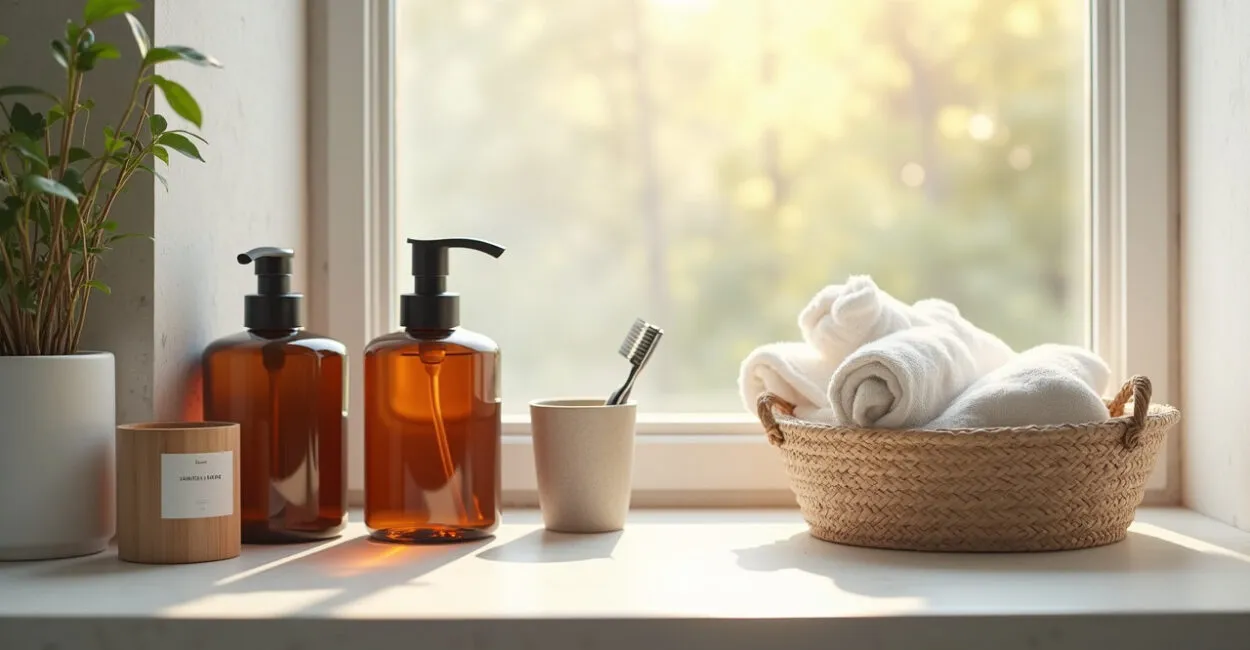 Low-waste bathroom essentials on a sunlit countertop
Plastic in the bathroom is a lot more embedded than most people realize: from shampoo bottles and pump dispensers to toothbrush handles, floss picks, and disposable razors. The practical search behind plastic-free bathroom essentials brands is really about finding swaps that reduce packaging waste without making your routine harder, messier, or more expensive than it needs to be.
The best brands in this space do more than look eco-friendly. They package products in metal, glass, paper, or compostable materials; they use refill systems where refills are actually useful; and they design items you will keep using after the novelty wears off. Below, I’ll break down the brands that stand out for soap, shampoo, toothbrushes, oral care, shaving, and a few often-overlooked basics that make a bathroom feel genuinely low-waste.
Quick Take
- The strongest plastic-free swaps are the ones you will restock without thinking, not the ones that only work for a perfectly curated zero-waste setup.
- Bar formats usually beat bottled products for packaging, but performance depends on water hardness, hair type, and how you store the product between uses.
- Brands that use aluminum, paper, glass, bamboo, stainless steel, or refillable systems tend to have the clearest plastic-cutting impact.
- For oral care, replaceability matters as much as packaging: a durable handle with replaceable heads can cut waste faster than buying a fully disposable plastic tool every few months.
- The right brand is the one that solves your real friction points—slip, storage, cost, and travel—not the one with the most minimalist label.
Plastic-Free Bathroom Essentials Brands That Actually Replace Your Daily Basics
Technically, “plastic-free” means a product or package is made without conventional plastic polymers such as PET, HDPE, PP, or PE in the primary system the consumer handles. In plain English, that usually means the bottle, tube, wrapper, handle, or dispenser is replaced with paper, glass, aluminum, bamboo, soap paper, or a refillable format that avoids disposable plastic as the main delivery layer.
That distinction matters because a lot of products are marketed as “eco” while still shipping in mixed-material packaging that is hard to recycle. The brands worth paying attention to are the ones that reduce plastic at the product level, not just the marketing level.
What “Plastic-Free” Usually Looks Like in Practice
For bathroom essentials, the main categories are bar soap, shampoo and conditioner bars, bamboo toothbrushes, toothpaste tablets, stainless-steel safety razors, aluminum deodorant containers, and refillable or paper-based floss. If a brand is serious, you can usually see the packaging logic immediately. There is no glossy shrink wrap hiding behind the sustainability story.
In practice, a product is only truly low-waste if its packaging, refills, and end-of-life disposal all make sense together.
For a useful reference on why packaging choices matter, the U.S. Environmental Protection Agency explains how packaging affects municipal solid waste and recycling outcomes in its Facts and Figures about Materials, Waste and Recycling overview.
Soap and Body Care Brands That Cut Bottle Waste Fast
Soap is the easiest place to start because the format already exists. A good bar soap can eliminate a plastic pump bottle every few weeks, and a decent bar lasts longer than many people expect if you keep it dry between uses. The brands that stand out here usually have strong scents, good lather, and packaging that disappears cleanly into paper recycling or compost.
Standout Names to Try
- Dr. Bronner’s offers bar soaps and liquid castile products, but the bar format is the cleaner plastic-cutting move when you want a simple daily wash.
- Ethique is known for solid bars across soap, shampoo, conditioner, and body care, all designed to remove bottle waste from the routine.
- EO Products has bar and refill-friendly options that work well if you want natural fragrance profiles without a heavy plastic footprint.
The practical upside of bar soap is that it is hard to “accidentally overbuy.” You see the inventory, you use it, and the waste is mostly the wrapper. The downside is real too: in a humid bathroom, some bars soften quickly and go mushy if the soap dish traps water. That’s not a brand failure; that’s a storage issue.
Who works in low-waste retail knows this: the soap that lasts on paper sometimes disappoints on a crowded sink ledge. A slotted tray or magnetic soap holder often matters as much as the formula itself.

Shampoo and Conditioner Bars Worth Replacing Bottles For
Shampoo bars are where buyers often get skeptical, and for good reason. Some bars leave hair waxy, some crumble too fast, and some require a transition period if your scalp is used to heavy silicone-based formulas. Still, the better brands have made solid hair care a real substitute, not just a novelty item.
Brands with the Best Track Record
Brand
Why It Stands Out
Best For
Ethique
Wide range, compact bars, strong packaging discipline
Most hair types, especially first-time switchers
HiBAR
Easy-to-use shapes and low-fuss formulas
People who want a bottle-like experience without bottles
Viori
Rice-water based bars with a loyal following
Dry or thick hair that needs more slip
The technical issue with shampoo bars is surfactant balance. Surfactants are the cleansing agents that lift oil and dirt from hair. If a bar is too harsh, it can make hair feel stripped; if it is too emollient, it can leave residue. That is why no bar works equally well for every head of hair, and any brand promising universal results should be treated with caution.
That’s the real dividing line: the best shampoo bar is not the one with the most natural-looking label, but the one that rinses clean, stores well, and matches your hair’s texture and oil level.
For a broader consumer-safety lens on ingredient labeling and claims, the U.S. Food and Drug Administration’s cosmetics guidance is worth reading before you buy anything positioned as “clean” or “non-toxic.”
Toothbrushes, Floss, and Oral Care Brands That Reduce Plastic in the Smallest Details
Oral care is where small purchases create a surprisingly large long-term waste stream. A toothbrush may look tiny, but replacing one every three months adds up fast. The best brands here focus on either durable handles, replaceable heads, or compostable materials that make disposal less painful.
Brands and Formats That Make Sense
- Brush with Bamboo makes bamboo toothbrushes that appeal to people who want a straightforward, compostable handle.
- GUM and similar refill-based systems can lower waste when the handle lasts and only the head is replaced.
- Georganics offers oral care products such as toothpaste tablets and floss options in lower-plastic packaging.
There is one caveat here: not all bamboo toothbrushes are equal. Some are compostable in theory but awkward in a home compost setup because the bristles are not fully compostable. Others use more packaging than expected in transit. That does not make them bad products, but it does mean the “plastic-free” label needs a closer read.
The best oral-care swap is not the most natural-looking one; it is the one you will replace consistently without drifting back to plastic convenience.
For disposal and recycling realities, the National Institute of Standards and Technology and related materials research discussions can be useful context, but for everyday consumers, local composting rules matter more than brand slogans. Always check whether the handle, bristles, or wrapper can actually go where the company suggests.
Shaving, Deodorant, and Other High-Waste Items People Forget to Replace
This is where a lot of people make progress without noticing it. The obvious swaps—soap and shampoo—get the attention, but shaving cartridges, deodorant containers, and cotton swabs can quietly dominate bathroom trash. High-performing brands in this space usually invest in durable hardware and refill systems instead of disposable bodies.
What to Look For
- Safety razors with stainless-steel handles and replaceable blades reduce the amount of waste tied to cartridge systems.
- Refillable deodorants in aluminum or paper-based packs are easier to adopt than fully homemade alternatives.
- Cotton swab substitutes and reusable makeup rounds can remove another layer of single-use plastic from the bathroom.
In real life, shaving is where durability matters most. A metal safety razor can last for years, but it is not ideal for everyone on day one. It has a learning curve, and a rushed shave can nick skin more easily than a cartridge system. That is one place where the greener option is not automatically the easiest option.
A concrete example: one household I saw switch to a safety razor kept the handle, changed blades monthly, and dropped an entire drawer of discarded cartridge packs within three months. The first week took adjustment. After that, the system became routine.
How to Judge a Brand Beyond the Packaging Claim
“Plastic-free” sounds clean, but the label can hide a lot. Some products use plastic-free primary packaging but still arrive in plastic mailers. Others rely on replacements that are not widely available, which means the consumer reverts to the old habit after one order cycle. If you want a brand that actually fits normal life, judge it with a stricter checklist.
A Better Buying Checklist
- Check the main package first, not the marketing photos.
- Look for refill availability and how easy it is to reorder.
- Ask whether the product needs special storage or dries out quickly.
- Review end-of-life disposal: compost, recycling, reuse, or trash.
- Decide whether the product fits your routine on a stressful weekday, not just on a curated shelf.
This is where the Helpful Content version of shopping matters: the goal is not ideological purity. It is less waste with fewer trade-offs. A brand that saves plastic but frustrates you so much that you quit after two weeks is not a win.
There is also divergence among sustainability specialists about how much weight to give refill models versus reusable solid formats. Refills can work beautifully when logistics are strong, but they fail when shipping, subscription friction, or low availability makes them inconvenient. The stronger choice is the one you can sustain for a year, not the one that looks best in a cart screenshot.
For recycling realities, the U.S. EPA’s guidance on materials and waste is useful background, while the National Institute of Environmental Health Sciences overview of plastics gives broader context on why reducing routine plastic use matters in everyday consumer products.
Which Brands Fit Which Bathroom Routine
Not every household needs the same stack. Someone with short hair and a simple skin routine can thrive on bars, bamboo, and one razor. A family with different hair textures and shared storage may need a more mixed system, where some refillable products coexist with a few strategic bottled exceptions. That is normal.
Best Fit by Use Case
- Best for first-time switchers: Ethique, because the category coverage makes it easier to replace multiple products at once.
- Best for minimalist routines: Dr. Bronner’s and Brush with Bamboo, because the systems stay simple.
- Best for hair that needs more moisture: Viori or another bar line with a richer feel and a stronger rinse profile.
- Best for long-term waste reduction: safety razor systems and refillable oral-care setups, because the hardware persists.
The most practical approach is to switch one category at a time and watch what actually sticks. Shampoo bars are often the hardest adjustment; soap and oral care are usually the easiest. If a brand seems promising but the packaging, scent, or texture annoys you immediately, trust that reaction. Friction shows up early.
What to Try First If You Want a Cleaner, Lower-Waste Bathroom
If your goal is progress, not performance, start with the products you replace most often. Soap, toothpaste, toothbrushes, and shampoo are the quickest wins because they touch your routine every day. Pick one brand in each category, use it fully, and judge it on performance first, packaging second.
The smartest next step is to build a bathroom around products you will actually repurchase, not products you admire once. Test one bar soap, one shampoo bar, one toothbrush, and one refillable or durable shaving option over the next month. If the routine feels easier after the switch, you found the right fit. If it feels like a project, that brand is probably not the one to keep.
📱 See this content as a Web Story
FAQ
Are Plastic-free Bathroom Brands Always Zero-waste?
No. A brand can reduce plastic without being fully zero-waste, and that distinction matters. Some products still use mixed materials, shipping protection, or components that end up in the trash. The better question is whether the brand cuts meaningful waste in the categories you replace most often. Progress in the bathroom usually comes from fewer bottles, fewer disposables, and longer-lasting hardware, not from a perfect label.
Do Shampoo Bars Work for All Hair Types?
Not equally. Fine, oily, curly, color-treated, and dry hair often respond differently to the same formula because surfactants and conditioning agents interact with texture and scalp oil in different ways. A bar that feels light on one person can feel stripping or waxy on another. The safest move is to choose a brand with a clear return policy or a strong sample-size strategy before committing to a full routine switch.
What’s the Easiest Plastic-free Swap to Start With?
Bar soap is usually the easiest entry point because it replaces a common bottled product without demanding a major habit change. Bamboo toothbrushes and shampoo bars are close behind, but they sometimes require a little adjustment in storage or feel. If you want quick momentum, start with items you already buy regularly and that have simple disposal pathways. Early success makes the rest of the transition much easier.
Are Bamboo Toothbrushes Actually Better Than Plastic Ones?
They are usually better for reducing conventional plastic use, but they are not automatically perfect. Many still use non-compostable bristles, so the handle is the main plastic reduction win rather than a complete end-of-life solution. If your local waste stream cannot process the whole brush, the benefit comes from cutting the amount of virgin plastic entering your routine. That still matters, but it is not the same as full compostability.
Should I Choose Refills or Solid Bars?
Choose the format you can keep using consistently. Solid bars often win on packaging simplicity, while refill systems can be excellent when they are easy to order and arrive in low-waste packaging. Refills fail when shipping is clunky or the brand is hard to restock. Bars fail when the texture, lather, or storage never feels right. The best format is the one that survives ordinary life, not the one that looks most sustainable on paper.