
Energy-Saving Home Habits That Reduce Emissions Quickly
How small adjustments in lighting, heating, and standby power habits at home can quickly cut electricity use and reduce emissions effectively.
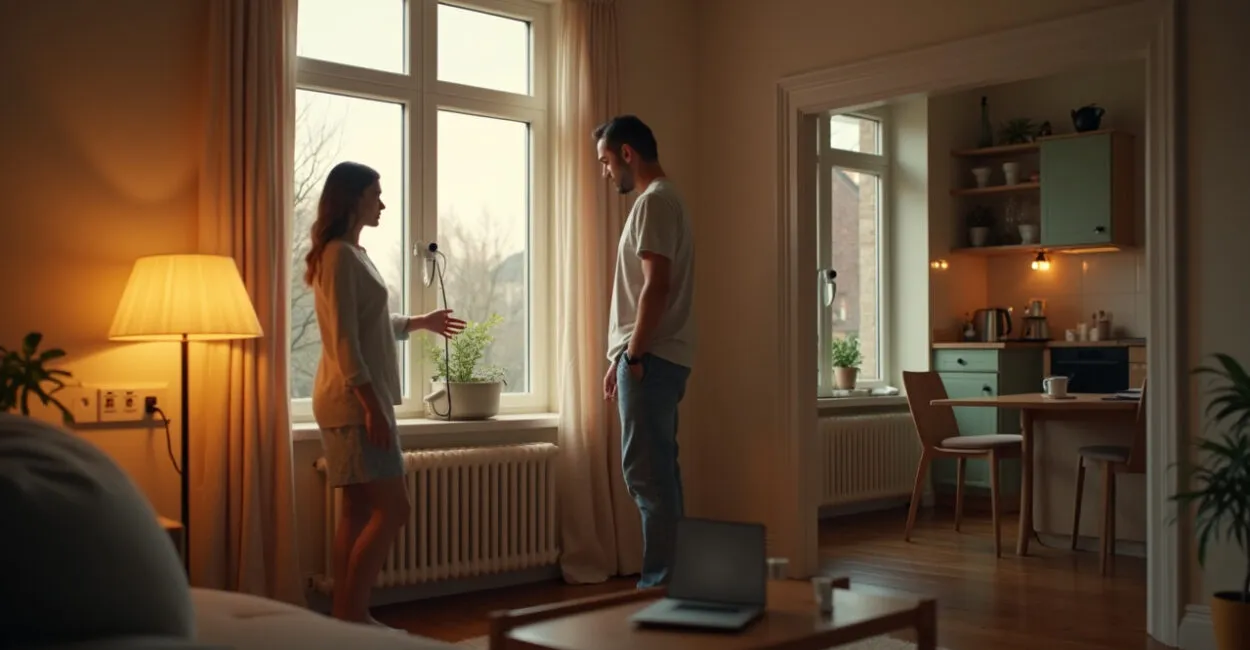 Family switches off lights and unplugs appliances
Small changes at home can cut electricity use faster than most people expect, and the emissions drop follows the same direction. The practical version of energy-saving home habits for lower emissions is not about living in the dark or buying a full smart-home setup; it is about reducing wasted power where households lose it every day: lighting, heating and cooling, standby loads, and inefficient routines.
That matters because home energy use is one of the easiest places to act without waiting for a new appliance, a rebate, or a remodel. If the goal is lower emissions, the fastest gains usually come from habits that reduce runtime, avoid heat loss, and stop “phantom” electricity use that keeps drawing power after you think something is off. The sections below focus on what works in real homes, what saves the most per effort, and where the common advice falls short.
O Que Você Precisa Saber
- Cutting wasted energy at home lowers emissions most effectively when you target runtime, heat loss, and standby power first.
- The highest-return habits are usually low-friction: adjusting thermostats, improving lighting discipline, and unplugging or switching off idle electronics.
- Not every “green” habit pays off equally; behavior changes matter most when they attack constant loads, not one-off tasks.
- A household that tracks a few numbers each month tends to keep savings longer than one that relies on memory or vague intentions.
- The biggest mistake is focusing on tiny gestures while ignoring the appliances and settings that run for hours every day.
Energy-Saving Home Habits That Reduce Emissions Fastest
The most effective household habits are the ones that change energy use every day without requiring constant willpower. In practice, that means setting up the home so the efficient choice becomes the default. You will save more by shortening heating and cooling cycles than by obsessing over a single device left on for five minutes.
Start with the Loads That Run the Longest
Heating, cooling, water heating, refrigeration, and always-on electronics dominate household electricity use in most homes. According to the U.S. Energy Information Administration, space heating and air conditioning account for a large share of residential energy consumption, which is why thermostat behavior usually beats almost every “micro-saving” tip.
What separates meaningful home energy savings from symbolic gestures is not how many devices you touch, but how many hours of consumption you remove from the system.
That is also why the first habit should be to reduce runtime: turn systems off when they are not needed, use programmable schedules, and avoid heating or cooling empty rooms. If your home already has a heat pump or a high-efficiency furnace, the same rule still applies; efficiency helps, but wasted runtime still wastes energy.
Build Habits Around Defaults, Not Discipline
People keep savings longer when they change the environment, not just their intentions. A thermostat schedule, motion-sensing lights in low-use areas, and a power strip for media equipment all work because they reduce the number of daily decisions. That is a real-world lesson from energy audits: if a habit depends on remembering every night, it usually fades.
A useful test is simple: if the action feels annoying after a week, redesign the setup. Put the switch closer, use a timer, or move the device. Energy efficiency is often a user-interface problem disguised as a behavior problem.
Lighting Habits That Cut Waste Without Changing How You Live
Lighting is the easiest place to start because the fix is visible and immediate. LEDs use far less electricity than incandescent bulbs and last much longer, but the habit piece matters too: many homes still light rooms that nobody is using, or keep brighter lamps on when task lighting would do the job.
Use Light Only Where You Need It
Switching off whole-house lighting in favor of targeted lighting lowers consumption without making a home feel darker. A reading lamp, under-cabinet light, or desk light can replace multiple ceiling fixtures in the same room. That approach also reduces heat from bulbs, which matters in warm months because every watt wasted as light becomes a little more heat to remove.
Make LEDs Do the Heavy Lifting
If a bulb burns for hours each day, replacing it with an LED is one of the quickest wins available. The U.S. Department of Energy notes that LED lighting uses at least 75% less energy and lasts up to 25 times longer than incandescent lighting. The habit that multiplies that benefit is to leave LEDs only where they are needed, not to treat efficient lighting as a license for excess.
One household I worked with had a simple pattern: kitchen lights stayed on from dinner through bedtime even when nobody was in the room. They changed nothing about the bulbs at first. They just added a rule: lights off when the last person leaves the room. Their electric bill moved enough to notice within the next cycle, and the family said the habit stuck because it was tied to one clear moment, not a vague goal.
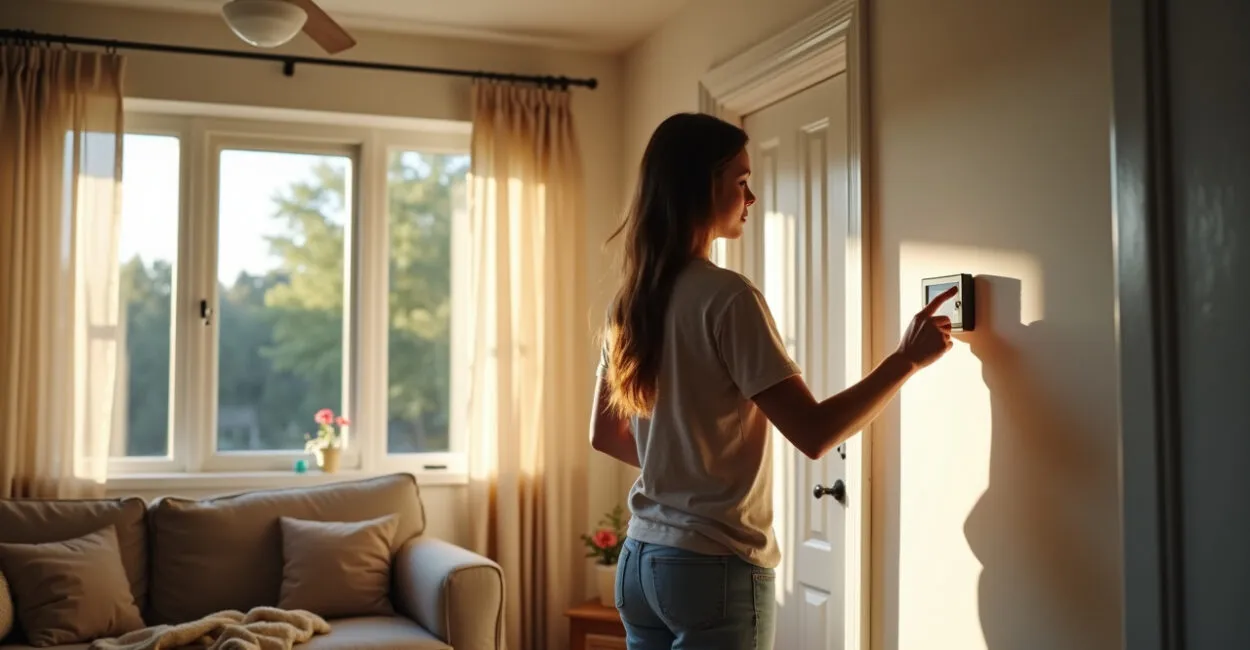
Heating and Cooling: The Habit That Moves the Biggest Emissions Needle
In most homes, HVAC behavior has more impact than any other daily routine. The technical term here is thermostat setpoint management—controlling the target temperature so the system runs only as much as needed. In plain English, this means not overcooling in summer, not overheating in winter, and not fighting the weather with the windows open.
Use Small Temperature Adjustments First
A modest thermostat shift can reduce runtime significantly over a season. The exact savings depend on climate, insulation, and equipment efficiency, so there is no universal number that fits every house. Still, a home that trims unnecessary heating and cooling almost always cuts more emissions than one that focuses only on appliance unplugging.
Read also: Energy-Saving Tips for Renters: Cut Bills Without Upgrades
Stop Heating or Cooling the Wrong Air
Close doors to rooms you are not using if your system supports it. Seal obvious drafts around windows and exterior doors. During shoulder seasons, use natural ventilation when outdoor conditions are comfortable instead of running the AC out of habit. These are small moves, but they attack the reason systems cycle so often: the house is leaking the temperature you paid to create.
Thermostat changes save the most when they work with the home’s envelope; they save far less when the house leaks air badly or the system runs against open windows and bad habits.
That is the limit nobody likes to hear. If a home is poorly insulated or has major air leaks, behavior alone cannot deliver peak savings. The habit still helps, but it should be paired with practical fixes like weatherstripping, attic insulation, or HVAC maintenance. The better the envelope, the more every good habit compounds.
Read also: Energy Savings Tips for Smart Home Owners in 2025 Now
Standby Power: The Quiet Emissions Leak Most Homes Ignore
Standby power, sometimes called phantom load, is the electricity devices draw when they appear off but remain ready for use. This includes TVs, game consoles, cable boxes, chargers, printers, and some kitchen appliances. The draw is small per device, but the total can add up across a whole house, all day, every day.
Use Power Strips Where the Habit is Strongest
The easiest fix is to group devices by use pattern. Put TV, streaming box, sound system, and console on one switched power strip. When the session ends, one switch cuts the whole bundle. That is more reliable than trying to unplug each item individually, and it avoids the “I’ll do it later” problem that kills good intentions.
Know Which Devices Should Stay On
Not every plug should be cut. Routers, medical devices, refrigerators, and certain smart-home hubs need continuous power. This is where advice gets messy: blanket unplugging is not wise, and in some cases it is counterproductive. The goal is to target discretionary loads, not anything that would break a routine or cause a safety issue.
For a deeper look at household standby waste, the U.S. Department of Energy’s standby power guidance is a reliable reference. It is also a reminder that “off” is not always off, which is exactly why this habit deserves attention.
Kitchen and Laundry Habits That Save More Than They Seem
Kitchen and laundry habits matter because they involve heat, water, and motorized equipment. Those combinations are energy-intensive, and they are also where people waste power by default: running half-empty appliances, using hotter settings than necessary, and opening doors too often during a cycle.
Run Full Loads, but Not Wasteful Ones
Dishwashers and washing machines are most efficient when they are used at the right load size and the right cycle. Running a full dishwasher is usually better than handwashing a pile of dishes under hot water. For laundry, cold water handles most loads well unless the fabric or soil level truly requires otherwise.
Use Heat Only When It Changes the Result
High heat in dryers, ovens, and water heating often does more than you need. Air-drying some clothing, covering pots to reduce cooking time, and keeping the refrigerator door closed are ordinary habits, but they save energy because they prevent avoidable heat transfer. The same principle applies across the house: less heat loss means less energy input.
How to Measure Progress Without Turning It Into a Project
Good habits last when people can see results. You do not need a complex dashboard, but you do need some feedback. A monthly electric bill, a smart meter portal, or a simple home energy monitor can show whether your routine changes are actually lowering consumption.
Habit
What It Changes
Best Use Case
Thermostat scheduling
HVAC runtime
Homes with predictable occupancy
LED replacement
Lighting electricity
Rooms with long daily usage
Switched power strips
Standby power
Media centers and office corners
Cold-water laundry
Water-heating load
Most everyday laundry loads
Track One Metric That Matters
Choose one measure and stick with it for at least two billing cycles. For many households, that is kilowatt-hours per month. For others, it is the number on a smart meter at the same time each week. The point is not data for its own sake; the point is to catch whether a habit is real or just feels productive.
The National Renewable Energy Laboratory publishes extensive research on building performance and residential efficiency, and its work reinforces a simple fact: behavior changes deliver better results when households can verify them. That is one reason utility programs often pair advice with metering or rebates.
What Matters Most in Real Homes, Not Ideal Ones
The best advice is not always the advice with the cleanest logic. In a drafty apartment, turning down the thermostat may help less than sealing the obvious leaks. In a home with old appliances, efficient behavior still helps, but equipment limits will cap the savings. And in homes with low bills already, the highest value may be carbon reduction rather than dramatic cost reduction.
That is the honest tradeoff: some habits are universal, while others depend on climate, building quality, and the electricity mix in your region. Cleaner grids reduce emissions per kilowatt-hour, but wasted electricity still wastes resources. So the right question is not whether the habit is “green” in theory; it is whether it lowers actual demand in your home.
Practical Priorities That Hold Up
- Fix HVAC settings before chasing small device loads.
- Use lighting only where it is needed and switch to LEDs in high-use rooms.
- Cut standby power with power strips or unplugging routines for discretionary devices.
- Choose loads, temperatures, and cycle lengths that match the task instead of defaulting to the highest setting.
Próximos passos: pick two habits that touch the biggest loads in your home, apply them for 30 days, and compare the next bill or smart-meter reading against the previous month. If the change does not show up, adjust the habit that affects runtime first, because that is where savings usually become visible fastest. For most households, the winning move is not more effort; it is better targeting.
📱 See this content as a Web Story
Frequently Asked Questions
Which Home Habit Lowers Emissions the Fastest?
Reducing HVAC runtime usually has the fastest impact because heating and cooling dominate energy use in many homes. A small thermostat adjustment, better scheduling, and avoiding empty-room conditioning can produce more savings than a long list of minor habits. If the home has major air leaks, combine the habit with sealing and insulation for a larger effect. The fastest win depends on climate, but HVAC is the first place to look in most cases.
Are LED Bulbs Still Worth It If I Already Use Energy-efficient Appliances?
Yes, because lighting savings stack on top of appliance efficiency. LEDs cut electricity use in high-use rooms and reduce heat output, which can also ease cooling demand in warm weather. The savings are smaller than an HVAC change, but they are very reliable and easy to maintain. If you still have incandescent or halogen bulbs in daily-use fixtures, those replacements remain one of the simplest upgrades available.
Does Unplugging Chargers Really Matter?
One charger by itself usually does not matter much, but a house full of idle electronics can create a measurable standby load. The bigger savings come from devices like TVs, game consoles, set-top boxes, printers, and older audio systems that draw power even when idle. A switched power strip makes this easier than unplugging each item. If the habit is easy to follow, it is worth keeping; if not, target the biggest standby bundles first.
What is the Most Common Mistake People Make with Energy-saving Habits?
They focus on visible but low-impact actions while ignoring the systems that run for hours. Turning off a lamp helps, but leaving the thermostat too high in winter or too low in summer usually matters far more. Another mistake is using efficient devices as permission to waste energy elsewhere. Efficiency should reduce total use, not justify higher consumption.
Can Small Household Changes Really Lower Emissions in a Meaningful Way?
Yes, but only when they target repeated loads and not one-time tasks. The cumulative effect of lower thermostat settings, shorter HVAC runtime, fewer hours of lighting, and reduced standby power can be substantial over a year. The emissions impact depends on your local electricity mix and how much fuel your home uses for heating. Small changes are meaningful because they recur every day, not because each one is dramatic on its own.