

Warning: Cannot modify header information - headers already sent in /home/u278635817/domains/myhousegarden.com/public_html/wp-content/plugins/artigosgpt/artigosgpt.php on line 28454
Two neighbors stand on the curb. One has a scorched, patchy lawn that eats water and fines. The other has a tidy front yard of swaying ornamental grasses—low water, high curb appeal, and fully legal under the new ordinance. If you care about curb appeal and avoiding code trouble, this planting guide is the fast lane to smart choices. Read on and you’ll know which grasses qualify, how far apart to plant them, what soil really wants, and how to keep your street cred with the city.
Which Ornamental Grasses Meet the New Drought Rules?
Not every ornamental grass counts. Cities often require native or drought-tolerant species that don’t become invasive or require heavy irrigation. Favor clumping grasses like Pennisetum alopecuroides (fountain grass), Festuca (fescue clumps), and Muhlenbergia (Mexican feather grass). These use far less water than turf and recover quickly after heat. Check local lists—many municipalities publish approved plant lists—and avoid runners or aggressive spreaders that can breach setbacks.
Spacing That Looks Polished and Passes Inspection
Spacing is where curb appeal and code meet. Plant too close and you’ll get a tangled mess; plant too wide and you lose visual impact. A simple rule: small clumping grasses (under 2 ft wide) = 18–24 inches apart; medium (2–4 ft) = 24–36 inches; large clumps = 36–48 inches. This gives each plant room to show shape and stay healthy. It also meets many sight-line requirements near driveways and sidewalks.
Soil Fixes That Save Water and Save You from Replanting
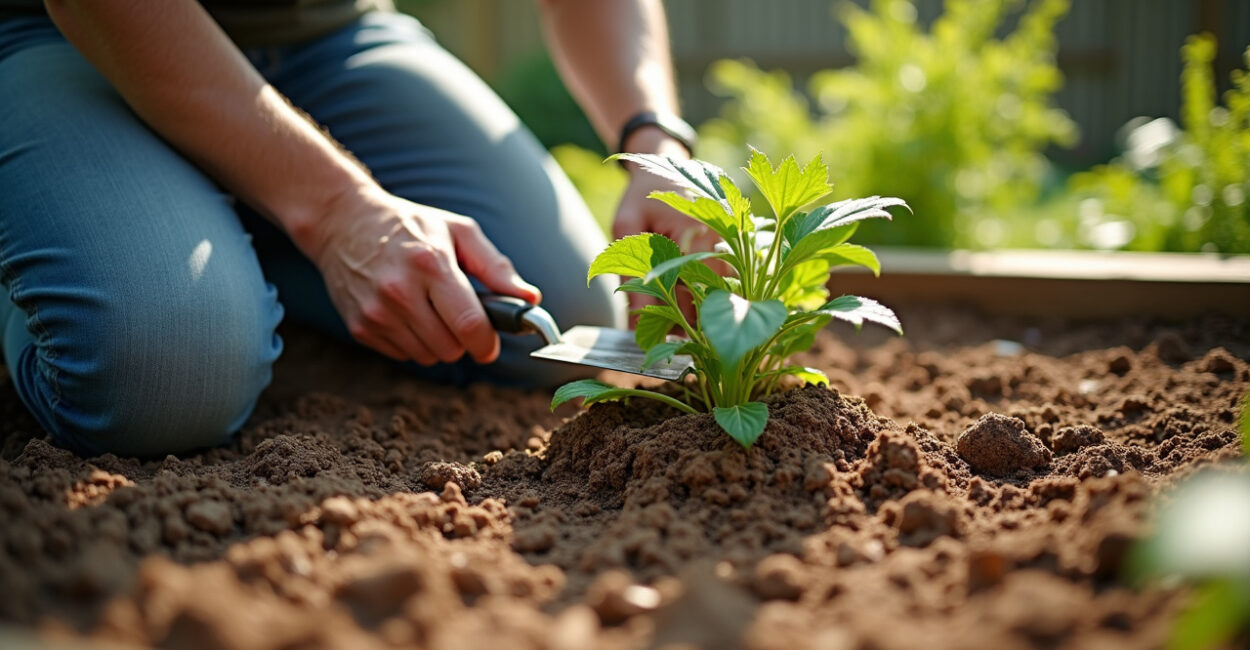
Most problems start below ground. Compact, clay soils choke roots and demand more water. Loosen the soil and add organic matter or a light sandy loam to improve drainage. Amend once at planting—don’t keep reworking beds. A 2–3 inch mulch layer cuts evaporation and keeps roots cool. Avoid heavy compost right against crowns; keep a small clear ring so crowns don’t rot.
Designs That Boost Curb Appeal (and Don’t Trigger Fines)
Good design masks quantity with rhythm. Use repeating clumps in odd numbers, mix heights, and add a focal stone or pathway. Taller grasses at the back, mid-height in the middle, and groundcover in front create depth. For legal peace of mind, keep plantings below any required sight-triangle heights at corners and driveways. A tidy edge and a narrow mulch strip along the sidewalk go a long way toward a finished look.
The One Comparison That Changes How You Think About Lawns
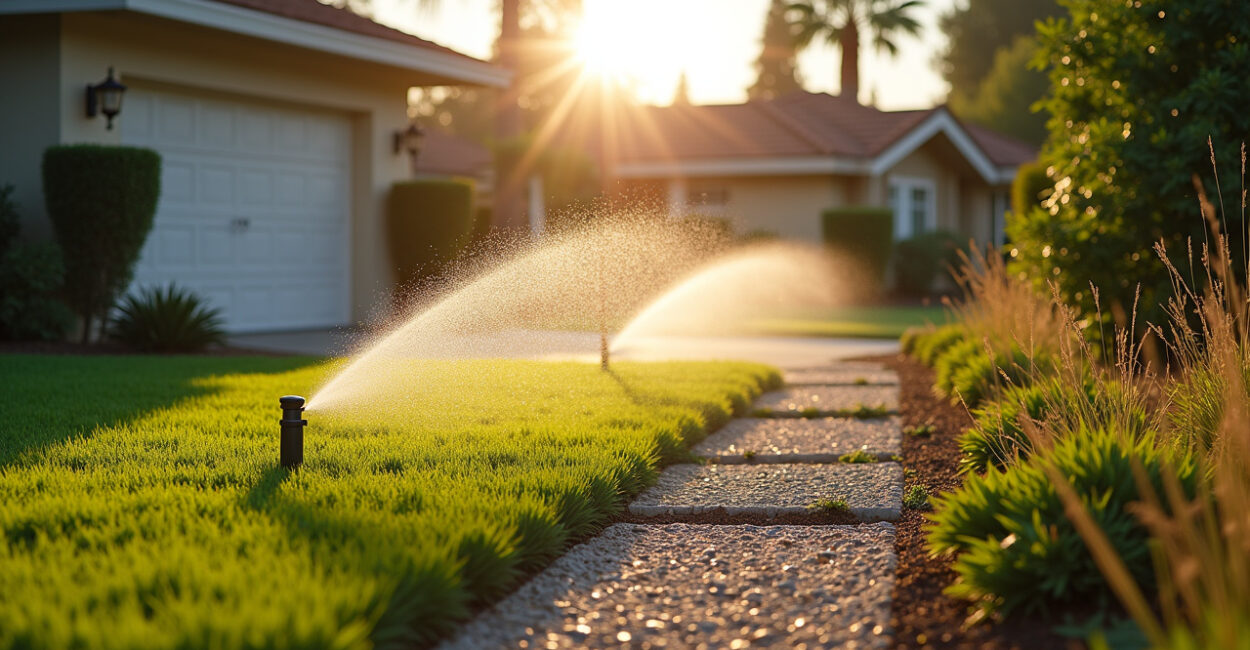
Expectation: a pristine green lawn equals value. Reality: a drought-tolerant grass bed can raise perceived value while cutting water bills by 50–80%. Picture two homes: one with thirsty turf and a sprinkler schedule, the other with artful clumps that hum in the breeze and need only occasional deep watering. The second wins on maintenance, drought resilience, and neighborhood style—without flirting with ordinance violations.
Common Mistakes That Lead to Replanting or Fines
People often trip on a handful of repeatable errors. Avoid these:
- Planting invasive runners near property lines.
- Ignoring sight-line rules at intersections and driveways.
- Overcrowding clumps to “fill in” faster.
- Using heavy irrigation schedules instead of deep, infrequent watering.
- Skipping soil prep and expecting plants to thrive on day one.
Don’t cut corners at the start. A bad planting job turns into a bad expense and sometimes a code complaint.
A Short Real-yard Moment That Teaches More Than a Pamphlet
He planted ten fountain grasses in a week and expected instant charm. By month three they were jammed, shaded each other, and one neighbor complained about sightlines near the driveway. He dug them up, redistributed them with proper spacing, amended the soil, and added mulch. The yard transformed in a weekend. The lesson: spacing and soil are not cosmetic—they’re the structure that makes a planting last and stay legal.
For local code details, check your city’s landscape ordinance or the county website. For drought-tolerant species lists and irrigation best practices, trusted resources like the EPA WaterSense program and university extension pages give reliable guidance.
Now: pick one small change—swap a patch of turf for three clumping grasses, or remake a soil bed—and watch both your water bill and curb fines start to drop. Regulations change. Good design lasts.
How Do I Confirm Which Grasses Are Allowed by My Local Ordinance?
Start with your city or county website and look for the landscape or water conservation ordinance; many publish an approved plant list or species guidelines. If that’s unclear, call the planning or code enforcement office and ask for the planting standards and sight-line rules for front yards. You can also consult university extension fact sheets for your state—these often list recommended drought-tolerant ornamentals. Keep a printed or saved copy of any approval to avoid disputes if someone questions your planting later.
What Soil Amendments Actually Matter for Ornamental Grasses?
Most ornamental grasses prefer a free-draining mix; the right amendments add drainage and structure. Work in coarse sand or grit to break up clay, and fold in well-rotted compost to feed microbes and retain moisture without waterlogging roots. Avoid heavy, rich topsoil that stays soggy. A thin layer of mulch (2–3 inches) helps. Amend at planting only—over-amending can create settlement issues. Good soil prep reduces the need for frequent watering and gives newly planted clumps a fighting chance.
How Often Should I Water Newly Planted Grasses Versus Established Ones?
New plantings need regular moisture while roots establish—usually every 2–3 days for the first two weeks, then gradually reduce frequency over the next two months. After establishment, switch to deep, infrequent watering: one thorough soak every 7–14 days, depending on heat and soil. This encourages deep roots. Use a simple screwdriver test—if it slides easily into the soil, skip watering. Always follow local watering restrictions and aim to water in the early morning to reduce evaporation.
Will Replacing Turf with Grasses Affect My Property Value?
Properly designed drought-tolerant landscaping generally improves curb appeal and can increase perceived property value, especially in regions where water conservation is prized. Buyers often prefer low-maintenance, attractive front yards. The key is execution: clean lines, appropriate spacing, and compliance with ordinances. Poorly executed conversions—overcrowded plants, weeds, or code violations—can hurt value. Think like a buyer: neat, strategic plantings with a clear maintenance plan sell better than chaotic or temporary fixes.
Do Ornamental Grasses Require Pruning, and When is Best?
Most ornamental clumping grasses benefit from an annual cleanup. Cut back dead foliage in late winter or early spring before new growth appears. For warm-season varieties, leave the foliage through winter for seed heads and habitat, then prune in early spring. Use a string trimmer or hand shears to avoid damaging crowns. Avoid cutting too low—leave a 2–4 inch stump. Proper timing keeps plants vigorous, reduces disease risk, and maintains tidy sight lines for compliance with local regulations.