Warning: Cannot modify header information - headers already sent in /home/u278635817/domains/myhousegarden.com/public_html/wp-content/plugins/artigosgpt/artigosgpt.php on line 28454
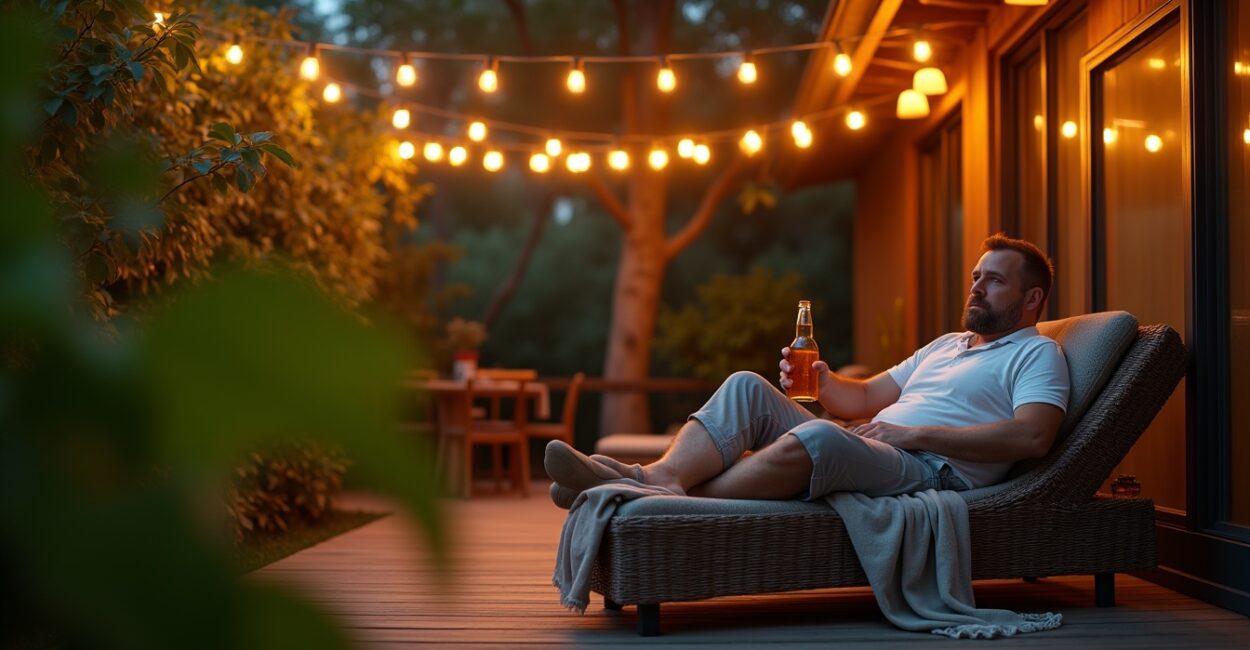
A warm string of lights, cold beer, and within minutes a cloud of moths deciding your patio is now their nightclub—sound familiar? If you want an evening outdoors without renegotiating boundaries with bugs, pest-free patio lighting matters more than you think. This guide lays out which LED spectra, shielded fixtures, and placement moves actually reduce insect attraction while keeping your space cozy and usable after dark.
Why the Color of Light Changes the Bug Traffic
Not all light is equal to insects. Many flying pests are drawn to short-wavelength light—ultraviolet and blue—because their eyes evolved to detect those wavelengths for navigation. Swap in warmer-spectrum LEDs (2200K–2700K) and you immediately reduce the visual signal that attracts moths and gnats. Imagine two porches: one glows icy-white and looks like a lighthouse; the other bathes in soft amber and feels like dusk. The first will be populated; the second, noticeably calmer. This is the single most impactful change you can make.
The LED Spectrum That Actually Deters Bugs (and Still Looks Good)
Pick LEDs labeled “warm white” or lower Kelvin ratings. Aim for 2200K–2700K—these produce less blue light and far less UV. Consider LEDs marketed as “bug lights” or amber-tinted options; they cut attraction without turning your patio into a cave. A quick comparison: cool white (4000K+) can attract several times more insects than a 2200K bulb. For patios where color rendering matters (dining, plants), choose high-CRI warm LEDs so foods and fabrics still look natural.
Shielded Fixtures: The Secret Weapon Most Homeowners Skip
Shielding controls where light goes—and where bugs gather. Up-facing and exposed bulbs broadcast light into the air, creating a beacon. Use downlights, soffit-mounted fixtures with full cutoffs, or pendant lights with opaque shades to concentrate illumination on surfaces, not the night sky. That simple directional control reduces the “light halo” that bugs chase. Practical tip: a fixture with frosted glass and a downward baffle often reduces insect landings more than a decorative exposed filament bulb.
Placement Strategies That Keep Your Seating Bug-free
Where you put light is as important as what type you use. Place brighter fixtures away from seating—near walkways, stairs, or the edges of the yard—and use lower, warmer task lights over tables. This creates a gradient: insects are drawn to perimeter lights, leaving the middle space calmer. Use layered lighting: dimmable task lamps, string lights on a low setting, and motion-activated path lights for safety. Think of light placement as crowd control; you’re guiding bugs to the outskirts, not inviting them into your glass.
Common Mistakes That Invite Bugs (and How to Avoid Them)
People unintentionally create bug magnets. Frequent errors: using cool white or poorly shielded bulbs, placing lights directly above dining areas, and relying on bright single-source fixtures. Avoid these by choosing warm-spectrum LEDs, using multiple lower-output sources, and installing full-cutoff fixtures. Also skip incandescent bulbs with high UV output or salty-scented citronella candles as your only strategy—those often underperform. A simple checklist helps: replace bulbs, add shields, move fixtures outward, and lower brightness.
A Comparison That Will Change How You Shop for Outdoor Lighting
Expectation vs. reality—what most people buy vs. what actually works. Expectation: a trendy exposed filament bulb for ambiance. Reality: it attracts every moth within a hundred yards. Expectation: string lights hung overhead. Reality: they illuminate your food—and every mosquito. What works: warm, shielded, downward-facing LEDs plus soft task lighting. In short: ambiance does not have to equal attraction. You can have cozy, Instagram-worthy lighting without turning your patio into an insect buffet.
A Short Scene That Proves the Point
She moved three lights and dinner stayed outdoors. Last summer a friend swapped two cool-white pendants for low-Kelvin recessed cans aimed downward and added an amber table lantern. That night, the family ate outside for the first time in weeks—no swats, no citronella smoke, no frantic chase of a fly into the salad. The only difference was spectrum and aim. Small changes, big peace—your patio can feel like a protected room under the sky, not a bug colony’s afterparty.
For technical backing, the Centers for Disease Control documents mosquito behavior and light sensitivity, and university extension services often publish practical advice on outdoor lighting and insect management. See more from the CDC on mosquito prevention and guidance from the Cooperative Extension network for local, research-based tips.
Ready to change one bulb and reclaim your evenings? Start with spectrum and shielding; the rest is refinement. Your next outdoor dinner should be memorable for the conversation, not the insects.
How Do Warm LEDs Compare to “bug Lights” in Practice?
Warm LEDs (2200K–2700K) and amber “bug lights” both reduce insect attraction, but they’re not identical. Warm LEDs offer better color rendering—which keeps food and decor looking natural—while reducing blue/UV emissions that most insects detect. Amber bug lights often produce an orange tint that’s less flattering but may attract even fewer bugs. The practical choice depends on priorities: choose warm LEDs for ambiance and visibility, or amber bulbs when minimizing attraction is the only goal.
Will Shielding Fixtures Alone Solve the Problem?
Shielding makes a dramatic difference but rarely solves everything by itself. Directing light downward reduces the visible beacon that draws insects, yet spectrum and brightness still matter. A shielded cool-white fixture can still attract bugs if its color temperature is high. Combine shielded fixtures with warm-spectrum LEDs, and consider placement away from seating. For best results, treat shielding as a major piece of a three-part approach: spectrum, shielding, and strategic placement.
Can Motion-activated Lights Reduce Nighttime Insects?
Motion-activated lights help by keeping most lighting off until needed, which reduces overall attractant time. However, sudden bursts of bright, cool light can briefly draw insects, so use warm-spectrum motion lights and avoid very bright settings. Pair motion-activated fixtures with dim, steady pathway lighting and task lights for seating. This approach balances safety and comfort—lights come on for movement, but you still maintain a low-attraction ambient glow for relaxed evenings.
Are Citronella and Bug Zappers Effective Alternatives?
Citronella masks scents and can deter some biting insects at very close range, but its effectiveness is limited and inconsistent for larger spaces. Bug zappers kill insects indiscriminately and may not significantly reduce biting mosquitoes because many biting species are not strongly drawn to electric traps. These products can be part of a strategy, but they don’t replace choosing the right fixtures, spectrum, and placement. Rely on lighting changes first, and use citronella or traps as supplementary measures where needed.
How Do I Balance Aesthetics and Insect Reduction on a Small Budget?
You can make impactful changes without a big spend: swap existing bulbs for warm 2200K–2700K LEDs, add simple downward baffles or shades, and move a few fixtures outward from seating areas. Dimmable LED bulbs and string lights on lower settings improve ambiance while lowering attraction. Focus on one area at a time—start with dining or seating—and test different placements and brightness levels. Small, inexpensive adjustments often produce the biggest improvement in comfort.