Warning: Cannot modify header information - headers already sent in /home/u278635817/domains/myhousegarden.com/public_html/wp-content/plugins/artigosgpt/artigosgpt.php on line 28454
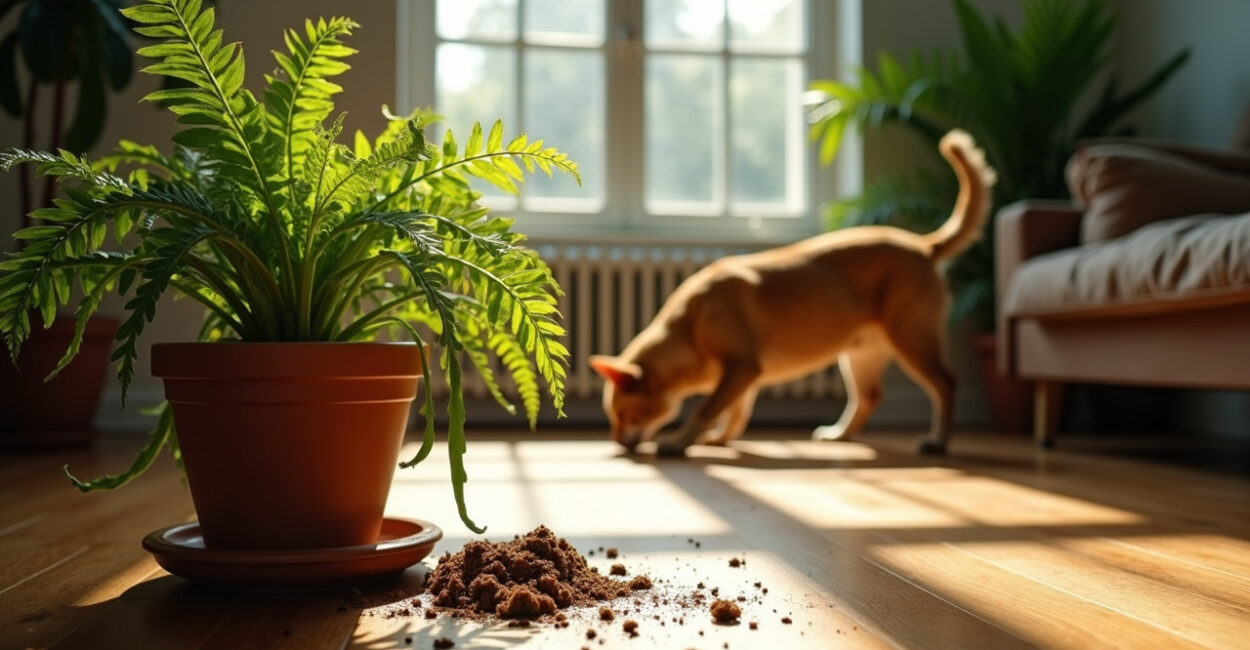
Wet paw prints on a pristine fern, a chewed leaf the size of a dinner plate, the sudden silence when a cat knocks over a pot — if you care about indoor air and your pets, this hits close to home. This guide is blunt: not all “air-purifying” houseplants are pet-safe. Read on for swaps that actually help air quality and won’t send your pet to the vet.
Why “air-purifying” Plants Can Be a Hidden Pet Risk
Some popular purifiers are toxic. The term “air-purifying” became trendy after lab studies showed certain plants can remove VOCs. But those studies used sealed chambers and long exposure — not your living room. Many of the top picks for cleaning air are poisonous to cats and dogs. If your pet nibbles a leaf, you could face vomiting, drooling, or worse. Think of air quality gains versus real-world pet safety: choose both when you can.
The Top Pet-safe Air-purifying Plants That Actually Work
Yes, you can have both cleaner air and safe pets. These plants are gentle on paws and still contribute to indoor air quality.
- Spider plant (Chlorophytum comosum) — sturdy, non-toxic, great for hanging baskets.
- Areca palm (Dypsis lutescens) — good humidifier, non-toxic in small domestic numbers.
- Bamboo palm (Chamaedorea seifrizii) — filters and pet-safe when kept healthy.
- Boston fern (Nephrolepis exaltata) — helps humidity and is non-toxic to cats and dogs.
- Parlor palm (Chamaedorea elegans) — low light and pet-safe.
These plants won’t replace mechanical filters, but they lower VOCs and add moisture without risking a vet visit.

Which Common Varieties to Avoid — And Why
Some favorites are outright dangerous. Avoid these if you have curious chewers:
- Peace lily (Spathiphyllum) — causes oral irritation and drooling in pets.
- Snake plant (Sansevieria) — contains saponins that upset stomachs.
- Philodendron and pothos — calcium oxalate crystals can cause swelling and pain.
- Aloe vera — useful for humans but toxic to cats and dogs if eaten.
Expectation vs. reality: you might buy a Snake plant for low care, but the reality is a trip to the vet if your dog chews it. Be decisive: pick a pet-safe alternative instead of risking it.
Practical Swaps: Replace These Toxic Plants with Pet-safe Options
Easy swaps keep your style and protect your pet. Swap a toxic peace lily for a Boston fern. Replace pothos with a spider plant in the same hanging pot. Want the vertical drama of a snake plant? Try a parlor palm cluster for similar height and texture. These swaps maintain the look without the hazard. Below are quick pairings:
- Peace lily → Boston fern
- Snake plant → Parlor palm
- Pothos/philodendron → Spider plant
- Aloe vera → Areca palm (for humidity)

Care Notes That Matter for Pet-safe Indoor Plants
Good care reduces risk and boosts air benefits. A stressed or overwatered plant is more likely to shed, attract pests, or produce bitter-tasting leaves that tempt pets. Basic care tips:
- Keep plants healthy with proper light and water.
- Place plants out of reach — high shelves, hanging baskets, or rooms pets can’t access.
- Use pet-safe soil and avoid fertilizers with heavy chemicals.
- Wipe leaves to improve air filtering and reduce dust.
Mini-story: A friend swapped her low-shelf pothos for a hanging spider plant after her cat got sick twice. The plant stayed beautiful, the cat stopped chewing, and her air felt fresher — without the stress of vet bills.
Common Mistakes People Make with Pet-safe Plants
These errors produce exactly the problems you want to avoid.
- Assuming “non-toxic” means always safe — dose matters.
- Using plant sprays or pesticides that are toxic to pets.
- Placing tempting plants at ground level where pets can paw and chew.
- Overestimating plants’ air-cleaning power and underinvesting in ventilation or filters.
One clear error: buying a single “air-purifying” plant and thinking it replaces a HEPA filter. It doesn’t. Plants help, but they’re part of a broader approach to indoor air.
Science-backed Sources and How to Verify Plant Safety
Check reliable databases before you buy. For toxicity and first-aid, consult trusted resources. The ASPCA maintains a comprehensive database on plant toxicity. University extension sites also list local plant hazards and care tips. Before bringing a plant home, look it up by scientific name — common names vary and cause confusion.
For deeper reads: the ASPCA’s toxic plant list and academic articles on indoor plants’ VOC removal are good starting points. For ventilation and air quality best practices, government health sites explain indoor air basics.
Sources: ASPCA toxic plant list and EPA guidance on indoor air.
Which matters more to you: a plant that looks good or one that keeps the whole household safe? You can — and should — choose both.
Can a Plant That is Listed as “non-toxic” Still Harm My Pet?
Yes. “Non-toxic” generally means the plant isn’t known to cause severe poisoning, but it can still upset a pet’s stomach if eaten in quantity. Some pets have allergies or sensitivities and can react to sap or pollen. Also, fertilizers, soil additives, or mold in damp soil can cause problems. Always monitor your pet around new plants and introduce one plant at a time so you can notice any reaction quickly. If in doubt, consult a vet or remove access.
How Many Plants Do I Need to Actually Improve Air Quality?
Plants help, but they’re not a substitute for ventilation or filtration. To see measurable VOC reduction in a typical home, you’d need many medium-to-large plants per room — more than most people keep. Use plants to complement good airflow, a quality HEPA filter, and source control (reducing chemicals and smoking indoors). That said, a few pet-safe plants improve humidity and comfort and provide some VOC absorption. Think of them as part of a layered approach to cleaner indoor air.
What Should I Do If My Pet Eats a Toxic Plant?
First, remove your pet from the plant and safely keep the plant out of reach. Check the ASPCA or your local pet poison control for plant-specific guidance. If symptoms are severe — drooling, difficulty breathing, seizures, continuous vomiting — seek veterinary care immediately. Take a photo or a sample of the plant with you. Quick action matters; some plant toxins act fast. Even if symptoms seem mild, call your vet for advice on monitoring and possible treatment.
Are There Safe Plant Care Products I Can Use Around Pets?
Choose products labeled pet-safe and look for simple, natural ingredients. Many conventional pesticides and fungicides are toxic to pets, so avoid them near accessible plants. Instead, use mechanical controls (wipe leaves, remove pests by hand, introduce beneficial insects in greenhouses) or mild solutions like insecticidal soap applied when pets are away. Always let treated plants dry completely and follow label wait times. When uncertain, consult your vet or local extension service for safe alternatives.
How Can I Keep Curious Pets Away from Plants Without Isolating Them?
Keep plants in hanging baskets, on high shelves, or in rooms pets can’t enter. Use deterrents like citrus peels or pet-safe bitter sprays on pot rims (test first for plant tolerance). Create an attractive alternative: a cat grass pot or a designated dog-friendly plant zone. Training also helps; teach “leave it” with treats and consistency. Barrier options like decorative screens can protect plants while keeping them visible. The key is reducing temptation, not punishing curiosity.