
Warning: Cannot modify header information - headers already sent in /home/u278635817/domains/myhousegarden.com/public_html/wp-content/plugins/artigosgpt/artigosgpt.php on line 28454
The tile around the spa looked perfect — until the heater corrosion started peeling the finish. Ten grand later the owner learned one hard truth: luxury pools show neglect faster than budget ones. Pool maintenance for high-end systems isn’t optional. It’s the routine that keeps mosaics, heaters, and automation working without surprises. If you want pristine water and zero emergency calls, read the lines below. I’ll give exact schedules, pro tricks, and the checks most managers skip.
The One Filtration Rhythm Every Luxury Pool Should Follow
Run filtration long enough to turn your entire pool volume at least once every 8–12 hours. For a high-end pool with variable-speed pumps and large turnovers, that often means 10–14 hours daily, not the old “8-hour” rule. Pool maintenance here is about flow balance: too short and you get dead zones; too long and you waste energy and stress equipment. Use a flow meter and program the variable-speed pump for low, medium, and purge cycles. Monthly, inspect skimmer baskets, pump seals, and pressure differentials.
The Chemical Routine That Protects Marble, Tile, and Plaster Finishes
High-end finishes react badly to pH swings. Keep pH steady between 7.4–7.6 and alkalinity 80–120 ppm. Pool maintenance must include daily quick checks and a weekly full panel: free chlorine, combined chlorine, calcium hardness, cyanuric acid, and alkalinity. Use liquid chlorine or a fed chlorinator for gentle dosing. For plaster or marble, keep calcium hardness on the higher side (200–400 ppm) to avoid etching. If you use bromine in a spa, flush and rebalance more often to prevent staining.
The Seasonal Calendar Wealthy Homeowners Actually Follow
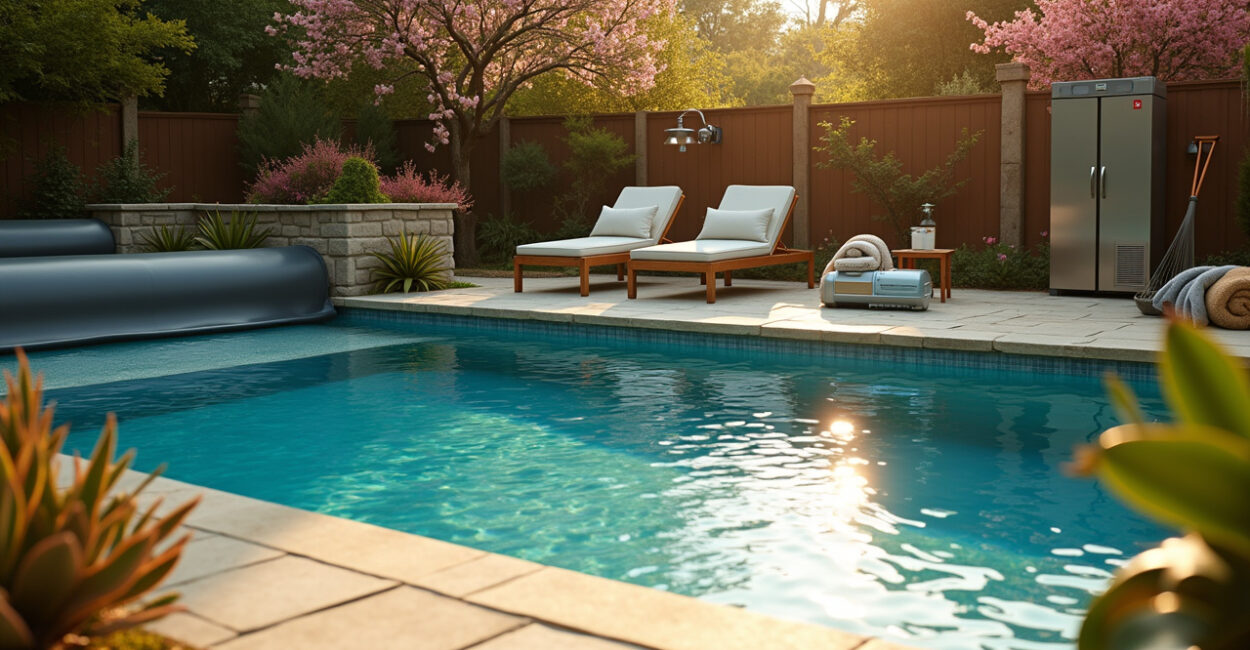
Luxury pools need a seasonal playbook. Spring restart is not “open and go.” It’s a staged protocol: inspect equipment, shock, balance, and run a 48–72 hour clear cycle. Summer is monitoring and micro-adjustments. Fall is leaf defense and heater checks. Winterizing depends on climate: in mild areas you may run heaters and a circulation schedule; in freeze zones you’ll follow a full winterization checklist. Pool maintenance means adjusting the calendar, not treating every season the same.
The Preventative Checks That Stop Five-figure Repairs
Do these monthly checks and you’ll dodge most expensive failures:
- Inspect heater heat exchangers for salt or scale build-up.
- Test automation logs and battery backups.
- Check LED lighting seals and transformer temps.
- Run a pump vibration and amp-draw test.
- Examine tile grout and coping for hairline leaks.
Those are small actions that prevent costly replacements. Pool maintenance of systems and finishes demands attention to detail every 30 days.
Common Mistakes Owners Make (and What to Avoid)
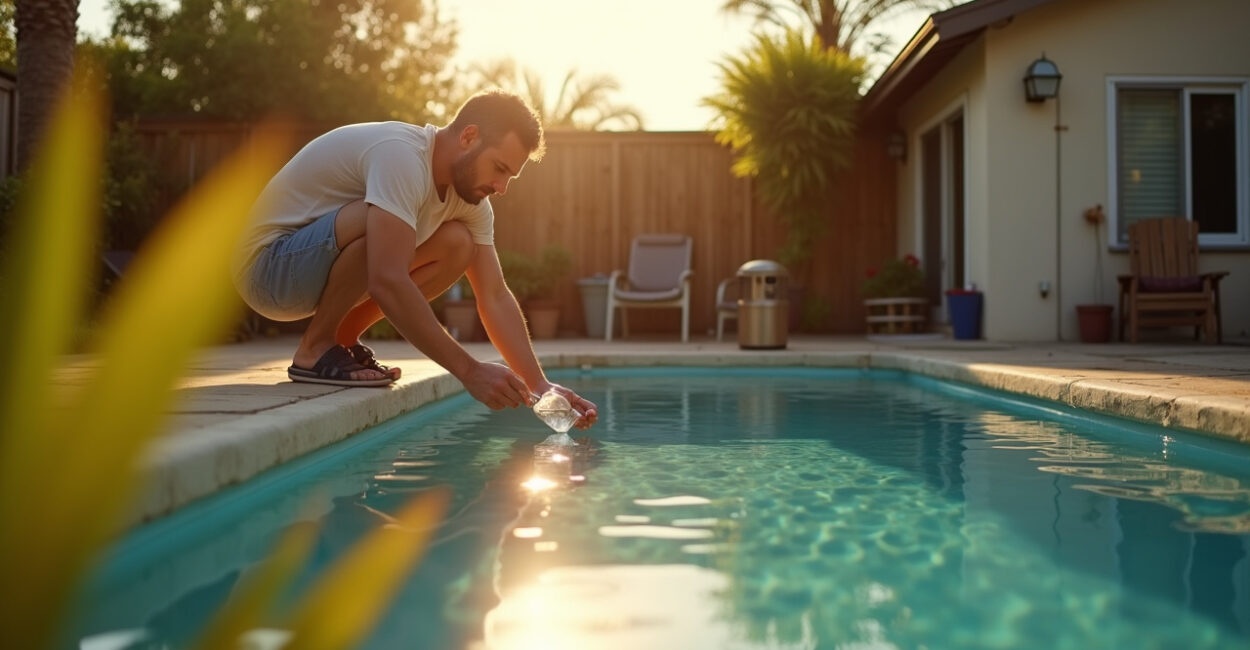
Expectation vs. reality: expecting a week of DIY care to match a pro tune-up is the biggest mistake. Other errors include over-chlorinating (bleach-stressed plaster), ignoring slightly cloudy water, and skipping seasonal heater service. Avoid using pool salt near decorative metalwork without sacrificial anodes. Don’t let backyard staff guess chemical dosing—use test strips for quick checks, but confirm with lab-grade tests weekly. These missteps cost time and eat into the value of your finishes.
A Surprising Comparison: Pro Service Vs. DIY After One Year
After 12 months, a professionally maintained luxury pool typically shows far fewer issues than a DIY pool. The difference is not just cleanliness; it’s system longevity. Pro service finds problems early: a failing heater gasket, slow leaks, or creeping automation errors. By contrast, DIY pools often develop scale, grout loss, and electronic failures that show up as sudden, expensive repairs. Pool maintenance done right saves money long-term and preserves aesthetic value — it’s an investment, not a cost.
Quick Pro Tips Your Pool Manager Won’t Tell You — Unless Asked
Ask your tech to do these five-minute checks: verify the union fittings for hairline leaks, log inlet/outlet temps, run a salt cell clean cycle, check the circulation skimmer weir for correct movement, and photograph the equipment pad monthly. Small data points create a pattern that predicts failure. Pool maintenance is as much about record-keeping as hands-on work. When you have the data, the right decisions follow quickly and cheaply.
For deeper guidance and regulatory details on water chemistry and safety, see resources like CDC guidelines on pool water safety and engineering best practices at ASME. A little knowledge prevents a lot of panic calls.
Think of pool maintenance as a concierge service for your backyard. The difference between a perfect oasis and an expensive headache is one monthly checklist and better habits. Protect the finishes. Track the systems. Sleep easier.
How Often Should I Test Water in a Luxury Pool?
Test daily for pH and free chlorine using a reliable handheld kit; this prevents quick swings that damage finishes. Perform a full battery of tests weekly: total alkalinity, calcium hardness, cyanuric acid, combined chlorine, and salt levels if applicable. Monthly, send a sample to a professional lab for verification. Automated controllers help, but manual cross-checks catch sensor drift. Frequent testing is the backbone of pool maintenance and the simplest way to avoid stains and equipment stress.
What’s the Best Filtration Schedule for Variable-speed Pumps?
Program a multi-cycle day: a long low-speed run for turnover, a medium-speed daytime boost for skimmers, and a short high-speed purge for cleaner lines. Aim to turn the pool volume once every 8–12 hours depending on usage and weather. Backwash or clean cartridges as indicated by pressure rise, typically every 1–4 weeks. Variable-speed pumps save energy and extend gear life when paired with a disciplined filtration schedule. Consistency is key to effective pool maintenance.
When Should I Call a Professional for Heater and Automation Checks?
Schedule professional inspections twice a year: before heavy-use season and before winter. If you notice any of these, call immediately: odd noises, temperature swings, error codes on the controller, or reduced flow at inlets. Automation systems can misreport if sensors fail, and heaters can corrode quietly. A pro will inspect heat exchangers, combustion (if gas), and verify automation logs. Early attention to these systems prevents expensive replacements and protects your finishes.
How Do I Prevent and Treat Stains on Premium Finishes?
Prevention starts with balanced water: pH 7.4–7.6, alkalinity 80–120, and appropriate calcium hardness. Use a sequestering agent if metals are present and maintain proper sanitizer levels. For existing stains, identify cause first—metal, organic, or scale—and use targeted treatments: metal sequestrants, non-abrasive cleaners, or acid washing by a pro for severe scale. Immediate spot treatment and consistent pool maintenance reduce the chance that a small mark becomes a costly restoration.
Is Salt Chlorination Safe for High-end Pools and Nearby Landscaping?
Salt systems can work well with luxury pools if managed carefully. Keep salt levels within the manufacturer’s range and perform regular cell cleaning to avoid by-products. Protect nearby metal fixtures and landscaping by ensuring proper drainage and using sacrificial anodes on exposed metals. Rinse any splashed saltwater off pool coping and hardware. If you have delicate stone or ironwork, consult a pro before switching; thoughtful pool maintenance minimizes corrosion risks and preserves surrounding features.