
How Stone Cottages Restored by the National Trust Hold Their Value
How to restore stone cottages by assessing building condition, addressing water and structural issues first, choosing compatible materials, and keeping clear…
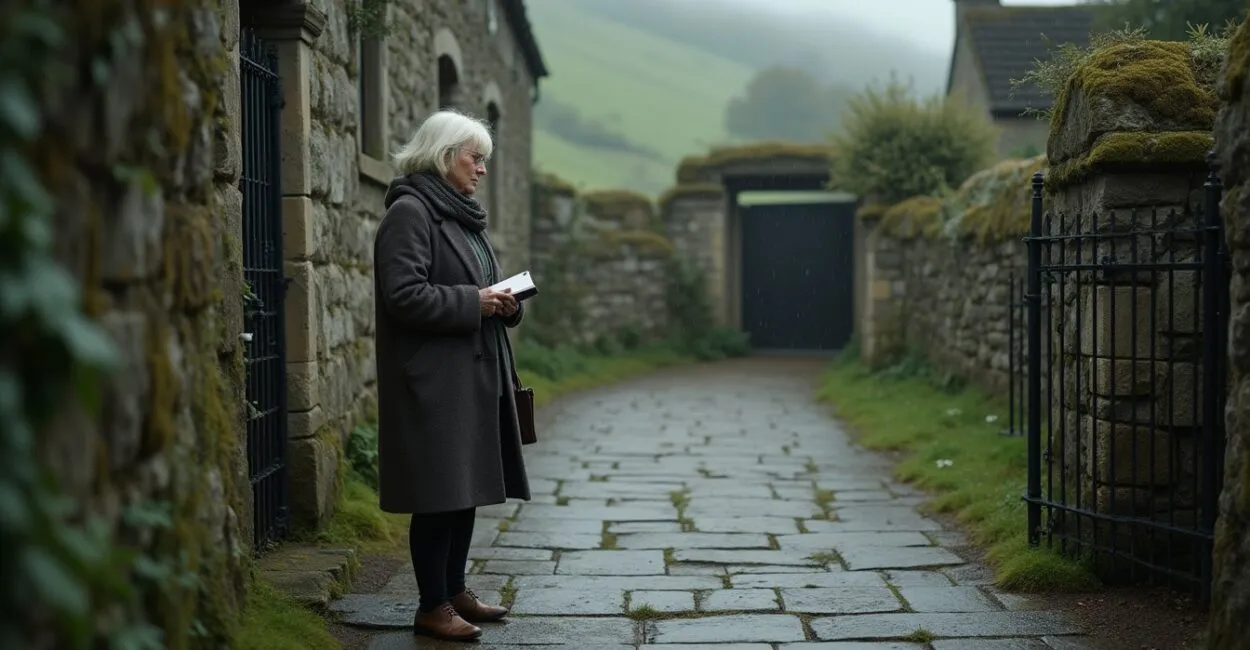 Woman stands by a rain-damp stone cottage gate
📅 Updated on 10/11/2026
A stone cottage can lose value through a well-intended repair if the work traps moisture or removes sound historic fabric. Good restoration starts with a survey, then addresses water entry and structural defects before adding comfort upgrades. For owners of stone cottages, compatible materials, necessary permissions, and clear records can protect the building’s condition and help buyers assess its history.
“National Trust-style restoration” is a useful shorthand for careful, evidence-led conservation, not a formal certification or a promise of a higher sale price. The right choices depend on the stone, the building’s construction, its condition, and whether it is legally protected.
Key Points
- Get a building assessment before choosing mortar, insulation, or a damp treatment.
- Repair active water problems before investing in finishes or energy upgrades.
- Lime mortar often suits traditional masonry, but the stone and existing construction determine the right mix.
- Restoration costs depend on scope, location, condition, and permissions; request itemized local quotes.
- Keep approvals, invoices, specifications, photographs, and maintenance records for future buyers.
Stone Cottage Restoration: Protect Character, Condition, and Resale Potential
Stone cottage restoration is the repair and adaptation of a traditional masonry home while retaining significant historic fabric and managing moisture in ways suited to its construction. A sound plan begins with a survey, identifies the source of defects, and prioritizes the roof, drainage, structure, and joints before decorative work. This sequence reduces the risk of paying for finishes that later need to be removed.
A survey should describe how the walls were built, what repairs have already been made, and whether movement or damp has an identifiable cause. Look for cracked or bulging masonry, failed roof coverings, blocked gutters, and hard cement patches that may be shedding or forcing water into softer stone. A damp reading by itself does not establish the cause; interpretation depends on the wall, weather, salts, ventilation, and measurement method.
In the United States, many historic stone homes have locally specific construction details. A fieldstone wall with a rubble core behaves differently from squared ashlar masonry, and both can differ from a building with a modern cavity wall. Ask a preservation architect, building scientist, or mason experienced with traditional buildings to assess the actual assembly rather than assume all stone walls need the same treatment.
Conservation Priorities and Rules for Traditional Stone Buildings
Conservation starts by identifying what is significant and what is failing. Retain sound original stonework and repair it where feasible; replace only material that cannot be stabilized. The Secretary of the Interior’s Standards for the Treatment of Historic Properties offer a recognized framework for evaluating preservation and rehabilitation work in the United States.
That guidance is not a permit. Local historic districts, state registers, easements, and federal project reviews may impose different requirements. Before changing windows, repointing, adding insulation, or altering a roofline, check with the local preservation commission and building department. A property’s listing or district status can affect what needs approval, but the rules vary by jurisdiction.
Match repair materials to the building
Traditional masonry often relies on softer, vapor-permeable mortar joints that accommodate movement and allow moisture to evaporate. A repair mortar should be selected for the stone’s strength, porosity, exposure, and existing mortar, not by color alone. A test panel helps assess appearance and tooling, while a materials professional can specify a compatible mix.
For owners considering National Trust-style restoration, the practical lesson is to document the reasoning behind each intervention. That approach can support informed maintenance and buyer confidence, but it is not a universal standard or a resale guarantee.
Read also: How Country Cottages Use IKEA Hacks to Modernize Their Charm
Restoration Costs, Improvements, and Resale Value
There is no reliable single price for a National Trust-style restoration. Cost depends on the building’s condition, the scope of work, local labor and material rates, access, specialist availability, and required approvals. Obtain itemized quotes based on a written scope, and separate investigation, urgent repairs, optional upgrades, and contingency allowances.
| Work category | Examples | What to weigh |
|---|---|---|
| Condition and safety | Roof leaks, unstable masonry, failed drainage | Address active damage first; ask what evidence supports the proposed repair. |
| Comfort and services | Insulation, heating, ventilation, electrical upgrades | Check compatibility, disruption, permissions, and expected performance. |
| Appearance | Repointing for visual consistency, new finishes, decorative changes | Confirm the work preserves sound fabric and fits the building’s character. |
Read also: Stone Facade Accents That Elevate Luxury Front Exteriors
Restoration credentials do not guarantee a premium from buyers. Stone cottage resale value also reflects location, local demand, layout, condition, running costs, and the quality of records. Documented work can make a property easier to evaluate and may reduce uncertainty during due diligence, but the market decides what it is worth.
Lime Mortar, Insulation, and Moisture Management
Lime mortar can be a better match than hard cement for many traditional stone walls because it is generally more vapor-permeable and can accommodate small movements. That does not make lime the automatic choice: mortar strength and composition must suit the masonry and exposure. Cement may be appropriate in some later construction or specific details, while an incompatible hard mix can damage softer stone or redirect moisture into it.
Repointing should address defective joints, not erase the wall’s texture with a flush coating. A common site-level problem is raking joints too aggressively: the tool can chip the edges of soft stone, leaving a wider gap that needs more mortar and changes the wall’s appearance. Agree on the raking depth, mortar, and finish before work begins, and review a sample area.
Modern insulation can be added to some traditional walls, but the assembly needs professional assessment. Internal insulation may make the original masonry colder and change where moisture accumulates; external insulation can alter historic elevations and details. Wall thickness, exposure to wind-driven rain, indoor humidity, vapor control, window reveals, and floor junctions all matter. The National Park Service’s guidance on preserving historic buildings is a useful starting point for understanding why materials and detailing matter, though a project still needs a building-specific design.
Stone Cottage Maintenance and Early Warning Signs
Maintenance intervals should follow the building’s exposure and condition, not a universal calendar. A sheltered cottage may weather differently from one on an exposed hillside. Inspect after severe storms and include the roof, gutters, downspouts, ground levels, openings, and visible mortar joints in routine checks.
- Roof and rainwater goods: Look for slipped slate, damaged flashing, overflowing gutters, and downspouts discharging beside the wall.
- Ground and drainage: Check for raised paving, soil built up against masonry, standing water, and leaking buried drains.
- Walls and openings: Note fresh cracks, loose stone, powdering mortar, failed sealant, and water staining around windows.
- Interior conditions: Record persistent condensation, musty smells, salt deposits, or damp patches, then investigate causes before applying a coating.
Photograph changes from the same position and note dates, weather, and any repairs. This simple record can help distinguish a stable old crack from a developing defect. If a wall moves, stones loosen, or water continues to enter after basic drainage repairs, seek a qualified assessment rather than patching the visible symptom.
Restoration Mistakes That Can Damage Historic Masonry
Hard cement repointing is a frequent source of trouble when used on softer, moisture-permeable stone. Because the joints may shed water and dry differently from the original masonry, moisture can concentrate in the stone itself. The outcome depends on the wall and exposure, so assess existing work before deciding whether removal is safer than leaving it in place.
Other costly errors begin with an incorrect diagnosis. A chemical damp treatment may not fix water entering through a leaking gutter; a waterproof coating can conceal deterioration; and insulation installed without attention to junctions may create cold or damp areas. Treat the cause before the finish.
Removing original features can also weaken both character and buyer confidence. Replacing traditional windows, changing stone details, or stripping historic finishes for a uniform look may require approval and can reduce the evidence available to understand the building. The National Park Service guidance on rehabilitation emphasizes retaining historic character while accommodating compatible use; local rules still govern any specific property.
A Restoration Checklist for Future Sale
Good records turn hidden work into information a future owner can verify. Keep a digital and paper file, organized by room or building element, and update it whenever a contractor completes work.
- Building surveys, structural assessments, and dated condition photographs
- Permits, preservation approvals, plans, and inspection sign-offs
- Itemized invoices, contractor details, and written scopes of work
- Mortar and insulation specifications, product information, and installation notes
- Warranties, guarantees, and maintenance instructions
- Records of leaks, repairs, inspections, and unresolved monitoring needs
Before marketing the property, confirm that the paperwork matches the work on site and disclose known defects or unfinished monitoring. Ask a local real estate professional how buyers in that market assess historic construction, then compare that advice with an independent building survey. Start by commissioning a condition assessment and building a prioritized, itemized repair plan; those documents give every later decision a defensible basis.
Frequently Asked Questions
How much does a National Trust-style restoration typically cost?
There is no dependable standard cost because condition, scope, location, labor, materials, and permissions vary. Request itemized local quotes against the same written specification so you can compare like with like.
Will lime mortar protect my cottage better than cement?
It may, when the stone and original construction call for a compatible, vapor-permeable mortar. The right mix depends on the masonry, exposure, and existing joints; have those assessed before repointing.
Can insulation be added without harming a stone wall?
Sometimes. A professional should assess moisture behavior, wall construction, exposure, and junction details before specifying internal or external insulation.
Do buyers pay more for a property restored by a heritage organization?
Not automatically. Buyers weigh location, condition, documentation, and local demand, and restoration credentials do not guarantee a higher sale price.
Which records are most useful to keep for a future sale?
Keep surveys, permits, invoices, material specifications, warranties, dated photographs, and maintenance records. Together, they show what was done, why it was done, and what future care may be needed.