
When and How to Aerate Your Lawn for Better Root Growth
When to aerate a lawn based on grass type: timing for cool-season grasses in early fall or spring and warm-season grasses in late spring, ensuring active gro…
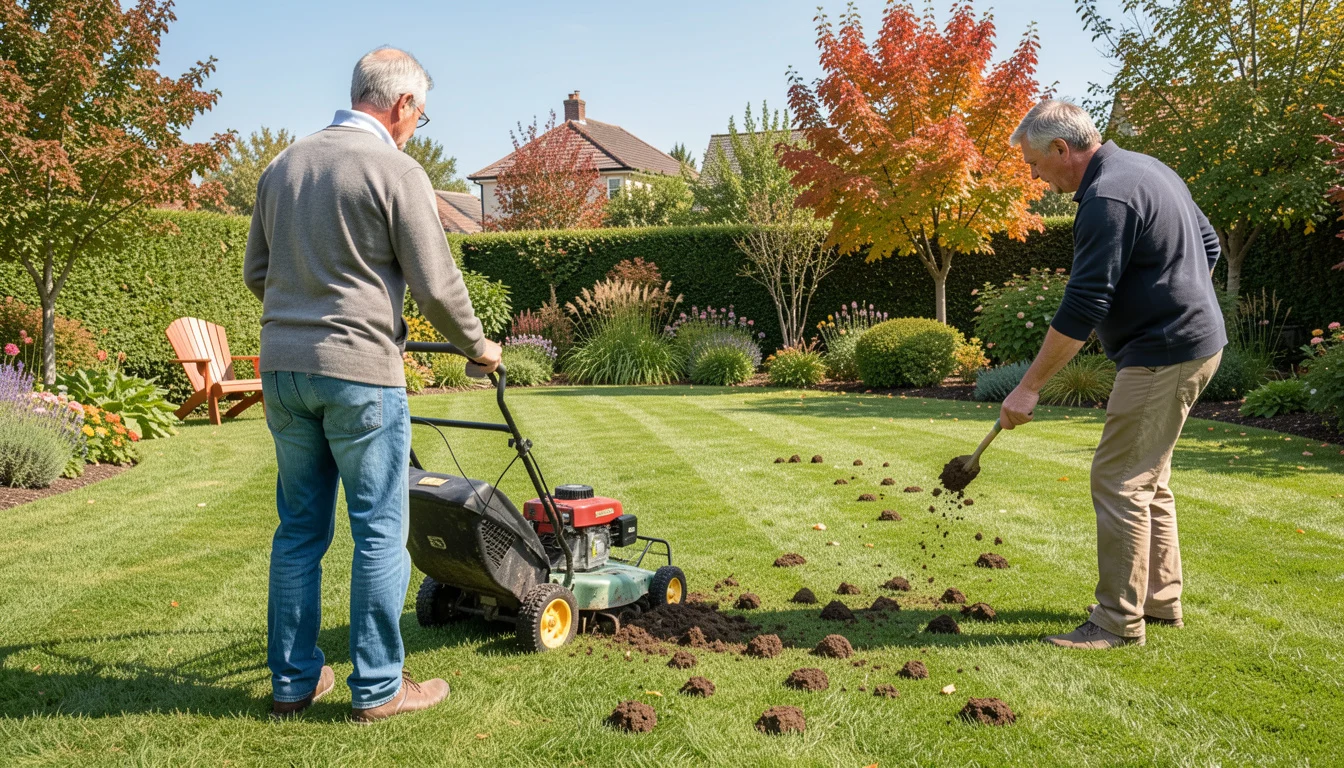 Core aeration encourages deeper lawn roots
A lawn can stay thin and puddle-prone even when it gets enough water and fertilizer; compacted soil may be blocking air, water, and roots. The best time to aerate depends on your grass type: aerate cool-season turf in early fall or spring, and warm-season turf in late spring or early summer. In either case, work while the grass is actively growing and the soil is moist, not saturated.
Aeration removes or opens compacted soil so roots can access more air and water. For most lawns that truly need it, a core aerator that pulls out small soil plugs is the most useful choice.
When to Aerate a Lawn: Timing by Grass Type
Aerate a lawn during active growth, choosing the season when the grass can recover quickly: early fall or spring for cool-season grasses, and late spring or early summer for warm-season grasses. The right window shifts with local weather, so use growth and soil conditions—not a fixed calendar date—as your final guide.
Grass type Common examples Typical timing Cool-season Kentucky bluegrass, perennial ryegrass, tall fescue Early fall is often preferred; spring can work while the lawn is growing. Warm-season Bermudagrass, zoysiagrass, St. Augustinegrass Late spring to early summer, after green-up and during active growth.
Fall is often a strong window for cool-season lawns because the grass can recover in mild weather, but it is not a universal rule. In a region with a short fall growing season, spring may be the safer choice. The University of Minnesota Extension’s lawn care guidance discusses timing and practices for northern lawns; local extension recommendations can help refine the window for your area.
How to Choose the Right Timing for Your Region
Grass type sets the broad season; local temperatures and growth determine the workable days. Wait until the lawn is growing and has recovered from winter dormancy or summer stress. Then check the soil: it should be moist enough for the tines to penetrate, but firm enough that equipment will not sink or smear the surface.
How Early is Too Early to Aerate a Lawn?
It is too early when the ground is still frozen, the grass is dormant, or the turf has not started active growth. In spring, wait until the lawn has greened up and is growing; aerating cold, inactive turf can leave open holes without giving the grass a good chance to recover.
Do not aerate during a heat wave, drought stress, or after heavy rain when the soil is waterlogged. Wet clay can smear along the tines and compact around the holes, which defeats the purpose. If the ground is too hard to penetrate, water lightly a day or two ahead, then check that the surface is no longer soggy.
“What month can you aerate your lawn?” depends on your region and grass. September may suit a cool-season lawn in one area, while a different climate calls for spring; warm-season turf generally needs to be fully green and growing before aeration.
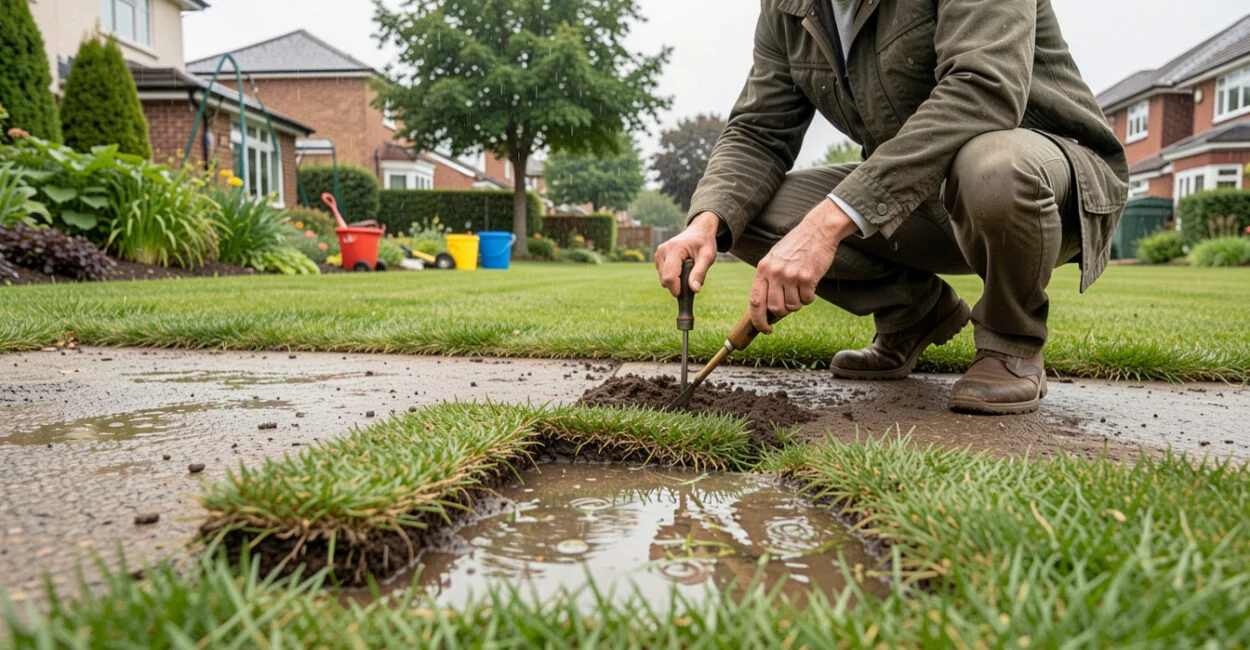
Signs Your Lawn Needs Aeration
Look for several signs together before renting equipment or hiring a service. A single puddle may point to a grading or drainage problem rather than compaction across the lawn.
How Can You Tell If Your Lawn Needs Aeration?
Check for water that runs off or lingers, shallow roots, and soil that resists a simple probe. A screwdriver pushed into moist ground should enter more easily than it does in dry soil; if it meets strong resistance in multiple lawn areas, compaction may be part of the problem.
- Water pools or runs off instead of soaking in, despite no obvious slope or blocked drain.
- Grass thins in high-traffic areas, such as paths between a door and a gate.
- Roots appear shallow when you lift a small section of turf.
- The soil feels hard when moist, and a hand trowel or screwdriver is difficult to push in.
- The lawn struggles despite appropriate watering and mowing, especially where vehicles or repeated foot traffic cross it.
Compaction is common in clay soils and in places that receive repeated pressure. If runoff is concentrated near a roof downspout, consider addressing the water source too; a rain garden for roof runoff may help manage water that would otherwise cross the lawn.
How Often to Aerate and Which Lawns Benefit Most
There is no requirement to aerate every lawn annually. How often you should aerate depends on how quickly the soil compacts, how much traffic the turf receives, and whether drainage or root growth shows persistent problems.
Clay soil, play areas, and frequently walked routes may need attention more often than a low-traffic lawn on well-structured soil. Sandy soil typically drains more readily and may need less frequent aeration, though heavy traffic can still compact it. Reassess the lawn each growing season rather than following a standing annual appointment.
Before treating a broad area, identify the cause of poor growth. Aeration will not correct a drainage issue caused by a low spot, a downspout, or an impermeable layer beneath the topsoil. If runoff is also eroding a slope, stabilizing the soil with suitable groundcovers for slopes may address a different part of the problem.
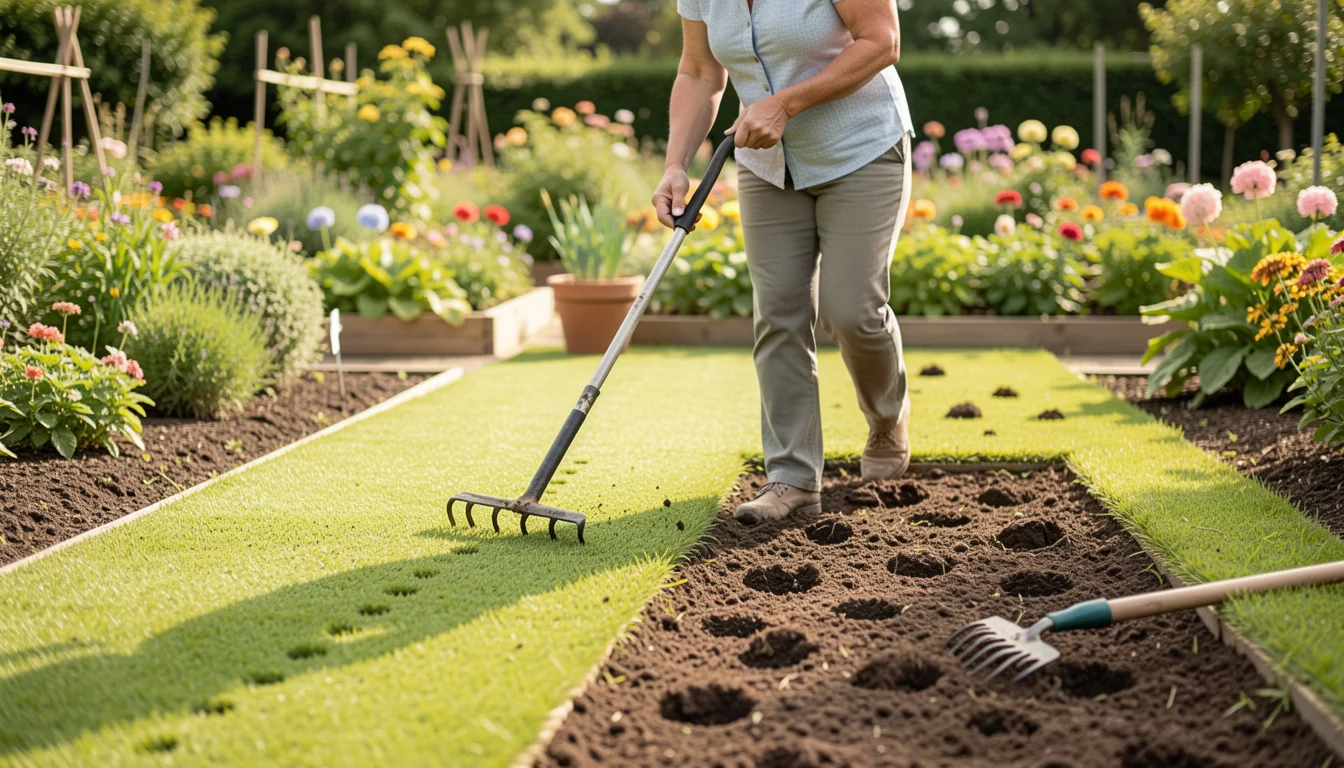
Core Aeration Vs. Spike Aeration
Core aeration removes narrow plugs of soil; spike aeration presses solid tines into the ground. They are not interchangeable: core aeration relieves compaction more effectively because it removes soil, while spikes can press soil sideways and increase compaction around each hole, particularly in clay.
Method What it does Best fit Core aerator Pulls out small plugs of soil Compacted lawns that need meaningful relief Spike aerator Pokes holes without removing soil Light surface opening where compaction is not severe
A core aerator tool can be a walk-behind machine, a tow-behind attachment, or a manual tool with hollow tines. Hand tools work for small patches, but they take effort and are difficult to use consistently across a large lawn. Clemson Cooperative Extension’s guidance on aerating lawns also emphasizes matching the method to the turf and timing treatment for active growth.
A common mistake is making one shallow pass over bone-dry soil and expecting it to fix compaction. The tines may barely enter, leaving shallow holes; moisten the soil beforehand and make enough passes to cover the affected area, especially where traffic is concentrated.
How to Aerate a Lawn and What to Do Afterward
For a typical compacted lawn, use a core aerator when the soil is moist and the grass is actively growing. Mark irrigation heads, shallow utility lines, and other obstacles before operating powered equipment.
- Mow the lawn at its normal height and clear leaves, toys, and debris.
- If the ground is dry, water lightly a day or two ahead. Avoid working when footprints fill with water or the machine leaves deep ruts.
- Make overlapping passes over compacted areas. A second pass at a different angle can improve coverage where compaction is heavy.
- Leave the soil plugs on the surface to break down with mowing and weather, unless local guidance or a specific turf issue calls for another approach.
- Water as needed while the grass recovers, following the lawn’s usual schedule rather than keeping the soil constantly wet.
If you plan to overseed, aerate first so seed can reach the soil through the holes and openings. The best time to aerate and overseed is when both the existing grass and the chosen seed can establish in that season; this often aligns with early fall for cool-season lawns. Warm-season lawns are generally overseeded during their active growing period only when the grass and seed type are suited to that plan.
Apply fertilizer only if it fits your soil-test results and local recommendations. Aeration itself does not call for an automatic fertilizer application. If thatch—a dense layer of dead stems and roots above the soil—is thick enough to impede water movement, dethatch before aerating so the tines can reach the soil. For a thin, normal thatch layer, extra dethatching may not be needed.
DIY, Rental, or Professional Lawn Aeration
Choose a hand tool for a small patch, a rental machine for a larger lawn you can safely manage, or a professional service if the ground is extensive, very compacted, sloped, or difficult to access. A lawn aerator rental is usually priced according to factors such as machine type, rental period, and location; service quotes can also vary with lawn size, access, and whether overseeding is included.
When comparing lawn aeration near me prices or an aeration and seeding service, ask what equipment will be used, whether the machine extracts cores, how many passes are included, and whether cleanup or seed is part of the quote. “Aerate lawn tools” searches can help locate equipment, but check tine type and operating instructions before choosing a machine. A heavy aerator can be awkward to load and turn, so rental is not always the easiest option for a small or enclosed yard.
In a simple example, a compacted strip beside a gate may be manageable with a manual hollow-tine tool, while a large, uniformly compacted backyard may justify a powered core aerator. A professional assessment makes more sense when waterlogging persists after aeration or the cause appears to be grading, buried debris, or a restrictive soil layer; aeration alone will not fix those conditions.
Frequently Asked Questions
Should I Overseed Every Time I Aerate?
No. Overseed when the lawn has thin or bare areas and the grass type can establish from seed in the current season. A dense lawn with no gaps may need aeration without additional seed.
Can I Mow Right After Core Aeration?
Yes, if the lawn needs mowing and the ground is firm enough to support the mower without rutting. Leaving the soil plugs in place lets them break down naturally.
Will Aeration Fix Standing Water?
It may improve infiltration when compaction is the cause, but it will not correct every drainage problem. Persistent ponding can result from grading, a high water table, or a restrictive layer below the surface.
Can I Aerate a Newly Seeded Lawn?
Wait until the new grass is established enough to tolerate foot traffic and equipment. The exact wait depends on the seed, weather, and growth, so avoid aerating seedlings that are still fragile or poorly rooted.