Warning: Cannot modify header information - headers already sent in /home/u278635817/domains/myhousegarden.com/public_html/wp-content/plugins/artigosgpt/artigosgpt.php on line 28454
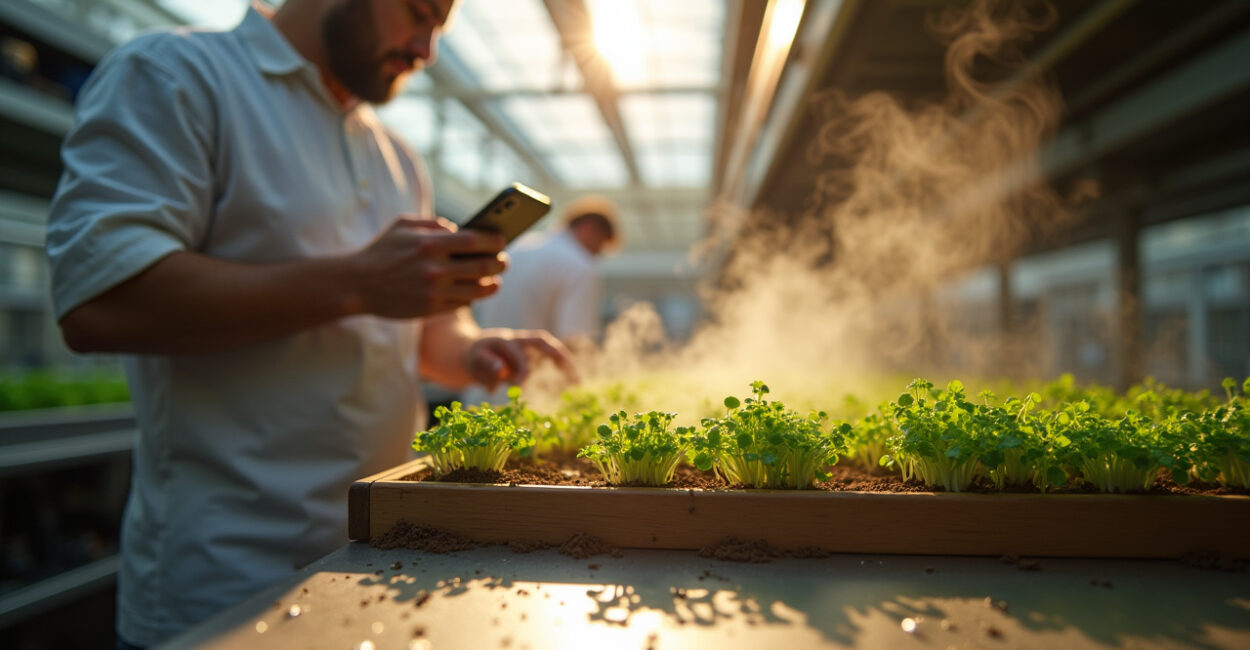
Steam rising from a crate of microgreens at noon and a phone call from a chef at 6 p.m. saying “these look tired” — that scene can haunt any grower. Postharvest handling decides if those greens arrive like a star or like yesterday’s afterthought. The right move in the first hour after harvest can double shelf life and make chefs smile instead of groan.
The One-hour Rule That Changes Everything
Temperature in the first hour is the single biggest factor in postharvest handling for microgreens. Cut, cool, and sort within 60 minutes. If you delay, respiration and moisture loss ramp up fast. Think of it like cooling a hot engine: let heat out quickly and the machine runs longer. Harvest into shallow trays, move them to a shaded prep area, then blast-cool. This routine alone often extends usable life by 24–48 hours compared to slow handling.
How to Clean Without Bruising: Gentle Hygiene Tactics
Cleaning microgreens is not about scrubbing; it’s about careful hygiene. Postharvest handling here means removing soil and debris while keeping leaves intact. Use soft brushes, gentle air blows, or brief cold-water misting. Avoid soaking — excess water invites rot. Sanitation of surfaces and tools prevents cross-contamination and preserves crop appearance. Rotate sanitizers: a dilute chlorine rinse one day, peracetic acid the next for tough biofilms. Label concentrations and contact times — small discipline, big payback.

Packing That Makes Chefs Unbox a Smile
Packing is presentation and preservation. Use shallow, breathable trays with a thin layer of absorbent material to wick excess moisture. Postharvest handling means choosing packaging that controls humidity but allows gas exchange. Modified atmosphere packaging works for some varieties; perforated clamshells often win for delicate mixes. Packaging is your last chance to influence how the product looks on delivery. Include clear labels with harvest and best-by times — chefs trust transparent info more than shiny branding.
Cooling Strategies That Cut Waste — Comparison You Didn’t Expect
Not all cooling is equal. Quick comparison: room-air cooling vs. forced-air cooling vs. hydrocooling. Room-air may be cheap but gives inconsistent results. Hydrocooling cools fast but risks waterlogging. Forced-air cooling is the best balance for microgreens in most small-to-medium operations. It cools evenly, reduces condensation, and lowers respiration. In one test, forced-air kept visual quality two days longer than room-air. That’s margin and less waste.
| Method | Speed | Risk |
|---|---|---|
| Room-air | Slow | Uneven cooling |
| Forced-air | Fast | Low |
| Hydrocooling | Fastest | Wetting/rot |

Transit Practices Chefs Notice on Arrival
Transport is where postharvest handling either shines or fails. Keep loads cool and vibration low. Use insulated crates, pallet-level temp monitors, and shock-absorbing liners. Deliver in small batches when possible. Chefs notice not just temperature, but leaf position and moisture — a flattened clamshell says “rough trip.” Communication matters: tell the chef the harvest time and storage advice; it changes how they use the product and reduces waste in their kitchen.
Common Mistakes That Quietly Kill Shelf Life (and How to Avoid Them)
People repeat the same avoidable errors in postharvest handling. Here are the biggest offenders and simple fixes:
- Harvesting wet in the morning — harvest later or dry first.
- Piling trays — use single layers or ventilated stacking.
- Using the wrong sanitizer concentration — follow labels and measure.
- Poor packaging that traps moisture — switch to breathable options.
- Ignoring transit vibration — add cushioning and route planning.
Fix these five and you’ll see immediate gains in shelf life and presentation.
A Mini-win Story: Small Change, Big Chef Reaction
We sent a dozen basil microgreen clamshells to a restaurant. The supplier switched from soak-cooling to a 20-minute forced-air cool and added a simple moisture pad. The chef texted: “These are crisp and aromatic — someone finally got it.” Two things changed: appearance and aroma retention. The chef ordered twice the next week. That quick change in postharvest handling cost a few minutes and a few cents but paid back in reputation and repeat orders.
Postharvest handling isn’t glamorous. But done right, it’s the difference between waste and a six-star plate. Treat the minutes after harvest like money in the bank.
For practical standards and guidelines on food safety and cooling practices, see the USDA’s cold chain resources and this university extension page on postharvest handling for leafy greens. They give solid, research-backed practices you can adapt to microgreens.
Ready to change one habit this week? Pick the cooling tweak. The results come fast, and chefs notice first.
How Quickly Should I Cool Microgreens After Harvest?
The ideal is within one hour. Rapid cooling slows respiration and bacterial growth. Target a core temperature near 32°F–34°F (0°C–1°C) for most salad-type microgreens; delicate herbs may prefer slightly warmer temps. Use forced-air cooling when possible to avoid uneven temperatures. If forced-air isn’t available, move harvested trays to a shaded, well-ventilated room and get them into refrigerated storage as soon as you can. The first sixty minutes are the window that most affects shelf life.
Can I Wash Microgreens Before Packing Without Causing Rot?
Yes — but gently and with controls. Avoid soaking; use a light cold-water mist or brief dunk followed by fast draining. Sanitize tools and use clean water. After washing, dry quickly with forced-air or spin-drying adapted for small trays. Excess moisture left in packaging is the main cause of rot, so pair washing with absorbent pads or breathable packaging. Always test a small batch to see how a variety responds before scaling the wash step.
What Packaging Works Best for Presentation and Shelf Life?
Breathable containers that limit moisture build-up are the best choice. Perforated clamshells, shallow trays with lids, or films with controlled permeability work well. Include a thin absorbent pad when moisture is likely. For longer runs, consider modified atmosphere packaging tailored to the crop. Clear labeling with harvest date and handling instructions improves trust with chefs. The goal is to balance humidity control with gas exchange so leaves stay turgid and visually appealing at delivery.
Which Sanitation Methods Are Safe and Effective for Small Operations?
Start with a validated sanitizer and correct contact times. Chlorine at recommended concentrations is effective for general sanitation; peracetic acid and hydrogen peroxide alternatives work for tougher biofilms. Clean surfaces and tools before sanitizing to remove organic load. Rotate sanitizers occasionally to prevent resistant residues. Keep records of concentrations and contact times. For confidence, consult extension service protocols to match sanitizer choice to your crop and facility size.
How Can I Reduce Damage During Transit for Local Deliveries?
Stacking, vibration, and temperature spikes are the main culprits. Use insulated crates, layer trays with cushioning, and avoid tight packing that crushes leaves. Plan routes to minimize stops and keep delivery windows short. Temp loggers in pallets help you spot problem legs in the chain. For very short runs, consider insulated bags with ice packs placed to avoid direct contact with greens. Clear communication with drivers about handling reduces rough treatment and keeps presentation intact.