
Warning: Cannot modify header information - headers already sent in /home/u278635817/domains/myhousegarden.com/public_html/wp-content/plugins/artigosgpt/artigosgpt.php on line 28454
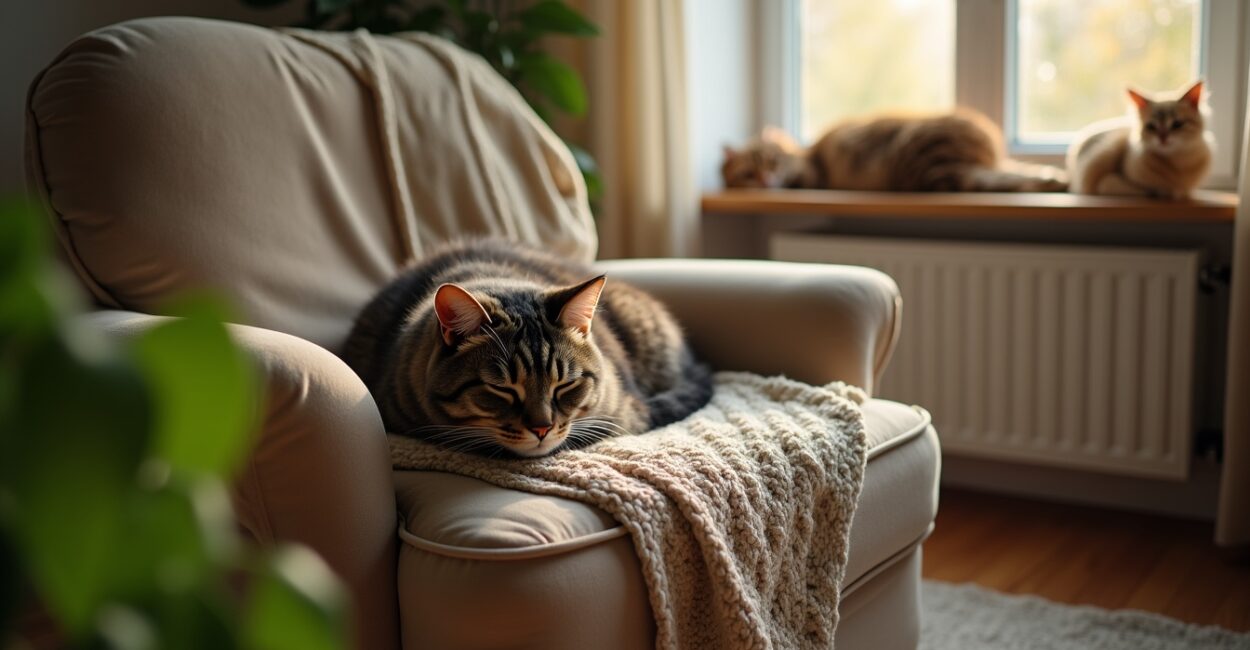
They used to be the quiet ones in the corner—now senior cats are the reason people are rethinking how to bring a new feline into a busy home. In living rooms and Instagram reels alike, older cats are changing the rules: slow introductions, protected spots, and unexpected peacemaking tricks are popping up in multi-cat households. If you care for a senior cat, one change in routine can stop nights of yowling and save a bond that took years to build.
Why Senior Cats Are Suddenly the Priority in Multi-cat Homes
Something shifted: owners are putting the oldest cat first—and for good reasons. Older cats often have less tolerance for chaos, slower recovery from stress, and health needs that younger cats don’t show. Prioritizing a senior cat isn’t pampering—it’s damage control for relationships and health. The consequence? People delay full introductions, use more guarded spaces, and accept that “first come, first served” no longer applies to favorite laps or warm beds.
The Surprising Calming Signals Senior Cats Give (and What They Actually Mean)
Senior cats use subtle cues—slow blinks, low tail swishes, moving to a higher shelf—that many owners misread. Those small signals are not passive; they’re a polite way of saying, “I need space.” When ignored, small signs escalate into hissing or redirected aggression. Learn to read these micro-expressions and you’ll avoid eight out of ten disputes before they start.
The Introduction Protocol That Respects a Senior Cat’s Needs
Forget the one-day door opening. A staged, respectful introduction can take weeks but it prevents months of stress. Start with scent swapping, then short supervised visits with escape ramps and single-entry litter boxes. Think like a diplomat: slow, neutral zones, and guaranteed retreats for the senior cat.
- Swap bedding and toys before any face-to-face contact
- Use baby gates or screen doors for visual but controlled exposure
- Schedule feeding times to create positive associations
Quick Fixes That Immediately Reduce Fights (do These Tonight)
When a spat breaks out, three things calm the room: separation, scent rebalancing, and distraction. Put the newcomer in a quiet room with food and litter, rub both cats with the same blanket, and then divert attention with a high-value toy or treat. Within minutes, you’ve turned an explosive moment into a recoverable one. These quick actions prevent escalation and let you reset the introduction plan without trauma.
Common Mistakes Owners Make with Senior Cats (and What to Avoid)
Owners often think senior cats will “adapt” if forced. That’s the top mistake. Others include: changing the older cat’s routine, ignoring medical pain signs that cause irritability, and overcrowding preferred resting spots. What to avoid:
- Forcing contact before both cats show comfortable body language
- Moving the senior cat’s food or litter without gradual transition
- Assuming dental pain or arthritis isn’t affecting behavior
A Comparison That Changes Everything: Expectation Vs. Reality in Multi-cat Homes
Expectation: bring in a playful kitten, everyone bonds, problem solved. Reality: kittens may trigger older cats’ stress loops and territory signaling, producing chronic tension. Think of it like roommates—one is recovering from a major surgery (physically and emotionally), the other bursts in like a party guest. The reality is fixable, but only if you change expectations: slow the pace, create protected zones, and treat the senior cat’s comfort as nonnegotiable.
Small Investments That Pay Off: Products and Habits That Calm Senior Cats
You don’t need luxury gadgets; you need targeted solutions. Elevated beds with soft support, low-sided litter boxes, pheromone diffusers, and timed feeders are practical upgrades. Routine matters more than any product—consistent feeding, predictable human schedules, and quiet hours in the evening. Spend on one ergonomic bed and a pheromone diffuser before buying a dozen toys—your senior cat will thank you with less anxiety and fewer flare-ups.
Owners are learning a simple truth: older cats are not a burden, they’re a stabilizing force—if you let them be. Rethink introductions, honor the senior’s space, and you’ll transform tension into quiet coexistence. The next time you see a calm senior cat surveying a room full of younger felines, know there’s a strategy behind that serenity.
How Long Should I Take to Introduce a New Cat to My Senior Cat?
There’s no fixed timeline; good introductions prioritize comfort over speed. Start with scent swapping and closed-door visual contact for several days, then allow brief supervised interactions that grow gradually. Expect the process to take anywhere from two weeks to several months depending on personalities, health, and past history. Rushing increases stress and the risk of fights, while a slow pace builds trust. If progress stalls or aggression appears, pause and consider a vet-check or behaviorist consultation to rule out pain or medical triggers.
What Signs Indicate My Senior Cat is Stressed or in Pain?
Stress and pain in older cats can look subtle: reduced grooming, hiding, decreased appetite, sudden irritability, changes in sleep, or decreased mobility. These behaviors often get dismissed as “old age,” but they’re communication. If your senior cat lashes out or avoids favorite spots, check for dental issues, arthritis, or sensory decline. Early veterinary assessment helps—treatable conditions often reduce aggression and restore calm. Observing small shifts in routine and reacting early prevents chronic stress and keeps multi-cat dynamics healthier for everyone.
Are Pheromone Diffusers Effective for Easing Senior Cat Tensions?
Pheromone diffusers can help by creating a consistent background cue of safety that many cats respond to, reducing anxious behaviors and territorial signaling. They’re not a cure-all but work best combined with environmental changes: safe perches, predictable routines, and careful introductions. Some cats show marked improvement within days, others take weeks. Always pair diffusers with behavioral adjustments and medical checks; when used as part of a broader strategy, pheromones often lower the volume of conflicts and speed recovery after minor disputes.
What Immediate Steps Should I Take After a Fight Breaks Out?
First, keep yourself safe and avoid intervening directly with hands. Use a loud noise, a blanket, or a water spray to safely separate them, then place each cat in a separate room with food, water, and a litter box. Rebalance scents by rubbing both with the same towel and swap their bedding after a few hours. Allow cooling-off time before any reintroduction attempts and observe for injuries. If either cat shows signs of trauma or persistent aggression, consult your veterinarian to rule out pain or medical causes.
When Should I Call a Behaviorist or Veterinarian About My Senior Cat’s Behavior?
Call a professional if aggression appears suddenly, if your senior cat shows signs of pain, or if interventions fail after several weeks. Veterinary input rules out medical triggers like hyperthyroidism, dental disease, or arthritis that cause irritability. A certified behaviorist helps design gradual plans for introductions, environmental management, and owner training. Early intervention prevents entrenched behavior patterns. If fights recur, sleep and appetite change, or the senior cat withdraws, getting expert advice quickly protects health and preserves harmony in your multi-cat home.
Sources: For medical and behavior guidance, see ASPCA resources and behavior studies from Cornell University.