
Warning: Cannot modify header information - headers already sent in /home/u278635817/domains/myhousegarden.com/public_html/wp-content/plugins/artigosgpt/artigosgpt.php on line 28454
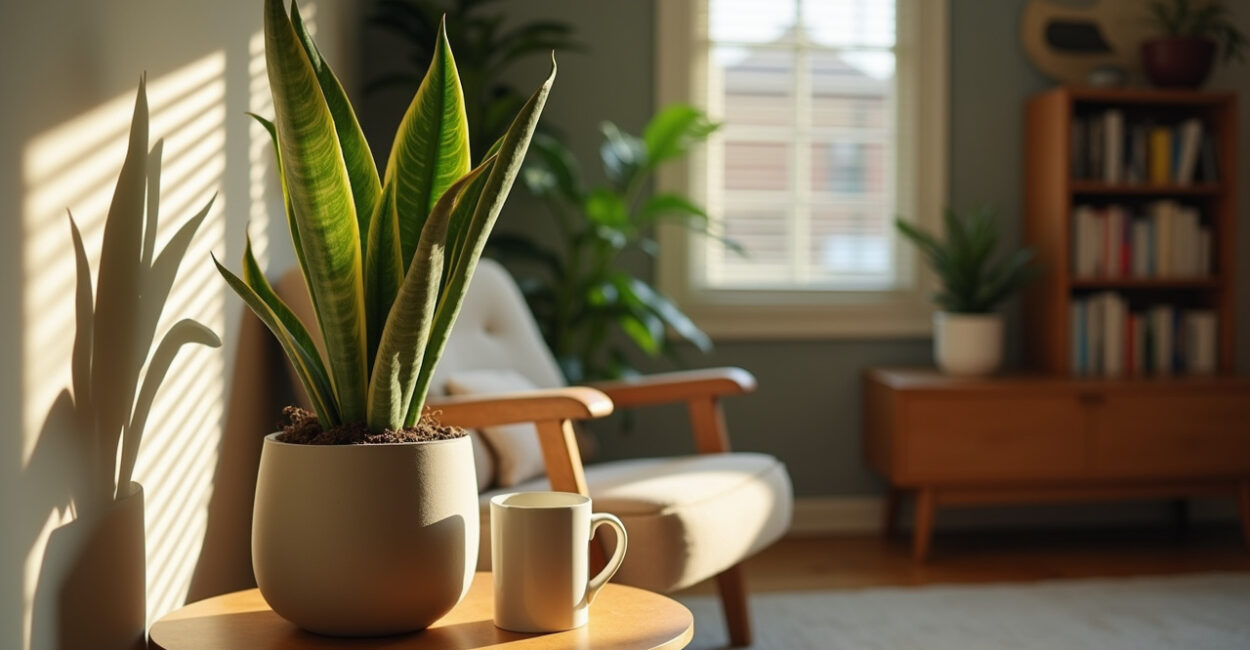
Sunlight slants through the blinds. A tall, striped leaf brushes a mug on the table and you realize the plant in the corner is doing more than decorating. The snake plant is quietly scrubbing the air, surviving neglect, and asking almost nothing in return. If you want cleaner indoor air with near-zero effort, this is the plant that earns its keep.
Why the Snake Plant Actually Cleans Your Air (more Than You Think)
Snake plant removes common indoor toxins like formaldehyde and benzene. Studies show certain houseplants can reduce volatile organic compounds, and snake plant is often near the top of those lists because of its tough leaves and steady respiration at night. Put one in a bedroom and it helps—especially in rooms with new paint, carpets, or furniture.
It’s not magic; it’s simple biology. The plant stores and metabolizes some pollutants, and its waxy leaves trap dust. That combination makes a real, measurable difference in many small spaces.
Low-maintenance Superstar: What Makes Snake Plant So Forgiving
Most people kill plants by overwatering. Snake plant tolerates drought and poor light better than almost any common houseplant. If you’re forgetful, this is your plant. It stores water in its thick leaves, so weeks between waterings is fine in many homes.
- Water every 3–6 weeks in winter, 2–4 weeks in active growth.
- Use a pot with drainage; soggy roots rot fast.
- It tolerates low light but grows faster in bright, indirect light.

The Ideal Spots in Your Home for a Snake Plant
Snake plant thrives where other plants fail. Place it in a hallway, bathroom with indirect light, bedroom, or near a window with filtered sun. Think vertical corners and narrow entryways. It fits small spaces and improves air where people spend most time.
Try it near your home office. Cleaner air and a vertical silhouette that won’t crowd the desk are a surprisingly powerful combo for focus.
Watering and Light: A Simple Routine Anyone Can Follow
Keep the routine so easy you won’t forget. Light: bright, indirect is best; low light is acceptable. Water: soak then let soil dry out completely. Less is more—especially in winter.
- Bright room: water every 2–4 weeks.
- Low light: water every 4–8 weeks.
- Use well-draining mix—cactus soil works well.

Troubleshooting: Quick Fixes for Common Snake Plant Problems
Brown edges, soft bases, or floppy leaves each tell a different story. Overwatering shows as soft, mushy stems. Too little light yields pale, stretched leaves. Diagnosis is usually simple: check soil and light first.
- Soft base = remove, repot, reduce watering.
- Yellowing = too much water or poor drainage.
- Leggy growth = move to brighter spot or rotate pot.
What to Avoid: The Most Common Mistakes People Make
People love their snake plants to death—literally—by pampering them. The top mistakes are predictable. Don’t overwater, don’t trap the plant in a sealed terrarium, and don’t assume it needs constant sun.
- Avoid heavy, water-retaining soil.
- Don’t place in a saucer full of water.
- Resist the urge to fertilize weekly; light feeding in spring is enough.
Comparison: Expected Houseplant Vs. Reality with a Snake Plant
Expectation: You buy a trendy tropical, spend time fussing with humidity, and it still looks sad after two months. Reality with a snake plant: you water rarely, it stands tall, and your room’s air gets better. The snake plant wins where effort and payoff are measured.
A quick comparison:
| Plant | Care level | Air benefit |
|---|---|---|
| Tropical fern | High (humidity, water) | Good in humid rooms |
| Snake plant | Low (infrequent water) | Good for VOC reduction |
For readers who want the science: the EPA discusses indoor air quality basics and why source control matters, and university studies have tested VOC reduction by houseplants in chamber trials. See practical guidance from the EPA and research summaries from university horticulture departments for deeper reading.
According to the U.S. Environmental Protection Agency, source control and ventilation are top priorities for indoor air quality; plants can complement but not replace those measures. For experimental data on plants and volatile compounds, see resources from university horticulture programs like those at UC Davis.
EPA on indoor air quality and University of California Agriculture & Natural Resources offer useful, research-backed guidance.
One small act—placing a resilient snake plant in the right spot—can lower toxins and add calm to your space. It won’t fix every air issue, but it’s the least-demanding step with measurable upside. Try one where you spend the most time and watch the quiet returns.
How Often Should I Water My Snake Plant?
Water sparingly: in active growth, about every 2–4 weeks; in winter, every 4–8 weeks. Always let the top 1–2 inches of soil dry before watering. Use a pot with drainage and avoid saucers full of water. If leaves feel soft or soggy, cut back watering and check roots for rot; hollow, brown roots indicate overwatering. When in doubt, wait—the snake plant tolerates drought far better than wet feet.
Where is the Best Place to Put a Snake Plant in My Home?
Choose bright, indirect light for optimal growth, but low-light spots are fine. Bedrooms, hallways, and offices are excellent because the plant is vertical and compact. Avoid direct afternoon sun on thin leaves, which can scorch them. Bathrooms with a window work surprisingly well. Rotate the pot occasionally so growth stays even and the plant leans toward light more slowly.
Can a Snake Plant Improve Air Quality Enough to Matter?
Snake plants can reduce certain volatile organic compounds and trap dust, offering real benefits in small rooms. They are not a replacement for ventilation or removing pollutant sources, but they complement other measures. In tight spaces or newly renovated rooms, a snake plant helps reduce exposure to formaldehyde and benzene. For major air quality problems, follow EPA guidance on ventilation and source control along with using plants.
Why Are My Snake Plant Leaves Brown or Soft?
Brown or soft leaves usually point to overwatering, poor drainage, or root rot. Brown tips can also come from very low humidity or sudden cold drafts. Check the soil—if it’s soggy, let it dry and repot in fresh, well-draining mix. Trim away rotten sections with clean tools. If damage is widespread, divide healthy rhizomes and replant to save the rest.
How Do I Repot or Propagate a Snake Plant Safely?
Repot every 2–4 years or when crowded. Use a well-draining mix like cactus soil and a pot with drainage. To propagate, remove a healthy leaf or divide the root clump and plant cuttings in soil or water until roots form. Keep new plants in bright, indirect light and water sparingly until established. Clean cuts and healthy rhizomes ensure faster recovery and lower disease risk.