

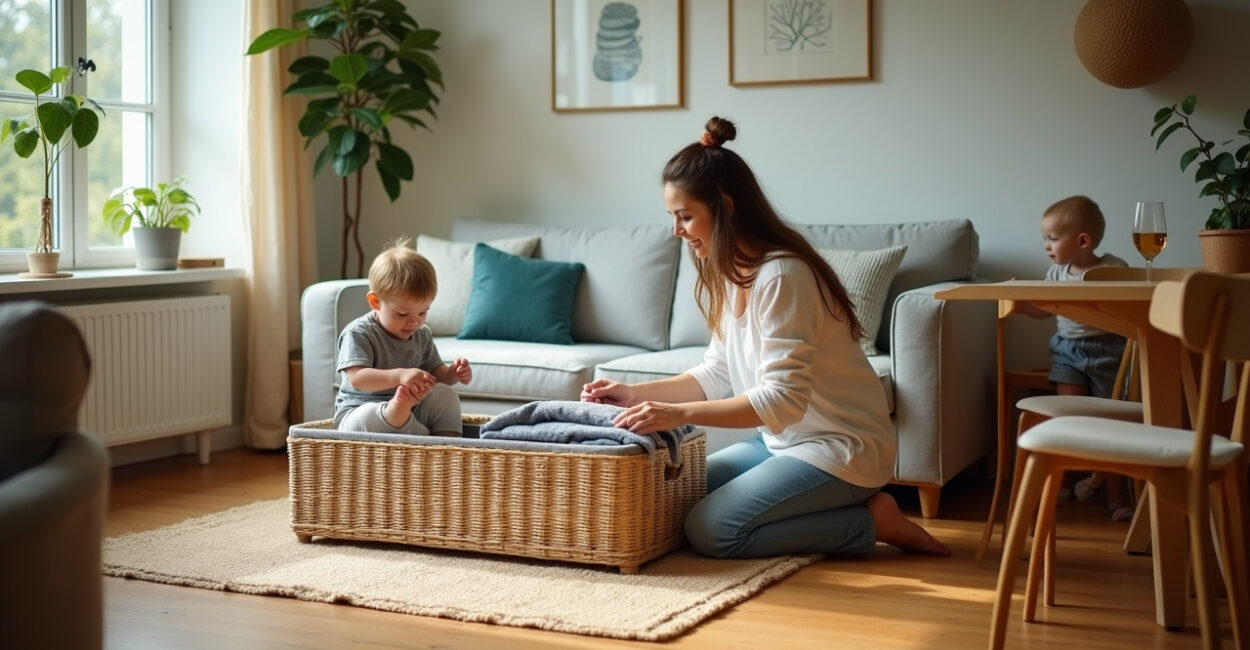
Multiuse furniture is essential for small family homes because it combines seating, storage, and sleep solutions without wasting space. It matters as families juggle toys, guests, and daily life in compact layouts, so choosing the right pieces saves time and money. Start by assessing your floor plan, traffic flow, and daily routines to prioritize pieces that serve multiple roles.
Small households face space constraints, clutter, and the need for flexible functionality. Multiuse furniture turns single-purpose items into workhorses—ottomans with bins, sofa beds with compartments, and dining benches that hide toys—helping families stay organized and comfortable. This article covers curated options, comparisons, buying tips, and maintenance advice for real-family utility.
Read on for practical picks, comparisons, and an actionable buying checklist that helps you choose multiuse furniture tailored to your home. We’ll examine design trade-offs, durability, and budget-friendly strategies so you can make space-saving buys with confidence.
Versatile Seating Solutions (multiuse Seating)
Convertible Ottomans as Seating and Storage
Convertible ottomans are a top multiuse seating option for families needing extra seats and hidden storage. Their compact footprint provides extra seating for kids and adults while concealing blankets, board games, or pet supplies. Choose foam with a sturdy frame to withstand daily use and spillage in active households.
Look for ottomans with removable lids and reinforced hinges to ensure long-term durability. Upholstery that resists stains—performance fabric or treated leatherette—keeps maintenance low. For functionality, select an ottoman sized to fit near a sofa or at the foot of a bed so it doubles as a coffee table when needed.
Ottomans can also integrate tray tops for stable surfaces or modular designs that stack for added storage. Prioritize capacity and safety—rounded edges, breathable liners, and a weight rating that accommodates adults. Proper selection maximizes the value of this small but mighty multiuse furniture piece.
Storage Benches That Seat and Stow
Storage benches are ideal for entryways, dining areas, and playrooms where seating and concealed storage are both required. They often feature lift-top seats or front drawers that hide shoes, toys, or seasonal items. Select solid wood or engineered options with reliable hardware for family use.
Bench height and cushion density impact comfort; choose a bench that complements dining table heights or fits under windows for cozy lounging. Removable cushions make cleaning easier after spills and crafts. A neutral finish and adaptable fabric keep the piece versatile across decor changes.
When planning placement, ensure the bench does not block doors or walking paths. Consider benches with divided compartments to separate shoes from toys or pet items, improving organization and longevity—key traits of effective multiuse furniture.
Modular Seating for Adaptable Layouts
Modular sofas and sectional pieces let families reconfigure seating for everyday life and special events. Individual modules can include storage compartments, sleeper options, or integrated side tables, combining multiple functions in one system. This flexibility is especially valuable in open-plan small homes.
Choose modules with matching hardware and standardized connectors to avoid sagging or misalignment over time. Look for pieces that allow future expansions—add a chaise, storage ottoman, or sleeper module when needs change. Durable fabrics and removable covers help maintain appearance despite heavy family use.
Modular seating is an investment in long-term adaptability; measure doorways and hallways before purchase since bulky modules may be hard to deliver. When selected thoughtfully, they serve as a cornerstone of multiuse furniture strategy in small family homes.
Storage-integrated Ottomans and Bins (hidden Storage Furniture)
Top-rated Ottomans with Internal Bins
- Lift-top ottoman with reinforced hinge and fabric lining
- Cedar-lined storage ottoman for odor control
- Ottoman with removable tray to convert into coffee table
- Modular cube ottoman set for flexible storage and seating
Ottomans with internal bins blend seating and discreet storage, reducing visible clutter. Families can store toys, throws, and seasonal items while keeping the living area tidy. Choose lightweight liners that are washable to protect contents and simplify cleaning.
Consider ottomans with dual compartments for shared spaces—each person can have a section for personal items. Pay attention to lid stability and child-safety features; soft-close lids prevent pinched fingers. A practical ottoman maximizes square footage by serving as seat, table, and storage simultaneously.
Match ottoman size to room scale—oversized storage ottomans overwhelm small rooms, while too-small units offer limited capacity. Properly chosen, they become a cornerstone in multiuse furniture planning and daily family routines.
Stackable Storage Bins as Modular Furniture
Stackable bins and cubes work as flexible multiuse storage and seating when topped with cushions. They’re ideal for playrooms because kids can rearrange units into benches or low tables. Durable plastic bins or fabric cubes with board reinforcement balance weight capacity and ease of handling.
Bins that fit into shelving systems create a tidy wall of stored items, while labeled fabric bins streamline toy rotation and cleanup routines. For mixed-use rooms, opt for neutral colors or coordinated patterns that integrate with your decor, making storage feel intentional rather than ad-hoc.
When using bins as seating, ensure the top is reinforced and supports adult weight. Anchoring stacked units to a wall prevents tipping, which is particularly important in family homes with active children and pets.
Built-in Benches with Pull-out Bins
Built-in window seating or dining benches with pull-out bins combine permanent furniture with clever storage for toys, linens, or pantry overflow. These integrated solutions maximize space efficiency and provide a polished, customized look for small family homes. Choose hardwood or plywood construction for longevity.
Design pull-outs with smooth glides and stops to prevent accidental removal; internal dividers create dedicated zones for different items. Upholstered tops add comfort for daily seating. Built-ins are an investment but provide unmatched storage density compared to standalone multiuse furniture.
Coordinate finishes with kitchen or living room cabinetry to create visual continuity. Properly designed built-ins reduce clutter, aid routines, and seamlessly integrate storage into everyday living spaces.
| Option | Best Use | Durability |
|---|---|---|
| Lift-top ottoman | Living room storage + table | High (metal hinge) |
| Stackable cubes | Playroom modular storage | Medium (fabric/plastic) |
| Built-in bench | Entryway/dining storage | Very high (wood) |
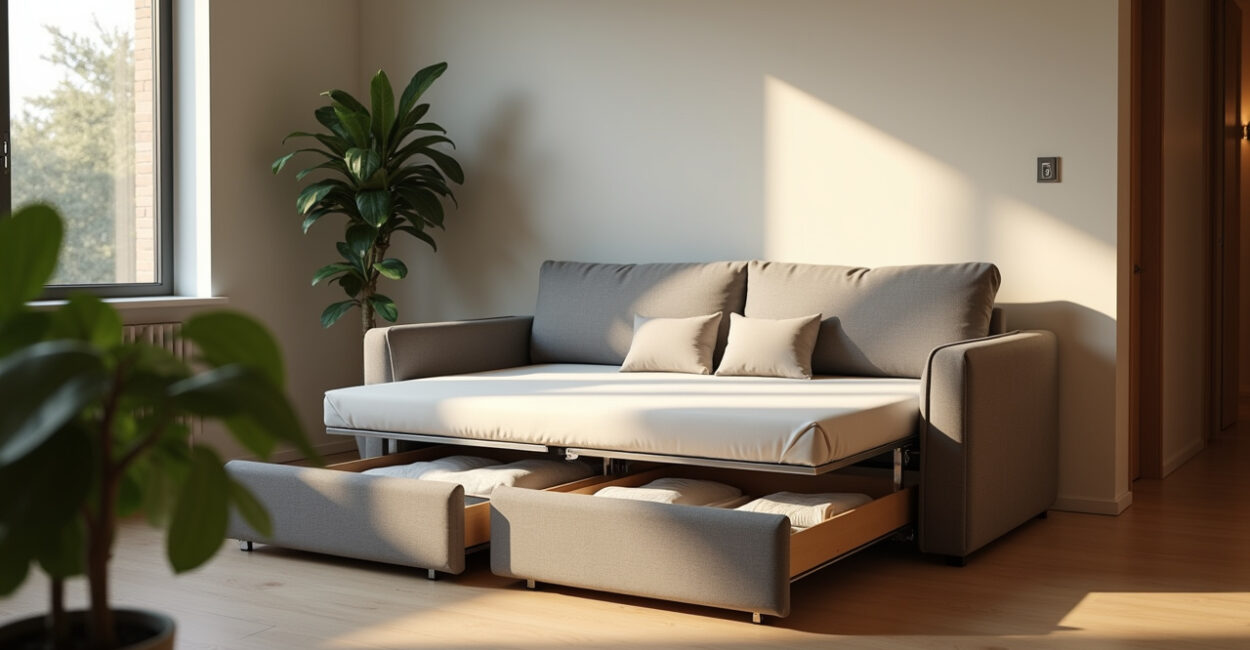
Sofa Beds with Compartments (sleep + Storage)
Sofa Sleepers with Integrated Drawers
Sofa sleepers that include drawers beneath the seating provide storage for bedding and linens, solving two problems at once. These hybrid pieces keep guest bedding close to the bed mechanism and free up closet space. Look for drawers on ball-bearing glides to resist jamming after frequent use.
Frame strength is crucial; metal mechanisms should be tested for smooth deployment. Consider memory foam or pocket-coil mattresses that fold without bulk for daily comfort. Upholstery with removable covers eases maintenance after spills or pet hair accumulation—important in family settings.
Sofa beds with compartments combine sleeping, seating, and storage in one footprint—ideal for multiuse furniture planning in small homes where guest space doubles as family space. Ensure your chosen model fits through doorways and deploys easily in tight rooms.
Pull-out Beds with Underframe Storage
Pull-out daybeds and trundle units often include underframe storage that tucks away seasonal clothes or toys. These pieces are perfect for children’s rooms or guest rooms that function as home offices. Choose reinforced frames and slat systems that support regular use without sagging.
Trundles on casters make deployment effortless; look for lockable wheels to keep the bed in place. Mattress thickness and storage height must be balanced so the trundle still fits under the main bed when closed. Breathable storage solutions prevent mold and odors.
Underframe storage maximizes vertical space and keeps linens near beds, supporting efficient cleanup and quick guest prep. This kind of multiuse furniture is a practical option for families needing flexible sleeping arrangements.
Sectionals with Hidden Sleeper Modules
Some sectionals hide sleeper modules within the chaise or a detachable section, combining lounging, sleeping, and storage. These systems are excellent for living rooms that host overnight guests; they maintain daily aesthetics while offering a bed when needed. Verify mattress thickness and mechanism reliability.
Sectionals with hidden sleepers should have clear instructions for conversion and durable casters or sliders for smooth operation. Fabric resistance is key—select performance textiles that repel stains and withstand rough use. Reinforced frames help prevent creaks and extend lifespan.
When space is tight, a sectional with a hidden sleeper delivers maximum function with minimal visual disruption—an elegant example of multiuse furniture for family-focused living rooms.
Dining Furniture That Doubles as Storage (eat + Stow)
Dining Benches That Hide Toys and Supplies
- Lift-seat banquet bench for toy storage
- Benches with front drawers for placemats and utensils
- Built-in dining banquette with cubby storage
- Dual-purpose bench with cushioned top for comfort
- Stackable bench sets for flexible seating
Dining benches with hidden compartments are a smart multiuse furniture choice for families who eat, play, and craft at the table. They streamline cleanup by keeping toys and craft supplies within reach yet out of sight. Look for moisture-resistant interiors to protect stored items from food spills.
Bench depth should match table dimensions for comfortable seating; a bench that’s too deep reduces legroom. Padded tops increase comfort for long family meals. Incorporate labels or dividers inside to maintain organization—important when several family members access the same storage.
These benches also work in entryways or mudrooms to stash sports gear while providing quick seating. They’re versatile, economical, and reinforce the idea that multiuse furniture should simplify daily family flow.
Extendable Tables with Built-in Compartments
Extendable dining tables that include storage for leaves, placemats, or serving tools keep the room tidy and flexible for guests. Hidden compartments ensure expansion pieces are always accessible and preserved. Mechanisms should be tested for smooth operation and long-term tolerance to weight.
Consider tables with soft-close extensions and reinforced aprons to prevent racking over time. Balance tabletop material—wood for warmth, laminate for wipeability—depending on family habits. Storage compartments protect accessories and streamline table setup for large gatherings.
These tables are an investment in flexibility: everyday compactness combined with emergency capacity when hosting. As multiuse furniture, they reduce the need for separate storage furniture in dining areas.
Buffets and Sideboards with Multiuse Surfaces
Buffets and sideboards can store dinnerware, seasonal linens, and board games while providing a serving surface or homework station. Choose pieces with adjustable shelving and child-safe locks for family households. Solid construction extends life and resists daily wear.
Multiuse sideboards can double as media consoles or craft stations in open-plan homes—versatility that adds value in smaller footprints. Opt for finishes that resist stains and are easy to clean after messy family activities. Integrated cable management helps when used as a media surface.
When paired with storage benches or cabinets, buffets complete a cohesive multiuse furniture system that supports dining, play, and storage in one area—ideal for compact family living.
| Piece | Multiuse Benefit |
|---|---|
| Extendable table | Space-saving hosting + hidden leaf storage |
| Storage bench | Seating + toy/gear concealment |
| Buffet/sideboard | Service surface + organized storage |

Materials, Durability, and Family-proof Fabrics (long-lasting Multiuse)
Choosing Durable Frames and Springs
Frame material dictates longevity: kiln-dried hardwood or metal frames resist warping and support repeated use. Springs and suspension systems should be rated for daily seating by multiple family members. Request manufacturer load ratings and warranty details to avoid premature failure.
Inspect joint construction—dovetail joints and reinforced corner blocks outperform simple staples or glue. For modular pieces, strong connectors and standardized fasteners prevent loosening over time. These mechanical choices translate into lower long-term ownership costs.
When shopping, test the piece in person if possible by sitting, flipping cushions, and checking drawers. A well-built multiuse furniture item becomes an everyday asset rather than a maintenance headache.
Performance Fabrics and Easy-clean Finishes
Families benefit from performance fabrics—polyester blends, Crypton, or treated cottons—that resist stains and allow spot cleaning. Leather and faux leather are spill-resistant but may scratch; pick finishes compatible with your lifestyle. Removable cushion covers simplify laundering after art projects or snack time.
For wood and laminated surfaces, choose finishes with high abrasion resistance and moisture sealing to prevent swelling or discoloration. Matte finishes hide scratches better than glossy ones. Consider protective pads for high-contact areas and machine-washable slipcovers for active homes.
Maintaining materials appropriately—vacuuming, prompt stain treatment, and conditioning leather—extends life and keeps multiuse furniture looking fresh despite heavy family use.
Child-safe Features and Pet Considerations
Safety features are crucial for family-targeted multiuse furniture: rounded edges, soft-close lids, anchored shelving, and non-toxic finishes reduce hazards. Consider anti-tip straps for tall storage units and corner bumpers for active play areas. Labeling storage areas helps kids tidy responsibly.
Pets contribute to wear—select scratch-resistant fabrics and removable covers to simplify grooming and cleanup. Microfiber and high-density foams hold up to pet activity better than delicate upholstery. For households with shedding pets, darker fabrics and frequent vacuuming reduce visible hair buildup.
Designing with safety and pets in mind prevents accidents and reduces upkeep, ensuring multiuse furniture remains practical and resilient across family life stages.
Buying Strategy and Placement (smart Multiuse Choices)
Assessing Needs and Measuring Spaces
Start by listing daily activities—play, homework, meals, sleep—and map where clutter accumulates. Measure doorways, staircases, and room dimensions to ensure delivery and placement. Sketching a floor plan helps visualize multiuse furniture roles and traffic flow before purchase.
Prioritize pieces that solve multiple pain points: a storage bench for an entryway that doubles as seating, or a sofa bed that stores bedding. Use tape on the floor to approximate piece footprints and test walking paths. This reduces returns and ensures functional placement.
Budget for delivery and assembly if needed, and check return policies—especially for online purchases. Planning reduces mistakes and accelerates the transition to a more organized, comfortable home using multiuse furniture.
Prioritizing Purchases by Impact
Invest first in pieces that free up the most space—sleeper sofas for guest capacity, storage benches for clutter hotspots, and modular seating for adaptable layouts. High-impact buys improve daily routines; smaller items like ottomans or side tables can follow. Evaluate cost-per-function to maximize value.
Consider secondhand or refurbished options for expensive items; quality used sectionals or built-ins can be economical. However, inspect for damage, odor, and structural integrity before buying. Some retailers offer trade-in programs to offset costs sustainably.
Stagger purchases over time: start with a primary multiuse furniture piece, then add complementary items as needs evolve. This approach balances budget constraints with purposeful upgrades that support family life.
Styling to Blend Form and Function
Choose neutral palettes and timeless silhouettes to keep multiuse furniture visually flexible. Accent pillows, slipcovers, and rugs can refresh style without replacing major pieces. Balance aesthetics with functionality—performance fabrics and durable frames need not look utilitarian.
Integrate storage visually by matching finishes and hardware across pieces to create cohesion. Use baskets and labeled bins inside compartments to maintain a curated look. Lighting and wall art around multiuse furniture help it read as intentional design rather than ad-hoc storage.
Thoughtful styling makes multiuse furniture feel like part of the home’s design language, encouraging consistent use and upkeep while supporting the practical needs of a small family.
Maintenance, Care, and Longevity (preserving Multiuse Furniture)
Cleaning Routines and Stain Removal
Establish quick daily habits: fluff cushions, clear surfaces, and spot-clean spills immediately. For fabric spills, blot (don’t rub) and follow manufacturer cleaning codes; many fabrics tolerate mild detergent or upholstery cleaners. For wood, use damp cloths and avoid harsh chemicals that strip finishes.
Machine-washable cushion covers should be laundered on gentle cycles and air-dried to prevent shrinkage. Vacuum crevices weekly to remove crumbs and dirt that accelerate wear. Periodic deep cleaning extends the life of your multiuse furniture and keeps it hygienic for family use.
Keep a small toolkit for tightening screws and lubricating drawer slides; preventive maintenance prevents minor issues from becoming irreparable. A little attention goes a long way toward preserving both function and appearance.
Repair Tips and Warranty Considerations
Address squeaks, loose legs, or drawer misalignment early—tighten hardware and reinforce weak joints with brackets or glue as appropriate. For broken mechanisms in sofa beds or ottoman hinges, contact manufacturers for replacement parts to maintain safety and functionality. Document warranties and registration receipts for claims.
Extended warranties may be worthwhile for high-use multiuse furniture, especially sleepers and modular systems. Check what the warranty covers—mechanisms, frames, or cushions—and note exclusions like pet damage. Keep receipts and photos in case you need to file a claim.
For visible damage, professional upholstery or woodworking repair can be cost-effective compared to replacement. Regular upkeep and timely fixes preserve value and prolong the utility of multiuse furniture in family homes.
Rotating and Repurposing Pieces over Time
As children grow and routines change, rotate toys and bedding from storage to keep interiors fresh and relevant. Repurpose items—an outgrown crib converted into a bench or a trundle moved to a guest room—extends usefulness. Plan for modular additions to adapt the furniture over the years.
Seasonal rotation reduces wear by alternating the same surfaces in heavy-use areas. Donating or selling unused pieces keeps your home lean and supports recycling of furniture. Thoughtful repurposing is an economical strategy aligned with sustainable multiuse furniture practices.
Conclusion
Multiuse furniture transforms small family homes by combining seating, storage, and sleep solutions into purposeful pieces that save space and simplify routines. From ottomans with bins to sofa beds with compartments and dining benches that hide toys, well-chosen items deliver tangible daily benefits and long-term value.
Assess your needs, measure carefully, and prioritize durable materials and family-friendly finishes when buying multiuse furniture. Start with high-impact pieces, maintain them regularly, and adapt over time—then enjoy a clutter-free, flexible home that supports real-family life. Ready to rethink your space and invest in smarter furniture choices?
FAQ
What is Multiuse Furniture and Why Choose It for a Small Family Home?
Multiuse furniture combines two or more functions—like seating plus storage or sleep—making it ideal for small family homes. It reduces clutter, maximizes floor space, and provides flexible solutions for daily routines, guests, and storage needs while keeping rooms tidy and functional.
How Do I Measure My Space to Ensure Multiuse Furniture Fits Properly?
Measure doorways, hallways, and the intended room footprint. Note clearance for opening drawers or pulling out sleepers. Use floor tape to mark dimensions and test traffic flow. Accurate measurements prevent delivery issues and ensure comfortable placement and operation.
Which Materials Are Best for Families with Kids and Pets?
Choose performance fabrics (Crypton, polyester blends), treated leather alternatives, and solid frames like kiln-dried hardwood or metal. These materials resist stains, odors, and wear. Removable covers and easy-clean surfaces make maintenance manageable for busy households.
Are Sofa Beds with Compartments Durable Enough for Regular Use?
High-quality sofa beds with reinforced frames and reliable mechanisms are durable for regular guest use; however, daily sleeping requires a robust mattress and mechanism. Check manufacturer ratings, warranties, and use mattress types suited for frequent deployment to ensure longevity.
Where Can I Find Trustworthy Multiuse Furniture and Buying Guides?
Look at reputable retailers and manufacturers that publish specifications and warranties. For research, consult sources like the American Home Furnishings Alliance or consumer reviews. Try items in-store when possible or choose retailers with generous return policies.
External resources: American Home Furnishings Alliance, Consumer Reports.