

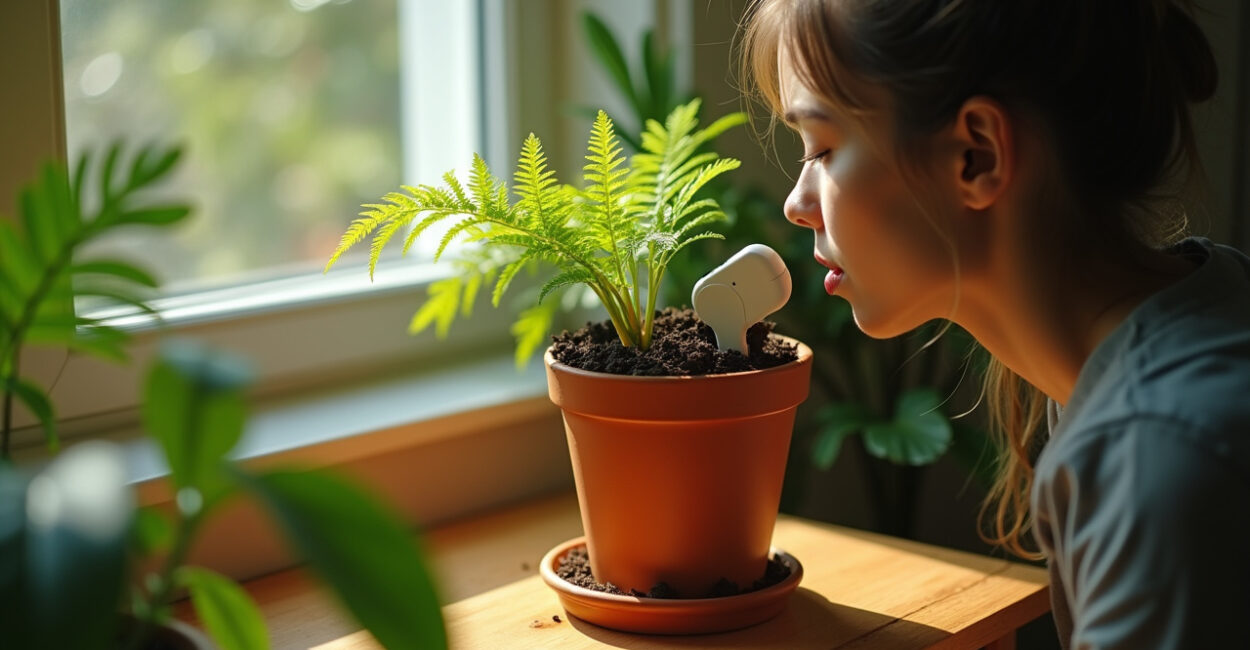
So you notice soggy soil and plants that look tired even right after watering. Those are classic overwatering signs, and they often arrive stealthily — yellow leaves, mushy stems, or a smell you ignore. If you act now, many plants bounce back. If you wait, root rot moves in and recovery gets expensive or impossible.
The Quick Clues Most People Miss
Small yellow leaves and slow growth are the first whisper of trouble. Overwatering signs often start subtly: inner leaves yellowing, tiny brown spots, or new shoots that flop. These aren’t nutrient issues at first — they’re a lack of oxygen at the roots. Imagine trying to breathe through a wet sponge; that’s your plant. Check soil moisture before watering. A finger test or a moisture meter saves a lot of guesswork.
How Root Rot Actually Begins — And How to Stop It
Root rot starts when roots sit in water and can’t breathe. Once roots go brown and slimy, they fail to take up water and nutrients. You can sometimes save a plant by removing it from the pot, trimming rotten roots, and repotting in fresh, well-draining mix. For severe cases, propagation from healthy cuttings is often the fastest recovery. These steps directly address the overwatering signs at the source: the root zone.
The Smell Test: What Wet Soil Odors Tell You
A sour, musty, or rotten smell from the pot is a red flag. Healthy soil smells earthy. If it smells like wet socks or decay, anaerobic bacteria have taken over — a classic overwatering sign. Carefully lift the plant: if the soil is compacted and dense, it’s holding water. Aerate the mix, let it dry, and consider adding perlite or pumice. Good drainage and airflow are the simple fixes people skip.
Leaves That Lie — Yellowing, Translucent, or Dropping
Yellow leaves that start at the base and climb upward usually mean too much water. Translucent, mushy leaves or sudden leaf drop are also overwatering signs. That pattern helps tell the difference from nutrient deficiency or pests. A quick comparison: yellow from lack of nitrogen is often uniform and slow; yellow from overwatering appears faster and with soggy soil. Don’t feed immediately — fix watering first.
When Stems Get Soft: The Stem-squeeze Test
A gentle squeeze can reveal hidden rot. Healthy stems feel firm. Soft, squishy stems, especially at soil level, are an overwatering sign that rot is progressing. If you catch it early, remove affected tissue and repot. If the stem collapses, the plant may be beyond saving. This test is blunt, but it’s one of the fastest ways to assess real damage versus surface symptoms like leaf yellowing.
What to Do Right Now: Nine Immediate Fixes
Act fast — these nine steps save the majority of soggy plants.
- Stop watering and let the top 1–2 inches dry.
- Do a finger test or use a moisture meter.
- Improve drainage: add perlite or pumice to mix.
- Repot if soil is compacted or smells bad.
- Trim black or mushy roots before repotting.
- Increase airflow around plants.
- Cut back on fertilizing until recovery.
- Raise pots off saucers to avoid standing water.
- Propagate healthy cuttings as insurance.
Each step targets common overwatering signs and prevents a small problem from becoming fatal.
Common Mistakes That Make Overwatering Worse
People water on a schedule, not on the plant’s needs — that’s the main mistake. Other errors: using dense garden soil in pots, ignoring saucer water, crowding plants so airflow is poor, and assuming misting replaces deep watering checks. Don’t re-pot into a slightly larger pot “just because.” Larger pots hold more moisture and deepen overwatering signs. The right move is to fix the mix and drainage, not double down on watering.
The One Comparison That Makes the Problem Clear
Expectation: watering equals healthy plants. Reality: too much water can be deadly. Think of two identical plants. One sits on well-draining soil and is watered when dry. It grows. The other sits in dense, waterlogged soil and gets the same schedule. It stagnates, yellows, and dies. That contrast makes overwatering signs obvious: identical care yields different outcomes when drainage and timing differ.
For deeper reading on root health and plant water needs, see research from university horticulture programs like University of Wisconsin Extension and practical guidance at the USDA site on soil drainage and plant health USDA Healthy Soil. Those sources back up the fixes above.
Fix the watering, not just the symptoms. A little restraint now keeps your plants alive and your weekends free of emergency repotting.
How Often Should I Water My Potted Plants?
There’s no one-size-fits-all schedule because watering depends on plant type, pot size, soil mix, and light. Use the finger test: stick a finger 1–2 inches into the soil; if it feels dry, water. For many indoor plants, this is every 7–14 days, but succulents and cacti need less. A moisture meter helps remove guesswork. Always check drainage and avoid standing water in saucers. Adjust more often in hot, bright conditions and less in cool, shaded spots.
Can I Save a Plant with Root Rot?
Yes, sometimes. If roots are brown and slimy but some white, firm roots remain, you can rescue the plant. Gently remove it from the pot, trim rotten roots, and wash the healthy roots. Repot in fresh, fast-draining soil and a clean pot. Reduce watering and increase airflow. If the root system is almost entirely rotten and the stem collapses, salvage by taking healthy cuttings or accepting that restart by propagation is the best option.
Is Yellowing Always Caused by Overwatering?
No. Yellowing can come from nutrient deficiencies, pests, low light, or natural leaf aging. Overwatering signs tend to pair yellowing with wet soil, soft stems, or a musty smell. Check soil moisture first. If the soil is dry and compact, nutrients or light are likely the issue. If soil is wet and the plant shows limp growth, treat for overwatering. Fix the easiest factor first: adjust watering, then correct fertilization or light if needed.
Are Self-watering Pots Bad for Plants?
Not inherently, but they raise the risk of overwatering signs if misused. Self-watering systems keep a reservoir that wicks moisture up. That’s great for consistent water needs, but it can keep soil too moist for plants that prefer drying between waterings. Use them for thirstier species and monitor the soil. For plants that hate wet feet, choose well-draining mixes and remove the reservoir or use a wicking cloth to moderate moisture.
Which Tools Truly Help Diagnose Overwatering Signs?
Start with simple tools: your finger, a moisture meter, and a clean pot for inspection. A moisture meter gives objective readings and removes guesswork. For signs below the surface, gently lift the plant to inspect roots and soil smell. A small trowel helps check soil structure. Supplement with a hygrometer to track room humidity and a light meter if you suspect low light. These tools reveal the context behind overwatering signs so you can fix the real cause.