
Easy Shade-Loving Plants for Beginners: 12 Reliable Picks
How to choose easy shade-loving plants for beginners: comparing low-light tolerance, watering needs, and survival to help you pick resilient indoor greenery.
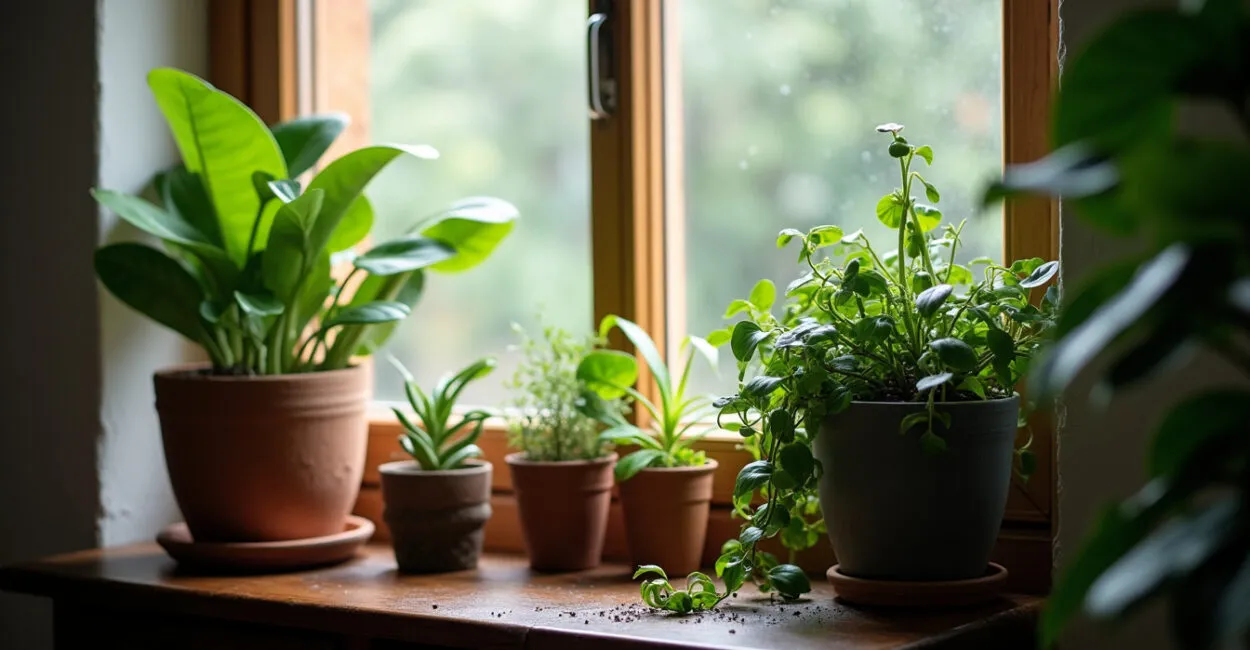 Beginner-friendly shade plants line a wooden console
The easiest shade plants aren’t the prettiest ones on the label—they’re the ones that still look alive after a missed watering.
If you want easy shade-loving plants for beginners, start with species that forgive low light, bounce back after dry spells, and don’t punish you for being new. That’s the real filter.
I’m ranking these by light needs, watering habits, and survival odds, so you can choose with confidence instead of guessing and replacing dead pots two weeks later.
The 4 Safest Starter Picks for Dim Corners
For beginners, “shade-loving” means more than surviving indoors. Botanically, these plants tolerate lower light than sun-hungry species and still keep growing without constant correction. In plain English: they won’t sulk the second they leave a bright windowsill.
These are the most forgiving easy shade-loving plants for beginners:
Read also: 5 Shade-Loving Plants That Thrive in Bathrooms and Bedrooms
- Snake plant — thrives on neglect; water sparingly.
- Pothos — adapts fast, even in medium-to-low light.
- ZZ plant — slow, sturdy, and hard to kill.
- Philodendron — handles shade and rebounds quickly.
Here’s the surprise: the best beginner plant is often the one that grows slower, not faster. Fast growers can make you think you’re doing something right, then crash when light or water is off. Slow-and-steady plants give you margin for error.
In practice, I’ve seen new plant owners succeed with a ZZ plant in a hallway that would murder a basil plant in days. That’s why survival odds matter more than “easy care” marketing.
Read also: Why Most Shade Plants Fail: The Watering Mistake Beginners Make
What to Water Less—and What to Watch Closely
The biggest beginner mistake is treating every shade plant the same. Shade slows drying, so overwatering becomes the real enemy. If the top inch of soil is still damp, wait.
Lower-risk watering rule: snake plant and ZZ plant prefer dry soil between waterings. Pothos and philodendron want a bit more moisture, but never a soggy pot. That difference matters more than the plant tag usually admits.
Think of it like this: with easy shade-loving plants for beginners, your job is not to “care more.” Your job is to care less often, but with better timing. That’s the myth most new growers get wrong.
One small story: a friend kept killing pothos because she watered on a schedule, not by feel. Once she checked the soil first, the plant stopped dropping leaves almost immediately. Nothing magical changed. The habit did.
In shade, overwatering kills faster than neglect.
For reliable guidance on indoor plant light and watering habits, the University of Minnesota Extension houseplant guide and the Royal Horticultural Society’s houseplant advice are both worth bookmarking.
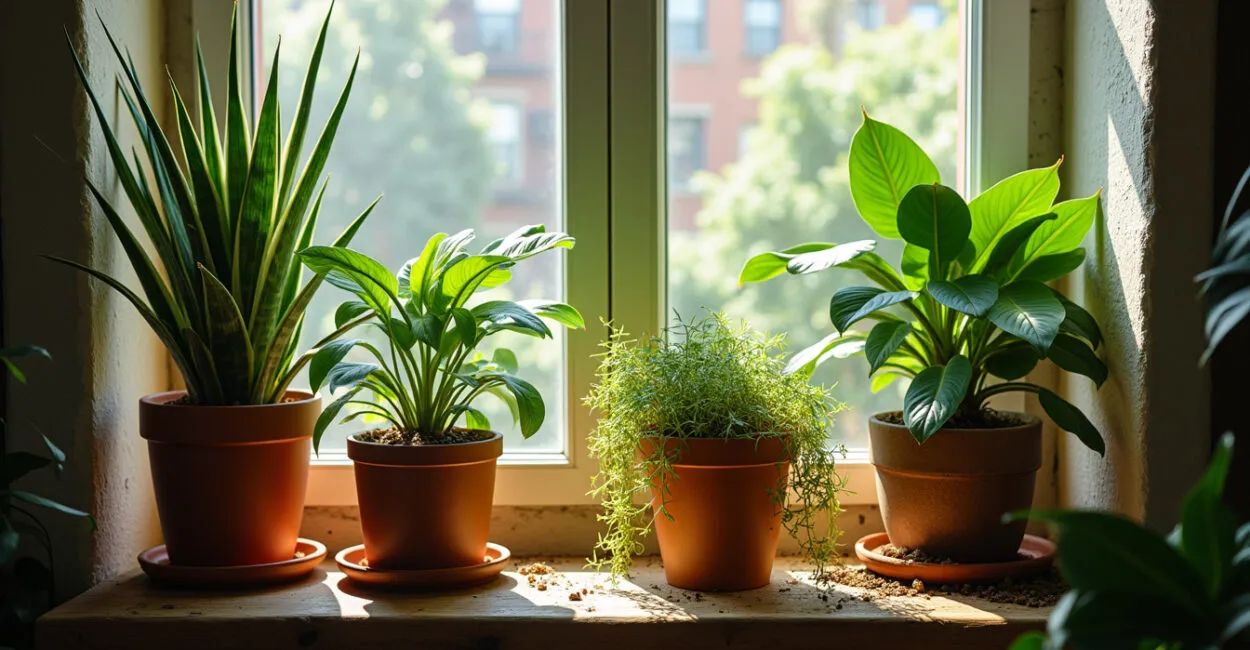
The 4 Plants That Survive Beginner Mistakes Best
If you want the highest survival odds, choose plants that tolerate irregular light, missed watering, and imperfect humidity. That’s the real beginner test, not how they look in a store under perfect lamps.
Plant
Light
Watering
Survival odds
Snake plant
Low to bright indirect
Low
Excellent
ZZ plant
Low to medium
Low
Excellent
Pothos
Low to medium
Moderate
Very good
Peace lily
Low to medium
Moderate
Good, but dramatic when thirsty
Peace lily deserves a warning. It’s one of the most forgiving easy shade-loving plants for beginners, but it also broadcasts its thirst by collapsing. That’s useful if you learn by feedback; annoying if you ignore signals for too long.
Skip fussy plants at first: anything labeled “needs high humidity,” “bright filtered light,” or “keep evenly moist” is usually a bad first buy unless you already enjoy routine.
Can Snake Plants Really Live in Low Light?
Yes, but “live” is the key word. Snake plants tolerate low light better than most houseplants, yet they still grow slowly and may look flatter or less vibrant in deep shade. If you place one in a darker room, water it less often and expect patience, not quick growth. For easy shade-loving plants for beginners, it is one of the safest bets, especially if your main goal is staying power rather than speed.
How Do I Know If I’m Overwatering?
The soil stays wet for days, the pot feels unusually heavy, or leaves start yellowing from the bottom up. That is the classic beginner trap with shade plants because lower light means slower evaporation. Check the soil with your finger before watering. If the top inch is still moist, wait. Most mistakes happen when people water on a calendar instead of reading the plant and the pot.
Which Plant is Easiest If I Forget Things?
ZZ plant is the best answer for chronic forgetfulness, with snake plant close behind. Both store water in thick stems or leaves and can handle dry spells far better than thirstier shade plants. If you want easy shade-loving plants for beginners and know you’ll miss a week here and there, choose one of those first. They buy you time, which is the one thing new plant owners never have enough of.
Do Shade Plants Need Fertilizer?
Not much, and not right away. In low light, many houseplants use nutrients more slowly, so heavy feeding can do more harm than good. A light, balanced fertilizer during the growing season is enough for most beginner-friendly shade plants. If you’re unsure, underfeed rather than overfeed. The plant can recover from mild hunger more easily than from burned roots or salt buildup.
What’s the Best First Buy for a Tiny Apartment?
Pothos is the easiest place to start if you want something adaptable, affordable, and fast to forgive mistakes. Snake plant is the better choice if you want the least maintenance. If your apartment gets very little sun, those two are usually the smartest first pick among easy shade-loving plants for beginners. Choose based on your habits: one for flexibility, the other for near-invisible care.
Pick the plant that matches your habits, not your hopes. The best beginner shade plant is the one that still looks good on the week you forget it exists.
📱 See this content as a Web Story