
Beneficial Insects That Eat Aphids: Which Ones Appear First
How green lacewing larvae act as early aphid-eating beneficial insects, arriving before ladybugs to control small infestations quietly and effectively.
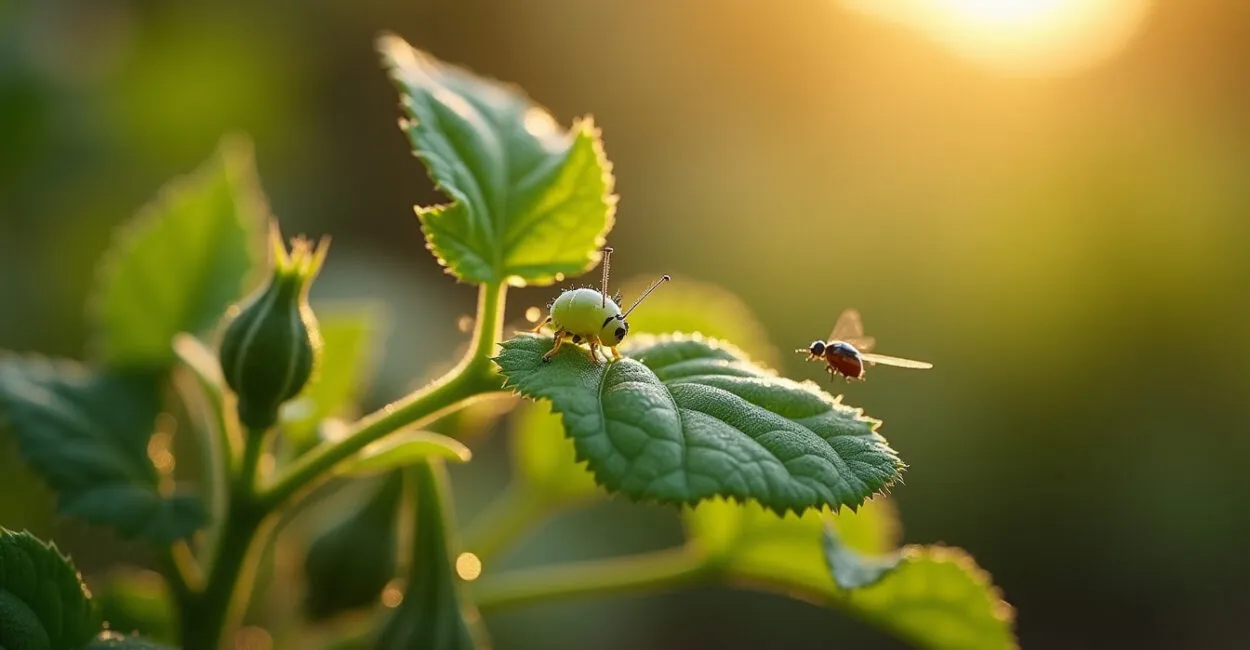 Lacewing larva hunts aphids on fresh leaves
Lacewings and hoverflies often show up before ladybugs do—and that timing changes everything.
Aphids can turn tender growth into a sticky mess fast, but the first beneficial insects that eat aphids in gardens are not always the ones people expect. If you wait for the “famous” predator, you may miss the earlier, quieter cleanup crew.
Here’s the part most gardeners learn the hard way: the earliest arrivals are often the most useful when a small infestation is still easy to control.
Lacewings Usually Arrive Before the Crowd
Among beneficial insects that eat aphids in gardens, green lacewings are the stealth workers. The adults look delicate and harmless, but their larvae are tiny predators with a serious appetite. Gardeners often spot the damage before they spot the insect.
Read also: Companion Plants That Repel Aphids: What Works Near Vegetables
That matters because lacewing larvae hunt fast on soft-bodied pests, including aphids, and they don’t need a dramatic outbreak to get moving. In practice, if you see curling new leaves and a few aphid colonies, lacewings may already be nearby. Their eggs are small and often laid on stems near the problem, which is why they can feel like they “appear” early.
Think of lacewings as the first responders you rarely notice. They are not the flashy answer, but they can slow the spread before the aphids build a colony. For reference, UC IPM’s pest notes on aphids explain how natural enemies help keep populations in check.
Read also: Neem Oil for Aphids Vs. Soap Spray: Which One Fits Your Garden?
Hoverflies Beat Ladybugs More Often Than People Think
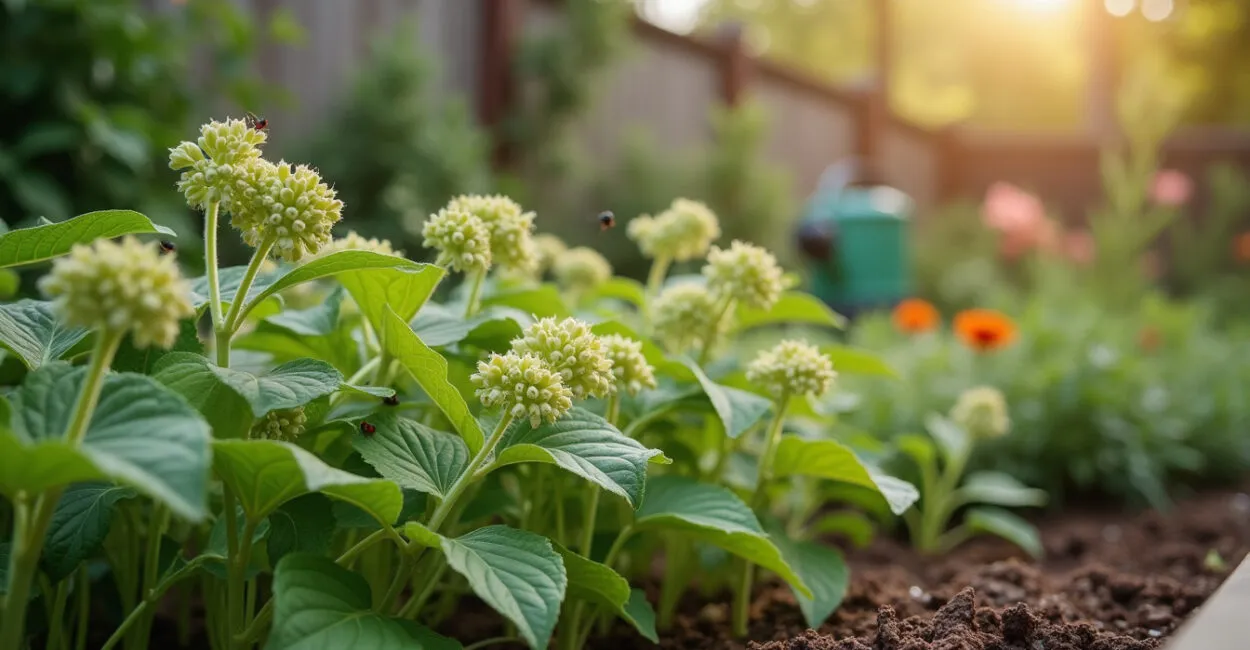
Hoverflies are the surprise winners in many spring gardens. Adult hoverflies feed on nectar and pollen, but their larvae are efficient aphid hunters. Because adults are attracted to flowering plants, they often show up quickly when your garden has dill, alyssum, cilantro, calendula, or other insect-friendly blooms.
This is the comparison that changes the picture: ladybugs get the attention, but hoverflies often arrive when the infestation is still small and the flowers are already open. That makes them feel “faster” even when the adults are easier to overlook. If you want beneficial insects that eat aphids in gardens, don’t just look at leaves—look at the flowers too.
Flowers don’t just feed pollinators. They recruit aphid hunters.
That’s why mixed borders usually outperform bare vegetable rows. The garden looks calmer, but it is actually running a small defense network.
Ladybugs, Parasitoid Wasps, and the Mistake That Wastes Time
Ladybugs still matter. So do tiny parasitoid wasps, which lay eggs inside aphids and turn the pest into its own weak point. But here’s the mistake: people buy one insect, release it, and expect instant control. That rarely works unless habitat, timing, and pest pressure line up.
A better mental model is this:
- Lacewings often hit early colonies.
- Hoverflies arrive when flowers are available and aphids are active.
- Ladybugs help, but they are less predictable in the home garden.
- Parasitoid wasps work quietly and can be powerful, but you usually do not notice them.
In one small garden I saw, aphids covered new milkweed in a week. Ladybugs came later. The turning point was not a release of insects—it was adding flowers and stopping the nitrogen-heavy feeding that was pushing tender growth. That shift gave beneficial insects that eat aphids in gardens a reason to stay.
Nem todo caso se aplica: if aphids are already overwhelming the plant, predators alone may be too slow. At that point, you need to reduce the outbreak first and support the insects second.
Do Ladybugs Really Eat Aphids?
Yes, both adults and larvae eat aphids, and they can help a lot. The catch is that they are not always the first to show up, and they may leave if the garden lacks food, shelter, or nearby pollen. That is why gardeners who rely only on ladybugs sometimes feel disappointed. Beneficial insects that eat aphids in gardens work best as a team, not as a single hero.
What’s the Earliest Sign That Predators Are Helping?
You may notice fewer new aphid clusters, more mummified aphids, or larvae moving through the colony. Sometimes the clearest sign is just that the infestation stops spreading to nearby stems. That pause is a real victory. With beneficial insects that eat aphids in gardens, progress is often quieter than people expect.
How Do I Attract Lacewings and Hoverflies?
Plant small-flowered herbs and nectar-rich blooms, avoid broad-spectrum insecticides, and keep the garden flowering through the season. Lacewings and hoverflies need more than aphids; they need habitat. If you create that balance, beneficial insects that eat aphids in gardens tend to arrive earlier and stay longer.
Should I Spray Aphids Off My Plants?
Sometimes, yes—especially on young plants that are getting hammered. A strong water spray can buy time without wiping out predators. Just avoid routine chemical sprays that kill the helpers you want. The best results come when you reduce the aphids enough for beneficial insects that eat aphids in gardens to finish the job.
Which Beneficial Insect is Best Overall?
If you want the earliest practical help, lacewing larvae are hard to beat. If your garden has lots of flowers, hoverflies may become the most visible allies. Ladybugs still earn their place, but they are not always first on scene. The real answer is diversity: several beneficial insects that eat aphids in gardens working together usually beat one famous insect alone.
📱 See this content as a Web Story