
Pet-Safe Ground Covers for Dogs That Can Handle Play and Foot Traffic
Why some ground covers that seem dog-friendly fail quickly: how recovery speed, digging resistance, and light conditions affect durability under daily canine…
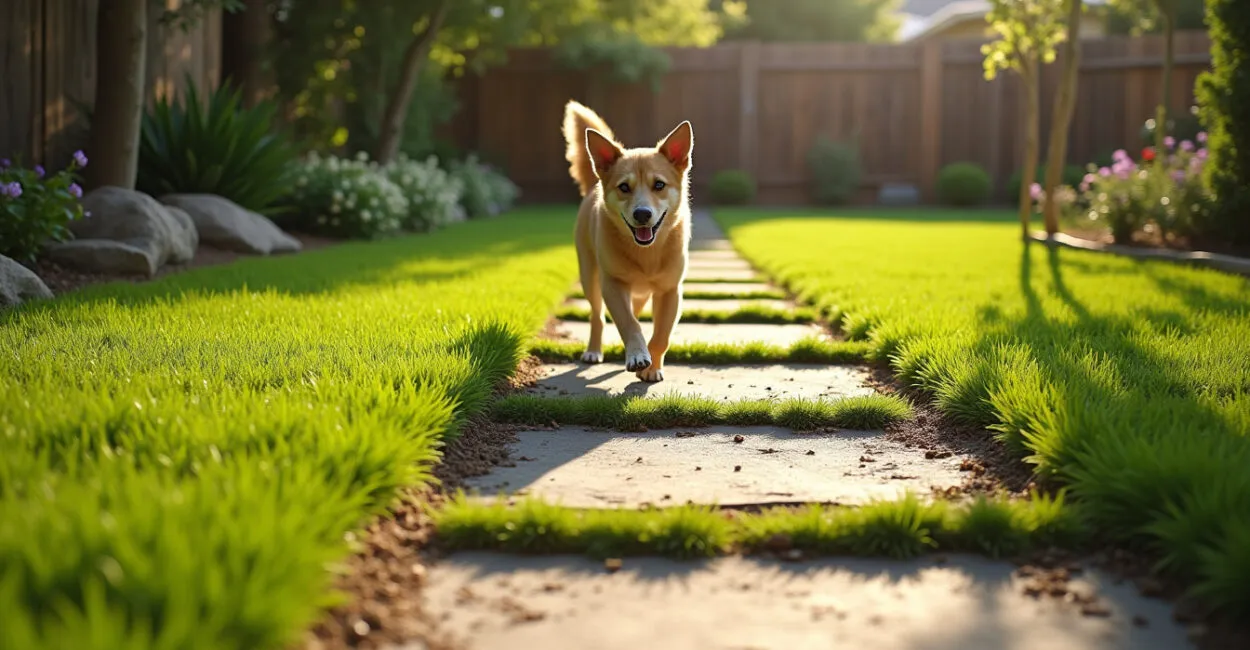 Dog races across a resilient green yard
Pet-safe ground covers for dogs have to do three jobs at once: recover fast, resist digging, and survive daily zoomies.
That combination is harder than it looks. A pretty yard can turn into mud by week two if the surface can’t handle claws, traffic, and repeat wear in the same spot.
Why Some Dog-friendly Ground Covers Fail Fast
The real test is not whether a cover looks soft on day one. It is whether it can take pressure, spring back, and stay anchored after your dog makes the same path fifty times a day. In practice, the weak point is usually the root zone or the top layer: thin mats tear, loose mulch scatters, and shallow-rooted plants get shredded.
Read also: Pet-Safe Landscaping Plants for Family Homes That Actually Thrive
The best pet-safe ground covers for dogs are the ones that recover from stress faster than your dog can create it. That usually means dense growth, flexible stems, and a surface that does not invite deep digging. If your yard gets full sun, a plant that loves moisture may fail. If it stays shaded, a sun-lover will thin out and leave bare patches.
Think of it like this: the “before” version is a yard that looks fine from the window; the “after” version is one your dog can actually live on. That gap is where most people lose time and money.
The Ground Covers That Hold Up Best Under Play
For most backyards, the strongest pet-safe ground covers for dogs are low, dense, and fast to knit together. Clover can work in light-traffic areas. Creeping thyme handles sunny spots and dries out quickly. Sedum is tough in hot, lean soil. Some homeowners also use tough ornamental grasses or dog-safe turf blends where the run pattern is predictable.
- Creeping thyme: good drainage, fast recovery, light foot traffic
- Clover: soft under paws, fills bare spots, but can thin in heavy churn zones
- Sedum: drought-tolerant and low-maintenance
- Pet turf with proper infill: best for repeat running lanes, not for digging dogs
Here is the catch: no single option wins everywhere. A cover that handles sun and dry soil may struggle in shade. A cover that feels great may not survive digging. That is why the smarter choice is to match the plant or surface to the dog’s behavior, not just the look of the yard. For broader plant safety, the ASPCA’s non-toxic plant list is a useful check before you buy anything.
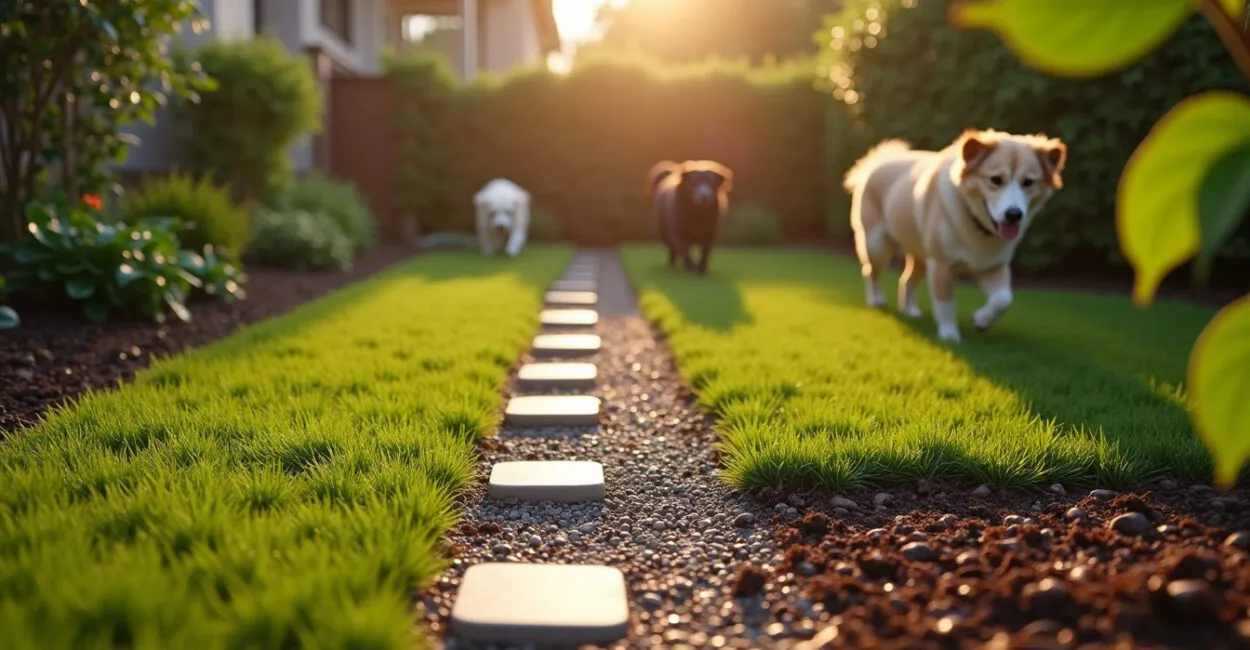
How to Make It Last When Dogs Run the Same Route Every Day
Durability usually comes from setup, not luck. Even the best pet-safe ground covers for dogs will struggle if the soil stays compacted or water pools after rain. Give roots room to breathe, add drainage where needed, and protect the highest-traffic lane with stepping stones, gravel edges, or a tougher surface.
The cheapest ground cover is the one you do not have to replace twice.
One client-style mistake shows up all the time: they plant a delicate cover in the main sprint path, watch it disappear, and then blame the plant. The plant was never the problem. The route was. If your dog cuts the same corner every morning, reinforce that exact line instead of treating the whole yard the same. For basic soil and turf guidance, University of Minnesota Extension on clover in lawns explains why some low covers bounce back better than traditional grass.
Can I Use Mulch Instead?
Sometimes, but not always. Mulch can scatter, stain paws, or get swallowed by dogs that chew everything. For pet-safe ground covers for dogs, mulch works best only as a border or in low-contact areas, not in the main play zone. If your dog digs, expect constant cleanup and replacement. A living cover or a stabilized surface usually holds up better over time.
What If My Dog is a Digger?
Then you need a strategy, not just a plant. Reinforce favorite digging spots with stone, buried edging, or a tougher surface, then use pet-safe ground covers for dogs around it. Most diggers repeat the same few square feet. If you harden those spots, the rest of the yard has a real chance to recover.
Which Option is Safest for Muddy Yards?
Look for covers that knit densely and tolerate moisture without rotting. Clover, some sedums, and properly installed pet turf can reduce mud, but drainage matters just as much. If water sits on the surface after a storm, even a strong cover will fail faster than expected.
Do These Covers Need a Lot of Maintenance?
Less than most lawns, but not none. You will still need to trim, reseed thin spots, and check drainage after heavy use. The lower the traffic, the lower the upkeep. High-traffic dog runs always need more attention than decorative side yards.
Is Pet Turf Better Than Plants?
It depends on the dog. Pet turf can win in narrow run lanes and bare patches, especially where digging is constant. Plants win on cooling, softness, and a more natural feel. Many yards end up using both: tough cover where the dog plays, and living plants where it only passes through.
📱 See this content as a Web Story