
Cat-Friendly Flowering Plants: Which Blooms Work Best Near Paths?
Criteria for choosing cat-safe flowering plants near paths: focus on neat growth, open blooms, and low risk to keep borders colorful without hazards or mess.
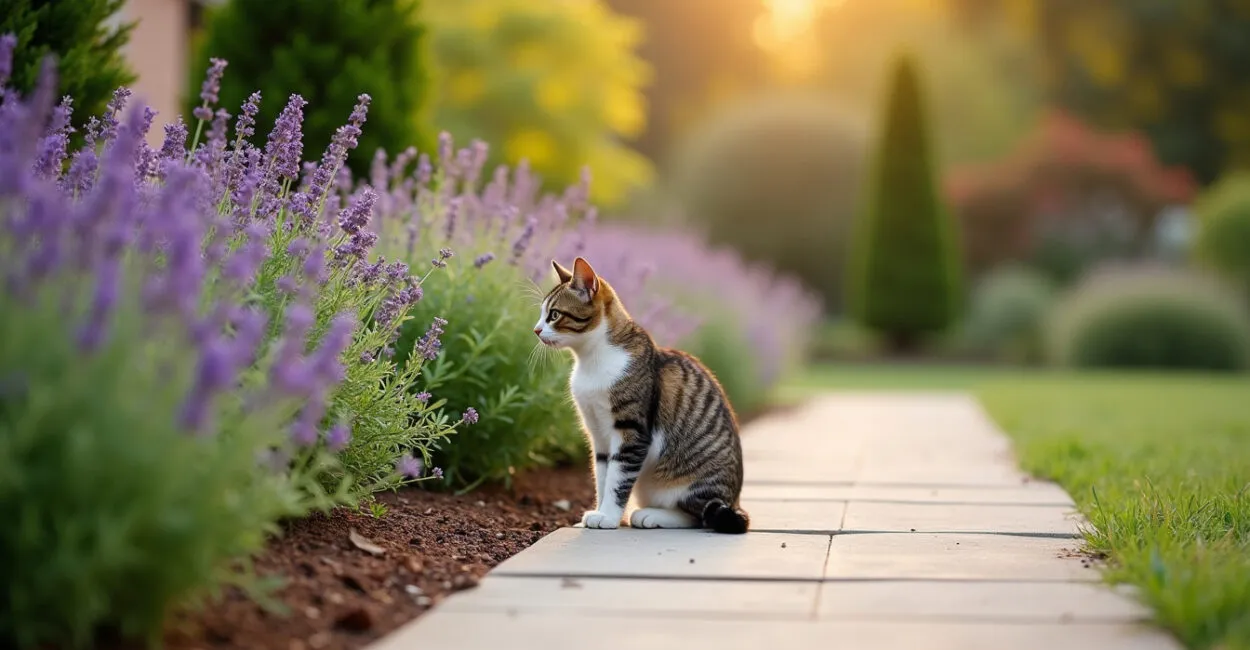
 Colorful flowers border a curving stone garden path
Some cat-friendly flowering plants outdoors look perfect by a path—until one wrong bloom turns a pretty border into a worry.
If you want color near walkways without planting a headache, the trick is choosing flowers that stay neat, bloom reliably, and are widely considered low-risk for cats. That’s where the best cat-friendly flowering plants outdoors separate themselves from the tempting plants many owners overlook.
In practice, the winners are usually the ones with open flowers, manageable height, and no irritating sap or toxic bulbs. The losers are often the showier plants that look harmless from the sidewalk. Here’s the side-by-side that makes the choice easier.
What Works Best Near Paths: The Safer Blooms Win on Simplicity
Near walkways, the best cat-friendly flowering plants outdoors are the ones that don’t demand much contact to enjoy. Marigolds, snapdragons, zinnias, and sunflowers are popular because they add color fast and tend to behave well in borders. They also stay readable from a distance, which matters when you want beauty without crowding the path.
Read also: Native Plants for Pollinators: A Landscape Plan That Works
The real advantage is design, not just safety: plants that grow upright and tidy are easier to keep out of paw-level traffic. That means fewer torn stems, less mess, and less temptation for a curious cat to chew on low foliage.
At the same time, “cat-friendly” does not mean “eat as much as you want.” The ASPCA’s plant lists are still the best quick check before you buy, especially if your cat grazes outdoors. See their database at ASPCA’s toxic and non-toxic plants guide.
Read also: Best Native Plants for Bees in Sunny Garden Beds
Blooms That Look Similar—but Don’t Belong by a Cat Path
This is where many people get tripped up. A garden can look safe and still hide trouble. Tulips, daffodils, lilies, foxglove, and hydrangea are classic examples of flowers that should stay away from walkways where cats roam. Some are toxic; others are risky because bulbs, pollen, or sap can cause problems.
Side by side, the difference is brutal: a zinnia border gives you color and calm, while a lily bed gives you color and constant vigilance. One lets you enjoy the path. The other makes you watch the ground every time the cat passes.
- Better near paths: marigolds, snapdragons, zinnias, petunias
- Keep farther away: lilies, tulips, daffodils, foxglove
- Double-check first: any plant with bulbs, milky sap, or heavy pollen
Here’s the part that catches people off guard: a plant can be “safe” in one context and still be a bad fit outdoors if it sheds petals constantly or forces your cat to brush through it. That’s why the best cat-friendly flowering plants outdoors are not just non-toxic; they’re path-smart.
The Shortcut for Choosing the Right Border Every Time
Think like a gardener and a cat owner at the same time. Start with three questions: Will it stay upright? Will it flower long enough to justify the space? Will it tempt a cat to mouth, paw, or roll in it?
I’ve seen people plant a gorgeous border, then spend all summer trimming stems back from the walkway because the flowers flopped under their own weight. The fix was boring, but effective: narrower beds, sturdier blooms, and fewer “pretty but impractical” plants. That tiny change made the whole edge feel cleaner.
For a technical cross-check, poison-control guidance is useful when you’re unsure about a specific species. The Poison Control pet safety guide is a solid backup when a plant label is vague or the nursery tag is missing details.
Near paths, boring is often better. The safest-looking garden is usually the one that was chosen with restraint.
Are Marigolds Safe for Cats Outdoors?
Marigolds are commonly listed as non-toxic, and they’re one of the easiest choices for cat-friendly flowering plants outdoors. They’re bright, compact, and useful along paths where you want color without a lot of spread. That said, “non-toxic” is not the same as “ideal to chew,” so it’s still smart to discourage nibbling and keep an eye on any plant your cat treats like a snack.
Which Flowers Should Be Farthest from a Cat Path?
Lilies belong at the top of the keep-away list, followed by daffodils, tulips, foxglove, and other bulb-heavy or highly toxic plants. These are the ones that create the biggest risk if a cat brushes past, chews, or digs near them. If you love the look, place them in a fenced or inaccessible section of the yard instead of beside walkways.
Do Petunias Count as Cat-friendly Flowering Plants Outdoors?
Petunias are often treated as a lower-risk choice for outdoor beds, and they work well where you want a soft spill of color near a path. They’re not as structural as snapdragons or zinnias, though, so they can look messy if you want a crisp edge. If your garden style is relaxed and flowing, they can fit nicely. If you want upright borders, choose sturdier blooms.
What Makes a Flower a Good Walkway Plant?
The best walkway plants stay tidy, don’t drop sticky debris, and don’t force cats to push through dense stems. Height matters too: low, sprawling flowers are more likely to be touched, broken, or investigated. A good border flower should be easy for you to maintain and easy for your cat to ignore. That combination matters more than novelty or color alone.
How Do I Check a Plant Before Buying It?
Use the nursery tag first, then verify the species with a trusted source before planting. If the label is vague—like “mixed annual” or “spring bulb”—treat it as unconfirmed. A quick search on ASPCA’s database or a poison-control resource can save you from bringing home a beautiful problem. When in doubt, skip the impulse buy and choose a clearly documented option instead.
📱 See this content as a Web Story