

Weatherproof Outdoor Rug Styling Tips for Every Patio
How to choose and arrange weatherproof outdoor rugs that resist moisture, fading, and wear while keeping your patio balanced after storms, spills, and heavy …
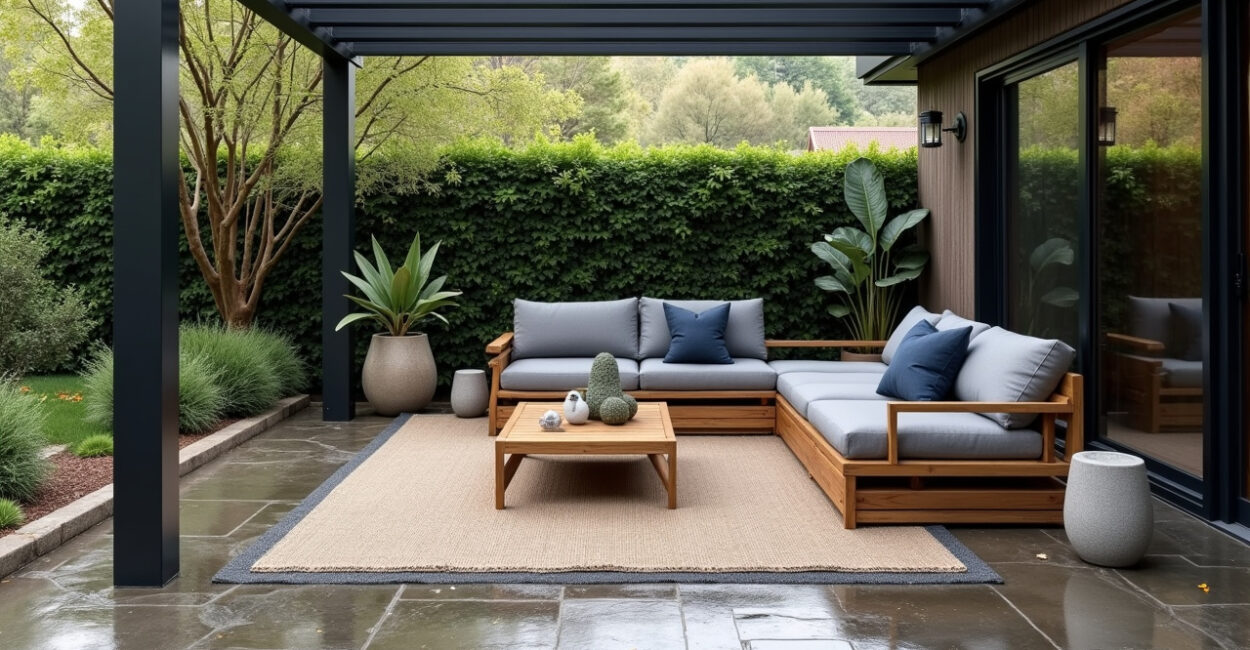
Sun, rain, and grit expose one truth fast: a patio rug fails for one of two reasons—bad material or bad placement. The best weatherproof outdoor rug styling tips are not about making a space look “finished” for a photo; they are about choosing a rug that can handle real weather, then arranging it so the patio still feels balanced after a storm, a spill, or a week of heavy foot traffic.
A weatherproof outdoor rug is a rug made to resist moisture, fading, mildew, and abrasion better than indoor textiles. In plain English, it stays attractive longer outdoors because it uses synthetic fibers, tighter constructions, and faster-drying backing. This guide covers sizing, layering, color balance, and placement choices that hold up in actual outdoor conditions—not just on a showroom deck.
What You Need to Know
- The right outdoor rug should be sized to anchor furniture, not float in the middle of a seating area.
- Polypropylene is the most common weather-resistant rug fiber because it dries quickly and handles UV exposure better than many natural fibers.
- Color matters outdoors: medium tones hide dust and pollen better than very light rugs, while busy patterns can disguise wear in high-traffic zones.
- Layering works outdoors only when the base rug is breathable and the top layer is small enough to avoid trapping moisture.
- Placement is part style, part maintenance; leaving airflow under and around the rug helps reduce mildew and extends the life of the backing.
Weatherproof Outdoor Rug Styling Tips for a Polished Patio Layout
Styling starts with scale. If the rug is too small, the patio looks pieced together; if it is too large, the furniture loses definition. The formal rule is simple: an outdoor rug should either fit all major front legs of the seating group or extend far enough to define the full conversation zone.
Anchor the Furniture First
For a sofa-and-chair setup, the most reliable look is one where the front legs of every main seat rest on the rug. That creates visual connection without forcing you to buy an oversized piece. On dining patios, the rug should extend at least 24 inches beyond the table edge so chairs stay on the rug even when pulled out.
Let the Patio Shape Do Some Work
Rectangular rugs usually make the cleanest boundary on standard decks and covered porches. Round rugs can soften hard lines, especially under circular bistro tables or in square corners that feel too rigid. If the space is narrow, a runner can guide the eye and keep circulation clear.
What separates a good patio rug layout from a cluttered one is not the pattern—it is whether the rug defines a zone without fighting the architecture of the space.
Who works with outdoor spaces knows this from experience: a well-sized rug makes even modest furniture look intentional. A wrong-size rug, no matter how expensive, tends to make the patio feel unfinished.
Choose Materials That Handle Real Weather
“Weatherproof” is not a decorative label; it refers to performance under moisture, UV exposure, and regular cleaning. For most patios, the safest starting point is synthetic fiber. Polypropylene dominates the category because it repels water better than jute, sisal, or cotton and usually dries faster after rain.
Know Which Fibers Age Well Outdoors
- Polypropylene: strong all-around option for sun, splash zones, and family patios.
- Polyester: softer underfoot, often good for covered spaces with less standing water.
- Recycled PET: useful if you want a more eco-conscious option with decent weather resistance.
- Natural fibers: stylish, but risky in exposed areas because they absorb moisture and can mildew.
There is a catch. Weatherproof does not mean waterproof in every condition. A covered porch and an exposed pool deck are not the same environment. The same rug that looks perfect under a roof overhang may disappoint in a rainy, fully open yard. That nuance matters more than brand claims.
For a practical reference on mold prevention in damp environments, see the U.S. Environmental Protection Agency’s guidance on mold. If you want the broader science behind UV fading and weather exposure, the National Oceanic and Atmospheric Administration is a useful starting point for understanding how sun and moisture vary by region.

Balance Color, Pattern, and Texture Without Overcrowding the Space
Outdoor styling works best when the rug acts like a frame, not the whole painting. A strong pattern can ground neutral furniture. A calm, solid rug can reset a patio that already has striped cushions, lanterns, or a busy view.
Use One Dominant Visual Voice
If your pillows, planters, and furniture already bring in texture, keep the rug quieter. If the patio feels flat, choose a rug with geometry, a faded medallion, or a subtle weave variation. The mistake I see most often is competing patterns: striped chairs, patterned rug, patterned umbrella, and then one more bold accessory. That usually turns a patio into visual noise.
Choose Colors for Dirt Tolerance, Not Just Taste
Light beige looks airy, but it shows pollen and leaf stains fast. Pure black hides some grime, yet it can absorb heat and look harsh in full sun. Medium grays, muted blues, weathered terracotta, and heathered neutrals tend to be the most forgiving outdoors. They age with more grace.
On an outdoor rug, the best color is often the one that still looks intentional after dust, sun fade, and one unexpected drink spill.
Need a strong design baseline? The University of Florida IFAS extension has practical guidance on outdoor maintenance and moisture control in landscape settings at UF/IFAS Extension. While it is not a rug styling manual, the moisture principles translate well to outdoor textiles.
Read also: Best Weatherproof Rug Colors for Sun-Drenched Spaces
Read also: Style Potted Plants for Patios: 9 Easy Design Ideas
Read also: How to Layer Weatherproof Rugs Correctly on a Small Patio
Layering and Grounding Tricks That Actually Work
Layering outdoors can look elevated, but only if you respect moisture and airflow. A common setup is a larger neutral outdoor rug as the base, then a smaller decorative rug or mat layered on top in a covered area. That works because the base establishes scale while the top layer adds texture or pattern.
Keep Layers Breathable
Do not stack thick natural fibers in a damp zone. Trapped moisture is the fastest route to odor and mildew. If you want a layered look, use a flat-weave base and a thin top rug with enough surface contact to stay in place but not so much bulk that it traps water.
Use Layering to Solve Awkward Dimensions
Short balcony? A narrow base rug can visually lengthen the area. Wide patio with too much empty concrete? A secondary accent rug near the lounge chairs creates a second destination without forcing you to buy one enormous piece. That kind of layering is not just decorative; it can fix a bad layout.
Na prática, what happens is that layered rugs outdoors either make the space look curated or make it look cluttered within a week. The difference comes down to thickness, drainage, and whether the top layer shifts in wind.
Place Rugs for Drainage, Wind, and Daily Traffic
Placement is where style and durability meet. Even the best-made outdoor rug will disappoint if it sits in a puddle, catches every gust, or blocks the main walking path. Good placement keeps the rug visually centered and physically stable.
Avoid the Worst Drainage Spots
Do not place a rug at the bottom of a slope or directly where downspouts empty. Standing water stresses the backing and accelerates mildew. If the patio holds moisture after rain, use risers, furniture feet pads, or a breathable rug pad designed for outdoor use.
Respect Foot Traffic Patterns
Entry points, grill zones, and pool exits create wear faster than lounge areas. Put the tougher rug there, and save delicate patterns for covered seating. In high-traffic zones, a denser weave and busier design will age better than a pale flat field.
| Patio Zone | Best Rug Choice | Why It Works |
|---|---|---|
| Covered porch | Polyester or polypropylene flat-weave | Handles light moisture and still feels soft |
| Open deck | Polypropylene with a textured pattern | Dries quickly and hides sun wear |
| Poolside area | Low-pile synthetic rug | Better grip and less water retention |
| Dining patio | Oversized durable rug | Keeps chair legs on the rug when pulled back |
Make Maintenance Part of the Design
A rug only looks weatherproof if it stays clean enough to read as intentional. That means choosing a style you can actually maintain. A beautiful pattern that requires constant attention is not a good outdoor choice for most households.
Pick Surfaces You Can Clean Fast
Look for rugs that you can shake out, hose down, or spot clean without damaging the backing. Low pile beats shag outdoors almost every time. Flatweave constructions also simplify drying and reduce the chance of dirt settling deep into the fibers.
Build a Simple Care Habit
- Shake debris off weekly.
- Rinse after pollen season or a mud event.
- Lift the rug occasionally so air can reach the underside.
- Bring it in or store it dry during long storms or winter closure.
That last step matters. Some weatherproof rugs tolerate exposure well, but no textile is immune to long-term neglect. If a rug stays damp for days, even a synthetic model can develop odor or lose its backing integrity over time.
Match the Rug to the Furniture and the Season
Think of the rug as the bridge between hard surfaces and soft seating. Teak, aluminum, wicker, and powder-coated steel all create different visual weights. A woven rug can warm up metal furniture. A cleaner geometric pattern can prevent wicker from feeling too rustic.
Adjust for Seasonal Use
In summer, lighter colors and breathable textures feel right because they reduce visual heat. In fall, deeper tones and richer patterns make the patio feel grounded. If you swap cushions seasonally, keep the rug neutral enough to support the change instead of competing with it.
One practical example: a client-style setup with charcoal metal chairs, cream cushions, and a blue-gray outdoor rug reads calm and modern. Replace the rug with a high-contrast stripe, and the same furniture suddenly feels louder and less settled. Same patio. Different visual temperature.
The most durable patio style is not the one with the most expensive pieces; it is the one where the rug, furniture, and weather conditions all agree.
What to Do Next Before You Buy or Rearrange
Before you move furniture or place an order, measure the seating zone, check where rain actually lands, and decide whether the rug is meant to define, soften, or protect the area. That order matters. Style follows function outdoors, and a rug that looks perfect online can fail the minute it meets sun, splash, or wind.
If you are comparing options, test the space with painter’s tape or newspaper first. It is a fast way to see whether the rug should be larger, narrower, round, or layered. The smartest approach is to match material and placement to the patio’s worst conditions, not its best day. That is the real edge behind weatherproof outdoor rug styling tips: design for the weather you actually get.
Frequently Asked Questions
What Size Outdoor Rug Looks Best Under a Patio Seating Area?
A rug usually looks best when the front legs of the sofa and chairs sit on it, because that connects the furniture into one zone. If the rug is too small, the arrangement looks accidental, even if the rug itself is high quality. On larger patios, oversizing is usually safer than undersizing because it gives the space structure. Measure the full seating footprint before buying, then choose the next size up if you are between standard dimensions.
Can a Weatherproof Outdoor Rug Stay Outside All Year?
Some can, but “all year” depends on climate, drainage, and how exposed the area is. A covered porch in a mild region is very different from an uncovered deck in a rainy or freezing climate. Even durable synthetics last longer when lifted occasionally, dried out, and stored during extreme weather. If the rug sits in standing water or constant snow, expect shorter life no matter what the label says.
Which Rug Color Hides Dirt Best Outdoors?
Medium heathered tones usually hide dirt better than very light or very dark rugs. Gray, muted blue, weathered tan, and soft earth tones tend to disguise pollen, dust, and small stains without looking dull. Busy patterns also help, but only if they fit the rest of the patio. A rug that hides dirt and clashes with the furniture still feels wrong. The best choice is the one that balances maintenance with the overall color palette.
Is It a Mistake to Layer Rugs on a Patio?
No, but layering only works when the base rug is flat, breathable, and suitable for outdoor exposure. Thick layers trap moisture and can shift in wind, which makes the setup look messy fast. A smaller accent rug on top of a larger base can add color or definition in a covered area. In open conditions, keep layering minimal and use it mainly for visual zoning rather than texture alone.
What Rug Material is Easiest to Maintain Outdoors?
Polypropylene is usually the easiest outdoor rug material to maintain because it dries quickly, resists moisture better than natural fibers, and cleans with relatively little effort. Low-pile polyester and recycled PET can also work well, especially in covered spaces. The key is not just the fiber but the construction: flatweave rugs are easier to shake out and rinse than thick, plush versions. If easy maintenance matters, avoid anything that holds water or debris deep inside the pile.