

Best Pots for Small Patios: Materials, Sizes, and Style
How to choose pots that fit small patios by balancing size, weight, material, and drainage to save space while enhancing function and style in tight outdoor …
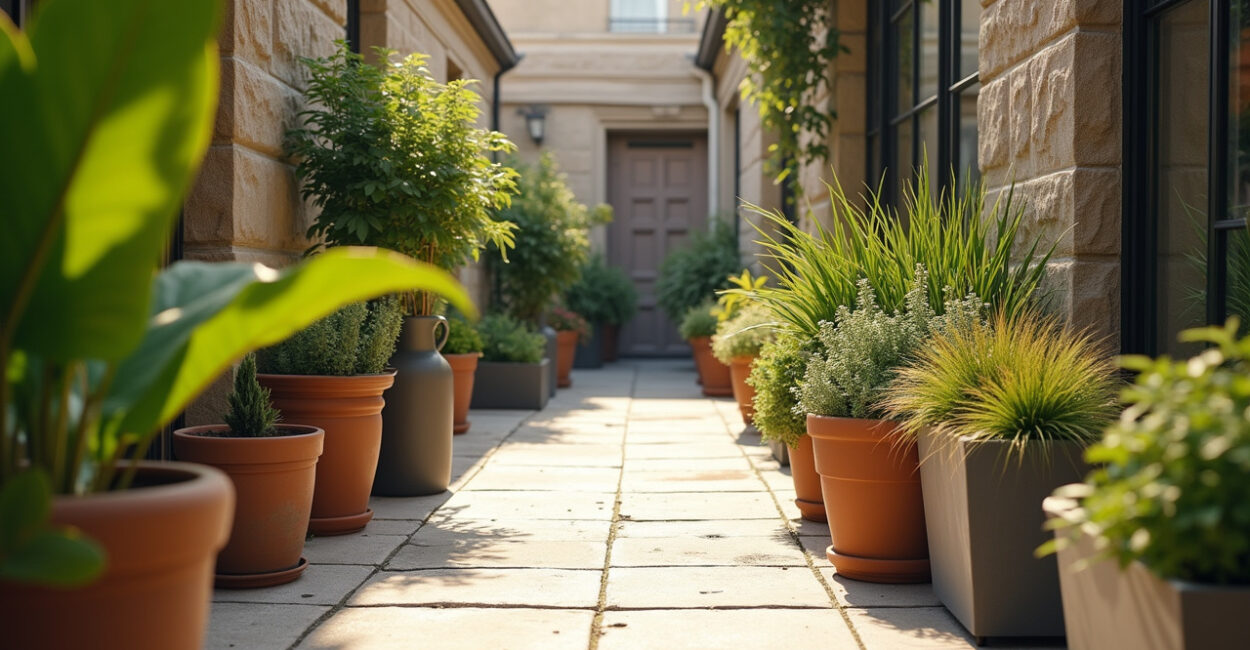
Small patios punish bad container choices fast. A pot that is too heavy, too wide, or too shallow can eat up floor space, block walking paths, and make watering a nuisance, which is why the best pots for small patios are the ones that balance footprint, weight, and visual impact.
The right container does more than hold a plant. It changes how the patio functions: it can define a corner, soften a hard surface, and make a compact space feel intentional instead of crowded. This article breaks down the materials, sizes, shapes, and styling choices that work best when every square foot matters.
O Que Você Precisa Saber
- For small patios, the best pot is usually lightweight enough to move, deep enough for the plant’s roots, and narrow enough to preserve circulation.
- Fiberglass, resin, and high-quality plastic are the safest picks when weight matters; terracotta and stone look great but need more care in tight spaces.
- Tall pots often work better than wide pots because they add vertical presence without stealing much floor area.
- Drainage matters as much as style: a beautiful pot without drainage holes can become a root-rot problem in one rainy week.
- One oversized statement container can outperform three small mismatched pots if the patio needs visual order, not clutter.
Best Pots for Small Patios: Materials That Save Space Without Looking Cheap
Technically, a patio container is any portable planter designed to hold a growing medium, support drainage, and keep roots insulated from temperature swings. In plain English, it is the object that decides whether your patio feels curated or crowded.
For compact spaces, material choice affects weight, maintenance, and long-term durability more than most people expect. A pot that looks perfect in a showroom can become annoying once it is full of wet soil and moved twice a season.
Fiberglass and Resin: The Easiest All-around Choice
Fiberglass is one of the best materials for small patios because it looks substantial without the mass of stone or clay. Resin has a similar advantage, especially for renters or anyone who rearranges furniture often. Both are easier to lift, easier to clean, and less likely to crack in cold weather than ceramic alternatives.
Terracotta: Beautiful, Breathable, and Not Always Practical
Terracotta earns its reputation because it allows some airflow through the pot wall, which helps soil dry more evenly. The tradeoff is weight and fragility. On a narrow patio, that matters: a clay pot that is perfect in spring can become a headache after a wet season, especially if you move it around a lot.
Metal and Concrete: Strong Style, More Limitations
Metal planters and concrete containers create a clean, architectural look, but they are not always the smartest pick for tight patios. Metal heats up quickly in full sun, and concrete gets heavy fast. If you use either one, place it where it can stay put and choose plants that tolerate heat and slower moisture swings.
On a small patio, the best planter is not the prettiest one in isolation; it is the one that delivers the right visual weight without sacrificing movement, drainage, or root space.
Right-Sized Containers: How Deep and Wide a Pot Should Be
Pot size is where most patio planting mistakes happen. People buy based on plant height, but roots care more about depth and soil volume than top growth. A compact patio needs containers that match the plant’s root system without taking over the whole floor plan.
Depth Matters More Than Width for Most Patio Plants
A shallow bowl may look elegant, but many shrubs, herbs, and flowering annuals perform better in deeper containers. A useful rule: aim for at least 10 to 12 inches of soil depth for small flowers and herbs, 14 to 18 inches for medium shrubs, and more for anything woody or top-heavy.
Go Tall When Floor Space is Tight
Tall planters use vertical space efficiently and create a stronger design line than squat pots. They also help plants read as intentional accents instead of scattered extras. For example, a 24-inch tall planter can anchor a patio corner while occupying less floor area than a broad, low urn with the same visual presence.
When a Larger Pot is Actually the Smarter Buy
A slightly oversized container can reduce watering stress and support healthier roots, especially in hot, windy patios. The mistake is not size itself; it is scale mismatch. If a large pot blocks a doorway or compresses seating, it stops being an asset. If it sits in a corner and frames the space, it often improves everything around it.
| Container Type | Best Use | Why It Works on Small Patios |
|---|---|---|
| Tall fiberglass planter | Corner planting, privacy accents | High visual impact with a small footprint |
| Mid-depth resin pot | Herbs, annuals, compact perennials | Lightweight and easy to move |
| Terracotta cylinder | One specimen plant | Classic look, but heavier and more fragile |
| Narrow rectangular planter | Edge of a railing or wall | Uses linear space instead of floor space |

Shapes That Make a Compact Patio Feel Larger
The shape of the pot changes how the eye reads the space. Rounded containers feel softer, but they consume more space at the base. Rectangular and column-style planters create cleaner edges, which makes them especially useful along walls, railings, and narrow walkways.
Use Vertical Lines to Pull the Eye Upward
Column planters, tapered pots, and pedestal containers help a small patio feel taller. That vertical emphasis matters because it reduces the sense of clutter at ground level. A patio with five low pots often feels busier than one with two taller containers and a clear path through the center.
Read also: Best Solar Path Lights for Backyard Ambiance and Safety
Read also: How to Layer Weatherproof Rugs Correctly on a Small Patio
Read also: Best Weatherproof Rug Colors for Sun-Drenched Spaces
Match the Shape to the Plant’s Habit
Not every plant suits every pot shape. A trailing plant can spill attractively over the edge of a tall planter, while a citrus tree or dwarf olive needs a stable base and enough soil volume to stay upright. If the plant is top-heavy, use a broader bottom. If the patio is cramped, use height to your advantage.
When space is limited, vertical container design usually beats horizontal spread, because it preserves circulation while still giving the patio a finished look.
Drainage, Weight, and Weather: The Details That Decide Whether a Pot Works
Drainage holes are not optional. Without them, water collects at the bottom of the pot, oxygen disappears from the root zone, and root rot follows. The USDA Natural Resources Conservation Service has long emphasized how soil structure and water movement affect plant health, and that principle carries directly into container gardening.
Drainage Beats Decorative Perfection
A pot can have excellent color and finish, but if it traps water, it will fail. On a small patio, where containers often sit close together, overwatering one plant can also splash onto another. Use saucers sparingly, and empty them after heavy rain.
Weight Matters More Than Most Buyers Expect
Heavy containers are harder to reposition for sun changes, cleaning, or seasonal storage. I have seen perfectly good patio setups stall because nobody wanted to move a 90-pound pot once it was planted. That is why lightweight composites often outperform stone for real-world use, even when stone looks more “premium.”
Cold, Heat, and Sun Exposure Change the Best Choice
In freeze-thaw climates, porous clay can crack if it holds moisture in winter. In hot climates, dark metal and thin plastic can heat soil faster than you want. If you are unsure, check regional guidance from a university extension, such as University of Minnesota Extension, which offers practical container and plant-care advice for climate stress.
Style Rules That Keep Small Patios from Feeling Overworked
The fastest way to make a small patio look smaller is to mix too many colors, materials, and shapes at once. A better strategy is to repeat one or two finishes and let the plants provide variation. That gives the space rhythm instead of noise.
Repeat Finishes, Not Clutter
Three planters in the same color family often look more expensive than six containers in six different styles. Matte black, charcoal, sand, and warm clay tones are all easy to combine. If you want one standout piece, make it a single statement container rather than a collection of competing ones.
Use One Large Container as a Focal Point
A statement pot can anchor a patio the way a rug anchors a living room. A single oversized vessel with a sculptural plant often looks more polished than a cluster of tiny pots that keeps drifting out of alignment. This approach works especially well near a seating area or at the end of a sightline.
Mini-example: A 6-by-10-foot apartment patio I saw recently had four small terra-cotta pots, a folding chair, and no real focal point. The owner switched to one tall resin planter with a dwarf olive, two matching herb pots, and a narrow bench. The patio felt larger immediately because the floor line cleared up and the eye had somewhere to land.
Plant Matches That Make the Container Do More Work
The container and the plant should solve the same problem. If the plant is airy, the pot can be simple. If the plant is dramatic, the pot should stay quiet. That relationship matters on small patios because every object is visible from every angle.
Best Pairings for Compact Spaces
- Herbs in mid-depth resin pots, because they need easy access and frequent repositioning.
- Dwarf citrus in a sturdy fiberglass or concrete-look planter, because the tree needs room and stability.
- Ornamental grasses in tall cylinders, because their upright form echoes the container shape.
- Trailing flowers in narrower rectangular planters, because they soften railings and ledges without using much floor area.
What to Avoid in Tight Layouts
Avoid pairing a wide, heavy pot with a sprawling plant unless the patio has real open space. That combination often creates visual drag. The same goes for shiny containers packed side by side; they reflect light, but they also amplify clutter.
For plant selection support, the Royal Horticultural Society is a strong reference for matching plants to containers and light conditions. That guidance is especially useful when you want a design choice to hold up past one season.
What to Buy First If Your Patio Only Has Room for a Few Pots
If you are starting from scratch, buy in this order: one tall anchor pot, one medium movable planter, and one long narrow container for edges or railings. That sequence covers structure, flexibility, and spillover greenery without wasting space.
The practical difference between a good small patio and a cramped one is rarely the number of pots. It is whether the pots earn their footprint. If a container cannot improve the view, support the plant, or organize the layout, it is probably taking up too much of your patio’s most valuable resource: open floor.
Next step: measure your walking path, note where the strongest sun hits, and choose containers that keep at least one clear route through the patio. Then compare materials by weight and drainage before you compare colors. That order prevents impulse buys that look good in the cart and fail outside.
Frequently Asked Questions About Small Patio Pots
What Pot Material is Best for a Small Patio?
Fiberglass and resin are usually the best all-around choices because they stay light, resist cracking, and come in styles that look more finished than basic plastic. Terracotta is attractive and breathable, but it is heavier and less forgiving if you move pots often. Concrete and metal work well when you want a strong architectural look, but they are harder to reposition and can be less practical in tight layouts.
How Big Should Pots Be for a Small Patio?
Use the pot size the plant needs, then adjust for the space you have left. For herbs and annuals, 10 to 12 inches of depth often works; shrubs and small trees usually need more. The key is to prioritize soil volume and root health without blocking seating, doors, or walking space. In compact patios, a few well-sized pots usually look better than many undersized ones.
Are Tall Pots Better Than Wide Pots in Tight Spaces?
Most of the time, yes. Tall pots give you more visual height with less floor coverage, which helps a small patio feel less crowded. They are especially useful in corners, beside chairs, or near railings where you want definition without spreading outward. Wide pots make sense only when the plant needs a stable base or when you have enough open area to support the footprint.
Do Patio Pots Need Drainage Holes?
Yes, they should have drainage holes unless you are using a very specific inner-pot setup with careful water management. Without drainage, water sits at the bottom and suffocates roots. That risk increases on patios because rain, irrigation, and saucers can all add extra moisture. If a decorative planter has no hole, use it as a cachepot and keep the plant in a nursery pot inside it.
How Can I Make a Small Patio Look Stylish with Just a Few Pots?
Stick to one color family, repeat one container material, and use one statement planter as the focal point. That creates order fast. You can add variety through plant texture instead of through mismatched pots. A tall anchor container, a medium herb pot, and a narrow planter along an edge usually create a cleaner result than filling the patio with many small containers.