
Top Indoor Plants That Improve Air Quality for a Healthier Home
How indoor plants influence air quality through humidity control, light needs, common challenges, and care habits that keep them healthy and effective at home.
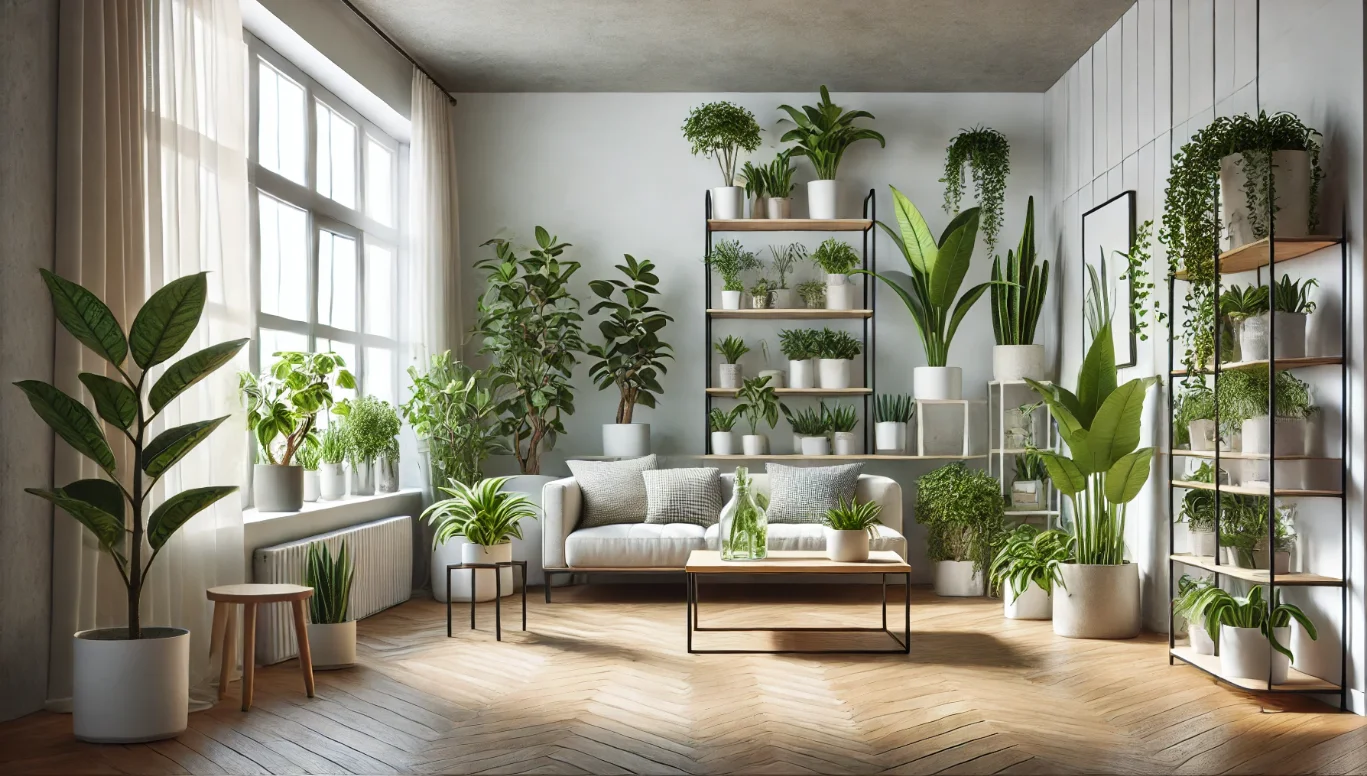 Sunlit living room filled with healthy indoor plants
📅 Updated on 06/13/2026
One healthy plant can do more for a room than a shelf full of decor: it softens the space, supports better humidity balance, and can help reduce some indoor pollutants when it’s paired with good light, airflow, and regular care. The real value of indoor plants is not magic—it’s the combination of biology and routine.
If you want a home that feels calmer and looks more alive, the smartest approach is to choose species that fit your light, schedule, and tolerance for mess. This guide breaks down the best air-conscious houseplants, what they actually do, where they struggle, and how to keep them healthy long enough to matter.
Quick Summary
- Indoor plants improve a home most reliably through daily living benefits like better humidity, visual comfort, and a stronger habit of care.
- The best air-purifying reputation usually belongs to low-maintenance species such as snake plant, pothos, spider plant, peace lily, and areca palm.
- Light level matters more than plant trends; a plant in the wrong light will decline faster than a “hardy” species in the right one.
- Ventilation, dust on leaves, and overwatering all affect performance, which means plant health and air quality are tied together.
- NASA’s famous clean-air study is useful history, but it was done in sealed chambers, so real homes do not match those conditions exactly.
Indoor Plants and Air Quality: What They Actually Change in a Home
Indoor plants are living systems that exchange gases, release water vapor, and interact with their environment through leaves, roots, and the microbes in their potting mix. In practical terms, that means they can improve comfort and contribute modestly to a healthier room, but they are not a substitute for ventilation or source control.
The most useful way to think about air-purifying houseplants is this: they are part of a healthier indoor ecosystem, not a standalone fix. The NASA research on indoor air and plants helped popularize the concept, while more recent guidance from the U.S. Environmental Protection Agency still emphasizes that fresh air, filtration, and moisture control matter far more than any single plant.
Indoor plants can support a healthier home, but the biggest air-quality gains still come from ventilation, humidity control, and reducing pollutant sources.
Why the “air purifier” label gets overstated
Many articles treat plants like passive filters, which is only half the story. Leaves absorb some gases, but most of the work in potted systems happens in the soil zone and depends on airflow, light, and plant density. That is why a single small plant on a windowsill will not transform a room.
Na prática, what happens is that people buy the right plant and still see little change because the room is stuffy, the soil stays wet, or the leaves are coated in dust. A thriving plant helps; a stressed one barely contributes and can even create its own problems, especially with fungus gnats and moldy potting mix.
The Best Indoor Plants for Cleaner-Looking, Healthier Spaces
The best choices are the plants that survive ordinary home conditions without constant rescue. That usually means forgiving species with broad leaves, steady growth, and a track record of handling inconsistent watering.
Snake Plant, Pothos, and Spider Plant
- Snake plant (Sansevieria trifasciata): tolerates low light, infrequent watering, and neglect; a strong pick for bedrooms and offices.
- Pothos (Epipremnum aureum): fast-growing, adaptable, and excellent for shelves or hanging baskets.
- Spider plant (Chlorophytum comosum): easy to propagate, pet-safe in many homes, and resilient under normal indoor conditions.
Peace Lily, Areca Palm, and Rubber Plant
Peace lily is one of the most practical choices if you want a plant that visibly tells you when it needs water, though it prefers consistent moisture and can droop dramatically when ignored. Areca palm adds fullness and a softer look, but it needs brighter indirect light than many people expect. Rubber plant offers bold leaves and strong visual impact, yet it performs best when you resist the urge to overwater.
These species come up repeatedly because they handle real homes well. That matters more than any ranking list, since a plant that survives five years does more for your space than a “top-rated” one that dies in three weeks.
| Plant | Light | Water Need | Best Use |
|---|---|---|---|
| Snake Plant | Low to bright indirect | Low | Bedrooms, offices |
| Pothos | Low to medium indirect | Moderate | Shelves, hanging planters |
| Peace Lily | Medium indirect | Moderate to high | Living rooms, bathrooms |
| Areca Palm | Bright indirect | Moderate | Open rooms with good light |
If you want broader reading on indoor environmental quality, the CDC/NIOSH indoor environmental quality guidance explains why ventilation and moisture control remain central to healthy living spaces.
How to Choose the Right Plant for Your Light, Space, and Schedule
The right plant is the one that matches your room, not the one with the prettiest label. Light is the first filter, watering habits are the second, and the plant’s mature size is the third.
Match the plant to the light first
Low-light rooms usually favor snake plant and ZZ plant, while brighter windows can support rubber plant, areca palm, and many herbs. “Low light” still means usable daylight, not a dark corner with a lamp on for decoration.
Be honest about your watering style
If you forget plants for a week at a time, choose drought-tolerant species. If you enjoy checking pots and staying consistent, peace lily and calathea-style plants may fit your routine better, though they are less forgiving. In my experience, most plant failures come from overwatering, not underwatering.
Think about pets, kids, and airflow
Some popular houseplants are toxic if chewed, including peace lily and pothos. If pets or children are part of the home, verify toxicity before buying and keep plants out of reach when needed.
The plant that fits your routine will outperform the plant that looks impressive but needs daily correction.
Care That Keeps Indoor Plants Healthy Instead of Just Alive
Healthy plants need consistency more than complexity. A good watering rhythm, the right pot, and enough light do more than misting, gimmicks, or expensive fertilizer.
Use the potting mix as a control point
Choose a well-draining mix and a pot with drainage holes. Dense soil holds too much moisture, which suffocates roots and invites fungal problems. If the root ball stays wet for days, the plant is already under stress.
Water by soil, not by calendar
Check the top inch or two of soil before watering. The exact depth depends on pot size and plant type, but the principle is stable: water when the plant needs it, not because Friday arrived.
Clean leaves and rotate plants
Dust blocks light and dulls growth. Wiping leaves with a damp cloth improves appearance and helps the plant function better. Rotating the pot every couple of weeks also prevents lopsided growth toward the window.
A small example: a client-style setup I’ve seen work well in apartments is a snake plant in a bedroom corner, pothos on a high shelf near filtered light, and a peace lily in a brighter living-room spot. The plants looked “finished” within a month because each one matched the room instead of fighting it.
What Indoor Plants Can’t Do, and Why That Matters
Indoor plants do not remove enough pollution to replace proper HVAC, open windows, or a good air purifier. That limit matters, because many buyers expect a decorative plant to solve a ventilation problem that actually needs mechanical help.
There is also a humidity tradeoff. More plants can raise moisture a little, which may feel good in a dry room, but too much moisture around walls, window frames, or overwatered soil can worsen mold risk. This is where the advice gets nuanced: the same plant setup that helps in a dry apartment can fail in a damp basement.
That is why experts often separate plant care from indoor air management. They overlap, but they are not the same discipline.
Low-Maintenance Styling Ideas That Still Support Plant Health
Good plant design should make care easier, not harder. Grouping plants by light and watering needs reduces mistakes and gives the room a cleaner look.
- Place trailing plants like pothos where they can spill naturally instead of crowding them on a dark floor.
- Use one statement plant, such as a rubber plant or areca palm, to anchor a corner.
- Keep watering tools nearby so the routine is frictionless.
- Choose cachepots carefully; a decorative outer pot should never trap standing water.
Design also affects behavior. When plants are easy to see and easy to reach, people care for them more consistently. That consistency is what keeps the whole system working.
The Best Way to Start Without Overcommitting
If you are starting from zero, buy three plants with different roles rather than five random ones. One should tolerate low light, one should thrive in bright indirect light, and one should be a visual focal point. That gives you coverage without creating a maintenance burden.
For most homes, a snake plant, pothos, and peace lily is a strong starting trio. Add more only after you’ve proved the first group can survive your routine. That approach is slower, but it saves money and frustration.
What to Do Next
Pick one room, measure the light honestly, and choose a plant that fits the conditions you already have. Then set a watering schedule based on soil dryness, not memory. The fastest path to better results is not buying more plants—it’s matching the right plant to the right space and keeping the routine simple.
Before you buy, check the species name, confirm toxicity if needed, and decide where the pot will drain without damaging furniture. That one decision prevents more failures than any fertilizer ever will.
How do indoor plants improve air quality?
Indoor plants can absorb small amounts of certain gases, release moisture, and make a room feel fresher. Their biggest benefit in most homes is supportive, not miraculous: they work best alongside ventilation and source control.
Which indoor plant is easiest for beginners?
Snake plant is one of the easiest choices because it handles low light and missed waterings well. Pothos is another strong beginner option if you want faster growth and a softer, trailing look.
Are indoor plants enough to clean the air in a house?
No. They can help, but they do not replace open-air exchange, filtration, or reducing pollutant sources like smoke and excess moisture. That limitation is one reason health agencies still focus on ventilation first.
How many indoor plants should I keep in one room?
There is no fixed number that works for every home. A better rule is to start with a few well-placed plants and only add more if the room stays dry, the plants stay healthy, and maintenance remains easy.
Do indoor plants need special soil?
Most do best in a well-draining potting mix rather than garden soil. The goal is to hold enough moisture for roots without keeping them soggy for too long.