
Energy-Saving Tips for Renters: Cut Bills Without Upgrades
How to reduce energy bills as a renter without permanent changes: stop heat loss, cut standby power, and use portable tools and smart habits that suit any le…
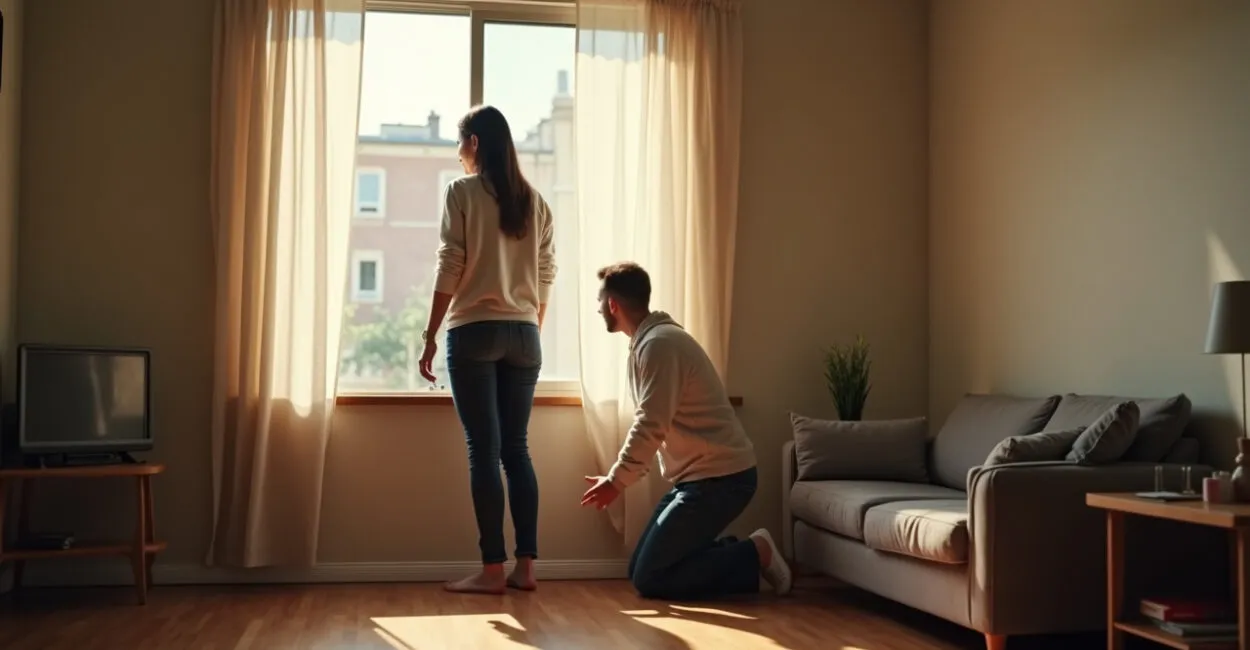 Renters seal drafts and unplug idle electronics
Cheap energy waste is usually hiding in plain sight: a drafty window, a thermostat set two degrees too high, or electronics pulling power while nobody is home. For energy saving tips for renters, the real challenge is not theory; it is finding savings that work without drilling holes, replacing fixtures, or risking a lease violation. The good news is that renters can cut a meaningful amount from electricity and heating bills with portable tools, smarter habits, and a few landlord-friendly requests.
This guide focuses on what actually works in apartments and rental houses: quick wins that take minutes, upgrades you can take with you, and small changes that add up across the whole year. It also explains why certain fixes save money, when they don’t, and how to tell the difference between a useful improvement and a marketing gimmick.
O Que Você Precisa Saber
- Most renter-friendly savings come from stopping heat loss, cutting standby power, and reducing runtime on major appliances.
- Weatherstripping, outlet gaskets, and window film often deliver better payback than expensive gadgets because they attack waste at the source.
- Portable thermostats, smart plugs, LED bulbs, and faucet aerators are high-value upgrades because they move with you when you leave.
- The cheapest kilowatt-hour is the one you never use, but HVAC efficiency still depends on the building, so some fixes will have a bigger effect than others.
- Monthly bill tracking matters: you cannot improve what you never measure, and renter savings usually show up first as lower peak use, not dramatic overnight drops.
Energy Saving Tips for Renters That Cut Bills Without Permanent Changes
The formal definition is straightforward: energy efficiency means using less electricity, gas, or heating fuel to deliver the same level of comfort or service. In plain English, it is about keeping your apartment warm when it is cold, cool when it is hot, and lit only when you need it—without paying for waste in between.
For renters, that means focusing on reversible fixes. You are not redesigning the building envelope; you are sealing leaks, lowering unnecessary load, and making everyday systems run less. That is why the best renter strategies tend to be low-tech and boring. They work because they reduce losses, not because they look impressive.
Start with the Biggest Waste First
In most rentals, the biggest avoidable losses come from air leaks, poor window insulation, and devices that draw power all day. A single drafty window can undo a lot of thermostat discipline, because the heating system keeps compensating for heat escaping to the outside. That is why a $15 roll of weatherstripping often beats a $150 decorative fix. The highest-return moves are the ones that reduce a constant problem, not a one-time annoyance.
What separates real bill savings from feel-good tinkering is whether the change reduces a continuous load, a heat leak, or standby consumption; if it does none of those, the savings are usually too small to notice.
Think in Terms of Load, Not Just Comfort
Every appliance adds load to the electrical system. Lighting, cooking, laundry, space heating, and hot water each contribute differently, so the best savings depend on your unit’s layout and your utility rates. A renter in a small studio with electric heat will not save the same way as someone in a gas-heated duplex. That is normal. The principle stays the same: target the most frequent use first, then the most expensive use.
Seal Drafts, Windows, and Doors Before You Touch the Thermostat
Air leakage is the silent cost driver in many rentals. When outdoor air sneaks in around window frames, door sweeps, and balcony sliders, the HVAC system runs longer to maintain the same indoor temperature. That extra runtime shows up directly on the bill. According to the U.S. Department of Energy, sealing air leaks and adding insulation are among the most effective ways to reduce heating and cooling waste; see Energy Saver guidance on weatherizing a home.
Low-Risk Fixes Renters Can Install Today
- Self-adhesive weatherstripping for doors and movable windows.
- Door sweeps or draft stoppers for gaps under entry doors.
- Removable window film for single-pane or especially leaky windows.
- Foam outlet gaskets on exterior walls where cold air often slips through.
- Thermal curtains or cellular shades that reduce heat loss at night.
Where These Fixes Work Best
These products perform best in older buildings, top-floor units, corner apartments, and any rental with visibly thin windows. They are less dramatic in newer construction with tighter envelopes. That limit matters. If your building already has efficient windows and minimal leakage, you will see smaller returns, and it may be smarter to focus on plug loads and heating habits instead.
Window film and weatherstripping save the most money when they stop a repeating loss, not when they make a room feel “cozier” for a few hours.
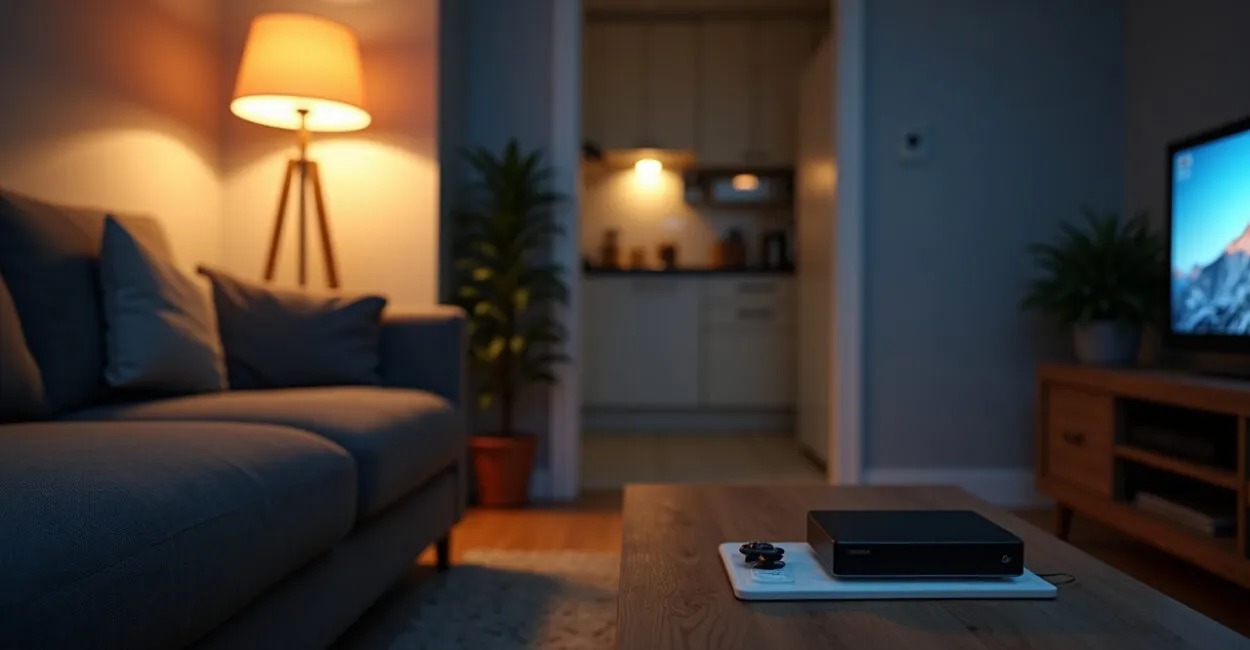
Use Lighting and Electronics That Stop Paying for Idle Power
Lighting and electronics are where renters often bleed money in small, annoying increments. The savings from one lamp are modest, but the aggregate can be meaningful when you replace several incandescent or halogen bulbs with LEDs and stop phantom power from idle devices. The National Renewable Energy Laboratory has long documented the efficiency gains from LED lighting; the technology uses a fraction of the energy of older bulbs for the same light output. A practical overview is available through NREL’s energy research resources.
Do the Easy Swaps First
Replace the bulbs you use most: kitchen, living room, desk lamps, and hallway fixtures. If a fixture runs several hours a day, it is a better candidate than a decorative light in a rarely used corner. For electronics, group chargers, game consoles, printers, and streaming devices on smart power strips so they stop pulling standby power when not in use. That matters because phantom load is small per device and real across a whole apartment.
Read also: Energy-Saving Home Habits That Reduce Emissions Quickly
Mini-Story: The Living Room That Quietly Leaked Power
A tenant in a one-bedroom unit kept blaming the electric bill on the refrigerator. The actual culprit was a combination of five halogen bulbs, a TV, a console, and a cable box that never fully slept. After switching to LEDs and using one switched power strip, the bill dropped enough to notice within the next cycle. Nothing was dramatic. No one “optimized the home.” They simply stopped paying for electricity that did no useful work.
Make Heating and Cooling Behave More Predictably
Heating and cooling usually dominate energy costs, so small behavior changes matter more here than in any other category. Setbacks can help, but only when the home responds quickly enough. In poorly insulated rentals, aggressive thermostat swings can backfire because the system works harder to recover from the change. That is why modest adjustments are safer than big overnight drops.
Read also: Smart Thermostat Alternatives for Renters That Save Energy
Smart Thermostat? Maybe—But Check the Lease and System First
Portable smart thermostats can be useful if your rental has a compatible forced-air system and you are allowed to replace the wall unit. They can reduce waste by avoiding unnecessary runtime when you are out. But this is not a universal fix. In some buildings, central heat is controlled by the landlord, boiler cycles are shared, or the thermostat is incompatible. In those cases, use programmable habits instead of hardware you cannot keep using.
Habits That Save Without Extra Hardware
- Close blinds at night in winter and during peak sun in summer.
- Run ceiling fans the right direction for the season.
- Use a fan with the HVAC so you feel comfortable at a slightly higher summer setpoint.
- Do not block vents with furniture or curtains.
- Match clothing layers to the season before changing the thermostat.
One detail renters often miss: if the building uses radiators or baseboard heat, furniture placement matters more than people think. I have seen entire walls of heat vanish behind a sofa pushed flush against the heater. That is not a “small” issue; it is wasted output with nowhere to go.
Trim Appliance Waste in the Kitchen and Laundry
Kitchen and laundry habits can quietly make or break a monthly bill. Refrigerators, dishwashers, ovens, dryers, and washing machines each behave differently, but they all reward restraint. The utility savings usually come from using less heat, less hot water, and fewer high-power cycles. That is why washing cold and air-drying when practical often beats buying a new appliance.
High-Impact Moves That Do Not Need Permanent Changes
- Wash clothes in cold water unless the fabric or stain truly requires hot.
- Run full dishwasher loads and use air-dry settings when available.
- Keep refrigerator coils clean and set the temp to the recommended range, not colder than necessary.
- Use the microwave, toaster oven, or induction hot plate for small meals instead of heating a full oven.
- Clean dryer lint filters so the machine finishes faster and uses less energy per load.
There is one nuance here: “always choose the most efficient appliance” is not the same as “always choose the smallest appliance.” Cooking two servings in a large oven can be wasteful; cooking a full tray of food in that same oven can be efficient. The rule is to match the tool to the task, not to assume every small appliance is automatically better.
What to Ask a Landlord About Without Overstepping
Some improvements are landlord territory, and it is worth asking for them directly. LED common-area lighting, HVAC maintenance, faucet aerators, and failed door seals are reasonable requests in many buildings. A reasonable landlord knows that fixing a worn weather seal is cheaper than letting a unit leak energy all winter. If the request improves habitability and lowers operating costs, it is often worth the conversation.
Track Usage So You Know What Actually Works
Utility bills are lagging indicators, not perfect diagnostics. A higher bill may reflect weather, rate changes, or a guest staying over, not just your habits. That is why tracking both consumption and context matters. For renters, the goal is not to become an energy analyst; it is to identify the few changes that produce a real drop and ignore the rest.
Measure the Right Things
- Compare month-to-month usage, not only the dollar amount.
- Look at kilowatt-hours or therms if your bill shows them.
- Note temperature swings and occupancy changes before judging the results.
- Test one change at a time so you know what caused the difference.
Public utilities and regulators often publish practical efficiency advice, including simple no-cost measures and rebate programs. A good starting point for broader consumer guidance is the ENERGY STAR program, which explains how efficient appliances and lighting reduce energy use over time.
The fastest way to waste time is to change five habits at once and then guess which one helped; renters get better results when they isolate one fix, watch the bill, and keep only what proves itself.
Build a Renter-Friendly Savings Routine That Sticks
The strongest savings plans are not the most ambitious ones. They are the ones you can repeat in a real apartment with a lease, a schedule, and a budget. Pick two or three fixes that fit your space, your climate, and your utility mix, then make them habits instead of projects. For most renters, that means sealing leaks, killing standby power, and adjusting heating and cooling behavior before buying anything new.
If you want the highest payoff, start with the change that attacks a constant loss in your unit. Then add one portable upgrade you can keep when you move. That order matters more than people expect. The renter who makes one good move every month usually saves more than the renter who buys a pile of gadgets and never uses them consistently.
Próximos Passos
Pick one leak, one appliance habit, and one lighting or power-strip fix this week. Then check the next utility bill for a real change in usage, not just a lower dollar total. If you live in an older unit, prioritize air sealing first; if your biggest cost is electricity, start with lighting and standby power; if heating dominates, focus on drafts and thermostat discipline.
📱 See this content as a Web Story
FAQ
What Are the Best Energy Saving Tips for Renters on a Tight Budget?
The best low-cost moves are sealing drafts, replacing high-use bulbs with LEDs, and cutting standby power with switched strips. Those changes are inexpensive, reversible, and easy to keep when you move. If money is very tight, start with weatherstripping and a door sweep, because they attack a constant heat leak. After that, focus on habits that do not cost anything, such as washing clothes in cold water and lowering unnecessary lighting use.
Can Renters Install Smart Thermostats?
Sometimes, but it depends on the heating system and the lease. A smart thermostat only helps if your unit has a compatible setup and you are allowed to replace the existing device. In apartments with landlord-controlled heat, boilers, or shared systems, the thermostat may not be yours to change. In those cases, use portable or behavioral fixes instead, like window insulation, fan use, and better scheduling of heating or cooling around when you are home.
Do Window Film and Thermal Curtains Really Make a Difference?
Yes, especially in older apartments with single-pane windows or noticeable drafts. Window film adds a temporary insulating layer, and thermal curtains reduce overnight heat loss and solar gain during hot days. They do not transform a badly built unit into a high-efficiency one, but they can reduce the load on your heating or cooling system enough to show up on the bill. Their value is highest when the window is a weak point in the building envelope.
How Can I Tell Whether My Bill Savings Came from My Changes or from Weather?
Compare usage, not just cost, and note what changed in the month. A mild month can make anyone look efficient, while a cold snap can hide real progress. Track kilowatt-hours or therms alongside temperature and occupancy, then test one change at a time. If the reduction appears two billing cycles in a row under similar conditions, it is more likely to be real. That method is more reliable than guessing from one unusually low bill.
What Renter Upgrades Are Worth Buying Because They Move with Me?
Portable LED lamps, smart power strips, removable weatherstripping, draft blockers, window film, and portable thermostats are usually the safest buys. They are useful in one rental and can come with you to the next, which improves their value over time. The best portable purchase is the one that solves a recurring problem in multiple homes, such as a drafty window or heavy standby power use. Avoid buying large, location-specific gear unless you know it will fit your next place too.