
Native Plants Vs. Lawns: Pollinators Win in Most Landscapes
Why small native plant patches outperform full lawn replacements by cutting maintenance, saving water, and providing effective pollinator habitat without ove…
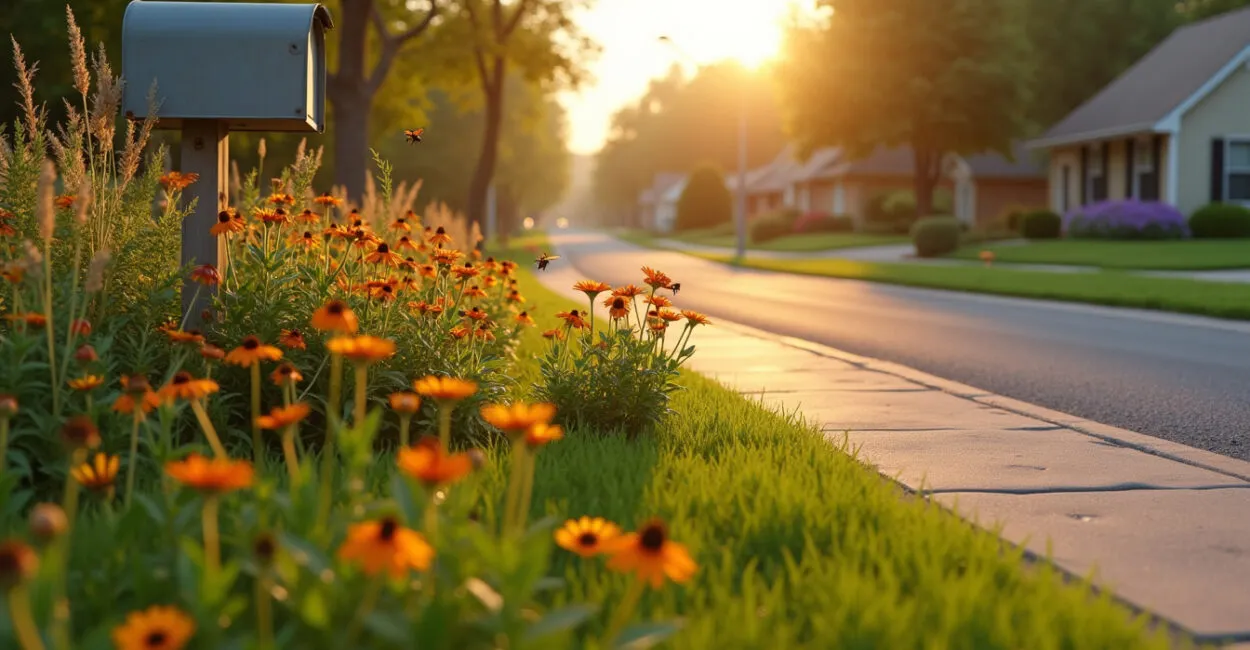 Native flowers flourish beside a neat suburban lawn
Native plants versus lawn for pollinators is not a beauty contest — it’s a tradeoff between habit, habitat, and how much time you want to spend maintaining green space.
In most yards, the winner is not a full tear-out. It’s a small conversion that cuts water, reduces mowing, and gives bees and butterflies something to actually use.
That’s why the smartest landscapes often look “part lawn, part native.” They work harder, cost less to keep alive, and still look intentional from the street.
Why Small Native Patches Beat a Full Lawn Replacement
Technically, pollinator habitat means the plants provide nectar, pollen, shelter, and often host plants for larvae. A lawn provides almost none of that. In the native plants versus lawn for pollinators debate, that gap is the whole story.
Read also: Designing Native Plant Borders for Blooms Throughout the Season
A full lawn replacement sounds noble, but it can be expensive, fussy, and harder to keep tidy in the first year. A 10% to 30% conversion often gets you most of the ecological gain with far less risk. You can lower mowing, save water, and still keep a clean edge that reads as cared-for.
Na prática, what I’ve seen is this: homeowners who try to do everything at once burn out. The ones who convert a front border, a tree ring, or one sunny strip usually keep going. That’s the hidden advantage of native plants versus lawn for pollinators — momentum.
Read also: Native Pollinator Gardens: The Mistake That Shrinks Bloom Time
The Real Tradeoffs: Water, Mowing, Habitat, and Curb Appeal
Lawns win on uniformity. Native plantings win on function. The hard part is deciding what matters most on your block.
Factor Lawn Native plants Water Often higher, especially in heat Usually lower once established Mowing Frequent Minimal or seasonal Habitat Poor for pollinators Strong nectar and host value Curb appeal Instantly familiar Better with design and borders
The surprise is curb appeal. A messy native bed gets judged; a framed, layered one gets praised. That’s why the best native plants versus lawn for pollinators projects borrow from both worlds: crisp edging, grouped plants, and a visible path or border.
Native plants don’t have to look wild — they have to look deliberate. That single difference changes how neighbors, buyers, and you react to the yard.
How to Make the Switch Without Losing the Yard
Start where lawn is underperforming: thin shade, steep slopes, hot corners, or awkward strips near the sidewalk. Those spots are expensive to mow and often weak for grass anyway.
- Replace one bed, not the whole yard.
- Use local natives matched to sun and soil.
- Keep one clean lawn shape for contrast.
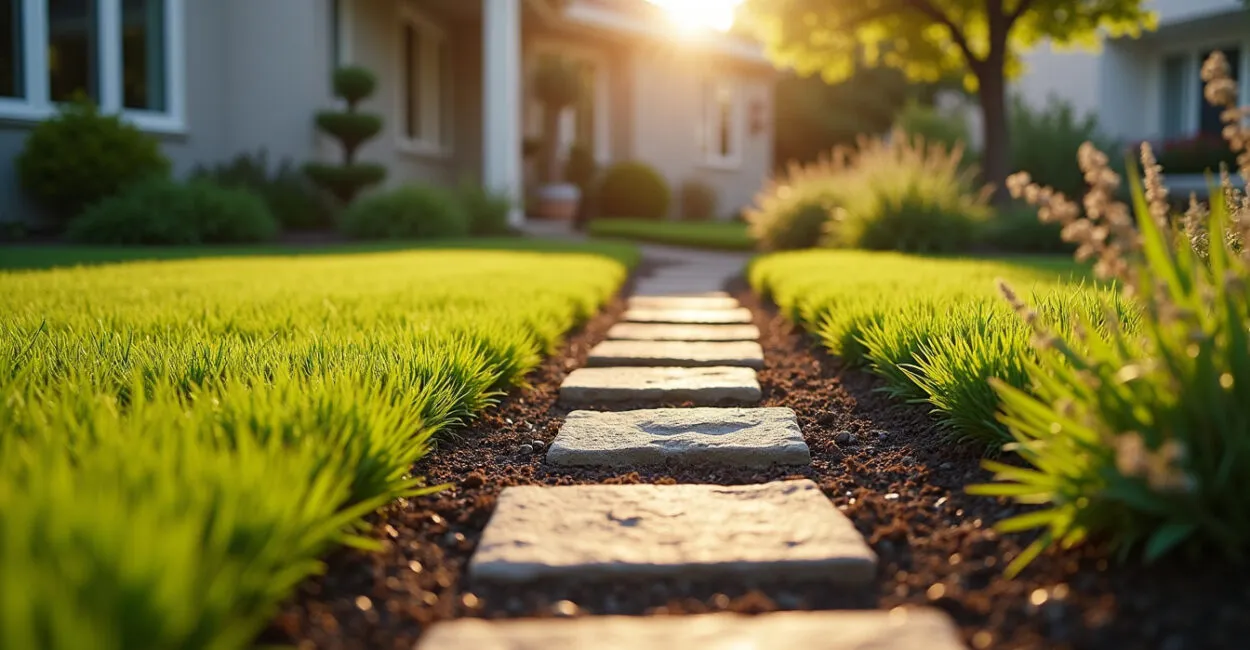
- Mulch the edges so the transition looks finished.
That’s the practical lesson in native plants versus lawn for pollinators: you do not need a perfect prairie. You need a yard that feeds something, holds water better, and still looks like someone lives there.
According to the National Wildlife Federation’s native plant guidance, native species support local wildlife far better than most ornamental imports. And the USDA Forest Service’s pollinator resources explain why matching plants to local ecosystems matters so much.
The best-looking yards in 2026 may not be the greenest. They’ll be the ones that stopped pretending every square foot had to be grass.
Do Native Plants Always Cost More Than Lawn?
At the start, they can. Plants, mulch, and setup usually cost more than simply keeping turf. But lawns carry a steady bill: mowing, watering, fertilizer, and replacements in hot spots. Over a few seasons, a well-placed native area often closes that gap, especially if it reduces irrigation and mowing time.
Will a Native Bed Hurt Curb Appeal?
Not if you design it with edges, repetition, and height control. The problem is rarely the plants themselves; it’s the lack of structure. A narrow, framed native border can look more polished than a stressed lawn. In many neighborhoods, that balance reads as thoughtful rather than messy.
What’s the Easiest First Conversion?
Pick the worst part of the lawn: a dry strip, shady corner, or slope that never looks good anyway. Those areas are usually the most expensive to maintain and the least useful for pollinators. Replacing a small, visible section gives you quick proof without making the whole yard feel like a project.
How Long Until Pollinators Actually Show Up?
If the plants bloom in your region, often faster than people expect. Bees and butterflies notice food sources quickly, but the mix matters. A few flowering natives are better than a random patch of “pollinator-friendly” plants that don’t match local species. The first season is usually about discovery; the second is when the yard starts feeling alive.
Should I Remove All Grass at Once?
Usually no. That approach is expensive, stressful, and easy to regret if you later want open space for kids, pets, or play. Most landscapes work better with a hybrid layout. A smaller, smarter conversion often gives you the benefits of native plants versus lawn for pollinators without sacrificing the parts of the yard you still use.
📱 See this content as a Web Story