Warning: Cannot modify header information - headers already sent in /home/u278635817/domains/myhousegarden.com/public_html/wp-content/plugins/artigosgpt/artigosgpt.php on line 28454
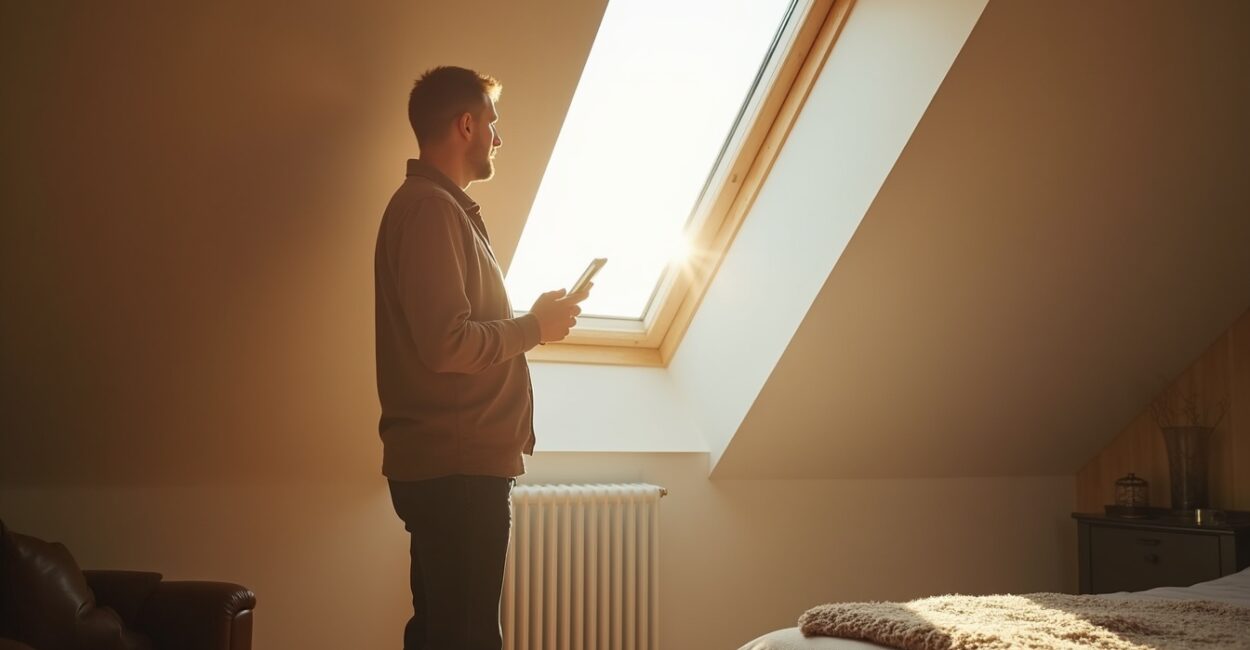
Sunlight pouring through a skylight can feel like free warmth and light — but what about the bill at the end of the month? The real question is skylight ROI: how long until that dramatic daylight start paying for itself in lower energy costs? Let me give you the surprising short answer up front: in many climates and home types, the fastest paybacks happen in 5–8 years when you pick the right model and placement.
Why Some Skylights Pay for Themselves in Under a Decade
Skylights cut electric lighting and heating loads simultaneously — and that dual effect is where the math becomes convincing. In cold, sunny climates, passive solar gains from a well-placed skylight reduce heating needs in shoulder seasons and winter. In temperate areas, daylight reduces lighting hours enough to lower summer and winter consumption. The trick isn’t just adding glass; it’s matching glazing, size, and shading to your roof orientation and attic insulation.
The Climate Breakdown: Where Returns Are Fastest (and Where They Aren’t)
Not all regions are created equal. In snowy, high-latitude zones with long sunny winters, skylight ROI often beats expectations because heating offsets are large. In hot, humid climates, poorly chosen skylights can increase cooling costs and kill ROI. Coastal and temperate zones tend to land in the middle — decent daylight savings, modest heating benefits.
Sources like the U.S. Department of Energy show how solar admission and thermal performance vary by locale — that geographic nuance drives payback.
Which Skylight Models Deliver the Quickest Payoff
Pick the right technology and you change the equation: fixed tubular skylights and daylighting tubes often deliver the fastest ROI in single-story homes because installation costs are low and light distribution is efficient. For larger rooms, venting double-glazed skylights with low-E coatings and argon fill provide the best balance of daylighting and thermal control. Motorized shades and operable vents add upfront cost but can shorten payback in variable climates.
Placement Matters: The Unexpected Truth About Where to Put Them
People assume “center of the roof” is safest. Not true. Skylight ROI is maximized when you place units to illuminate high-use spaces and when roof pitch aligns with sun angles. A skylight above a north-facing stairwell will give useful diffuse light but almost no heating. Conversely, east- or south-facing placements deliver morning or winter solar gain when you want it. Consider room function: kitchens and home offices return value faster than rarely used guest rooms.
Common Mistakes That Erase the ROI
Here’s what wrecks payback:
- Buying the cheapest glass without low-E coatings or proper glazing.
- Placing skylights where heat gain creates AC spikes in summer.
- Skipping flashing and insulation details — leaks and thermal bridges kill savings.
- Ignoring controls and shades that modulate unwanted heat or glare.
Before/after Comparison: One Real-world Flip That Surprises Buyers
Expectation: Add two skylights and your house feels brighter; payback is >15 years. Reality: A mid-2000s bungalow installed two 18-inch daylight tubes over the kitchen and hall, plus a south-facing venting skylight in a well-insulated attic. Heating bills dropped 12% that first winter due to solar gain; electric lighting usage in main areas fell by 40%. Combined, the owner saw an effective payback of roughly six years — half the expected time.
How to Calculate Your Likely Payback (quick Checklist)
Do this before you buy:
- Estimate annual lighting hours reduced (kWh saved) and winter heating offsets based on climate zone.
- Get model U-values and SHGC from the manufacturer.
- Add installation, flashing, and shade/control costs — don’t forget potential structural work.
- Run a simple payback: total installed cost ÷ annual energy savings value.
If you want a shortcut, many local utility programs or energy auditors will estimate potential savings; the U.S. Department of Energy has calculators and guidelines that help standardize assumptions.
Two reputable external references that back up these patterns are the Department of Energy’s guidance on daylighting and a series of university studies on residential solar gains — both useful when you want numbers, not guesses. For roofing- and flashing-related best practices, the National Roofing Contractors Association or university extension programs are solid references; for example, a technical brief on skylight installation can avert the common leak-and-heat-loss errors (NRCA).
Quick transition: now that you know where the value hides, let’s close with something that sticks.
If a skylight is positioned and specified like an appliance that earns you money — not like a decorative window — it stops being a luxury and becomes an investment. Consider climate, model, and placement before impulse buys; the right choices turn light into dollars saved.
How Long Will a Skylight Typically Take to Pay for Itself?
Typical payback ranges from about 5 to 15 years depending on climate, model, and installation quality. In sunny, cold climates where heating is a large portion of energy bills, paybacks cluster around 5–8 years for high-performance units. In hot climates without careful shading, payback can exceed 15 years or never occur due to added cooling costs. Accurate payback needs local energy prices, selected skylight specs, and estimated lighting/heating reductions plugged into a simple cost-savings calculation.
Which Skylight Type Gives the Best ROI for Single-story Homes?
For single-story homes, tubular daylighting devices (TDDs) often give the highest ROI: low material and installation costs, minimal roof alteration, and efficient light delivery to small-to-medium rooms. Fixed acrylic or polycarbonate tubes can reduce daytime lighting needs substantially. For larger living areas, a well-specified insulated glass skylight with low-E coating may be better despite higher cost. Consider roof structure, insulation, and the room’s hours of use when deciding between tubes and full skylights.
Can Skylights Increase Cooling Costs in Summer?
Yes — improperly selected or placed skylights can raise summer cooling loads by admitting unwanted solar heat. High solar heat gain coefficient (SHGC) glazing, south- or west-facing orientations without shading, and lack of operable shades or vents are common culprits. To avoid this, choose low-SHGC glazing or automated shades, consider operable skylights for night ventilation, and pair skylights with attic insulation and reflective roofing. The goal is to get daylight benefits without turning the skylight into a greenhouse.
Are There Incentives or Rebates That Improve Skylight ROI?
Often yes. Some utilities and municipal programs offer rebates for energy-efficient lighting upgrades or whole-home energy improvements that can include daylighting devices. State energy offices and federal programs sometimes provide tax credits or financing for efficiency upgrades. Check resources like the U.S. Department of Energy and state energy office pages for current incentives. Rebates and tax credits can shave years off your payback timeline, especially on higher-end insulated skylights with certified performance ratings.
What Should I Inspect Post-install to Protect My Investment?
After installation, check for proper flashing and interior sealing to prevent leaks and thermal bridging. Monitor for drafts, condensation, or unusual heat transfer in the first seasons. Confirm shades/controls operate and that any vents close tightly. Schedule a roof inspection after severe weather. Finally, track energy bills for a year to validate expected savings; if results are off, consult your installer or an energy auditor to troubleshoot insulation or placement-related issues that might be undermining the projected skylight ROI.