Warning: Cannot modify header information - headers already sent in /home/u278635817/domains/myhousegarden.com/public_html/wp-content/plugins/artigosgpt/artigosgpt.php on line 28454
My succulent had a white dusting that I ignored for a week. By day ten, every leaf looked eaten, sticky, and sad. That’s when I learned the brutal truth: pests don’t announce themselves. They sneak, multiply, and turn a cozy apartment jungle into a slow-motion disaster. If you want to spot them fast and stop the spread—without killing your plant collection or your peace—read on.
How to Spot the Six Pests That Wreck Houseplants Fast
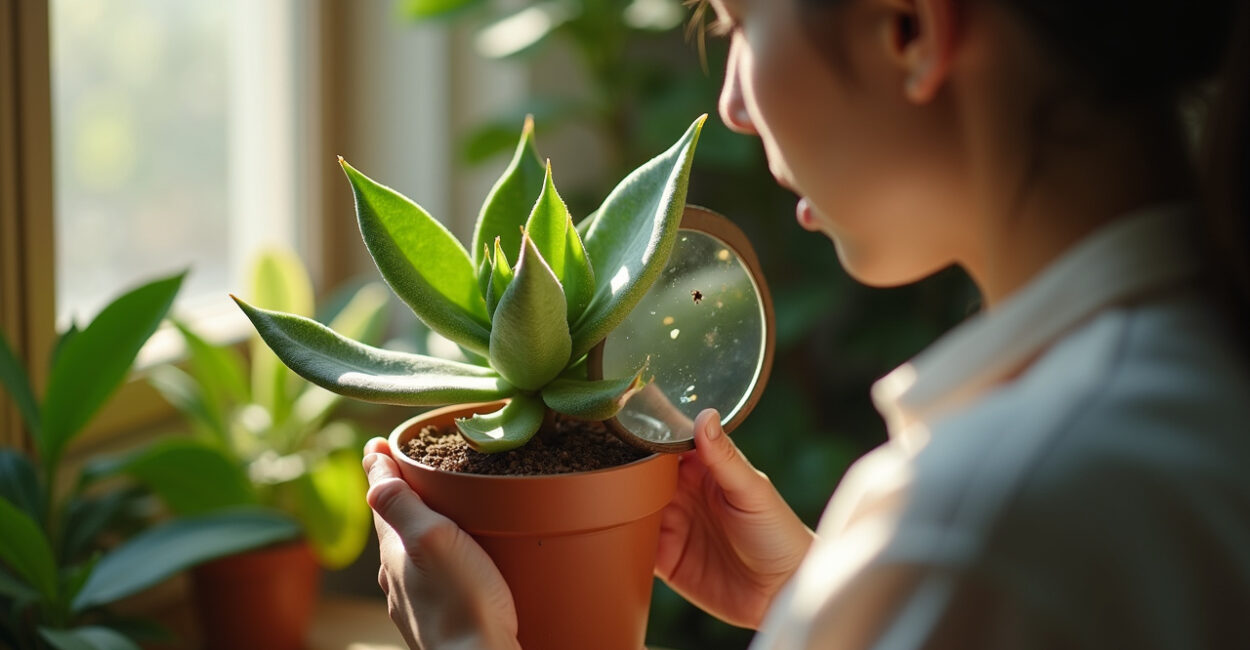
Spotting pests early is the single habit that saves plants. Look for webbing, sticky residue (honeydew), white cottony blobs, tiny moving dots, yellow stippling on leaves, and distorted new growth. The usual suspects are mealybugs, spider mites, aphids, scale, fungus gnats, and thrips. Pests can hide under leaves, in potting mix, or along stems. Check both surfaces, leaf axils, and soil. A magnifying glass or phone camera can reveal what your eyes miss.
The One-minute Inspection Routine That Prevents Infestations
Do this weekly and your odds of a full-blown outbreak drop dramatically. Lift the plant, sniff the soil, tilt leaves, and shine a light underneath. If you see specks that move, that’s pests. If you find sticky residue, assume mealybugs or aphids. If there’s fine webbing, spider mites are likely. Pests spread from neighbor plants, new buys, and reused soil. Quarantine new plants for two weeks and always check the undersides before bringing them inside.

DIY Treatments That Actually Work (safe for Home and Pets)
Not every infestation needs toxic sprays. Start with these low-risk options and escalate if needed:
- Isolate the plant immediately.
- Blast heavy infestations with water or wipe adults off with alcohol on a cotton swab (mealybugs, scale).
- Use insecticidal soap or neem oil for aphids, spider mites, and thrips—apply every 5–7 days until gone.
- Sticky traps and allowing the soil to dry reduce fungus gnats.
One clear rule: alcohol wipes for visible bugs, neem or soap for eggs and tiny movers, and yellow sticky traps for flying pests. Always test sprays on a hidden leaf first.
The Comparison You Need: Home Remedies Vs. Professional Treatments
Expectation: a cheap spray fixes everything. Reality: some problems need pro action. Compare outcomes:
- Home remedies (soap, neem, alcohol): cheap, safe, ideal for early or localized pests.
- Professional treatments (systemic insecticides, fumigation): fast, effective for severe outbreaks or persistent pests like scale and root mealybugs.
Think of home remedies as triage. They work well for aphids, spider mites, and early mealybugs. For root mealybugs or scale burrowed under bark, a pro or systemic may be the only reliable fix. Use the least toxic option that succeeds.

Common Mistakes That Make Pests Worse (what to Avoid)
People unknowingly help pests by doing the wrong things. Avoid these errors:
- Overwatering—breeds fungus gnats and softens plants for attack.
- Waiting to act—small colonies become infestations in a week.
- Sharing tools or soil—pathways for spread.
- Using oil/soap too heavily—can burn leaves and stress plants.
- Throwing infected pots in communal compost—spreads pests outdoors.
Don’t assume “I’ll handle it later.” Acting quickly and correctly is the difference between saving and discarding a plant.
When to Isolate, Treat, or Toss: Making the Call
Not every infected plant is a lost cause, but some should go. Isolate any plant the moment you spot pests. Treat if pests are on foliage, stems, or a portion of roots and you can see the bugs. Consider discarding when:
- More than half the plant shows damage.
- Root mealybugs are widespread and re-infest despite treatment.
- Pests have spread to multiple plants and you lack time or tools to treat.
A practical rule: if treatment won’t restore the plant within two months, salvage what you can (cuttings, uninfected leaves) and discard the rest to protect your collection.
Preventive Design: Arrange Your Home to Starve Pests
Prevention beats treatment. Design your plant space to reduce pest pressure. Give airflow, avoid crowded shelves, rotate plants for light, and use fresh potting mix. Keep humidity steady but not stagnant—high humidity helps spider mites and fungus gnats. Add a fan for circulation. Buy plants from reputable sellers and inspect them on arrival. Pests love neglected corners and dusty leaves. Regular cleaning and decent light make infestation much less likely.
Small, consistent habits save plants more than occasional heroic measures. Find pests early, act fast, and favor gentle, proven treatments. Your collection will thank you—literally—with new growth instead of holes.
How Quickly Do Pests Spread Between Houseplants?
Pests can spread in days under ideal conditions. Aphids and spider mites reproduce rapidly; a colony can explode within a week on warm, dry indoor plants. Fungus gnats emerge from soil and fly to nearby pots in days. Mealybugs and scale move more slowly but hitchhike on tools, hands, and new plants. For true prevention, quarantine new plants for 10–14 days, inspect weekly, and avoid sharing soil or tools. Early detection cuts transmission risk dramatically and keeps your collection healthy.
Are Home Remedies Safe for Pets and Children?
Many home remedies are safer than commercial insecticides, but some precautions matter. Insecticidal soaps, neem oil, and diluted rubbing alcohol are generally low-toxicity when used properly; still, keep treated plants away from pets until they’ve dried. Never use concentrated essential oils or undiluted chemicals. Read labels, ventilate the area, and store products out of reach. If you have immunocompromised people or very young children, consult a vet or pediatric advice before using stronger treatments or systemic chemicals indoors.
When Should I Call a Professional Pest Controller?
Call a pro if pests persist after multiple safe treatments, if root mealybugs or scale are widespread, or if damage affects most of your collection. Professionals can apply systemic treatments and identify hidden reservoirs in soil, pot rims, or structural cracks. They also handle fumigation when absolutely needed. If you depend on valuable or rare plants, early professional input can save them. Weigh cost versus value: calling a pro early sometimes costs less than repeated DIY failures and lost plants.
Can I Save Cuttings from an Infected Plant?
Yes, often you can rescue healthy cuttings. Take cuttings from pest-free sections, wash them gently, and allow them to callus before potting in fresh, sterile mix. Dip cut ends in diluted hydrogen peroxide or a mild fungicide if you see soil pests. Keep new cuttings isolated and monitor closely for two weeks. Avoid taking cuttings from heavily infested or root-invaded plants—those are likely to carry eggs or root mealybugs into your clean soil.
Which Monitoring Tools Are Worth Buying?
Invest in a few practical tools: a hand lens (10–20x magnification) to spot tiny mites; yellow sticky traps for flying pests like fungus gnats; an inexpensive moisture meter to avoid overwatering; and a spray bottle for soap or neem applications. A small fan improves airflow. You don’t need fancy gadgets—consistent checks and a couple of simple tools outperform occasional expensive treatments. The right tools help you catch pests when they’re still easy to stop.
Sources: For identification and treatment guidelines, see EPA pesticide basics and integrated pest management resources at IPM Centers.