

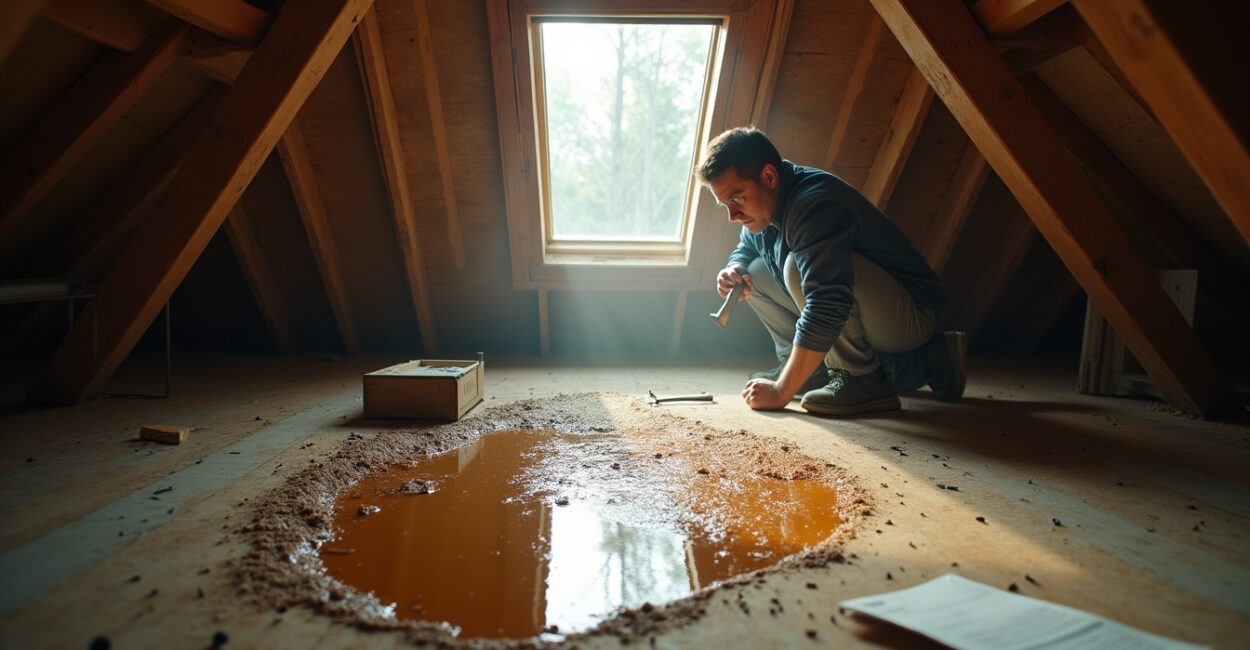
Half a weekend and a dream of sunlight later, you crawl into your attic and find a wet patch. Skylight cost shows up in the worst scenes: surprise leaks, steep quotes, or a contractor saying “it depends.” If you want sunlight without the regret, you need real numbers—materials, labor, permits, and the add-ons that secretly double the bill. Here’s the straightforward breakdown homeowners wish they’d seen before signing anything.
What Most Quotes Don’t Tell You About Skylight Cost
Contractor quotes often show the bottom line, not the real line. You’ll see a figure for the fixture and “installation,” but that rarely accounts for flashing upgrades, structural framing, or tear-off disposal fees. Contractors price risk—if your roof is old, they’ll add a contingency. Expect to pay a premium for difficult roof pitches and for bringing equipment like scaffolding or lifts. In short: the sticker price is a starting point, not a final bill.
The Materials That Drive the Price (and When to Splurge)
Material choice swings skylight cost dramatically. Plastic dome skylights can run $150–$400, while high-end laminated glass units or motorized venting systems push $800–$2,500 just for the unit. If you want long-term value, prioritize glazing and curb quality over decorative trims.
- Basic acrylic dome: cheap but fades and scratches.
- Tempered glass: clearer, longer lifespan, higher cost.
- Low-E coatings and insulated glass: reduce heat gain/loss—worth it in extreme climates.
- Electric blinds and venting: convenience adds $300–$1,000+.
Labor, Roof Type and How They Change the Math
Labor is the largest variable. In a simple scenario—replacing a skylight on a moderately pitched asphalt roof—expect $300–$700 labor. On tile roofs, steep pitches, or historic homes, labor can jump to $1,000–$2,000 because of specialized skills and extra time. Think of it as paying for risk management: the harder the access and the older the roof, the more you pay.
Permits, Inspections and the Surprise Fees You’ll Face
Don’t skip permitting. Municipal permits and required inspections typically cost $50–$500 depending on location and the scope of the work. Some cities require engineered plans for structural changes—those add drafting fees and time. For peace of mind, call your local building department early; missing a permit can mean a rework order or fines that double your outlay. According to many city sites, proper permits protect resale value and safety—worth every dollar if you plan to sell.
Common Add-ons and When They’re Actually Necessary
These extras often feel optional until they’re suddenly essential. Common add-ons include curb adapters, custom flashing kits, thermal collars, and ventilation tie-ins. What looks like a $100 accessory can become a $600 necessity on older roofs.
- Custom flashing: required on many metal and tile roofs.
- Curb replacement or raising: when the existing curb is rotted or too low.
- Insulation and trim: to prevent condensation and drafts.
- Electrical hookup for venting motors: if you want remote control.
Real-world Price Examples by Skylight Type and Roof Condition
Concrete examples help budget confidently. Here are scenarios that reflect market averages, labor, and common add-ons:
| Scenario | Unit | Labor & extras | Estimated total |
|---|---|---|---|
| Basic plastic dome, asphalt roof | $150–$300 | $300–$600 | $450–$900 |
| Tempered glass venting skylight, asphalt | $600–$1,200 | $500–$1,000 | $1,100–$2,200 |
| Sun-tunnel on tile roof | $200–$700 | $800–$1,600 | $1,000–$2,300 |
| Custom glass skylight, structural cut-in | $1,200–$3,000 | $1,500–$4,000 | $2,700–$7,000+ |
These reflect typical US metro pricing; remote areas or luxury regions trend higher.
Mistakes to Avoid (and a Mini-story That Proves the Point)
Common mistakes drive costs up fast:
- Picking the cheapest fixture and skimping on flashing.
- Ignoring roof condition before installation.
- Failing to secure proper permits.
- Not budgeting for electrical or insulation needs.
One homeowner skipped a professional inspection and paid $2,500 to replace damaged rafters discovered only after the skylight was installed. What started as a $900 project turned into a structural repair plus reinstallation—more than double the original estimate. The lesson: an upfront inspection and honest quote prevent sleepless nights and surprise invoices.
Want authoritative backup? The U.S. Department of Energy explains the energy impacts of window and skylight glazing, which affects long-term savings, and many municipal building departments outline local permit requirements—both good places to check before you buy. Department of Energy: Windows, Doors and Skylights and International Code Council are practical starting points.
Skylight cost isn’t a single number—it’s a sum of choices and conditions. Pick quality where it matters (glazing, flashing, and a vetted installer), budget for the roof’s reality, and get permits. Do that, and the light you bring in will feel like an upgrade instead of a regret.
How Long Does a Typical Skylight Installation Take?
Most standard replacements on an accessible asphalt roof take one day: about three to six hours for removal and reinstallation, plus time for flashing and sealing. Complex installs—framing changes, cutting rafters, or working on tile or metal roofs—can stretch to two or three days. Weather, inspections, and electrical hookups add time. Always ask your contractor for a timeline with contingencies, and confirm whether the quote includes cleanup and disposal so there are no surprises.
Will Adding a Skylight Increase My Energy Bills?
It depends on glazing and orientation. Single-pane or clear skylights can raise cooling and heating loads, while double-pane, Low-E, and insulated units reduce energy transfer. Proper placement and shading matter; a south-facing skylight without shading can add significant solar gain in summer. High-quality skylights with thermal breaks and coatings often pay back over years through improved daylighting and lower artificial lighting costs, but initial selection is crucial—cheap models can cost more in energy over time.
Do I Need a Structural Engineer to Install a Skylight?
Not always. Small replacements that fit existing curbs rarely need structural review. But if you’re cutting into rafters, enlarging openings, or installing on load-bearing surfaces, an engineer’s stamp may be required by code and is prudent for safety. For homes with older framing, unusual roof geometry, or when you plan multiple or large skylights, a structural assessment prevents costly mistakes. When in doubt, a short inspection can save thousands in undetected problems.
How Much Should I Budget for Permits and Inspections?
Permit costs vary widely by jurisdiction—expect $50–$500 for typical skylight installs, but engineered plans add drafting fees and permit charges can climb. Some cities require multiple inspections (framing, final), each with a fee or scheduling time. Factor in a modest contingency of 5–10% of the project for administrative costs. Contact your local building department early to learn exact fees and required documentation—doing this upfront avoids delays and fines later.
What Maintenance Will Keep a Skylight from Leaking or Fogging?
Regular checks twice a year are the simplest protection: inspect flashing and seals, clear debris from roofs and gutters, and clean glazing to spot hairline cracks. Replace seals or flashing immediately if you see gaps. Interior condensation or clouding often indicates failed insulated glazing units and may require replacement. For motorized skylights, check the motor and drainage channels annually. Preventive maintenance costs a fraction of repair or replacement bills and preserves the unit’s lifespan and performance.