
Landscaping Tips: How to Increase Property Value in 3 Days — Step by Step
Transform your yard with a three-day landscaping makeover! Boost curb appeal and value fast—discover easy tips you can start today. Click to learn more!
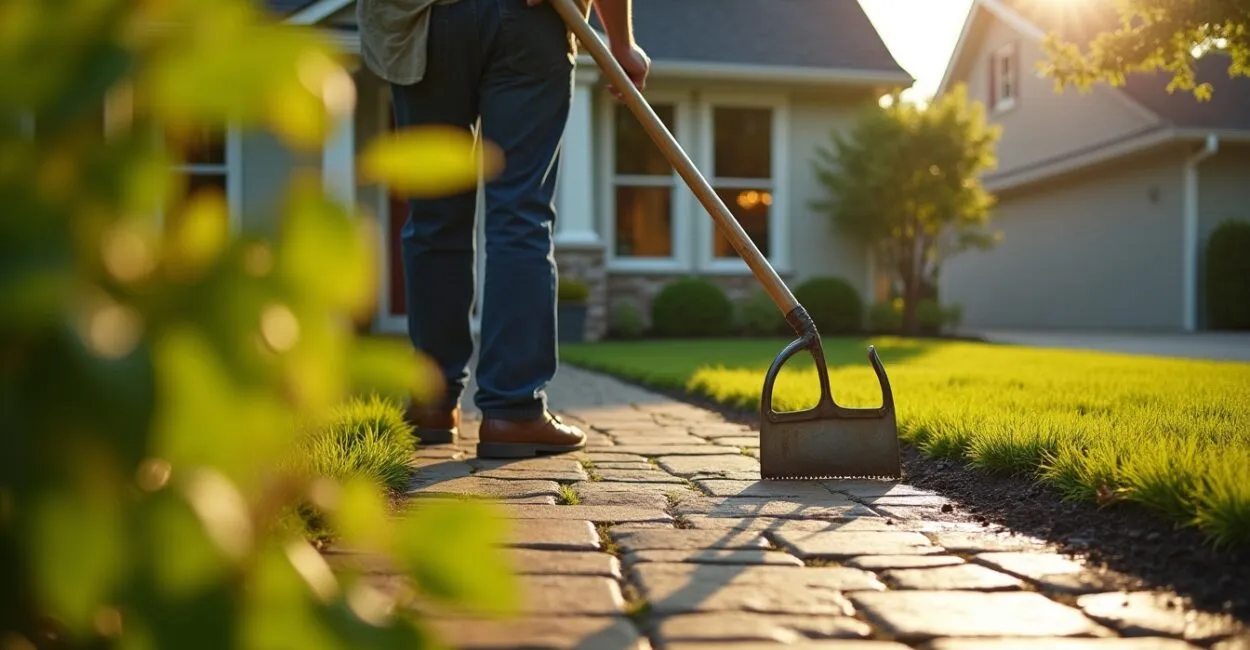 Homeowner edges a crisp lawn beside fresh mulch
Imagine pulling into your driveway and feeling like you’ve arrived someplace cared for—curb appeal that whispers “worth more” before anyone sees inside. These landscaping tips are the exact, practical moves you can finish in three days that change first impressions and lift property value. No giant budget, just focused actions: tidy lines, fresh mulch, a few smart plantings, and a couple of hardscape accents that look intentional. Read on for a day-by-day plan and the small details that make buyers—and neighbors—notice.
Day 1: The Quick Cleanup That Pays Back
Cleaning is the highest-return landscaping task you can do in a morning. Start by removing dead branches, hauling away debris, and pressure-washing walkways and the front porch. Cleanliness reveals the architecture of your yard and lets later improvements read as deliberate, not desperate. Practical steps: trim overgrown shrubs to a uniform line, edge beds with a half-moon spade, and rake leaves into discreet piles for composting or removal. A tidy first day makes Days 2 and 3 look exponentially smarter.
Day 2: Mulch, Plant, and the Rule of Three
Mulch makes a yard look finished; plants add life and perceived value. Lay 2–3 inches of fresh mulch in beds to unify color and suppress weeds. Plant three focal plants (a taller anchor, a mid-size flowering bush, and a low groundcover) near the entrance to create depth and repeatable rhythm. Use native or drought-tolerant species to lower maintenance. Buy bulk mulch and local nursery bargains in the morning, install in the afternoon—by evening your beds will look intentional and cared for.
Read also: Driveway Landscaping Ideas to Boost Luxury Curb Appeal
Day 3: Trim, Accents, and First-Seconds That Sell
Small hardscape accents create the “first-second” impression: the split second someone decides a place is loved. Add a crisp gravel path edge, replace worn house numbers, install two pathway lights, and set a clean bench or planter. Trim hedges to clear sightlines and prune trees that block light. These accents are inexpensive but signal permanence. Buyers register these details subconsciously—lighting, textures, and clear sightlines translate into higher perceived value more than a single expensive tree.
The Before/After Comparison That Changes Decisions
A tidy, mulched, and lit yard increases perceived value far more than a random luxury upgrade. Expect the before/after effect: an unkempt lawn with scattered beds looks neglected; the same lawn, edged, mulched, and planted, reads as low-maintenance and thoughtful. A practical comparison: a $300 mulch-and-plants investment plus $150 in accents can change a buyer’s emotional score more than a $2,000 interior cosmetic update. This is where perception converts to offers.
Read also: Lake House Landscaping Ideas: Shoreline, Gardens and Paths
Common Mistakes to Avoid (so Your Three Days Count)
Don’t waste time on flashy but noisy mistakes. What to avoid: overplanting with immature species that need constant care; piling mulch against trunks (causes rot); mismatched or cheap lighting that looks broken; over-fertilizing causing brown edges; and neglecting irrigation needs after planting. Instead, choose durable materials, follow planting depth rules, and leave clean sightlines. These errors flip a quick upgrade into ongoing maintenance that actually lowers appeal.
Mini-Story: The Neighbor Who Sold Above Asking
He started on a Friday afternoon: pulled weeds, edged beds, and bought three native shrubs Saturday morning. By Sunday he laid fresh mulch and swapped broken pathway lights for two solar lanterns. Two weeks later, his house sold $12,000 above asking. Not because the house changed, but because the yard read as cared-for and low-effort to maintain. Small, decisive acts over a single weekend made buyers feel confident—and confident buyers pay more.
Quick Materials Checklist and Cost-Smart Choices
Spend your money where it shows: mulch, plants, simple lighting, and a couple of hardscape pieces. Essential list: bulk mulch (2–3 cu yd), three focal plants, an edging tool, two pathway lights (solar OK), gravel for minor paths, and landscape fabric if problems with weeds persist. Shop local nurseries for healthy, established plants; rent a pressure washer instead of buying; and consider reclaimed stone for accents. These choices keep costs down and visual impact high.
For guidance on native plant selection and water-wise landscaping, see recommendations from the U.S. Department of Agriculture and local extension services. According to USDA guidelines, choosing adapted species reduces long-term maintenance. Also, university extension programs often publish planting and pruning calendars that match your climate—search your state extension for tailored advice, such as those found through Cooperative Extension.
What you do this weekend can shift a buyer’s whole reaction. Spend three focused days, not three vague months, and your curb will speak for your property in dollars and confidence.
How Much Should I Budget for a Three-day Landscaping Refresh?
Budget depends on yard size and choices, but a practical range is $300–$1,200. Expect to spend most on mulch, three focal plants, and two quality pathway lights. Rent tools like a pressure washer or edger to save money. Choose native or drought-tolerant plants to avoid irrigation expenses. If you add simple hardscape like gravel or reclaimed stone, push toward the higher end. Prioritize visible areas—front yard and entry path—to maximize perceived value per dollar spent.
Which Plants Give the Biggest Visual Impact with Low Maintenance?
Look for plants that combine season-long interest, tough health, and low water needs. Native shrubs, ornamental grasses, and evergreen perennials usually deliver. Examples include boxwood or dwarf hollies for structure, lavender or salvia for color and pollinators, and feather grass or fountain grass for texture. Group plants in odd numbers and use repetition for cohesion. Avoid tender exotics unless you’re committed to extra care; durability translates to buyer confidence and higher perceived value.
Can I Do Everything Alone, or Should I Hire Pros?
Most homeowners can complete the three-day plan solo, especially if tasks are simple: trimming, mulching, planting, and accenting. Rent or borrow tools for efficiency. Hire professionals for more technical tasks—tree pruning above shoulder height, major grading, or hardscape installations involving retaining walls or electrical work. A landscaper consultation for an hour can cost little and prevent costly mistakes. For simple curb-appeal boosts, the DIY route is often faster and more cost-effective.
How Do I Maintain the Upgrades So Value Stays High?
Maintenance is simple but consistent: keep mulch refreshed annually, prune to maintain shape and sightlines, replace burnt-out lights promptly, and address weeds quickly before they reseed. Water new plantings regularly for the first season, then move to deep, infrequent watering. Create a short seasonal checklist—spring pruning, summer weeding, fall leaf removal, winter tool maintenance—to preserve the initial three-day impact without major ongoing time commitments.
Will These Quick Landscaping Tips Really Increase My Home’s Sale Price?
Yes—strategic curb-appeal upgrades influence buyer perception strongly and can increase sale price and speed. Buyers often decide emotional interest before seeing interiors; a cared-for exterior reduces perceived risk and maintenance concerns. While exact dollars vary by market, modest investments that improve first impressions often yield high returns. Think of these changes as psychological framing: clean lines, intentional plantings, and subtle lighting make the whole property read as well-maintained, prompting stronger offers.