

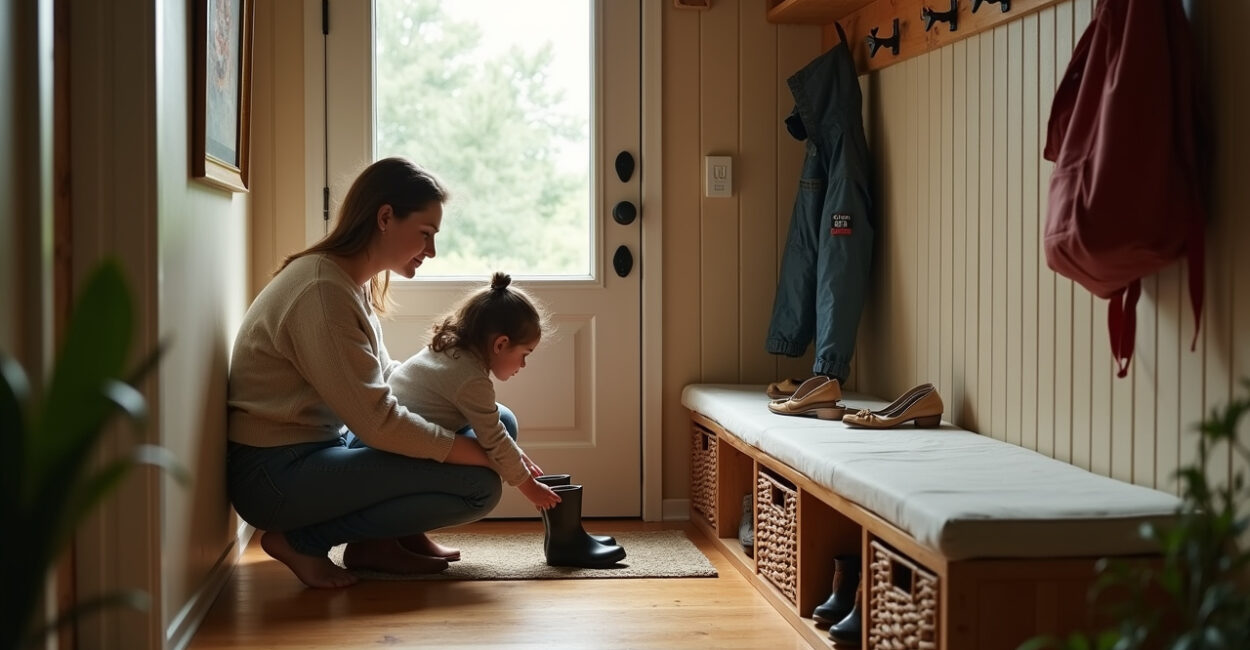
Mudroom hacks streamline entry routines by keeping shoes, coats, and gear organized right where you need them. For busy families in small homes, mudroom hacks matter because they reduce clutter, speed up transitions, and protect floors. Start with vertical storage, slim seating, and clear labeling to create an efficient drop zone that works every day.
The core problem is limited square footage: tiny houses and compact entries demand smart use of vertical space and multi-use furniture. Practical mudroom hacks for small homes focus on hooks, narrow benches with hidden storage, labeled bins, and seasonal rotation to keep items accessible yet out of sight. This article shows proven solutions and quick setups.
Below we cover seven focused strategies (each a variation of mudroom hacks) including step-by-step tips, comparison tables, checklists, and seasonal routines to help families implement fast entryway systems that last.
Compact Mudroom Hacks for Tiny Entries
Vertical Hooks and Wall-mounted Solutions
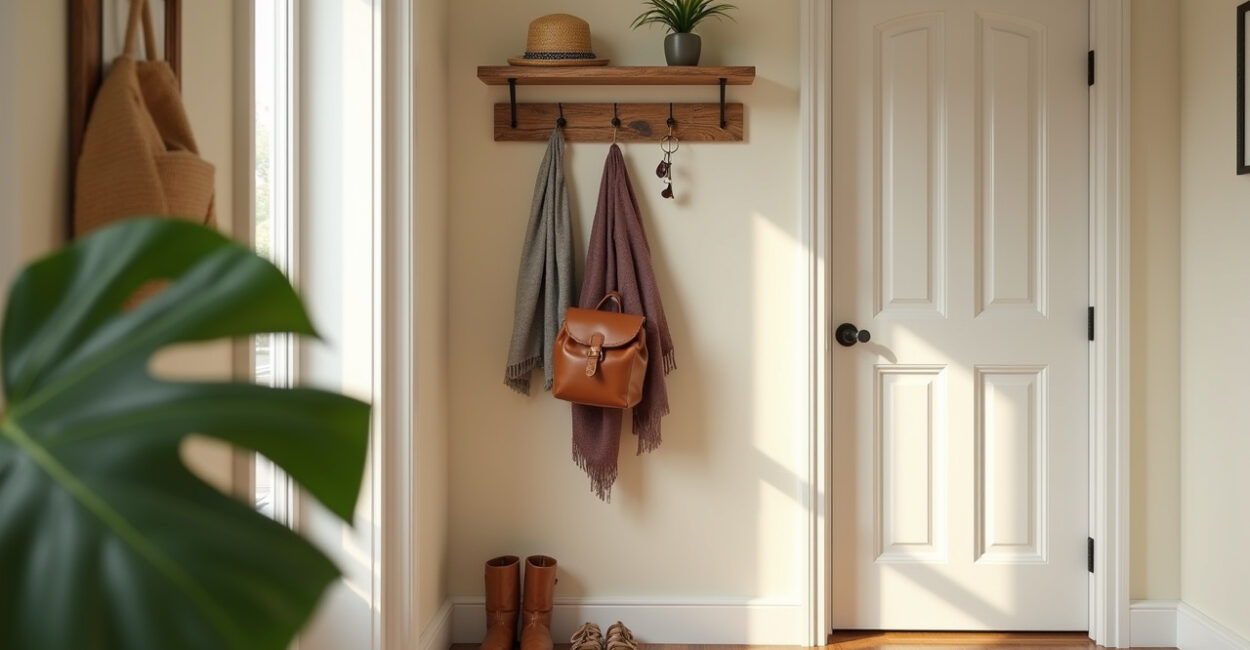
Vertical hooks are cornerstone mudroom hacks that multiply storage capacity on narrow walls. Mount staggered hooks at different heights to hold kids’ coats, dog leashes, and backpacks without overcrowding a single rail. Use heavy-duty anchors for stability, and consider decorative pegboards or rail systems that allow easy reconfiguration as family needs change.
Choose mixed hook sizes—deep hooks for backpacks, shallow ones for hats—to maximize utility while keeping a neat visual line. Integrating a slim shelf above hooks gives a drop spot for sunglasses, mail, or a catchall tray. This approach keeps floors clear and makes daily transitions faster.
For wet weather, add a waterproof mat or tray under the hooks to collect drips; pair with a ventilated shoe rack nearby to prevent odors. These small investments upgrade function dramatically in compact spaces.
Slim Benches with Hidden Storage
A narrow bench with under-seat storage is a classic mudroom hack that combines seating and concealment. Choose a bench depth of 12–16 inches for tight entries and look for lift-top or cubby designs that hold shoes, scarves, and sports gear. The seat offers a comfortable place to put on shoes without occupying walking paths.
Materials matter: solid wood or moisture-resistant composites stand up better to daily wear. Add cushions with removable covers for easy cleaning. Group baskets or bins inside the bench to separate family members’ items and maintain order.
Placement is key—position the bench adjacent to hooks for a seamless drop-and-sit flow. When space is extremely limited, use a folding stool that nests under a floating shelf for the same effect.
Labeling and Seasonal Rotation Systems
Labeling is a low-cost mudroom hack that reduces decision fatigue and lost items. Use chalkboard labels or printed tags on bins to assign spaces by family member or category—shoes, mittens, soccer gear—so everyone knows where things belong. Visible labels speed cleanups and keep kids accountable.
Seasonal rotation prevents overflow: store off-season boots and bulky items in vacuum bags higher on shelves or in attic storage. Rotate items every change of season to maintain a slim, functional selection in the entry. This preserves floor space and keeps frequently used items at arm’s reach.
Combine labeled bins with a simple inventory checklist pinned near the door; this visual cue helps families prep for trips and quickly spot missing essentials.
Entryway Storage Hacks That Maximize Vertical Space
Stackable Shelving and Cubbies for Shoes
Stackable shelving transforms a narrow corner into effective shoe storage; choose shallow cubbies that fit sneakers and sandals without wasting depth. Arrange shelves vertically to use wall height rather than floor area. Open cubbies encourage quick access while baskets hide clutter for a cleaner look.
Use varying shelf heights for tall boots and low shoes; insert pull-out trays for wet footwear to protect shelving. For very tight spaces, mount a tiered shoe rack behind a door to reclaim underutilized surfaces. These simple mudroom hacks keep footwear organized and accessible.
Label each cubby with initials for family members or categories like “daily” and “sports” to streamline morning routines. Combine cubbies with a bench or mat to create a complete dressing station.
Hanging Organizers and Pocket Storage
Hanging fabric organizers or clear-pocket shoe organizers are lightweight mudroom hacks perfect for storing gloves, masks, dog supplies, and small accessories. Hang them on the back of doors or on a wall-mounted rail to keep small items visible and off surfaces. Clear pockets help kids find items without rummaging.
For heavier items, choose canvas organizers with reinforced hooks. Mix pocket organizers with labeled bins for a layered system that accommodates everything from sunglasses to reusable grocery bags. These flexible solutions adapt as family needs evolve.
Consider modular systems that let you add pockets, shelves, or hooks over time—this maintains cohesion while expanding storage capacity when necessary.
Magnetic Strips and Utility Rails for Tools
Magnetic strips and utility rails are smart mudroom hacks for corralling metal objects—scissors, keys, small tools, and pet grooming devices—within easy reach. Mount strips near the entry for quick access and to avoid misplacing frequently used items. The slim profile keeps walls tidy and functional.
Combine a magnetic strip with labeled trays below for small non-metal items like chapstick or coins. Utility rails with adjustable hooks hold baskets, umbrellas, and dog leashes without taking much space. This system adds both organization and a modern aesthetic.
For safety, place sharp items out of children’s reach or in locked compartments; reserve magnetic solutions for approved small items only.
Quick-install Mudroom Hacks for Rentals and Temporary Spaces
Command Hook Setups and Non-permanent Fixtures
Command hooks and removable adhesive strips are rental-friendly mudroom hacks that provide temporary storage without drilling. Use high-strength hooks for coats and heavier bags, and pair them with small floating shelves that attach with heavy-duty adhesive. This preserves walls while adding function.
Group hooks in zones—keys, outerwear, and accessories—to create intuitive drop points. Opt for coordinated hook designs to maintain style despite being temporary. When you move, remove hooks cleanly and take your system with you.
For extra security, test adhesives on an inconspicuous spot first and follow weight guidelines to avoid damage. These short-term solutions let renters enjoy an efficient entry without permanent alterations.
Over-the-door Organizers and Hanging Racks
Over-the-door organizers are classic mudroom hacks that reclaim vertical space behind doors. Use them for shoes, hats, or cleaning supplies—choose slim profiles to avoid obstructing door movement. They’re easy to install and transfer between homes, making them ideal for renters and seasonal needs.
Combine with a slim wall hook for coats so heavy items don’t stress the door hardware. Over-the-door racks with multiple tiers help separate family members’ items and keep the entryway uncluttered. These organizers are lightweight but surprisingly capacious.
Ensure the door still closes securely and that any added weight is well-distributed; use rubber protectors to prevent scratches on door frames.
Portable Storage Benches and Fold-away Seats
Portable benches and fold-away seats offer seating and hidden storage while remaining mobile—perfect mudroom hacks for flexible households. Look for benches with casters or lightweight builds that slide easily into closets when not in use. The storage compartment can hold seasonal footwear or sports gear between activities.
Fold-away seats mounted on hinges are another space-saver; they drop down for use and tuck flat against the wall. These options are practical for short-term setups and events when extra seating or storage is required.
Choose neutral finishes to match varying decor styles, and use removable liners or baskets to segment belongings for each family member during busy weeks.
Organizational Mudroom Hacks Using Labels and Bins
Color-coded Bins and Family Zones
Color-coded bins are simple mudroom hacks that visually communicate ownership and purpose. Assign a color to each family member, and use corresponding bins for shoes, hats, or sports gear. This reduces mix-ups and speeds cleanups—kids learn where things go at a glance.
For multi-use entries, dedicate zones for daily items, school gear, and seasonal equipment. Place the most-used bins at eye level and store rarely accessed bins higher up. Durable plastic or wicker baskets with liners work well for varied items.
Label bins clearly with names or icons for pre-readers; rotating the color scheme seasonally helps keep the system fresh and engaging for children.
Stacking Baskets and Modular Crate Systems
Stacking baskets and modular crates are adaptable mudroom hacks that let you build a custom storage wall. Use crates of different heights to create tiers for shoes, sports balls, and backpacks. Secure stacks with brackets or anti-tip straps for safety, especially around children.
Modular systems allow you to swap components as needs change—add a drawer for small items or a shelf for lunchboxes. Open crates encourage airflow, while baskets with liners hide mess and maintain a cohesive look.
Label each module by function and rotate contents seasonally to avoid overcrowding. These systems offer a robust, future-proof approach to small-entry organization.
Quick-grab Baskets for Daily Essentials
Quick-grab baskets are an easy mudroom hack to manage last-minute exits: place daily essentials like masks, sunglasses, transit cards, and snacks in a shallow basket near the door. Keep one basket per family member or a communal one for shared items. This reduces frantic searches and speeds departures.
Use a shallow tray or decorative bowl for keys and wallets to avoid lost items. Refresh basket contents weekly to remove clutter and ensure necessary supplies are always stocked. This ritual keeps the entry orderly and reliable.
For added convenience, pair baskets with a small wall calendar or message board for reminders, creating a control center for household comings and goings.

Smart Mudroom Hacks That Integrate Technology
Charging Stations and Gadget Hooks
Charging stations are modern mudroom hacks that centralize devices and reduce cable clutter. Install a slim charging shelf with USB ports at a comfortable height near the entry so phones, tablets, and smartwatches recharge while families come and go. Use cable organizers to hide cords within drawers or behind benches.
Combine with gadget hooks for earbuds or portable chargers. A labeled basket for shared devices prevents accidental loss. This setup keeps technology ready and helps prevent morning scramble to find a charger.
Consider a surge-protected power strip concealed in a bench cubby to keep outlets safe and accessible without sacrificing aesthetics.
Smart Locks and Keyless Entry Integration
Smart locks complement mudroom hacks by eliminating the need for physical key drops and reducing lost-key clutter. Integrate a keypad or app-based lock to allow secure, keyless access. Mount a small shelf for guest codes and temporary passes, or use voice assistants to manage access logs.
Combine with a nearby charging station for devices used for access. Smart locks also let you program temporary codes for visitors, reducing the need for spare keys stored in the entry. This enhances security while simplifying routines.
Ensure backup power or manual keys are accessible for lockouts; pair smart tech with clear signage or instructions for guests and caregivers.
Inventory Apps and Printed Checklists
Use inventory apps or printed checklists as mudroom hacks to track gear and important items for activities. Apps let you tag items and set reminders for equipment return or maintenance, while printed checklists taped to a bulletin board provide a tangible prompt for kids packing their bags.
Combine digital inventories with labeled bins so physical items match app categories—this reduces mismatches and forgotten gear. For busy families, a weekly checklist ritual (laundry, shoe check, equipment upkeep) keeps the entry functional and prevents last-minute scrambling.
For non-tech households, color-coded charts and simple laminated cards work well and are resilient to daily handling by children.
Seasonal Mudroom Hacks and Maintenance Routines
Winter Weather Adaptations and Wet-surface Solutions
In winter, mudroom hacks shift to wet-surface management—add absorbent mats, boot trays, and waterproof bins to capture slush and salt. Store microfiber towels in a labeled bin for quick dry-offs and use ventilated racks to speed drying and prevent mildew. Rotate heavy coats to a designated winter shelf.
Designate a small basket for boot care supplies (brush, waterproof spray) and a shallow tray for thawed snow. Keep a discreet boot brush near the door to remove slush before it reaches floors. These measures protect surfaces and reduce maintenance time.
Regularly inspect mats and trays and replace when saturated to maintain cleanliness. A weekly wipe-down routine keeps the mudroom fresh and functional throughout the season.
Summer Organization: Sports Gear and Outdoor Items
- Designate a ventilated bin for wet swimsuits and towels
- Create a sports zone with labeled cubbies for balls and cleats
- Use wall racks for bikes and helmets to free floor space
- Store sunscreen and insect repellent in a shallow basket near the door
- Rotate seasonal footwear to accessible lower shelves
Summer requires quick transitions between outdoor activities; mudroom hacks in warm months should prioritize ventilation and fast-drying materials. Mesh bags and open shelving help prevent mildew and odor buildup. Place a portable fan in the vicinity if necessary to accelerate drying of wet gear.
Encourage kids to place sweaty uniforms directly into a dedicated laundry bin to avoid odors. Keep hydration essentials—refillable bottles and reusable cups—by the door for grab-and-go convenience.
Spring and Fall Transitions and Storage Swaps
During seasonal changes, perform a two-part rotation: pull forward what you’ll need and pack away what you won’t. Use vacuum bags or clear plastic bins for bulky coats and ski gear, and label boxes by season to simplify retrieval. This mudroom hack keeps daily areas lean and reduces clutter during transitional months.
Clean and inspect footwear before storage—repair soles, replace laces, and apply protectants. For families, a rotating checklist ensures all items are accounted for, cleaned, and either stored or readied for use. This reduces surprises when the season shifts quickly.
Maintain a small repair kit near storage so last-minute fixes (buttons, hem repairs) don’t derail routines; this proactive approach preserves gear longevity and keeps entryways tidy.
Maintenance and DIY Mudroom Hacks for Lasting Order
Routine Cleaning and Quick Refresh Tasks
Small, regular maintenance is one of the most effective mudroom hacks for preserving order. Wipe down surfaces weekly, empty drip trays, and shake out mats to prevent buildup. A 10-minute nightly tidy—returning items to labeled bins and re-hanging coats—prevents clutter escalation and reduces the need for large cleanups.
Schedule seasonal deep cleans to launder mats, treat stains, and inspect hooks and shelves for wear. Keep a caddy with cleaning supplies tucked in a bench cubby for quick access during refreshes. This habit keeps the entry welcoming and functional year-round.
Encourage family members to adopt simple exit routines—shoes in cubbies, bags on hooks—so maintenance feels natural rather than burdensome.
DIY Upgrades: Paint, Hooks, and Repurposed Furniture
DIY projects are practical mudroom hacks that personalize the entry and improve utility on a budget. Paint an accent wall in a durable, washable finish to conceal wear and add visual structure to zones. Repurpose an old dresser into a storage bench or use reclaimed wood for floating shelves to add character while saving space.
Install varying hook finishes to match decor but maintain a cohesive layout for functionality. Small upgrades—new knobs on boxes, labeled tags, or a fresh cushion—renew the mudroom’s appeal and encourage proper use.
Document your DIY layout with measurements before cutting or drilling to ensure fit; these thoughtful steps prevent mistakes and create long-lasting solutions.
Storage Comparisons and Budget-friendly Options
| Solution | Space Needed | Budget |
|---|---|---|
| Wall hooks + shelf | Minimal | Low |
| Slim bench with cubbies | Small footprint | Medium |
| Modular crate system | Adjustable | Low–Medium |
Compare costs and space implications before committing. For renters, non-permanent fixtures like Command hooks offer low-cost, damage-free organization. Homeowners might invest in built-ins for long-term value. Plan around the family’s daily flow to maximize return on investment.
Conclusion
Practical mudroom hacks make small homes work harder by organizing shoes, coats, and sports gear where families need them most. Using vertical hooks, slim benches with storage, labeled bins, and seasonal rotation creates a streamlined entry that reduces clutter and saves time every day.
Pick a handful of these mudroom hacks to implement this weekend—start with hooks, a narrow bench, and labeled bins—and iterate as your routine evolves. Ready your entry for smoother mornings and less stress at the door.
FAQ
How Can I Create a Mudroom in a Small Space Without Renovations?
Start with vertical storage: install heavy-duty hooks and a narrow wall shelf, add a slim bench with storage, and use labeled bins for each family member. Command hooks and over-the-door organizers are renter-friendly and require no drilling. Prioritize zones—daily, sports, and seasonal—and rotate items regularly to avoid clutter.
What Are the Best Materials for Mudroom Benches and Storage in Humid Climates?
Choose moisture-resistant materials like marine-grade plywood, treated hardwoods, or composite boards for benches and shelves. Plastic bins, metal racks, and ventilated shelving reduce mildew risk. Use removable, washable cushion covers and place absorbent mats or boot trays to manage damp footwear and prolong the life of storage elements.
How Do I Maintain Order in the Mudroom with Kids and Sports Gear?
Assign color-coded bins and labeled cubbies for each child, make a quick nightly tidy a family routine, and keep a dedicated laundry bin for sweaty gear. Use quick-grab baskets for essentials, and implement a weekly rotation to clean and inspect equipment. Consistency and clear ownership reduce lost items and morning chaos.
Can Technology Help Keep a Mudroom Organized?
Yes—charging stations, smart locks, and inventory apps streamline routines. Centralize device charging to avoid cable clutter and integrate smart locks to remove the need for spare keys. Inventory apps track sports gear and seasonal items; pair digital tools with physical labels and bins for best results and redundancy.
What Low-cost Mudroom Hacks Give the Biggest Impact Quickly?
Install staggered wall hooks, add a narrow bench with storage, and use labeled baskets for each family member—these three steps greatly reduce floor clutter and speed transitions. Add a waterproof mat or boot tray to protect floors; these inexpensive changes yield immediate, visible improvement in function and tidiness.
External resources: Better Homes & Gardens, Houzz, and EPA guidance on indoor air and moisture management.