
Lighting Requirements for Squid Houseplants: Best Placement Hacks
Discover how to meet your houseplant lighting needs perfectly for vibrant growth and lush leaves. Click to transform your indoor garden today!
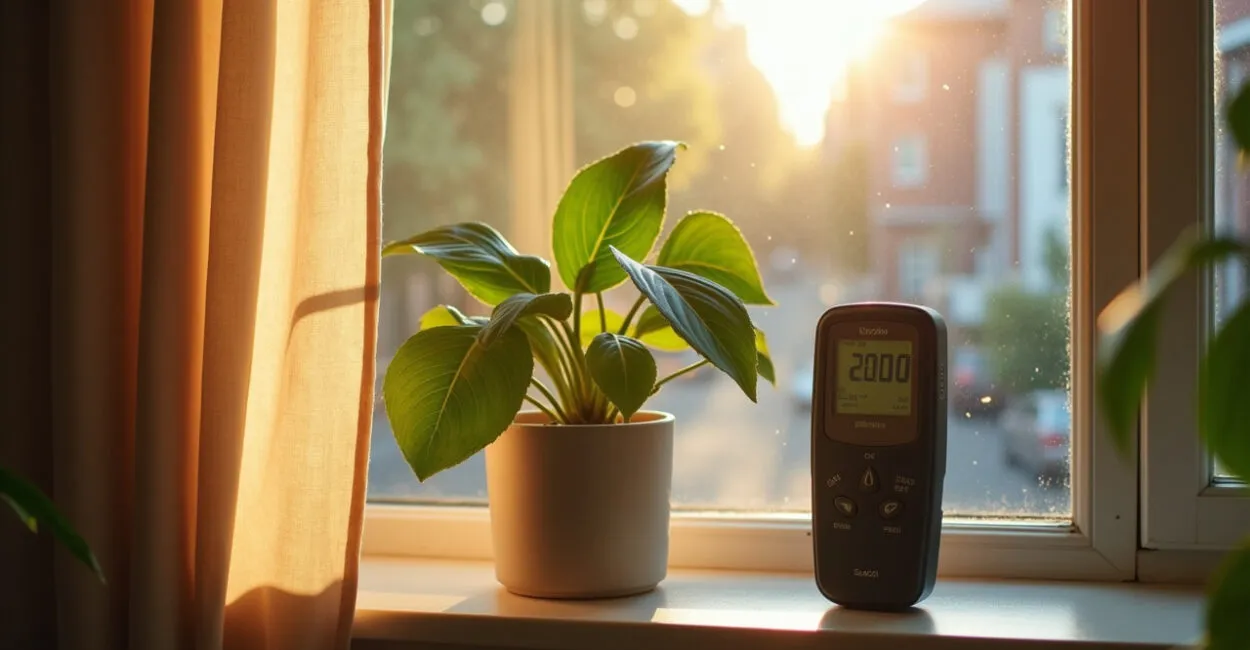 Squid plant thriving in warm morning window light
Sunlight slices across a windowsill and your squid houseplant perks up like it just remembered something important. That quick bounce? It’s all about precise lighting needs. Get this wrong and the plant pines; get it right and leaves thicken, colors deepen, and growth actually happens.
The Exact Light Numbers That Change Everything
Most squid houseplants thrive between 1,000 and 3,000 lux. That’s bright indoor light but not full sun. In foot-candles, aim for roughly 100–300 fc. Seedlings and new cuttings prefer the lower end; mature, sun‑tolerant varieties can take the upper range. Use a $20 light meter or a smartphone app to check. lighting needs are precise enough that a meter removes guesswork and saves months of slow growth.
Window Choices That Actually Boost Growth
Pick windows like you pick neighborhoods: orientation matters. South-facing windows deliver the most consistent bright light in the Northern Hemisphere — perfect for squid plants needing 2,000–3,000 lux. East windows give gentle morning sun (1,200–2,000 lux) and work well for most varieties. West windows can scorch in afternoon heat unless filtered. North windows are low light (under 1,000 lux) and need supplemental light. Rotate plants weekly to avoid one-sided growth.
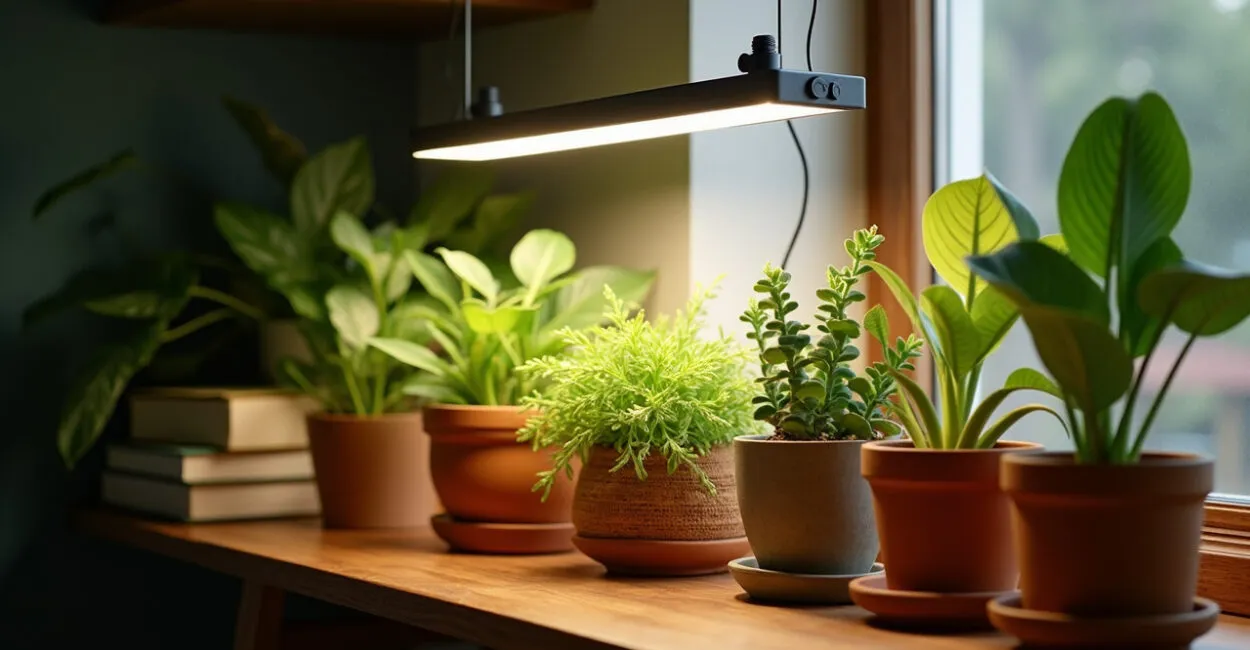
Artificial Setups That Outperform Guessing
LED grow lights hit the sweet spot for predictable lighting needs. Use full-spectrum LEDs at 12–24 inches above the canopy for most squid houseplants. Aim for 20–40 µmol/m²/s for low-light types and 50–100 µmol/m²/s for brighter varieties, on a 12–14 hour cycle. For a desk or shelf, a 10–20W dimmable panel is often enough. Cheap broad-spectrum bulbs can work, but quality LEDs last longer and keep leaf color true.
Placement Hacks That Make Plants Thrive (not Just Survive)
Small moves, big gains. Place plants 1–2 feet inward from direct sun to avoid burns but keep light high. Use sheer curtains to diffuse harsh west-facing afternoons. Create a reflective backdrop (white wall or aluminum foil behind a shelf) to boost light by up to 20%. Group plants by similar lighting needs so you water and light consistently. lighting needs change seasonally — shift nearer windows in winter and back in summer.
Read also: Best Watering Tools: Precise Gear to Nourish Indoor Plants
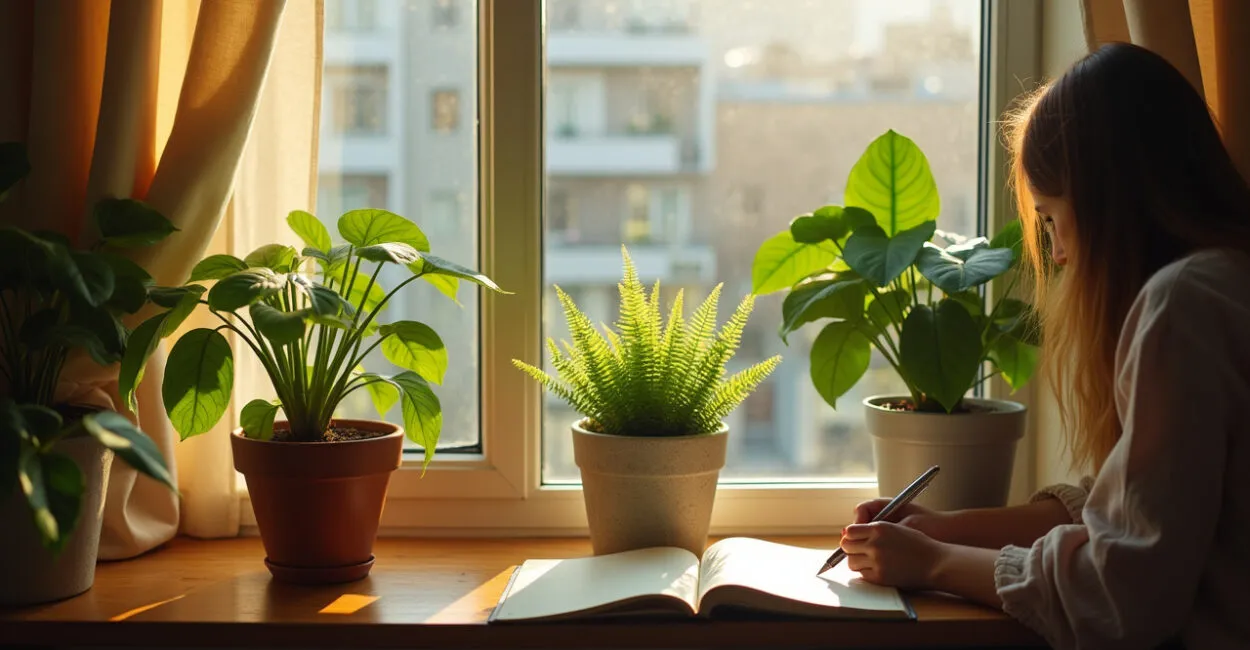
Signs Your Plant Has Too Little or Too Much Light
Leaves tell a clear story. Too little light: pale, stretched stems, slow growth, leaves dropping. Too much light: bleached patches, crispy tips, sunburned spots. Yellowing can mean either — check position and intensity. If you see leggy gaps, increase light by 20–30%. If leaves scorch, move plant 1–2 feet back or filter the light. Logging changes each week helps you spot trends and respond fast.
Common Mistakes to Avoid (what Most People Do Wrong)
Stop guessing and repeating the same three errors.
Read also: Simple Irrigation Tips to Save Water in Your Garden Today
- Placing plants inches from a hot window — causes burns despite brightness.
- Using a lamp without checking spectrum — warm household bulbs lack the blue light plants need.
- Assuming winter equals rest — low sun still needs longer artificial light.
Those mistakes sabotage even hardy specimens. Correcting them quickly fixes months of underperformance because lighting needs are often the main limiter, not fertilizer or watering.
A Surprising Comparison: Expectation Vs. Reality
Expectation: windows solve everything. Reality: light quality matters more than quantity. Two identical plants by different windows can behave opposite. One may get filtered morning sun rich in blue wavelengths; the other bathes in warm red-heavy afternoon light that stresses leaves. In tests, plants under calibrated LEDs grew 30–50% faster than those in nominally “bright” windows. If you want consistent, repeatable results, combine natural light with modest artificial support.
For deeper reading on plant light measurements and safe exposure levels, check resources like the USDA guidelines and university extensions such as the Penn State Extension, which explain how light affects physiology and growth.
Think of lighting needs as the invisible scaffolding for your plants. Adjust it, and the plant does the rest.
FAQ
How Many Hours of Light Do Squid Houseplants Need Each Day?
Most squid houseplants need about 10–14 hours of light daily, depending on age and species. Younger plants and seedlings do better toward the higher end; mature plants can handle 10–12 hours if the light is intense. Use timers with artificial lights to keep a steady schedule. In winter, add supplemental light to maintain hours; in summer, move plants slightly back from intense afternoon sun to keep the effective daily exposure in the right range.
How Close Should I Place an LED Grow Light to My Plant?
For standard full-spectrum LEDs, place the panel 12–24 inches above the canopy for most squid plants. Low-power desk LEDs can be closer, around 6–12 inches, while high-output fixtures should hang higher to avoid heat and light stress. Measure PPFD if possible: 20–40 µmol/m²/s suits low-light types and 50–100 µmol/m²/s suits brighter varieties. Adjust distance gradually and watch leaf reaction for quickest feedback.
Can I Use Regular Household Bulbs to Meet Lighting Needs?
Household bulbs can provide light but often lack the full spectrum plants need, especially blue wavelengths that support compact growth. If you must use them, choose bright, cool-color temperature LEDs (5000K–6500K) and supplement with a dedicated grow bulb occasionally. Overall, full-spectrum grow LEDs are more efficient and safer for long-term growth. Relying solely on household bulbs usually results in leggy, pale plants because they don’t satisfy true photosynthetic demand.
How Do I Tell the Difference Between Nutrient Problems and Lighting Issues?
Lighting issues usually show as uniform stretching, pale color, slow growth, or sunburn. Nutrient problems often show localized symptoms: specific leaf yellowing patterns, marginal burn, or new growth abnormalities. A quick test: move the plant to brighter but indirect light for a week. If growth and color improve, light was the issue. If symptoms persist or specific leaves degrade, run a soil test or adjust feeding. Logging changes helps isolate the true cause.
What Seasonal Adjustments Should I Make for Lighting Needs?
Seasonal shifts matter. In winter, days shorten and light weakens; move plants closer to windows and add 2–4 hours of supplemental light. Spring brings stronger sun — shift plants back and increase ventilation to avoid heat spikes. Summer afternoons can burn leaves; use sheer curtains or move plants a foot farther from the glass. Fall is transition time: gradually reduce supplemental light to mimic natural cycles. These small seasonal tweaks keep growth steady and prevent shock.