
Cheap Backyard Patio Flooring Ideas: 7 Durable Options
Options for affordable backyard patio flooring that balance drainage, durability, and maintenance, with practical tips on base preparation and long-term value.
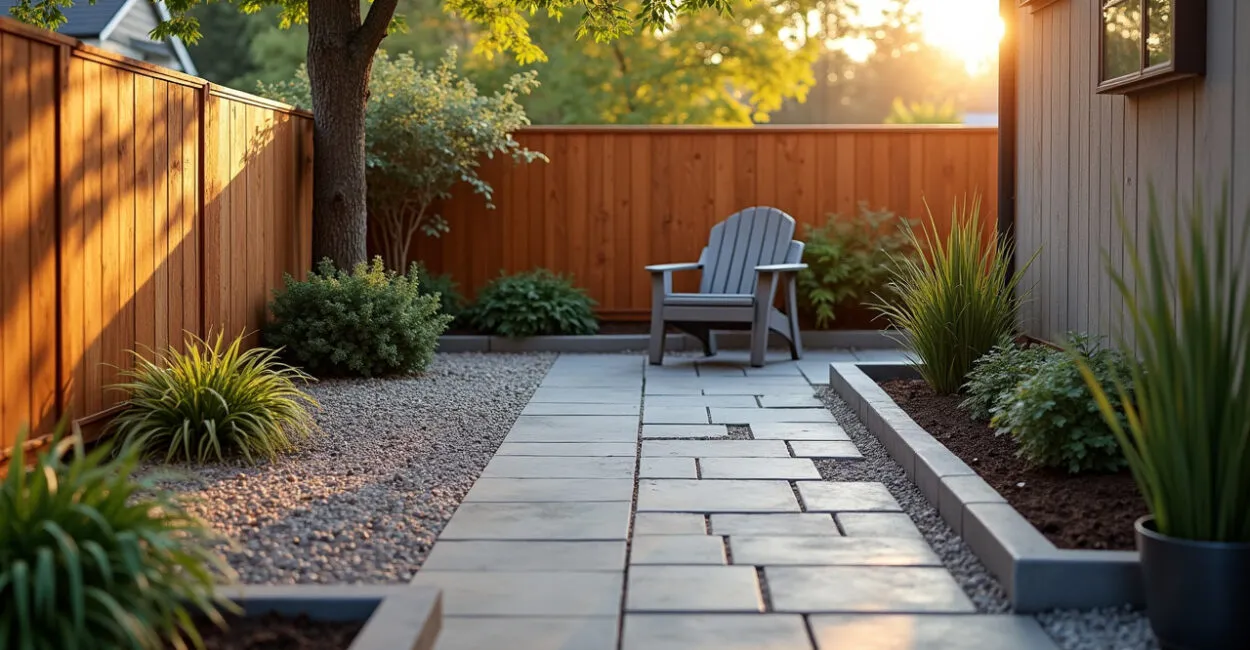 A gravel and paver patio beside a cedar fence
A patio does not need a poured-concrete budget to look finished. In fact, some of the best cheap backyard patio flooring ideas are the ones that balance drainage, durability, and a clean visual edge without turning the project into a major renovation. The real trick is choosing a surface that can handle sun, rain, and foot traffic while still looking intentional.
If you are comparing low-cost backyard flooring options, the smartest approach is not “cheapest per square foot.” It is lowest total cost over time. That means factoring in sub-base prep, weed control, edging, slope, and how much maintenance you are willing to do after installation. The options below are practical, widely available, and strong enough to last when they are installed the right way.
O Que Você Precisa Saber
- Gravel, pavers, and deck tiles usually give the best mix of price, drainage, and long-term usability for a backyard patio.
- The floor is only as good as the base under it; skipping compaction and weed barrier work is the fastest way to waste money.
- Stamped-concrete looks can be faked on a budget with staining, concrete paint, or modular surface systems, but not every climate is forgiving.
- Permeable materials matter if your yard holds water, because standing moisture destroys cheap surfaces faster than normal wear.
- The cheapest option up front is not always the cheapest after year two; maintenance often decides the real winner.
Cheap Backyard Patio Flooring Ideas That Deliver Real Value
When people ask for cheap backyard patio flooring ideas, they usually mean one of two things: “What is the lowest-cost surface I can install?” or “What looks good without needing a contractor?” Those are different questions. A loose-fill surface may cost less than a hardscape, but a modular system may save time and labor. For a patio, the best choice depends on whether you want a permanent entertaining space, a casual hangout, or a temporary upgrade.
The technical term to keep in mind is surface system: the visible top layer plus the base, edge restraint, and drainage behavior underneath it. A surface can be inexpensive and still fail if water pools under it or if the base shifts. That is why the strongest budget choices are the ones that forgive minor mistakes and still stay flat. According to the U.S. EPA’s guidance on permeable surfaces, reducing runoff can improve performance in areas with frequent rain.
In backyard flooring, the base matters more than the finish; a cheap surface with poor compaction fails faster than a better-looking material installed over a stable base.
What Makes a Budget Patio Surface Actually Worth Installing
- Drainage: If water sits on it, the material will age badly, even if it looks good on day one.
- Base preparation: Compacted crushed stone or paver base prevents sinking and wobble.
- Edge restraint: Borders keep gravel, pavers, and tiles from spreading or shifting.
- Maintenance tolerance: Some surfaces need topping off, sweeping, or sealing; others are nearly set-and-forget.
Crushed Gravel and Decomposed Granite for Fast Coverage
Crushed gravel is one of the cheapest ways to cover a backyard patio area because the material itself is inexpensive and easy to spread. Decomposed granite (DG) gives a finer, more finished look, especially when compacted with stabilizer. Both are popular because they handle drainage well and do not require a concrete pour. If your patio space is irregular or large, these materials can save a lot of money on labor.
Where Gravel Works Best
Gravel performs best in casual seating areas, side yards, and patios that do not need furniture with tiny legs. It is also useful in humid or rainy climates because water drains through instead of collecting on top. The downside is obvious: loose stone moves under chairs, can migrate into the lawn, and feels less polished than a hard surface. If you want a cleaner finish, use edging and a fine top layer rather than relying on bulk gravel alone.
Why Decomposed Granite Looks More Finished
DG packs tighter than standard pea gravel, which makes it better for barefoot traffic and lighter patio use. Add a stabilizer, and it becomes more durable under normal walking conditions. It still is not the right choice for every home. If you expect heavy furniture movement or kids running in and out all day, you will spend more time raking and refreshing it.
Crushed stone is cheap, but decomposed granite is the better budget choice when you want a patio that reads as designed rather than improvised.
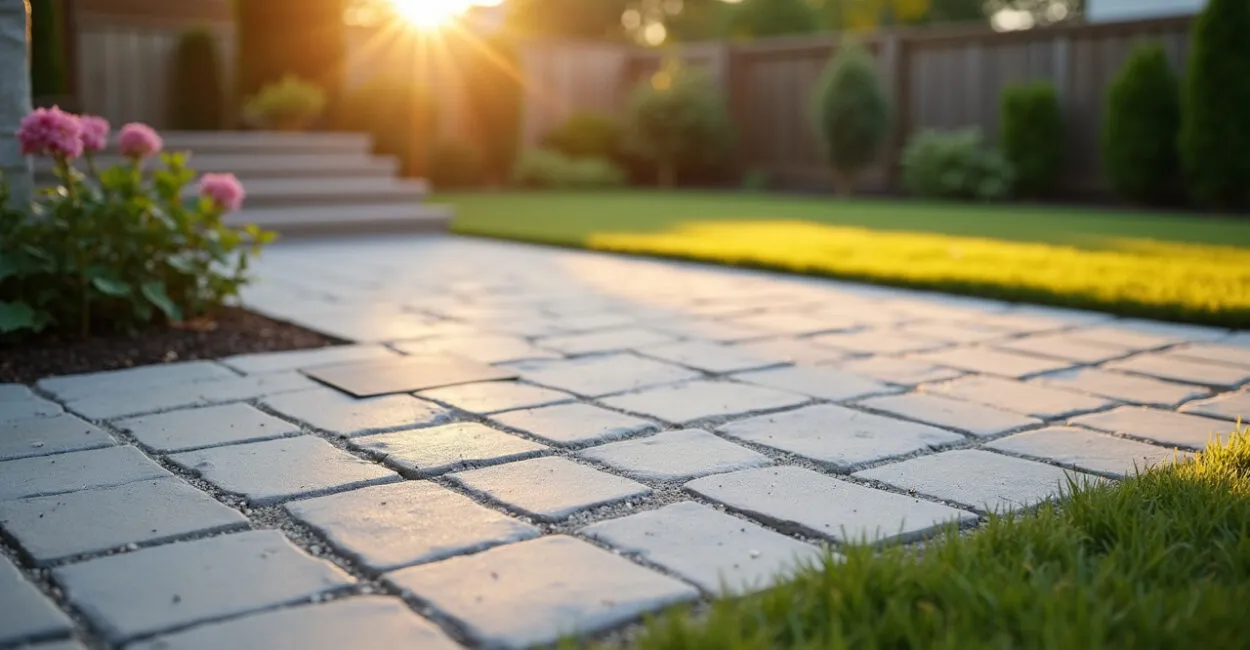
Pavers on a Budget: The Cleanest Hardscape Look
Concrete pavers are one of the best low-cost hardscape choices because they offer a structured look without the expense of a full slab. They come in standard sizes, are easy to replace individually, and work well with sand-set installation. If you build the base correctly, pavers last a long time and give a backyard patio the kind of polished appearance that gravel cannot match.
Material
Upfront Cost
Durability
Look
Concrete pavers
Moderate
High
Clean, structured
Brick pavers
Moderate to high
High
Classic, warm
Plastic deck tiles
Low to moderate
Moderate
Modern, modular
How to Keep Paver Cost Down
Use one paver size, buy in pallet quantities, and keep the layout simple. The expensive part is not always the pavers themselves; it is the base, sand, and cutting. A basic running bond or staggered pattern wastes less material than complex designs. For many backyards, that tradeoff is worth it because it preserves the visual order without inflating installation time.
Who works with pavers every day knows the failure pattern: bad compaction causes more problems than cheap materials do. If the base is level and the joint sand is locked in, even modest pavers can look surprisingly high-end. For more on installation standards, the Interlocking Concrete Pavement Institute publishes practical guidance on base prep and drainage.
Mulch, Wood Chips, and Stepping Zones for Low-Traffic Areas
Mulch and wood chips are among the lowest-cost ground-cover options, but they are not true patio flooring in the long-term sense. They work best in transitional spaces: around a fire pit, beside a garden seating nook, or under temporary furniture. The advantage is speed. You can transform a bare patch of dirt in an afternoon.
Read also: Succulent Container Ideas That Survive Sun and Neglect
When Organic Ground Cover Makes Sense
Use this approach when the area gets light foot traffic and you care more about defining space than creating a permanent entertaining zone. Mulch also softens the visual edge between lawn and patio, which helps small yards feel more layered. But there is a limit: organic material breaks down, shifts under pressure, and attracts maintenance. If you want a surface that stays crisp for years, this is not it.
A Small Example from the Field
A homeowner I worked with had a narrow yard with almost no budget for hardscape. We laid down landscape fabric, added edging, and topped a 12-by-14-foot seating area with dark mulch around a set of stone stepping pads. It looked clean immediately, and the whole space cost less than a small paver patio. Two seasons later, the stepping pads were still fine, but the mulch needed topping off once a year. That is the tradeoff in plain terms: low entry cost, regular refresh.
Read also: Cheap Patio Seating Ideas for Small Backyards with Style
Concrete Paint, Stain, and Overlay Systems for an Existing Slab
If you already have a worn concrete slab, resurfacing often beats ripping it out. Concrete paint, acid stain, and acrylic overlays can make an old patio look much newer for a fraction of the cost of replacement. These are not magic fixes, though. They work best when the slab is structurally sound and only needs cosmetic improvement.
What Each Option Actually Does
- Concrete paint: Fastest and cheapest, but least durable if moisture comes up through the slab.
- Stain: Penetrates the surface and usually looks richer, though color results vary with the concrete itself.
- Acrylic overlay: More expensive, but gives you the most dramatic transformation without full demolition.
This is one area where people overestimate the fix. If the patio is cracked because of settlement, paint will not solve the structural issue. It may hide it for a while, but cracks tend to telegraph back through. The University of Minnesota Extension has useful general guidance on concrete care and outdoor surfaces at extension.umn.edu, especially for maintenance considerations in freeze-thaw climates.
Paint changes the look of concrete; it does not change the concrete’s movement, drainage, or structural behavior.
Outdoor Deck Tiles and Modular Panels for Renters and DIYers
Interlocking deck tiles are one of the most practical options when you want a patio floor that installs quickly and can be removed later. Many products use composite, wood, or plastic bases that click together over a flat surface. They are not the cheapest material in raw dollars, but they can be cost-effective because they reduce labor and avoid permanent construction.
Best Use Cases for Modular Tiles
These tiles are a strong fit for renters, condo owners, and anyone with a concrete slab that looks rough but is still level. They also work well for small patio footprints where precision matters more than bulk coverage. The catch is that they need a relatively even base. On a bumpy subgrade, they flex and separate, which ruins the finished look.
What to Check Before Buying
- UV resistance so the color does not fade quickly.
- Drainage channels underneath to prevent trapped moisture.
- Weight and locking strength, especially in windy areas.
- Replacement availability, because mixed product batches can vary.
Wood Pallets, Sleeper Frames, and Other DIY Surfaces
DIY patio floors built from pallets or timber sleepers can look smart when they are done carefully, but they demand more attention than people expect. The attraction is obvious: reclaimed material, low cost, and a custom look. The risk is equally clear: uneven boards, fast deterioration, and hidden rot if you use wood that was never meant for outdoor contact.
The smarter version is not “free wood.” It is a simple frame with pressure-treated sleepers, proper leveling, and a finish that handles moisture. If you are building a raised platform for a seating area, this can work well. If the soil stays wet or the site has poor airflow, untreated or bargain wood will fail early. That is the limit most DIY blogs skip.
How to Avoid the Usual Mistakes
- Keep wood off bare soil with gravel or concrete supports.
- Use exterior-rated fasteners and joist hangers.
- Seal cut ends and exposed surfaces.
- Leave gaps for expansion and drainage.
How to Choose the Right Surface for Your Yard
The best budget patio floor depends on three things: how flat the site is, how much rain it gets, and how permanent you want the result to be. If you want the lowest upfront spend, gravel wins. If you want the best finished look per dollar, pavers usually win. If you need something temporary or removable, modular deck tiles are hard to beat.
There is no universal winner. A shaded yard with drainage problems may need permeable stone, while a sunny, level slab may be perfect for stain or tile. The decision gets easier when you stop asking what is cheapest and start asking what is cheapest to live with for the next three to five years.
Practical rule: choose the surface that matches your maintenance tolerance, not the one that looks best in a catalog. That is the difference between a patio that feels finished and one that slowly turns into a project again.
What to Do Next
Measure the area, test the slope, and check drainage before buying anything. Then compare material cost, base prep, and expected upkeep side by side. If the yard floods or shifts seasonally, favor permeable, flexible systems like gravel, DG, or modular surfaces. If the site is stable and you want a more polished result, pavers or a resurfaced slab will usually age better. In this category, a little planning saves more money than a bigger discount ever will.
📱 See this content as a Web Story
Frequently Asked Questions
What is the Cheapest Patio Flooring for a Backyard?
Loose gravel is usually the cheapest patio flooring material for a backyard, especially when you are covering a large area. It costs little to buy and does not require a concrete pour. The tradeoff is maintenance: gravel shifts, spreads, and feels less finished than pavers or tiles. If you want the lowest total installation cost, gravel is the starting point, but only if you are fine with a more rustic look and regular touch-ups.
Are Concrete Pavers Worth the Extra Cost?
Yes, if you want a patio that looks intentional and lasts for years. Concrete pavers cost more than gravel or mulch, but they usually deliver better curb appeal, easier repairs, and stronger long-term value. A single damaged paver can be replaced without rebuilding the whole area. That makes them a smart middle ground for homeowners who want a polished result without paying for a full slab.
Can I Put Patio Flooring Directly on Dirt?
Not if you want it to last. Most patio materials need a compacted base, even the cheaper ones. Putting gravel, pavers, or tiles directly on dirt leads to sinking, weed growth, and uneven wear. A basic layer of crushed stone or a leveled support system is what keeps the floor stable and prevents the surface from failing early.
What is the Easiest Cheap Option for a DIY Patio?
Crushed gravel or decomposed granite is usually the easiest DIY option because it requires fewer tools and less precision than pavers or wood framing. You still need edging, grading, and some compaction, but the project is simpler than building a hardscape. For many homeowners, that makes it the best balance of cost and effort. It is fast, forgiving, and realistic for a weekend project.
Which Budget Patio Surface Handles Rain Best?
Permeable materials handle rain best, especially crushed gravel, decomposed granite, and some modular deck systems with drainage underneath. These surfaces let water move through instead of pooling on top. That said, they still need a proper base to prevent washout and settling. In wet climates, drainage matters more than the material label on the package.
How Long Does a Low-cost Patio Floor Usually Last?
It depends on the material and how well the base is prepared. Gravel and DG can last for years with periodic maintenance, while pavers and concrete overlays can last much longer if installed correctly. Cheap materials fail fastest when water, movement, or poor compaction are ignored. The surface itself matters, but the installation details decide whether the patio lasts two seasons or ten.