
Native Plants for Pollinators: A Landscape Plan That Works
How to design pollinator-friendly landscaping with native plants by layering species for continuous bloom, diverse habitats, and steady visits from bees, but…
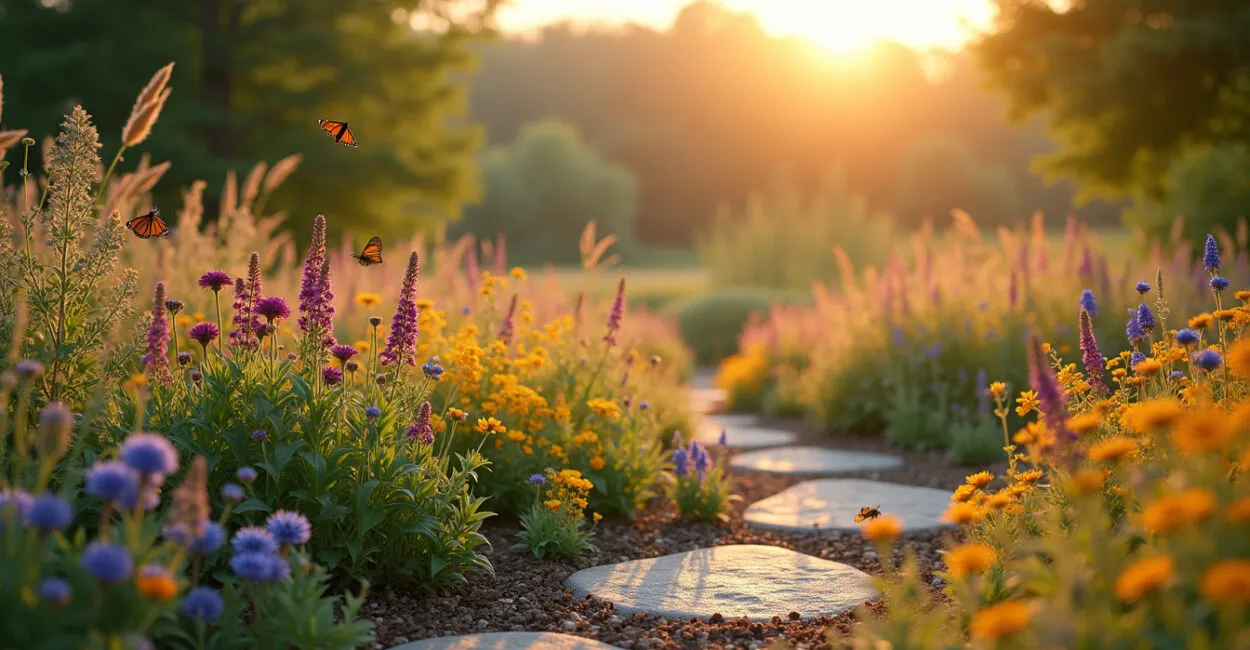 Bees and a monarch visit a layered native garden
Native plants for pollinator-friendly landscaping work best when they’re planted like a system, not a shopping list.
Most people pick a few “pretty” flowers and hope bees, butterflies, and birds show up. That’s usually why the yard looks good for two weeks and then goes quiet. The smarter move is to layer native species by bloom time, height, and structure so something is always feeding, sheltering, or nesting.
That is the real advantage of native plants for pollinator-friendly landscaping: less guesswork, more life, and easier upkeep once the planting is settled. You’re not forcing a garden to perform; you’re giving local wildlife a place that already makes sense to them.
The Planting Formula That Attracts the Most Visitors
In native plants for pollinator-friendly landscaping, the first rule is simple: feed more than one kind of pollinator. Bees want nectar and pollen. Butterflies need nectar and host plants for caterpillars. Birds come for seeds, berries, and insects hiding in the stems.
If you want steady traffic, plant for succession: spring, summer, and fall bloom in the same bed. A yard with one burst of color looks nice; a yard with overlapping bloom keeps working. Think purple coneflower, goldenrod, aster, milkweed, bee balm, black-eyed Susan, and native grasses for backbone.
Here’s the pattern that works: put taller plants in back, mid-height bloomers in the middle, and low spreaders at the edge. That creates wind protection, landing spots, and the layered structure pollinators actually use. On the practical side, it also reduces staking, flopping, and that “messy by July” look.
Read also: Pet-Safe Landscaping Plants for Family Homes That Actually Thrive
One thing people miss: native plants for pollinator-friendly landscaping does not mean a random meadow. A clean edge, repeated groups of 3 to 5 plants, and a few bold drifts make the whole yard feel intentional.
How to Arrange Blooms, Structure, and Low Maintenance
The easiest designs are the ones that borrow from nature without copying chaos. In native plants for pollinator-friendly landscaping, group plants by moisture and sun first, then by color. Sun-lovers together. Shade-tolerant species together. Wet-soil natives stay out of the dry corner that always cracks in August.
Read also: Cat-Friendly Flowering Plants: Which Blooms Work Best Near Paths?
That small bit of discipline saves more time than any “low-maintenance” promise on a plant tag. A dense planting also blocks weeds once it fills in, which means less mulching, less edging, and fewer weekend resets. That is where the real labor savings show up.
“The best pollinator garden is not the wildest one. It’s the one that keeps blooming when your neighbor’s bed is already done.”
Mini-story: a homeowner I spoke with had a front bed full of single-season annuals. It looked great in June, then turned into dry stems and open soil. After switching to native plants for pollinator-friendly landscaping—adding asters, bee balm, switchgrass, and coneflowers—the bed started holding bees through late summer and kept shape into winter. Same space. Far more life. Much less replanting.
What to Avoid If You Want Bees, Butterflies, and Birds
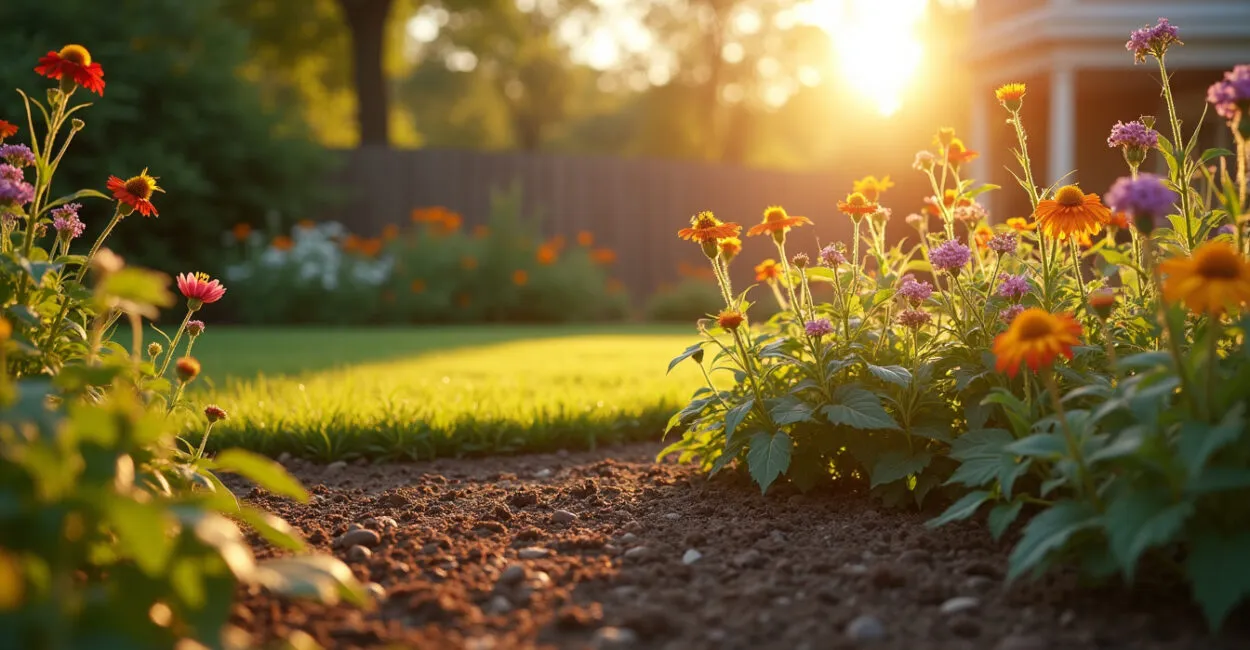
Three mistakes kill a pollinator bed fast: too many doubles, too much mulch, and no host plants. Doubled flowers often look full but can hide nectar. Thick mulch can block seedling self-sowing and make the soil too tidy for ground-nesting bees. And without host plants, butterflies may visit—but they won’t stay.
- Skip sterile, heavily bred ornamentals when natives can do the job.
- Leave some seed heads standing for birds in fall and winter.
- Don’t cut everything back at once; hollow stems can shelter beneficial insects.
- Match plants to your site instead of fighting sun, shade, and soil.
For broader plant-pollinator guidance, the US Forest Service pollinator resources are a solid starting point, and the Xerces Society has practical habitat advice that translates well to home landscapes. One caution: not every native works everywhere, so local soil and climate still decide the final mix.
That’s why native plants for pollinator-friendly landscaping succeeds when you think in layers, not labels.
📱 See this content as a Web Story
FAQ
What Native Plants Attract the Widest Range of Pollinators?
Plants with varied bloom shapes and seasons usually draw the most traffic. Coneflowers, bee balm, asters, goldenrod, milkweed, and native grasses are common winners because they support bees, butterflies, birds, and beneficial insects in different ways. The best mix depends on your region, but diversity across bloom time matters more than any single “star” plant.
How Many Native Plants Should I Use in One Bed?
Use repeats rather than one of everything. Small groups of 3 to 5 plants create a stronger visual pattern and are easier for pollinators to find. If your space is larger, drifts of the same species make the bed feel calmer and usually lower maintenance too.
Do Native Plants Really Need Less Water Once Established?
Often, yes—but only after roots settle in. Most native species need regular watering during the first season or two, especially in heat or poor soil. After that, many handle local rainfall better than imported ornamentals, though dry spells can still stress any plant. Site matching matters more than the word “native” alone.
Should I Leave Dead Stems and Seed Heads in Place?
Yes, at least some of them. Seed heads feed birds, and standing stems can shelter beneficial insects through winter. You do not need to leave the whole yard untouched; just avoid cutting everything to the ground at once. A partial cleanup gives you both a tidier look and a healthier habitat.
When is the Best Time to Start a Pollinator-friendly Native Garden?
Spring and fall are the easiest planting windows in many regions because temperatures are milder and roots can establish without extreme stress. Fall is often underrated; cooler weather can help perennials focus on root growth instead of top growth. The right timing still depends on your climate, but avoiding peak heat usually improves survival.
Start with layers, not leftovers. When the right natives bloom in sequence and stand in the right places, the garden stops looking planted and starts looking alive.