

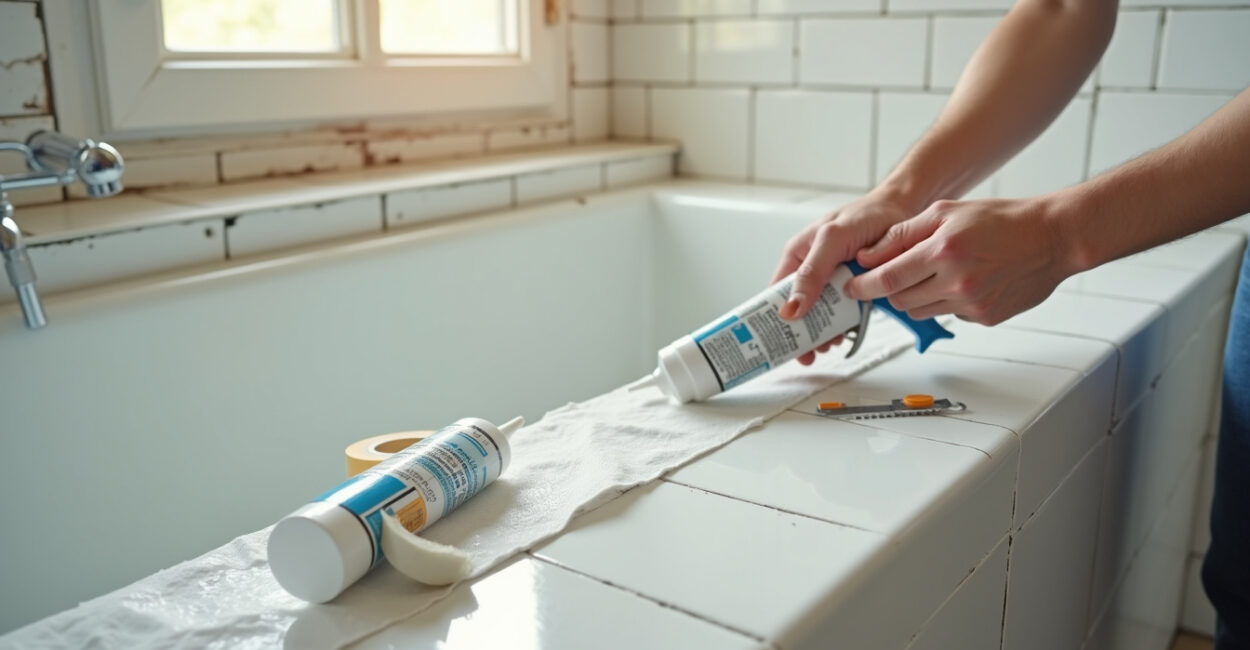
Silicone usually wins the bathroom fight—but acrylic can still be the smarter beginner choice in one narrow case.
If you’re choosing the best caulk type for bathroom beginners, the mistake isn’t “buying the cheap one.” It’s buying the one that sounds easy, then watching it crack, peel, or grow mildew before the seal has even settled in.
The real trade-off is simple: silicone gives you better water resistance and flexibility, while acrylic gives you easier cleanup and easier fixing. Pick wrong, and you pay twice—once at the store, and again when you redo the job.
Silicone Vs. Acrylic: The Choice That Actually Matters
For bathrooms, caulk is a sealant. That means it has to handle water, movement, and cleaning chemicals without losing the joint. Silicone is the stronger waterproof sealant; acrylic is the easier user-friendly one. That’s the core of the best caulk type for bathroom beginners debate.
Silicone is the safer bet around tubs, showers, sinks, and any spot that gets splashed daily. It stays flexible, bonds well to slick surfaces, and resists mildew better than plain acrylic. The downside? It’s messier to tool and harder to remove cleanly.
Acrylic latex is easier for a first-timer because it wipes up with water and smooths out faster. But in wet zones, it can shrink, crack, and fail sooner. That’s why many pros use a hybrid approach: silicone where water hits, acrylic where the joint is mostly cosmetic.
If you want one sentence to remember: wet zone = silicone, dry trim line = acrylic.
The Beginner Mistake is Choosing Cleanup over Durability
Here’s the trap: beginners often buy acrylic because it feels less intimidating. And yes, it is easier to work with. But bathrooms punish convenience. Steam, standing moisture, and frequent wiping expose weak caulk fast.
I’ve seen this pattern repeat: someone caulks a tub on Saturday, it looks great, and by the time the first mildew stain shows up, they’re scraping it out and starting over. That’s not a skill problem. It’s a product mismatch.
Use this quick filter:
- Choose silicone for tubs, showers, sinks, and tile-to-fixture joints.
- Choose acrylic for painted trim, baseboards, and low-moisture gaps.
- Avoid standard acrylic on places that stay wet.
- Skip “all-purpose” labels unless the tube clearly says bathroom and mildew resistant.
The surprising part? The easier product can create the harder repair. That’s why the best caulk type for bathroom beginners is not the one that feels easiest on day one—it’s the one that still looks sealed in month twelve.
For moisture basics, the EPA’s mold guidance is a useful reminder that water control matters more than cosmetic touch-ups.

What to Buy If You Want the Fewest Regrets
If you’re standing in the aisle right now, don’t overthink it. Buy 100% silicone bathroom caulk for the tub, shower, and sink perimeter. If the label says “mildew resistant” and “kitchen and bath,” that’s usually the right lane.
Use acrylic latex only when you want paintability and the area stays relatively dry. If you’re sealing a bathroom baseboard after repainting, acrylic makes sense. If you’re sealing around a tub flange, it doesn’t.
The best beginner choice is the one that matches the room, not the one that matches your comfort level.
One more detail matters: some silicones cure slower and smell stronger, so check the label before you start. And some “siliconized” acrylics split the difference, which can work in light-duty spots but still won’t beat true silicone in a wet shower.
For product safety and label reading, the U.S. Consumer Product Safety Commission and manufacturer instructions are worth checking before you open the tube.
Buy for failure mode, not for convenience. That’s the whole game.
FAQ
Is Silicone Always Better for Bathrooms?
Not always. Silicone is better where water exposure is constant, but it is harder to clean up and paint. If you’re sealing a dry trim joint or a painted edge, acrylic can be the better beginner-friendly choice because it finishes cleaner and is easier to redo later. The “best” option depends on where the gap is and how much moisture it gets.
Can I Paint over Silicone Caulk?
Usually no. Standard silicone does not hold paint well, which is why it’s a poor choice for visible trim that you plan to paint. If paintability matters, use acrylic latex or a paintable hybrid labeled for bathrooms. Always check the tube, because labels vary and some products look similar on the shelf.
What Causes Bathroom Caulk to Crack Early?
Movement, poor surface prep, and the wrong formula. If the joint flexes and the caulk can’t move with it, cracks show up fast. Water, soap residue, and dust also weaken adhesion. For beginners, the biggest mistake is using a dry-area product in a wet area.
How Do I Know If I Bought the Wrong Type?
If the tube is hard to smooth, not mildew resistant, or meant for general interior use rather than bath areas, it may be the wrong pick. A bad sign after installation is shrinking, peeling edges, or dark spots that appear too soon. Around showers and tubs, that usually means the sealant can’t handle the moisture load.
What’s the Safest Starter Choice for a First Bathroom Project?
For most beginners, 100% silicone bathroom caulk is the safest choice around wet zones. It is less forgiving during application, but it performs better where failure is expensive. If you’re only sealing a dry painted gap, acrylic is easier. Start by matching the product to the location, not the label promise.