

📅 Updated on 06/13/2026
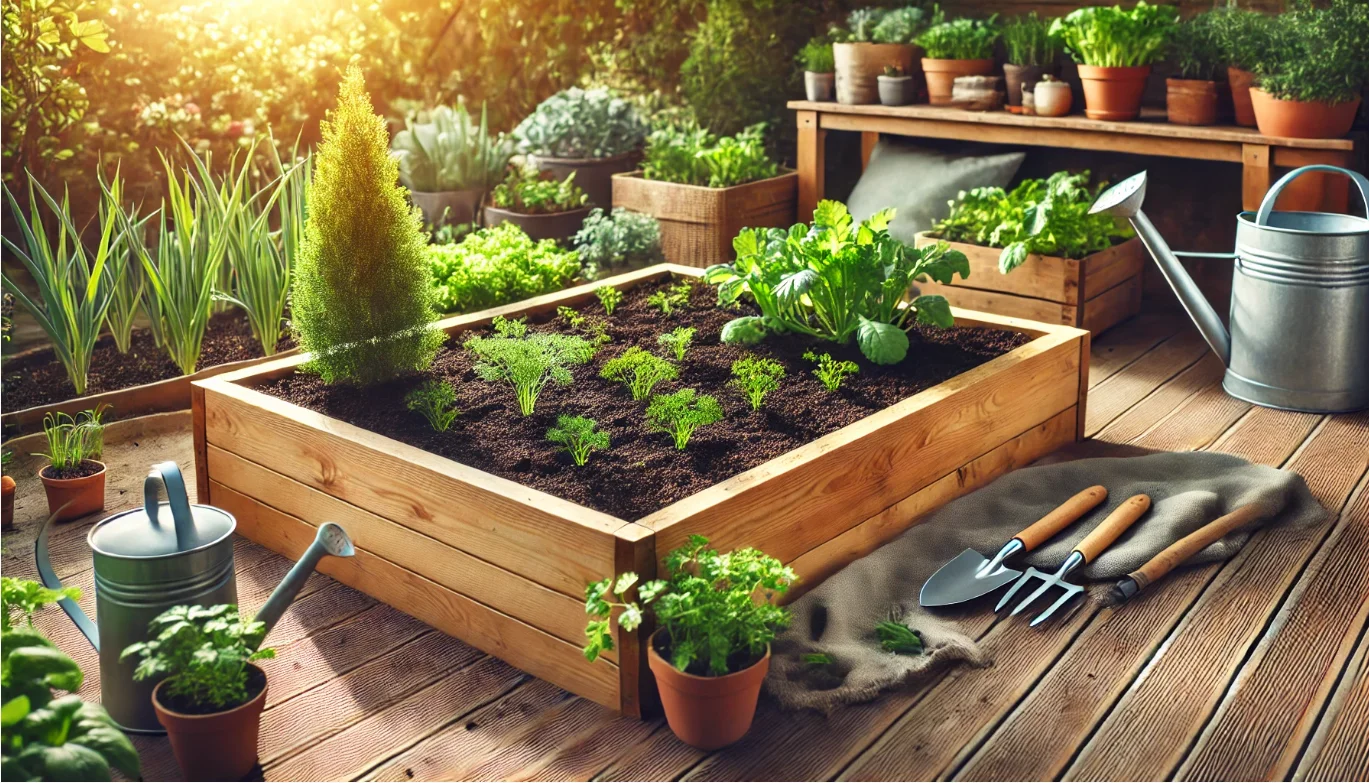
A raised garden changes the odds before the first seed ever goes in the ground. By lifting the planting area above compacted or poor native soil, you gain control over drainage, root depth, soil quality, and accessibility in one move.
That control matters most in heavy clay, rocky sites, shallow topsoil, and yards where foot traffic has packed the ground hard. The bed itself is not the real advantage; the soil profile you create inside it is. In practice, that is what determines whether plants stall after planting or settle in and grow with less stress.
Key Takeaways
- A raised bed works because it lets you control soil structure, not just because it looks tidy.
- Drainage, bed depth, and soil mix matter more than expensive frame materials.
- Most failures come from shallow beds, bad fill, or placing the bed on a site with no sun.
- Access is a real benefit: a well-sized bed reduces bending, compaction, and weed pressure.
- Wood, stone, and metal can all work, but longevity depends on moisture exposure, soil contact, and assembly quality.
Raised Garden Beds and Better Soil Control from the Start
A raised garden bed is a bounded planting area built above grade and filled with a growing medium that is usually better drained, looser, and more fertile than the native soil below it. In plain English: it gives roots a cleaner environment than most backyards can offer on their own.
Why Raised Beds Outperform Patchwork Soil Fixes
If your existing ground is compacted, you can keep amending it for years and still get mediocre results. A raised structure lets you reset the root zone immediately. That is why vegetable growers, herb gardeners, and flower growers often see faster establishment in the first season.
The key advantage is not height alone. It is the combination of depth, drainage, and texture. Roots need oxygen as much as water, and dense soil cuts off both. Cornell University’s gardening guidance on soil and raised beds makes the same point: healthy root systems depend on loose, well-aerated growing media, not just fertilizer. See Cornell Cooperative Extension gardening resources for soil basics and bed planning.
What separates a productive raised bed from an expensive planter is not the frame — it is the quality, depth, and drainage of the root zone inside it.
When a Raised Bed is the Right Choice
- Your native soil is clay-heavy and stays wet after rain.
- You have very shallow topsoil over rock or construction fill.
- The yard is compacted from lawn equipment, pets, or foot traffic.
- You want easier access for planting, weeding, and harvesting.
Choosing the Right Site, Size, and Bed Height
The best bed in the wrong location still underperforms. Sun exposure, drainage, and access determine how useful the bed will be over time, so site selection deserves more attention than most people give it.
Sun and Slope First, Aesthetics Second
For vegetables and most flowering annuals, six to eight hours of direct sun is the practical target. If you are unsure, observe the site at three points during the day, not just at noon. A spot that looks bright at breakfast can be shaded by a fence or tree line by afternoon.
Good drainage matters too. Avoid low spots where water lingers. The USDA’s Natural Resources Conservation Service offers useful references on soil and drainage behavior through its soil and conservation resources, which can help you understand whether your yard holds water or sheds it well.
How Big Should It Be?
A practical width is 3 to 4 feet if you can reach in from both sides. That keeps the center accessible without stepping into the bed and compacting the soil. Length can vary, but longer beds should be built with extra bracing so the sides do not bow outward.
Height Choices That Actually Work
| Bed height | Best use | Main tradeoff |
|---|---|---|
| 6–8 inches | Shallow-rooted greens, herbs, fast crops | Limited root depth and weaker drainage improvement |
| 10–12 inches | Most vegetables and mixed plantings | Needs a good fill mix to avoid settling |
| 18+ inches | Accessibility, poor native soil, deep-root crops | More soil cost, more wood or masonry, more water retention to manage |
There is one caveat: taller is not automatically better. In wet climates, very deep beds can hold excess moisture if the mix is too fine or the bottom layer is poorly built. The bed should solve your site problem, not create a new one.
Materials That Hold Up Without Causing Problems
The best material is the one that fits your climate, budget, and lifespan target. A bed meant to last two seasons has different requirements from one meant to stay put for ten years.
Wood, Metal, Stone, and Composite Compared
- Rot-resistant wood: Cedar and other naturally durable woods are popular because they are easy to cut and assemble.
- Galvanized steel: Long-lasting, tidy-looking, and resistant to rot, but edges and heat gain matter in hot climates.
- Stone or brick: Very durable and stable, though expensive and labor-intensive.
- Composite boards: Low maintenance, but quality varies and fastener choice becomes important.
For most home gardeners, cedar or galvanized steel hits the best balance. Pressure-treated lumber is a divisive topic. Modern formulations are much safer than older treatments, but some gardeners still avoid them near edibles out of caution and personal preference. That is a judgment call, not a universal rule.
One practical issue gets overlooked: hardware. Use corrosion-resistant screws, brackets, and corner supports. A strong frame is only as good as the fasteners holding it together. I have seen beds fail because the boards were fine but the connectors rusted out after two wet seasons.
A durable bed is built to survive repeated wet-dry cycles, not just one good spring.
Linings, Fabrics, and Bottom Layers
A liner is not always necessary. In many cases, the goal is direct contact with the soil below for drainage and microbial exchange. Landscape fabric can help keep weed pressure down in some setups, but it can also interfere with water movement if overused. Use it selectively, not by default.
What to Fill the Bed with for Strong Root Growth
The fill material matters more than the box. A well-built frame filled with poor soil will still produce weak plants, while a modest frame filled with the right mix can perform surprisingly well.
The Right Growing Mix
A reliable starting point is a blend of topsoil, finished compost, and a material that improves structure, such as coconut coir or peat-based product where appropriate. The goal is a mix that drains well but still holds enough moisture to support roots between waterings.
For nutrient management, compost is doing more work than most bagged fertilizers. It feeds soil biology, improves aggregation, and helps with water retention. The University of Minnesota Extension has a strong overview of how compost and mulch affect soil health.
What Not to Dump Into the Bed
- Heavy subsoil straight from a trench or driveway area.
- Fresh manure that is not fully composted.
- Construction debris, turf chunks, or wood scraps that will rot unevenly.
- Pure sand, which can make structure worse unless balanced carefully.
Na prática, the first season often reveals whether the mix was right. If water pools on top after irrigation, the texture is too fine or the bed was overpacked. If it dries out within hours, the mix is too sandy or too shallow. Either problem is fixable, but it is much easier to get the blend right on day one.
Building the Frame Without Creating a Maintenance Headache
The easiest beds to live with are square, level, and firmly anchored. If the frame racks, twists, or bows, you will spend the next few seasons fighting it instead of gardening in it.
Assembly Details That Matter
Start with a flat foundation and check for level before adding soil. Even a slight lean becomes obvious once the bed is full. Reinforce long spans with cross supports so the sidewalls do not bulge outward under soil pressure.
Leave enough room around the bed to walk and work. If the bed is wedged too close to a fence or wall, watering and harvest access become annoyingly awkward, and those small frictions add up fast.
A Short Real-world Example
A homeowner with sticky clay built a 4-by-8-foot bed, 12 inches deep, on a sunny side yard. The first version failed because the soil mix was too dense and the bed sat in a low spot. After raising it slightly, improving the mix with compost, and adding a shallow gravel-free base for drainage, the second season produced healthier lettuce, basil, and bush beans with fewer watering problems.
Who works with this regularly knows that the first build is often a draft, not the final answer. The plants tell you quickly what needs adjustment.
Planting, Watering, and Mulching for the First Season
The first season sets the tone. If you plant too densely, water inconsistently, or skip mulch, the bed will still grow things, but it will demand more work than necessary.
Spacing and Crop Selection
Start with crops that fit your bed size and sunlight level. Leafy greens, bush beans, carrots, radishes, basil, parsley, marigolds, and compact tomatoes are common first picks. Aggressive spreaders and huge indeterminate tomatoes can crowd a small bed fast.
- Best beginner crops: lettuce, spinach, radish, basil, bush beans.
- Best for deeper beds: tomatoes, peppers, carrots, beets.
- Better in larger beds: squash, cucumbers, sprawling flowers.
Watering Strategy
Water deeply enough to moisten the root zone, then let the top layer dry slightly before the next round. Frequent shallow watering trains roots to stay near the surface, which makes plants less resilient in heat.
Mulch helps more than many people expect. A 1- to 2-inch layer of shredded leaves, straw, or fine bark reduces evaporation, moderates temperature swings, and limits weed pressure. It is one of the cheapest upgrades you can make to a raised bed.
Common Mistakes That Shorten Bed Life or Hurt Yields
Most problems are boring, predictable, and avoidable. The same mistakes show up again and again: beds too wide, fill too poor, water management ignored, and materials chosen for looks instead of durability.
The Biggest Errors
- Building the bed so wide that the center cannot be reached without stepping in.
- Using filler that settles badly and leaves roots exposed.
- Ignoring sun exposure and blaming the soil for weak growth.
- Skipping bracing on long beds, which leads to bulging sides.
- Letting the bed dry out completely during hot spells.
There is also a trust issue that deserves mention. Not every “garden soil” bag is equal, and not every nursery blend is ideal for a deep bed. Read the ingredients instead of relying on the label’s promise. If a mix is mostly low-grade filler, you will pay for it later in poor growth and constant watering.
Practical Next Steps for a Bed That Performs
The smartest move is to treat your raised bed as a system: site, frame, fill, water, and crop choice all need to work together. If one piece is off, the whole setup underperforms. If all five are aligned, even an average backyard can grow clean, productive plants with far less frustration.
Before you build, test the site for sun and drainage, decide on a bed width you can reach comfortably, and choose materials that match your climate. Then fill it with a mix that drains well, mulch after planting, and adjust after the first season rather than waiting for the bed to fail. That sequence gives you the best chance of getting useful results quickly.
If you are comparing options, evaluate the bed like an infrastructure decision, not a decor project: choose the location, depth, and materials that solve your soil problem first, then select crops that fit the space.
FAQ
How Deep Should a Raised Garden Bed Be for Vegetables?
Most vegetables do well in 10 to 12 inches of good growing mix, and deep-root crops benefit from 12 to 18 inches. If your native soil below is usable, roots can extend deeper over time. If the bed sits over compacted or poor ground, a deeper fill matters more.
Do Raised Beds Need a Bottom?
Usually, no. An open bottom lets roots access the native soil and helps drainage. A bottom makes sense only in special cases, such as contaminated ground, patio installations, or sites where you must block aggressive weeds.
What is the Best Material for a Long-lasting Bed?
Galvanized steel, cedar, and stone are the most durable common choices. Cedar is easy to work with, steel resists rot, and stone lasts the longest. The best option depends on budget, climate, and whether you want a lightweight or permanent build.
Can I Put a Raised Bed Directly on Grass?
Yes, but remove the turf first if possible. Smothering grass under the bed without cutting it back can create uneven settling and messy edges. A cleared, level base gives better results and makes the frame sit more securely.
Why Do Raised Beds Dry Out So Fast?
They have more exposed surface area and often contain looser soil than in-ground gardens. That improves drainage but also speeds evaporation. Mulch, deeper soil, and consistent watering help solve the problem.
Is a Raised Garden Bed Worth It in Good Soil?
Yes, if you want easier access, cleaner planting rows, or better crop organization. But if your native soil is already loose, fertile, and well-drained, the benefit is smaller. In that case, the bed is about convenience and control more than rescue.