
Best Budget-Friendly Storage Solutions for Small Spaces: Maximize Your Home
How to optimize small spaces with budget-friendly storage by prioritizing layout changes, vertical solutions, and practical tips to reduce clutter and keep p…
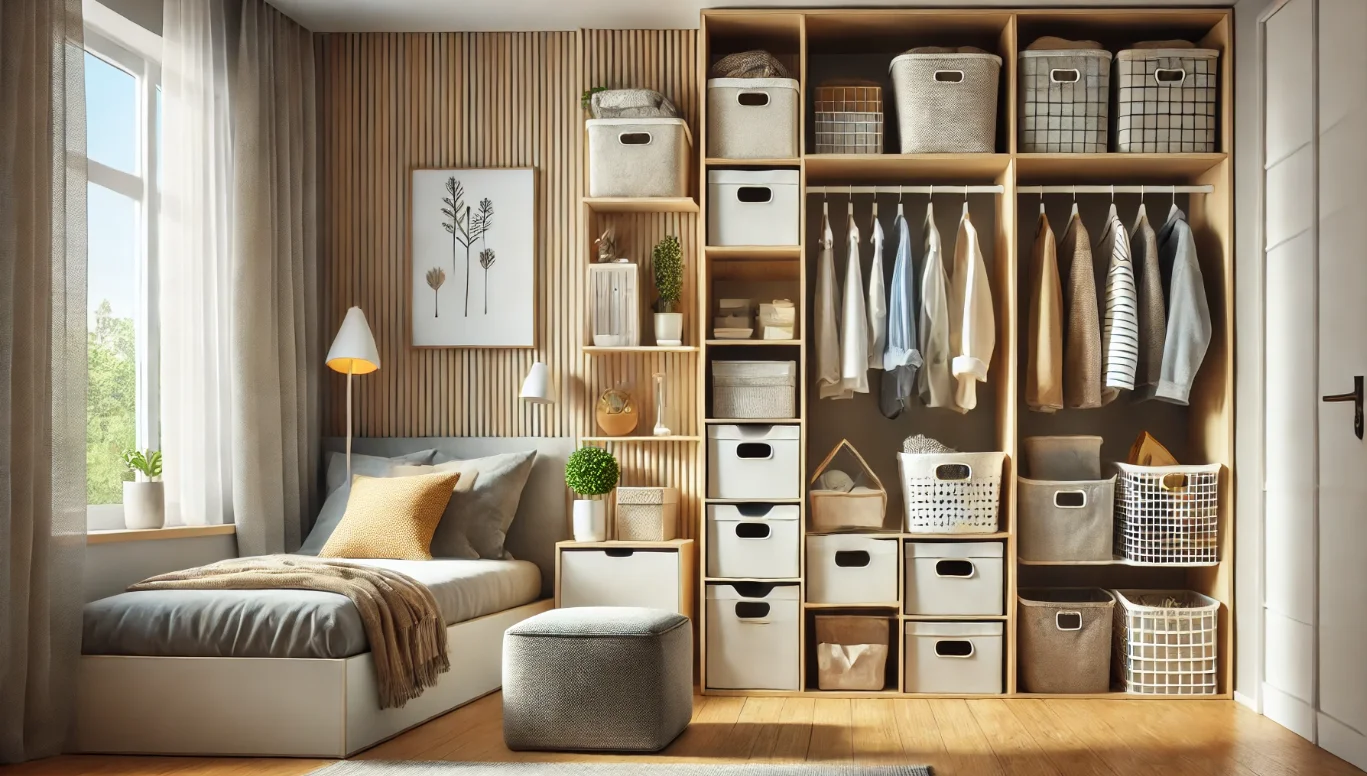 Vertical shelving keeps a compact living room organized
📅 Updated on 06/13/2026
Small homes do not run out of space first; they run out of usable space first. The smartest budget-friendly approach is to make walls, doors, vertical corners, and underused gaps work harder before you buy larger furniture.
That matters because storage in a tight layout is not just about capacity. It is about keeping pathways open, reducing visual clutter, and making daily routines faster. This guide breaks down the storage moves that actually pay off in apartments, studios, and small houses, with practical trade-offs, safety notes, and a few choices that are worth skipping.
What You Need to Know
- Vertical storage usually delivers the biggest return because it adds capacity without taking floor space.
- Over-the-door organizers, under-bed bins, and modular shelving solve most small-space problems at low cost.
- The best system is often a layout change, not a new product.
- Uniform bins, labels, and weight limits prevent cheap storage from turning into hidden clutter.
- Safety comes first in narrow rooms: unstable stacks and blocked walkways create more problems than they solve.
Budget-Friendly Storage Solutions for Small Spaces Start with Layout, Not Shopping
Affordable storage for small spaces means increasing usable capacity without shrinking the room’s walking area, light, or flexibility. In practical terms, the best solutions use vertical surfaces, hidden zones, and modular pieces instead of bulky cabinets that lock a layout in place.
That distinction matters more than people expect. A $40 organizer that blocks a doorway is worse than no organizer at all. On the other hand, a few hooks, a shallow shelf, and one under-bed system can solve the same problem with far less cost and almost no visual weight.
Start by Mapping Three Storage Zones
Think in layers: floor level, mid-wall, and high-wall. Most small rooms waste the upper two layers because people default to furniture that lives on the floor. The result is predictable—crowded walkways, awkward corners, and storage that looks full even when half the capacity is unused.
The difference between a cramped room and a functional one is not storage volume alone; it is how much of that volume sits outside the traffic path.
That is why experienced organizers often begin with placement before product selection. A narrow apartment can gain storage without feeling smaller if the first change is moving items upward or behind a door.
Vertical Storage That Pays Off Fast
Vertical storage is the most efficient use of limited square footage because it converts wall height into capacity. In small rooms, that usually beats adding another dresser or cabinet, especially when the new piece would block light or movement.
The best vertical options are not expensive: floating shelves, pegboards, wall rails, and tall bookcases with a slim footprint. A study on clutter and home organization from the American Psychological Association also reinforces a practical point many people notice at home—visible clutter affects how a space feels, not just how it functions.
Where Vertical Storage Works Best
- Entryways: hooks, a narrow shelf, and a tray for daily carry items
- Kitchen walls: rails, spice shelves, and hanging utensils
- Bedrooms: tall bookcases, wall-mounted night shelves, and over-desk storage
- Bathrooms: shallow shelves above the toilet or beside the mirror
One caveat: not every wall can hold the same load. Drywall anchors, stud placement, and product weight ratings matter more than the price tag. The National Institute on Aging also recommends keeping paths clear and storage stable, which is one reason tall, wobbly stacks are a bad trade in tight rooms.
Over-the-Door and Wall-Mounted Systems That Save Floor Space
Over-the-door organizers are cheap because they use a surface that already exists. That makes them one of the fastest upgrades for renters, dorm rooms, and shared apartments where drilling is limited or unwanted.
Wall-mounted systems do a similar job, but with more permanence. They are ideal when you need repeat access to small items and want to keep counters, desks, and floors clear.
Best Uses by Room
Room
Best Use
Why It Works
Bathroom
Hair tools, toiletries, cleaning items
Keeps damp, high-turnover items off counters
Kitchen
Spices, wraps, foil, snacks
Uses vertical door space near the prep area
Closet
Belts, scarves, accessories, shoes
Segments small items that usually tangle together
Laundry area
Detergent, stain remover, clothespins
Groups supplies where they are actually used
Na prática, what fails most often is not the idea but the hardware. Adhesive hooks, light-duty racks, and bargain shelf brackets tend to fail when they carry more than their rating or sit on uneven surfaces. If a product does not list a load limit, treat it as decorative, not functional.
Under-Bed Storage: The Hidden Zone People Ignore
Under-bed storage is one of the cheapest ways to recover a large amount of space because the footprint already exists. In a small bedroom, leaving that zone empty is like paying rent on storage you never use.
This works best for seasonal items, extra linens, guest bedding, off-season clothes, and documents that do not need weekly access. Clear bins are useful here because they let you see what is inside without pulling everything out.
What to Store Under the Bed
- Seasonal clothing in sealed bins or vacuum bags
- Extra blankets, pillow covers, and bedding sets
- Rarely used shoes in dust-resistant containers
- Sentimental items that need protection, not daily access
A small story makes the point. A studio renter I worked with kept a second dresser in the bedroom because she assumed she had “no storage.” After switching to two shallow under-bed bins, she removed the dresser entirely, opened the room visually, and still had room for every off-season item she owned. The room did not get bigger. The usable space did.
Read also: Smart Devices for Small Homes That Easily Fit Under 2 Meters
Under-bed storage works when it holds low-frequency items; it fails when it becomes a dumping ground for things you keep forgetting you own.
Modular Bins, Shelving, and Drawer Dividers for Flexible Organization
Modular storage is the safest bet when your space changes often. It lets you resize, stack, and reassign units without replacing the whole system.
This is where many people overspend or underspend. Overspending usually means buying built-ins too early. Underspending means stacking random boxes that collapse, tip, or hide what they contain. Modular pieces sit in the middle: practical, adaptable, and still fairly budget-friendly.
What to Look For
- Uniform bin sizes so stacks stay stable
- Drawer dividers for socks, tools, cosmetics, and cables
- Open shelving for items used daily
- Lidded bins for dust-prone or seasonal items
Labeling is part of the storage system, not an extra. A labeled bin reduces search time, which is why well-organized spaces feel easier to maintain even when they hold the same amount of stuff. Without labels, people open more containers, make more piles, and waste the exact time they were trying to save.
Closet Upgrades That Cost Less Than a New Wardrobe
A closet usually fails because the hanging rod is underused, not because the closet is too small. Double-hang rods, shelf risers, hanging organizers, and slim velvet hangers often unlock more capacity than a larger furniture purchase.
Start by separating what truly needs hanging from what can be folded. Heavy coats, blazers, and wrinkle-prone pieces belong on rods. T-shirts, denim, sweaters, and workout clothes often do better in drawers or bins.
Simple Closet Upgrades with High Impact
- Add a second tension rod for shirts, skirts, or folded pants
- Use slim hangers to free inches across the full rod
- Place shelf risers above shoes or folded clothing
- Use door-back organizers for accessories and small essentials
The limit here is weight and access. If the closet becomes too layered, people stop using it and start living out of piles. That is the warning sign that the system is too dense, not too small.
Kitchen and Bathroom Storage Where Small Gains Matter Most
Kitchens and bathrooms create the fastest clutter because the items are small, frequent, and often wet, sticky, or oddly shaped. In these rooms, the best storage is not the biggest storage; it is the storage that reduces friction during daily routines.
In kitchens, use cabinet door racks, tiered shelf inserts, and narrow rolling carts for pantry overflow. In bathrooms, use medicine cabinet dividers, wall shelves above the toilet, and sink-side trays that keep daily-use items together. For homes with kids or older adults, keep heavy or hazardous items low, secure, and easy to reach without stretching.
Why These Rooms Deserve Separate Planning
The same bin that works in a bedroom may fail in a bathroom because humidity changes the material, and the same shelf that works in a pantry may be too shallow for toiletries. That is why one-size-fits-all storage solutions often disappoint. The room matters.
If you want a useful reference point for safe access and room design, the U.S. Department of Housing and Urban Development provides guidance on housing conditions and accessibility considerations that are worth keeping in mind when planning narrow or shared spaces.
How to Avoid Cheap Storage Mistakes That Create More Clutter
The biggest mistake is buying containers before deciding what they will hold. That usually leads to mismatched sizes, half-empty bins, and stacks that look neat for a week and fail after that.
There is also a psychological trap: people often confuse “organized” with “contained.” A room can contain a lot of stuff and still function poorly if every item takes extra steps to reach.
Common Mistakes to Avoid
- Buying decorative baskets that do not fit the actual shelf dimensions
- Using too many bin sizes, which makes stacking inefficient
- Blocking doors, vents, or outlets with storage furniture
- Storing rarely used items in the most accessible spots
The cheapest storage solution is the one that matches the item’s frequency of use, not the one with the lowest price tag.
That rule holds up across apartments, dorms, and small houses. If you reach for something every day, keep it visible and close. If you use it once a season, hide it, label it, and move it out of the traffic path.
Próximos Passos for a Smaller Space That Works Better
Choose one room, not the whole home, and fix the highest-friction zone first. For most people, that is either the entryway, the closet, or the area under the bed. Once that space works, the rest of the home becomes easier to judge because you can see what is missing instead of buying storage at random.
Before you shop, measure the exact width, depth, and height of the problem area, then compare that number to what you already own. If a new item does not improve access, sightlines, or safety, it is not a storage upgrade. It is just another object taking up room.
FAQ
What is the Most Cost-effective Storage Solution for a Small Room?
Vertical storage is usually the most cost-effective because it adds capacity without taking floor space. Wall hooks, shallow shelves, and tall units typically outperform bulky furniture in compact layouts. The best option depends on whether the room needs visibility, concealment, or quick access.
Is Under-bed Storage Always a Good Idea?
No. It works well for seasonal or low-frequency items, but it fails when you store things there that you need often. If accessing the bin feels like a chore, the system is already losing value.
Are Over-the-door Organizers Safe for Renters?
Usually yes, if the organizer fits the door properly and does not scratch the finish. The main risks are excess weight, poor balance, and repeated slamming that loosens the hardware. Always check the load rating before using it for heavier items.
How Do I Keep Cheap Storage from Looking Messy?
Use consistent bin sizes, label everything, and keep the most-used items in the easiest spots. Mixing too many colors, shapes, and materials creates visual noise. A simpler system looks better and is easier to maintain.
What Should I Buy First If My Apartment Feels Cluttered?
Start with the area that creates the most daily friction, usually the entryway, closet, or bedroom floor. Then choose one storage solution that fits that exact zone instead of buying several general-purpose containers. One precise fix is better than three vague ones.
When Does Storage Become Too Much Storage?
Storage becomes too much when it blocks light, movement, or easy access to everyday items. If you need to move one box to reach another every time, the system is too dense. Good storage should reduce effort, not add steps.