
The Ultimate Guide to Low-Maintenance Houseplants for Every Home
How to choose low-maintenance houseplants that fit your light and schedule, tolerate missed waterings, and avoid common care mistakes for lasting health.
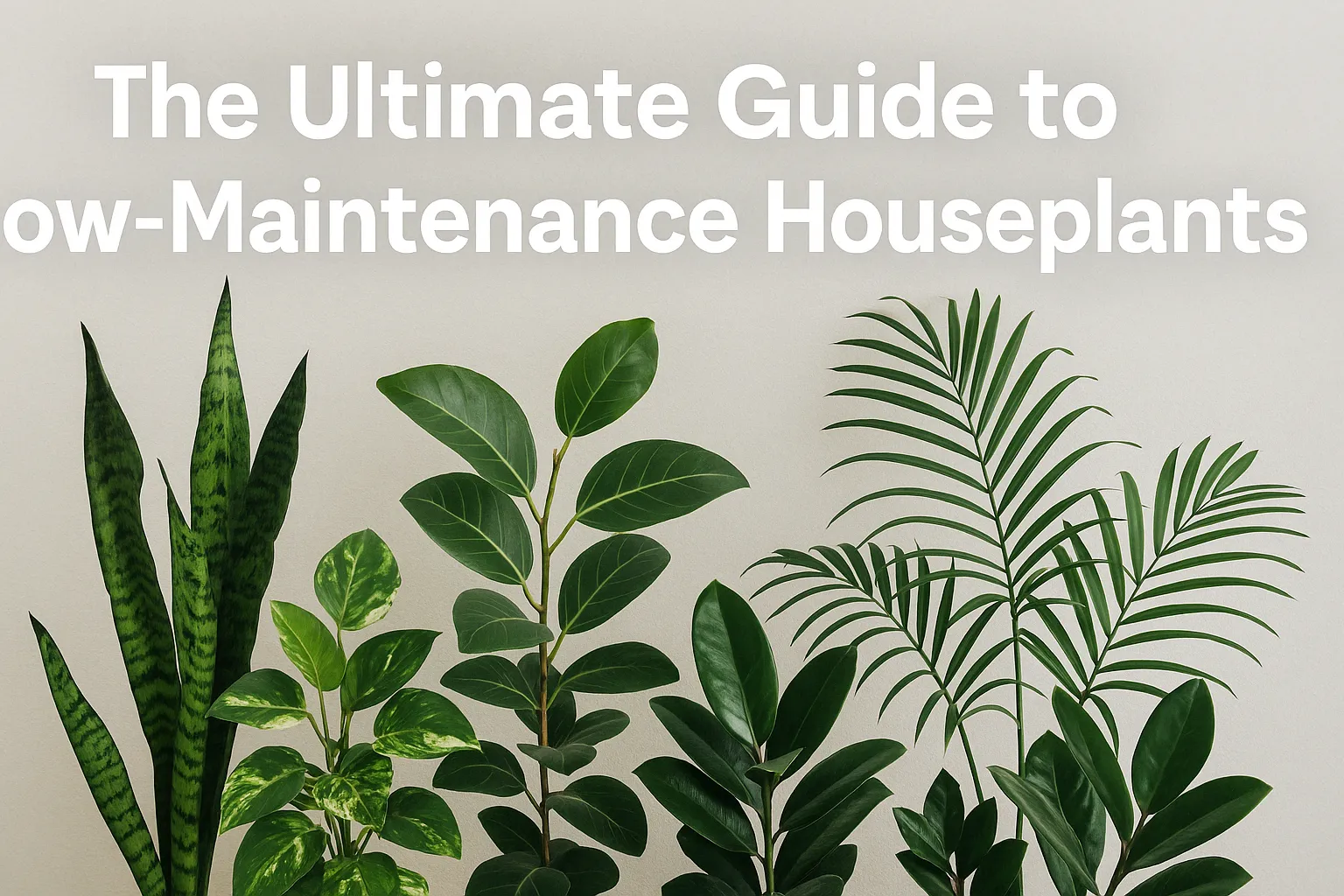 Low-maintenance houseplants thrive in morning light
📅 Updated on 06/14/2026
Low-maintenance houseplants are not the plants that “never need care.” They are the plants that tolerate normal home conditions, bounce back from missed waterings, and stay attractive without constant intervention. For busy beginners, that difference matters more than any trendy list of “impossible to kill” plants.
The real trick is matching the plant to your light, schedule, and space. A snake plant in a dim hallway can thrive for years; the same plant in a constantly wet pot can fail fast. Below, you’ll find the easiest plants to keep alive, how to choose the right one for your home, and the few care rules that prevent most avoidable losses.
What You Need to Know
- “Easy care” means the plant tolerates inconsistency, not neglect; watering, light, and drainage still matter.
- The best beginner houseplants are the ones that fit your actual conditions, especially light levels and how often you forget to water.
- Low light plants usually die from overwatering, while bright-light plants usually fail from too little light or cramped roots.
- Pet safety changes the shortlist: several of the toughest indoor plants are toxic to cats and dogs.
- If you want the highest success rate, choose a plant for the room first and for the look second.
What Makes a Houseplant “Low-Maintenance”?
A low-maintenance houseplant is a species with a wide tolerance range for light, moisture, and indoor temperature swings. In plain English: it does not demand perfect attention to stay healthy. The best low maintenance indoor plants share three traits—slow to moderate growth, forgiving watering needs, and a structure that stores water or adapts to variable light.
The Traits That Matter Most
- Drought tolerance: the plant can handle dry soil longer than average.
- Light flexibility: it grows in medium light and often adapts to lower light.
- Root resilience: it recovers better after a missed watering or a small care mistake.
What “hard to Kill” Really Means
Hard-to-kill houseplants are not indestructible. They are just less sensitive to the most common indoor problems: overwatering, low humidity, and irregular routines. That is why many easy-care houseplants are also some of the best low maintenance plants for home offices and apartments.
What separates a truly low-maintenance plant from a merely popular one is tolerance: a good plant survives small mistakes, while a bad fit punishes the first one.
For a technical reference on indoor growing conditions, the Clemson Cooperative Extension houseplant guide gives a practical overview of light, water, and potting basics. The takeaway is simple: the plant matters, but the container and light level matter almost as much.
Best Low-Maintenance Houseplants for Beginners
The easiest houseplants to keep alive are snake plant, ZZ plant, pothos, spider plant, peace lily, cast iron plant, aloe, and certain philodendrons. These are beginner houseplants because they tolerate missed waterings, handle average indoor conditions, and do not need complicated feeding schedules. If your goal is the highest survival rate, start with one of these before chasing rarer foliage.
Snake Plant
Snake plant is the classic drought-tolerant houseplant. It stores moisture in thick leaves, does well in low to medium light, and usually fails only when watered too often. Let the soil dry fully before watering again.
ZZ Plant
ZZ plant is one of the best indoor plants low light rooms can support. Its thick rhizomes store water, which makes it a strong choice for forgetful owners. The main mistake is treating it like a thirsty tropical plant; it prefers dry periods between waterings.
Pothos
Pothos is forgiving, fast-growing, and easy to prune. It handles moderate to low light, though brighter indirect light keeps the leaves fuller. It is one of the most practical low maintenance office plants because it tolerates fluorescent light and irregular care.
Spider Plant
Spider plant is resilient and quick to recover from mild neglect. It likes bright, indirect light but can adapt to less. If tips brown, the problem is often minerals in tap water or dry air rather than a fatal care issue.
Peace Lily
Peace lily is more communicative than most plants; it droops when thirsty and perks up after watering. That makes it beginner-friendly, though it is less drought tolerant than snake plant or ZZ plant. It prefers consistent moisture without soggy soil.
In practice, the easiest plant is often the one that tells on itself early. A peace lily droops, a snake plant sulks more quietly, and both are manageable if you learn their water signals.
If you want a pet-safe reference before buying, the ASPCA toxic and non-toxic plants list is the most useful starting point. Do not assume a trendy houseplant is safe just because it is common.
How to Choose the Right Plant for Your Light and Lifestyle
Choose the plant by room conditions first, then by appearance. If your home has low natural light, select low light houseplants such as snake plant, ZZ plant, cast iron plant, or pothos. If you have a bright window, you can widen the list to include aloe, spider plant, and many philodendrons. Your schedule matters too: the less predictable your routine, the more you should favor drought tolerant houseplants over moisture-loving ones.
Match Light Level to the Plant
- Low light: rooms with no direct sun or only brief morning light.
- Bright indirect light: near a window with filtered sun.
- Direct sun: hot windowsills where only sun-tolerant plants should go.
Match Watering Style to Your Habits
If you travel often or forget watering, choose plants that need little water and can dry down between drinks. If you enjoy routine and notice plants daily, you can handle slightly fussier easy-care houseplants like peace lily or spider plant. This is where many people overestimate themselves and under-plant their home.
Match Size to Your Space
Small apartments, desks, and shelves are easier to manage when you use compact growers or trailing plants. A monster plant in a tiny corner is not low-maintenance; it becomes a maintenance problem fast. For low maintenance office plants, compact pothos cuttings, snake plant pups, or a single ZZ in a ceramic pot usually work better than large floor specimens.
University Extension resources such as Penn State Extension’s houseplant guidance are useful because they focus on home growing conditions rather than ideal greenhouse conditions. That distinction saves people from buying plants that only look easy in a store.
Simple Care Rules That Keep Easy Plants Alive
The simplest care system is also the most effective: give the right light, water only after checking the soil, and use a pot with drainage. For most low-maintenance houseplants, watering is not about a strict calendar. It is about soil dryness, pot size, temperature, and season.
Water by Soil, Not by the Clock
For snake plant and ZZ plant, wait until the potting mix dries nearly all the way through. For pothos and spider plant, water when the top 1 to 2 inches feel dry. In winter, most indoor plants use less water because light is weaker and growth slows.
Use the Right Potting Mix
A fast-draining mix helps prevent root rot, which is the most common way easy-care plants die. Cactus-style blends work well for aloe and snake plant. A general indoor mix with added perlite works well for pothos and peace lily.
Keep Feeding Light and Simple
Most beginner houseplants do not need aggressive fertilizer. During active growth, a diluted balanced fertilizer every 4 to 6 weeks is enough for many indoor plants. Overfeeding can create soft growth and salt buildup, which becomes a hidden problem over time.
- Check the soil before watering.
- Empty decorative pots after drainage.
- Rotate plants every couple of weeks for even growth.
- Wipe dust from leaves so they can photosynthesize better.
Common Mistakes with Low-Maintenance Houseplants
The biggest mistake is overwatering. People hear “easy care” and assume the plant wants attention on a schedule, but many low-maintenance plants fail because their roots sit wet for too long. The second mistake is buying for appearance instead of the room’s light.
What Usually Goes Wrong
- Too much water: the soil stays wet and roots suffocate.
- Wrong light: a plant labeled low-maintenance still needs some usable light.
- No drainage: decorative pots without holes trap excess moisture.
- Repotting too soon: many plants prefer to stay slightly root-bound before moving up a size.
A Real-world Example
A renter with one north-facing living room window bought a fiddle leaf fig because it looked “easy enough.” It dropped leaves, then stalled. The fix was not more fertilizer or a bigger pot; it was switching to a ZZ plant in the same corner and moving the fig to a brighter spot. The lesson was blunt: wrong plant, wrong light, wrong outcome.
That kind of mismatch is why “low maintenance” is relative. A plant can be easy in one home and difficult in another. A dry apartment with strong afternoon sun is a very different environment from a humid basement office with only overhead lighting.
Low-Maintenance Houseplants for Low Light, Bright Light, and Small Spaces
Different rooms call for different winners. If you want indoor plants low light conditions can support, snake plant, ZZ plant, cast iron plant, and pothos are the safest bets. For bright light, aloe and spider plant are dependable. For small spaces, compact and vertical growers save the most trouble.
Best Picks by Condition
- Low light: ZZ plant, snake plant, pothos, cast iron plant.
- Bright indirect light: spider plant, peace lily, philodendron, pothos.
- Small spaces: aloe vera, compact snake plant, pothos on a shelf, baby spider plant.
- Pet-friendly low maintenance houseplants: spider plant, some palms, and prayer plants are safer choices than many popular tropicals.
For pet owners, always verify the exact species before buying. The ASPCA list is useful because “safe” varies by genus and cultivar, and some stores label plants loosely. If a cat chews leaves or a dog noses pots, that detail is not optional.
Plant
Water Need
Light
Difficulty
Snake plant
Low
Low to bright indirect
Very easy
ZZ plant
Low
Low to medium
Very easy
Pothos
Moderate
Low to bright indirect
Easy
Spider plant
Moderate
Bright indirect
Easy
Peace lily
Moderate
Low to medium
Easy, but less drought tolerant
Quick Comparison Table: Water, Light, and Difficulty
Use the table below as a shortcut when you are standing in the nursery or browsing online. It is not a substitute for reading the label, but it helps you avoid the most common mismatches. If you only remember one rule, remember this: lower light usually means lower water use.
The best beginner plant is the one whose light needs match the room, not the one with the most forgiving marketing description.
FAQ: Low-Maintenance Houseplants
What Are the Easiest Houseplants to Keep Alive?
Snake plant, ZZ plant, pothos, spider plant, and peace lily are among the easiest houseplants for most beginners. They tolerate missed care better than average and do not require complicated routines. The easiest choice still depends on your light level and watering habits.
Which Low-maintenance Houseplants Do Well in Low Light?
ZZ plant, snake plant, cast iron plant, and pothos are the most reliable indoor plants low light rooms can support. They will still grow more slowly than they do in brighter spaces, but they usually stay healthy. Avoid assuming “low light” means “no light.”
How Often Should Low-maintenance Houseplants Be Watered?
There is no universal schedule. Snake plant and ZZ plant often need water only after the soil dries almost completely, while pothos and spider plant usually want water when the top layer dries out. Seasonal changes matter, so winter watering is often less frequent.
Are Low-maintenance Houseplants Good for Beginners?
Yes, they are usually the best place to start. Beginner houseplants build confidence because they offer more forgiveness for missed waterings and small mistakes. The catch is that beginners still need to choose the right plant for the right room.
Which Easy-care Houseplants Are Pet-safe?
Spider plant is a common pet-friendly option, and some palms and prayer plants are also safer choices. Many popular easy-care plants, including pothos and peace lily, are toxic to pets. Always check the exact plant on the ASPCA’s list before bringing it home.
What is the Biggest Mistake People Make with Hard-to-kill Houseplants?
They overwater them. “Hard-to-kill” plants usually fail because the roots stay wet too long, especially in pots without drainage. The second biggest mistake is placing a low-light plant in a dark room and expecting it to behave like it is in a greenhouse.