
Warning: Cannot modify header information - headers already sent in /home/u278635817/domains/myhousegarden.com/public_html/wp-content/plugins/artigosgpt/artigosgpt.php on line 28454
It was half-dead when I bought it — limp, yellow tips, sitting in a puddle of water. Three months later it was standing tall on my low-lit shelf, glossy leaves barely touching the ceiling. That turnaround is the promise of a properly kept snake plant: resilient, forgiving, and shockingly easy when you follow a simple weekly routine. If you want green that survives your busy life, keep reading.
Weekly Watering: The Three-step Cadence That Actually Works
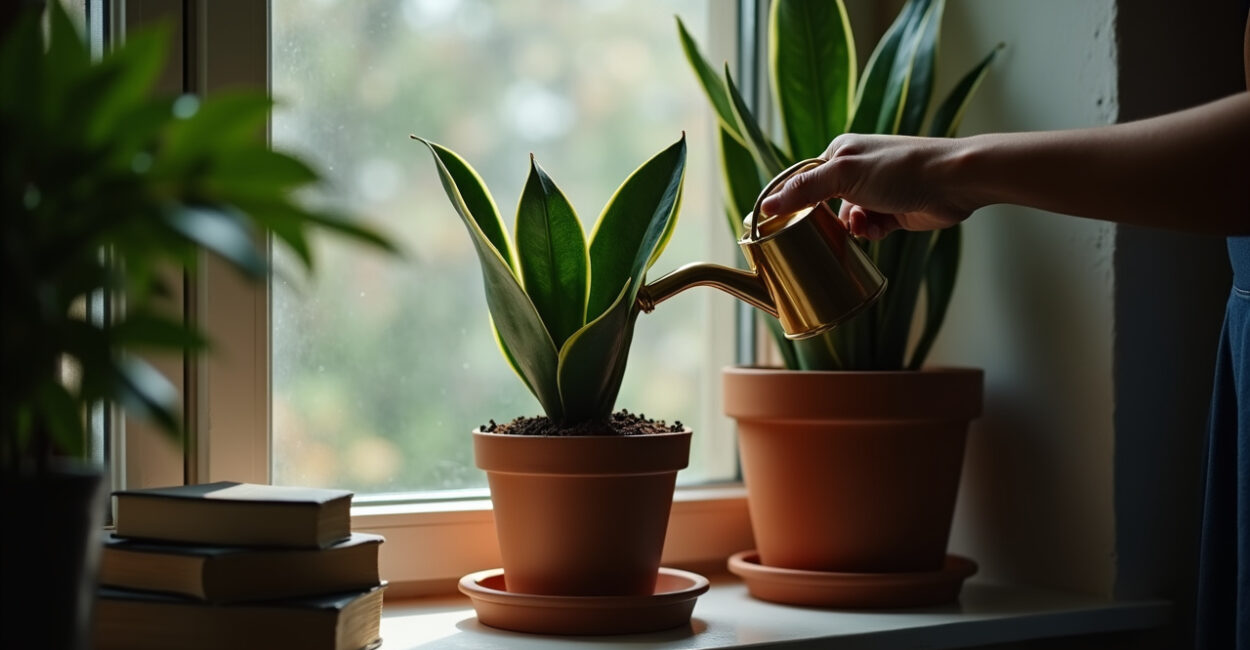
Water less, but water right. In low light, snake plant roots need time to breathe. Once a week, check the top 2 inches of soil with your finger. If it’s dry, water lightly until excess drains. If it’s damp, skip watering and check again in 4–7 days. For most homes, that means watering every 10–14 days in winter and every 7–10 days in warm months. Use room-temperature water and always empty the saucer.
Pot Choice: Why Size and Drainage Change Everything
Pick a pot that drains. Terracotta pots wick moisture and cut root rot risk. Avoid oversized pots; a huge pot keeps soil wet and suffocates roots. For a medium snake plant, choose a pot one size up from the root ball. Drainage holes are non-negotiable. If you love decorative pots, use a nursery pot with holes inside the decorative one. That small change stops a lot of problems before they start.
Soil Recipe: The Quick Mix That Saves Busy Owners
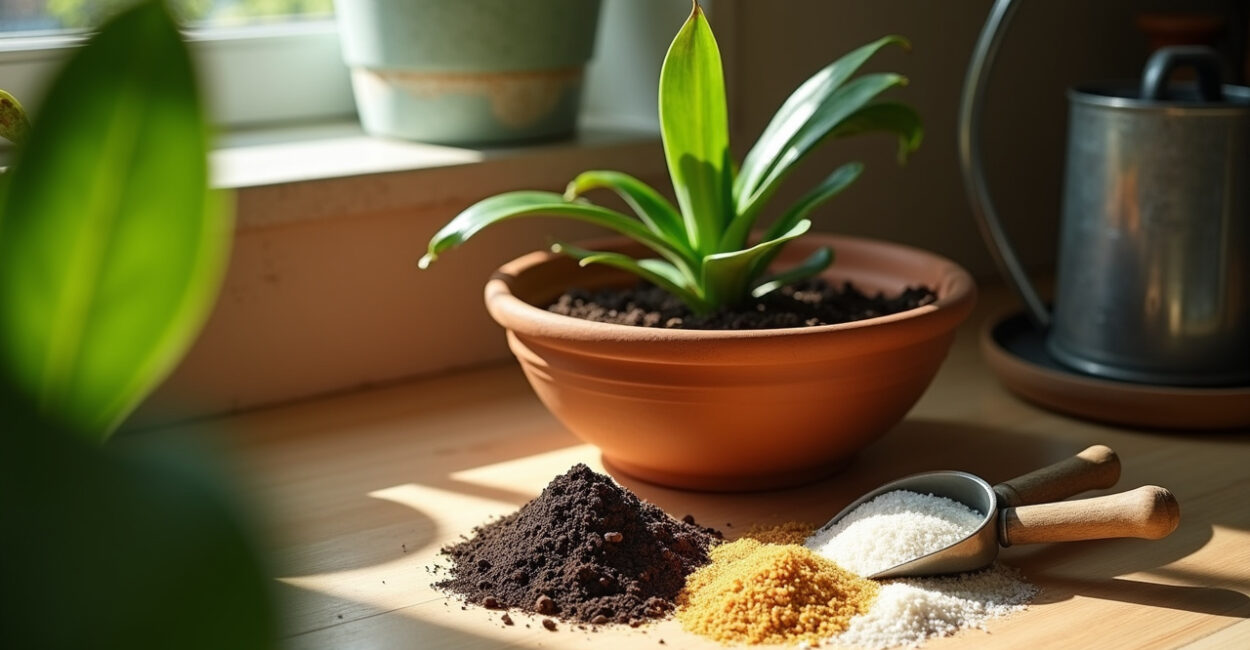
Snake plant wants gritty, fast-draining soil. Mix 2 parts potting soil, 1 part coarse sand, and 1 part perlite or pumice. This blend drains quickly but holds enough moisture. Avoid heavy peat mixes that compact. Repot every 2–3 years; roots like fresh air. This simple soil switch often fixes limp leaves and slow growth without extra fuss.
Pruning and Cleanup: 10 Minutes That Keep Plants Healthy
Pruning a snake plant is fast and surgical. Remove soft, mushy leaves at the base with clean shears. Trim brown tips by cutting at an angle to follow the leaf line. Sanitize tools between cuts to prevent spread of disease. Once a week, dust leaves with a damp cloth to improve photosynthesis in low light. Ten minutes of care prevents hours of recovery later.
Common Problems to Spot Early (and How to Fix Them)
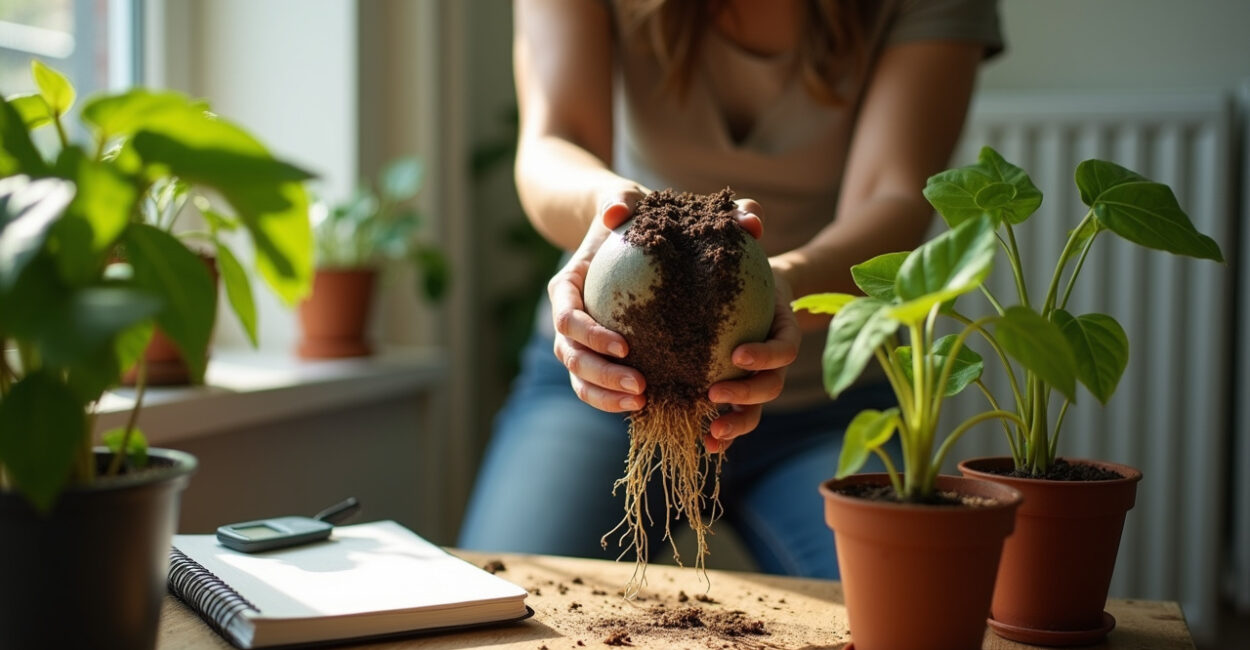
Watch for these early warnings: soft, drooping leaves (overwatering); brown, crispy edges (underwatering or too-hot air); pale leaves (low nutrients or too little light). A quick checklist helps: 1) check soil dryness, 2) inspect roots when repotting, 3) move away from heaters. Root rot beats most owners; early detection means removing rotten roots and repotting in fresh mix. Errors are fixable if found fast.
What to Avoid: Five Mistakes Busy Owners Make
People often overdo care. Here are five errors to stop now:
- Watering on a schedule without checking soil.
- Using a pot without drainage.
- Planting in heavy, moisture-retentive soil.
- Keeping plants next to constant heat sources.
- Ignoring pests until damage is obvious.
Low-light Hacks: Still Green with Minimal Sun
Snake plant tolerates low light, but it won’t thrive in complete darkness. Rotate the plant every two weeks so all sides get light. Add a 10–12 hour LED grow light on dull days to boost health. Fertilize lightly every 6–8 weeks in spring and summer with a balanced houseplant fertilizer diluted to half strength. Small, consistent boosts keep the plant looking full in dim rooms.
Two reputable resources helped shape these routines: USDA plant care guidelines for soil and disease basics, and university research on indoor plant watering cycles like this paper from University of Georgia Extension. Use those as anchors when troubleshooting.
Try this routine for six weeks. You’ll see less yellowing, fewer limp leaves, and a snake plant that actually asks for attention instead of demanding it. That’s the point: plants that fit your life, not the other way around.
FAQ
How Often Should I Water My Snake Plant in Low Light?
In low light, water sparingly. Check the top 2 inches of soil weekly. If dry, water lightly until water drains from the pot. If still damp, wait another week and recheck. Typically, watering every 10–14 days works in cool months and every 7–10 days in warm months. Always empty any plate or saucer after watering to prevent standing water. Overwatering is the most common mistake and leads quickly to root rot, which is much harder to fix than skipping one watering.
What Pot and Soil Are Best for a Snake Plant Kept Indoors?
Choose a pot with drainage holes; terracotta is ideal because it breathes. Use a gritty, fast-draining soil mix: two parts potting soil, one part coarse sand, and one part perlite or pumice. Avoid heavy peat mixes that hold too much water. If you use a decorative outer pot, keep the plant in a nursery pot with holes and remove excess water after watering. The right pot and soil reduce root rot risk and make the plant more forgiving to busy schedules.
How Do I Prune Damaged Leaves Without Hurting the Plant?
Use clean, sharp shears and cut damaged leaves at the base. For brown tips, trim at an angle along the leaf’s natural line. Sanitize tools between cuts with alcohol to avoid spreading disease. Remove only soft, mushy leaves showing rot. After pruning, let the soil dry a bit before watering. Regular light cleaning of leaves with a damp cloth also helps photosynthesis, especially in low light. Pruning is quick and prevents more serious infections.
What Early Signs of Trouble Should I Watch For?
Look for soft, drooping leaves as a sign of overwatering and root rot. Brown, crispy edges often mean underwatering or excessive heat. Pale or yellowing leaves can indicate low nutrients or too little light. Also inspect for tiny pests like mealybugs or spider mites. Early detection is key: addressing these signs quickly—by adjusting water, moving the plant, or treating pests—usually restores health without major intervention. Regular weekly checks make spotting issues easy.
Can a Snake Plant Survive in a Windowless Room?
Snake plants tolerate low light but not total darkness. In a windowless room, provide supplemental LED grow light for 8–12 hours daily. Position the light 12–18 inches above the plant. Keep watering less often, since lower light reduces water use. Rotate the plant periodically so all sides benefit from any ambient light or the grow lamp. With these adjustments, a snake plant can remain healthy and attractive even in a windowless space for long periods.