
New Landscaping Rules May Affect Plant Choices — See What to Do
Discover how new landscape rules impact ornamental grasses and what you can plant instead. Stay informed and protect your yard today!
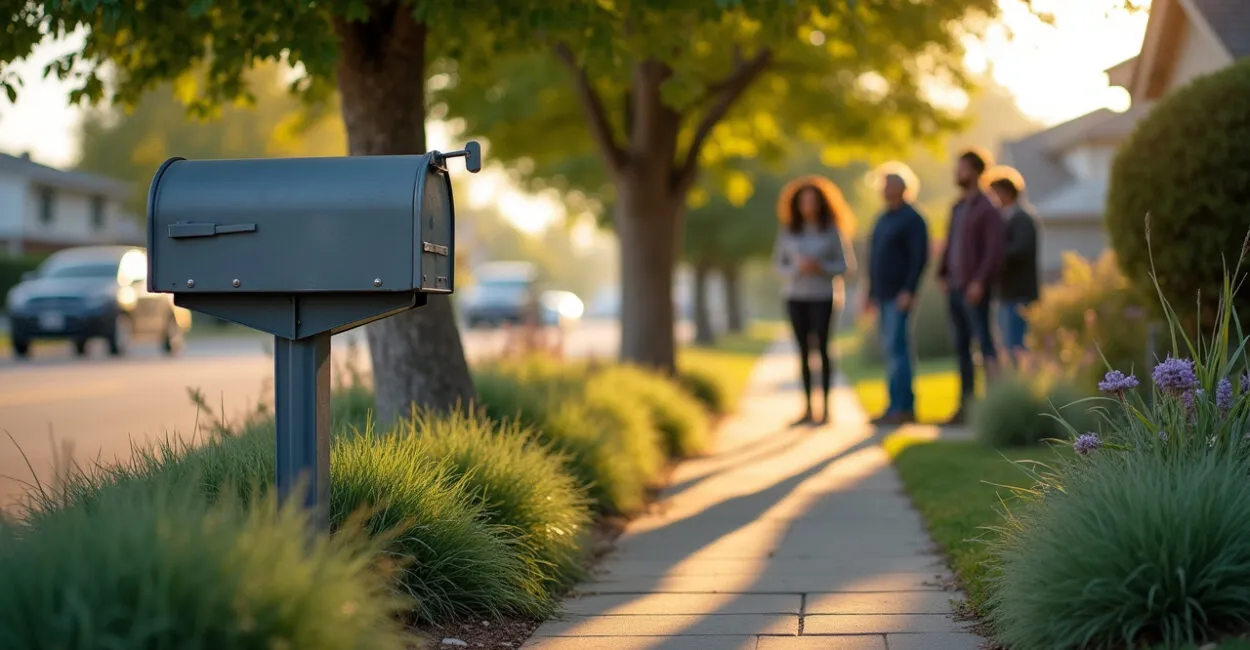 Neighbors review a notice beside drought-tolerant grasses
They rolled down the street and stopped at my neighbor’s yard — a small crowd pointing at a printed notice taped to a mailbox. The notice said new landscape rules would soon ban several thirsty ornamentals. Landscape rules are changing fast across the region, and if your front yard includes common turf or older ornamentals, you might be on the clock. This piece gets straight to the point: which ornamental grasses make the cut, how to swap noncompliant plants, and quick fixes that keep your curb appeal crisp.
Which Ornamental Grasses Are Now Recommended by the New Landscape Rules
Regional agencies are favoring low-water, low-maintenance grasses. The stars right now are blue fescue (Festuca glauca), Mexican feather grass (Nassella tenuissima), deer grass (Muhlenbergia rigens), and native prairie dropseed (Sporobolus heterolepis). These use far less water than older choices and tolerate hot, compacted soils. For shady spots, carex varieties and sedges are being recommended. Plant nurseries and municipal lists often tag compliant species — look for “waterwise” or “drought-tolerant” labels when buying.
How to Tell If a Plant in Your Yard is Noncompliant — The Quick Checklist
Start with three simple tests: water use, growth habit, and invasiveness. If a plant needs weekly deep watering in summer, grows aggressively beyond its space, or is listed as invasive in state guides, it’s likely noncompliant. Check tags, photos, and local lists. Take a phone picture and search the county extension website for ID help. Knowing these three points will save you time and fines.
Read also: Attention Homeowners: Curb Appeal Rules May Affect Your Lawn
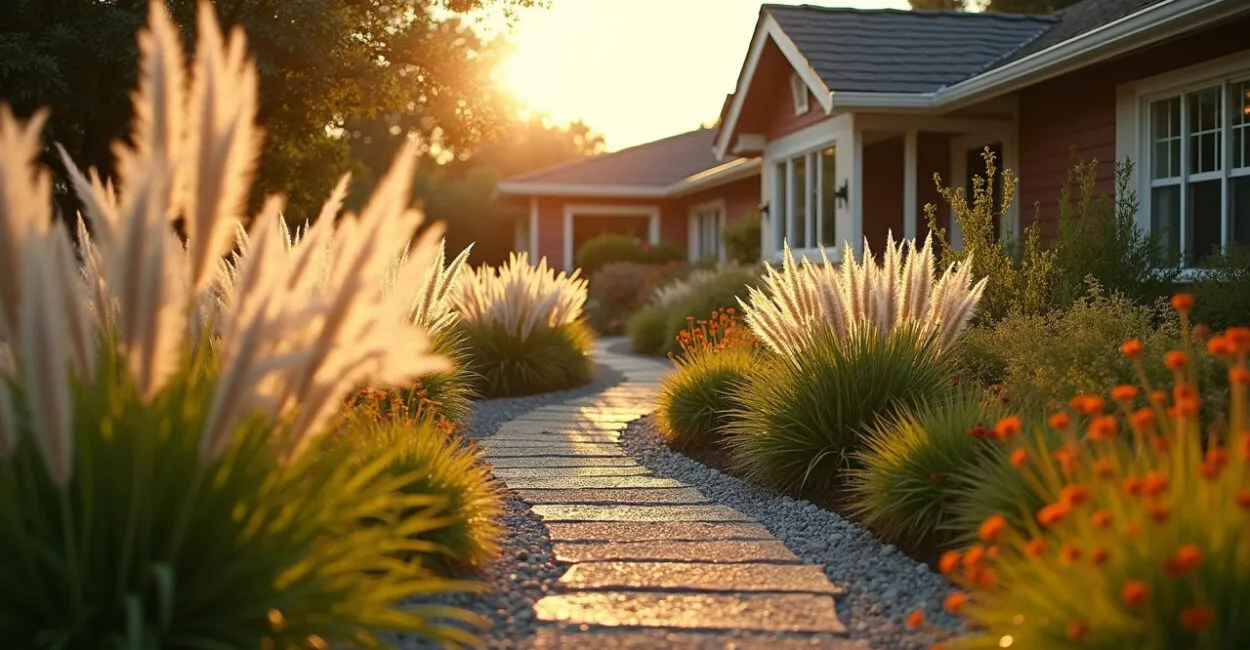
Simple Swaps That Keep Curb Appeal and Meet the Rules
Swap, don’t strip. Replace thirsty fountain grass or pampas with similar-looking, low-water options. For feathery texture try Mexican feather grass; for height and drama use deer grass. Mix ornamental grasses with native flowering perennials to soften transitions. Use gravel mulch or decomposed granite for pathways to maintain a polished look without turf. The result: the same rhythm and motion in the yard, with far less water and compliance headaches.
The One-minute Makeover: Quick Fixes to Avoid Citations
If you receive a notice, act fast with visible changes. Mow or trim unruly plants, remove obvious invasive runners, and replace one flagged specimen with a compliant grass or potted native. Add a neat border and a fresh mulch layer. These changes are cheap, fast, and show intent — and many inspectors accept quick corrections if the yard looks cared for. Document everything: before/after photos and receipts.

Costs, Funding, and Incentives — How to Pay for the Swap
Many cities offer rebates for turf removal and waterwise landscaping. Check municipal water authority pages and state programs; grants and discounts can cover plants, irrigation controllers, and permit fees. If funds are tight, phase the work: start with high-visibility swaps at the curb. Look for community plant swaps or native plant sales at local university extension events. Small, staged changes spread costs and keep your house looking good.
Common Mistakes People Make — And How to Avoid Them
People panic-swap the wrong plant, overplant shady beds, or remove healthy native species. Avoid these errors:
- Don’t buy without checking local lists.
- Don’t use more water than the plant needs.
- Don’t remove mature trees for quick compliance.
The Surprising Before/after That Changes How You Think About Waterwise Yards
Expectation: drought-friendly means sparse and boring. Reality: a planted, layered yard can be more inviting and lower maintenance. I saw a block where five homeowners replaced thirsty lawn strips with native grasses and groundcovers. Two years later, those yards had more pollinators, lower water bills, and higher curb satisfaction. The before/after is dramatic: less green turf, more texture and color, and a street that looks intentionally designed rather than neglected.
Regulations can feel like a threat, but they’re an invitation to rethink what front yards can do: save water, invite life, and still turn heads.
For specifics on banned or restricted species, check your state or county site and the EPA water-conservation resources. For technical plant lists, your local university extension often posts vetted, regional recommendations — good places to start are the EPA WaterSense program and your county’s extension office.
Here’s a small promise: swap one plant this season. You’ll save water, avoid fines, and probably get compliments.
Can I Keep Ornamental Grasses I Already Have If They’re Borderline Compliant?
If a grass is borderline, start by reducing its water and trimming its spread. Document your efforts: set an irrigation schedule, take photos, and keep receipts for mulch or edging. Some municipalities allow a grace period when homeowners show active steps toward compliance. Contact your local planning or water department to ask about timelines. If it proves invasive or a repeated complaint, plan a replacement with a recommended species to avoid fines. Small adjustments often buy you time and goodwill.
How Do I Choose a Replacement Grass That Mimics the Look of My Old Plants?
Match form and texture, not species. Identify what you liked — height, movement, color — and find a waterwise grass with similar traits. For airy plumes, try Mexican feather grass; for clumping blue tones, use blue fescue; for tall vertical drama, choose deer grass. Plant in groups and mix with a low-growing native groundcover to recreate fullness. Your local nursery or extension can confirm climate suitability. This method keeps curb appeal while meeting landscape rules.
Will Switching to Recommended Grasses Actually Lower My Water Bill?
Yes. Many recommended ornamental grasses need a fraction of the irrigation turf demands. Depending on your climate and irrigation habits, replacing a thirsty lawn strip with drought-tolerant grasses and adjusting your controller can cut outdoor water use by 30–70%. Savings show within the first season if you also curb overwatering and fix leaks. Rebates and smart controllers speed payback. Track usage with your water utility to see real savings after the swap.
Are There Rebates or Permits I Should Know About Before Redoing My Landscape?
Often yes. Cities and water districts commonly offer rebates for turf removal, smart controllers, and native plant purchases. Some projects require a permit if they change drainage or remove trees. Start by reviewing your water utility’s webpage and the municipal planning department. Ask about documentation needed for rebates — photos, receipts, or inspection. Planning ahead avoids wasted purchases and speeds approval. For reliable guidance, consult county extension resources or local government pages.
What Are the Fastest Steps to Make My Yard Look Compliant and Attractive Tomorrow?
Do three quick things: prune and tidy overgrown plants, add a fresh 2–3″ layer of mulch to visible beds, and replace one flagged plant with a compliant potted grass near the street. Clean edges and a clear path signal care. Keep receipts and take before/after photos. If you can, reduce scheduled watering to test plant hardiness. These visible fixes often satisfy inspectors and give you breathing room to plan larger swaps.