
Smart Thermostat Alternatives for Renters That Save Energy
Options for renters to control temperature without replacing thermostats, including portable devices, scheduling tools, and habits that reduce energy waste e…
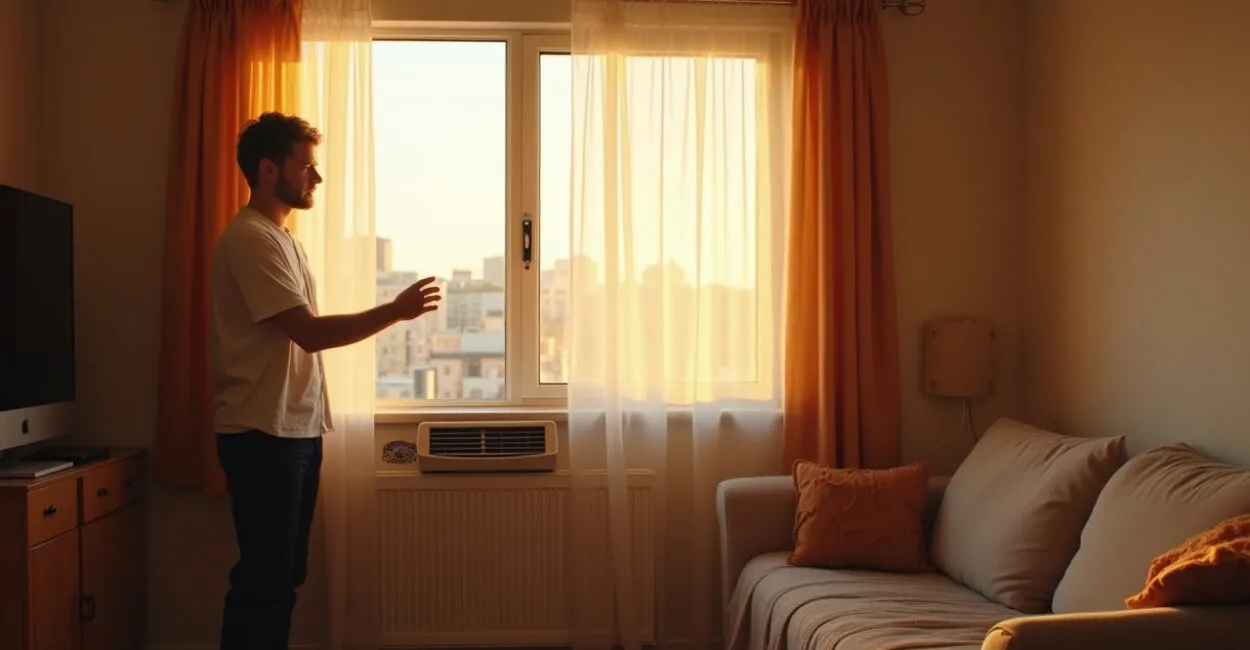 Renter uses simple tools to save energy
Heating and cooling usually eat the biggest share of a renter’s energy bill, and the thermostat is only part of the story. For many apartments, smart thermostat alternatives for renters are the better move because they work without rewiring, landlord approval, or compatibility headaches. The real goal is not “smart” for its own sake; it is tighter temperature control, less waste, and fewer uncomfortable swings.
That matters because renters face a different set of constraints than homeowners. You may not be allowed to swap the thermostat, the HVAC system may be shared, and the windows, insulation, or HVAC zoning may be doing more damage than the thermostat ever could fix. This article breaks down renter-safe options that actually change outcomes: portable controls, scheduling tools, and low-cost habits that cut waste without crossing the line.
O Que Você Precisa Saber
- For renters, the best temperature-control upgrade is usually the one that reduces runtime, not the one with the most app features.
- Portable tools like smart plugs, radiant heaters, fans, and room sensors work best when you control one room at a time instead of the whole unit.
- Scheduling matters as much as hardware; timed setbacks and occupancy-based habits can reduce heating and cooling waste without any electrical work.
- Many “energy-saving” gadgets fail in poorly insulated apartments, where sealing leaks and managing sun exposure deliver faster payback.
- The safest first step is to improve comfort at the room level before spending money on whole-home replacements.
Smart Thermostat Alternatives for Renters: The Best Ways to Control Temperature Without Replacing the Wall Unit
A smart thermostat is a networked control device that learns or follows schedules, adjusts setpoints automatically, and can be managed remotely through an app. For renters, though, that definition only matters if you can legally install one and if the building’s HVAC system will cooperate. If not, you need substitutes that produce the same practical result: less wasted heating and cooling.
The best alternatives fall into three buckets. First are portable devices such as fans, space heaters, and room sensors that change conditions in the space you occupy. Second are control tools like programmable timers, smart plugs, and app-based routines that make temperature changes predictable. Third are passive measures such as sealing drafts, using curtains, and managing sunlight, which reduce the load on your system before it even starts.
In a rental, the most effective temperature control is usually room-level control, not whole-apartment automation.
That distinction matters because a central system does not care which room you are using. A bedroom that stays cold all evening and a living room that bakes in afternoon sun need different strategies. Once you accept that, the “alternative” stops being a downgrade and becomes a better fit for how renters actually live.
Why Whole-Home Automation Often Fails in Rentals
Whole-home automation assumes you control the equipment, the ductwork, and the operating schedule. Renters rarely do. In many buildings, the thermostat may belong to the landlord, the HVAC may serve multiple units, or the system may be old enough that app-based features are irrelevant. The U.S. Department of Energy notes that thermostat setbacks can save energy when the system is used correctly, but that assumes you can actually control the system.
In practice, the better question is: what can you influence today without risking a lease violation? That leads to room-level comfort, shorter runtime, and fewer spikes. Those changes are often more realistic than chasing a landlord-approved smart thermostat replacement.
Room-Level Comfort Tools That Beat a Whole-Apartment Upgrade
If one room feels wrong, fix that room first. A 150-square-foot bedroom with direct sun and an undersized vent needs a different response than a shaded kitchen or a drafty living room. That is why portable temperature tools often outperform a thermostat replacement in rentals: they target the place where you feel discomfort, not the entire mechanical system.
Fans, Circulators, and Window Fans
Fans do not lower air temperature, but they increase heat loss from skin and improve perceived comfort. That makes them one of the cheapest ways to delay air conditioning use. Window fans help even more when outdoor air is cooler than indoor air, especially at night. A ceiling fan is even better if the rental already has one, because it can let you raise the cooling setpoint by a few degrees without feeling it as much.
Space Heaters, but Only for Zoned Heating
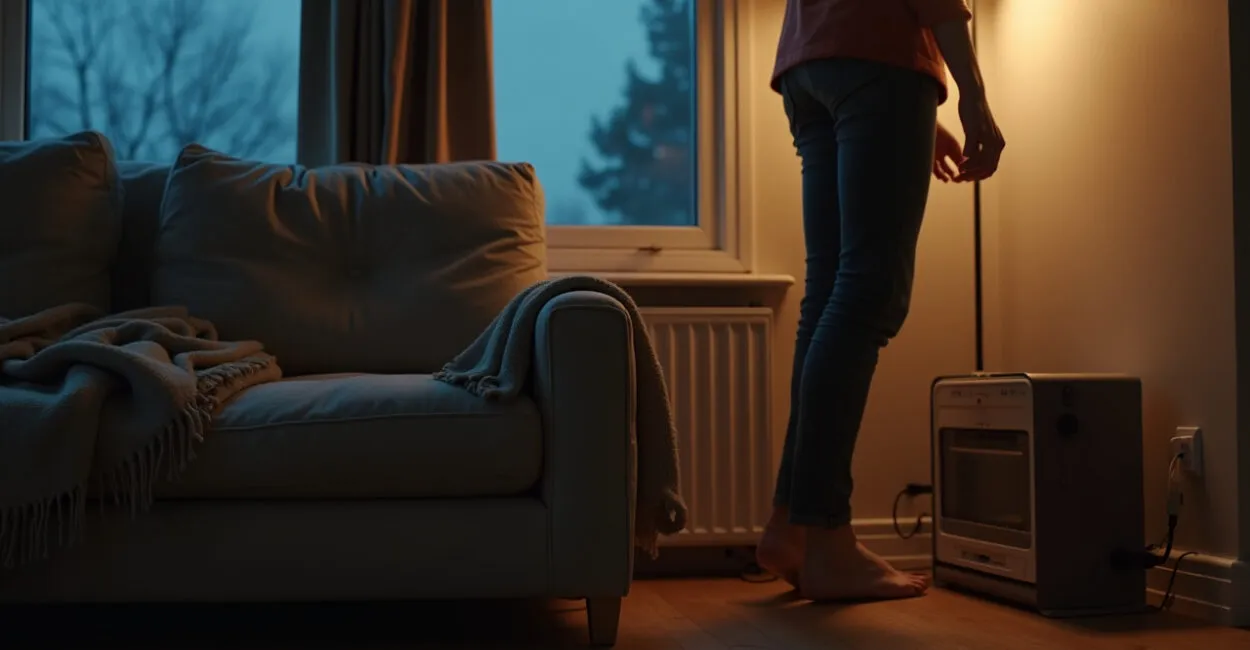
Electric space heaters can be useful in a drafty bedroom or home office when the central heat is set lower than you prefer. They are not a bargain if you use them to heat the whole apartment. The mistake I see most often is treating a space heater like a miniature furnace. It is not. It is a targeted comfort tool, and it works best for short periods in one occupied room.
Use it with a timer, keep it away from curtains and rugs, and choose models with tip-over and overheat protection. For safety guidance, the National Fire Protection Association has clear recommendations on safe heater placement and use.
Blackout Curtains and Thermal Curtains
These do more than block light. On hot days, they reduce solar gain through windows. On cold nights, they reduce heat loss. In older apartments with single-pane windows, this can be one of the highest-return upgrades you can make for under $50 to $100 per window. If your unit gets harsh afternoon sun, start here before buying any connected device.
Portable comfort tools work when they reduce the load on the building system; they fail when they are used as a substitute for insulation, shading, or basic airflow.
Scheduling Tools That Create Savings Without Rewiring Anything
The biggest waste in rentals often comes from inconsistent habits. People leave heat running while they are at work, cool an empty apartment before bed, or forget to shut off a space heater. Scheduling tools solve that by creating predictable setbacks. You do not need a smart thermostat to do that; you need timing, consistency, and a little discipline.
Programmable Timers
A plug-in timer can automate when a fan, space heater, or portable AC runs. That is useful because most comfort needs are tied to a schedule: wake-up, work hours, dinner, sleep. If you know the room only needs extra warmth from 6 a.m. to 8 a.m., there is no reason to heat it all day.
Smart Plugs
Smart plugs are one of the most useful renter-friendly tools available, but only for devices that are safe to power that way. They work well with fans, lamps, and some low-risk appliances. They are not a good fit for every heater or high-draw device, so read the manufacturer specs before plugging anything in. The ENERGY STAR guidance on efficient fan use is a good model for thinking about low-energy support devices.
Read also: Beginner Home Energy Savings: Lower Bills the Smart Way
Occupancy Routines
Whoever works with HVAC knows this: setpoint changes matter most when the room is empty. A simple routine can do a lot. Lower heat when you leave for work. Close blinds before the afternoon sun hits. Use a fan before turning on AC. These are not glamorous moves, but they reduce runtime, and runtime is where the bill moves.
- Set a morning boost for bedrooms, then drop back.
- Pre-cool or pre-warm only the hours you actually use.
- Pair timers with daily habits so you do not rely on memory.
Low-Cost Habits That Reduce Heating and Cooling Waste Fast
Hardware gets attention, but habits usually deliver the quickest payback. A rental can lose a surprising amount of conditioned air through gaps, unsealed windows, and careless use of blinds. The upside is that many of these fixes are cheap, removable, and easy to reverse when you move out.
Read also: Energy-Saving Tips for Renters: Cut Bills Without Upgrades
Seal the Easy Leaks
Use removable weatherstripping, door sweeps, and draft stoppers where air escapes most: exterior doors, window frames, and gaps around older fixtures. This does not sound exciting, but it changes how often your system cycles. The fewer leaks you have, the less your heater or AC has to fight the room all day.
Use Sunlight on Purpose
In winter, open curtains on sunny windows during the day and close them at night. In summer, do the opposite. That sounds almost too simple, yet it changes indoor temperature more than many renters expect. A south- or west-facing apartment can gain a lot of heat in the afternoon, so a blind left open for a few hours can cancel out the effect of a decent fan.
Adjust Clothing Before You Touch the Thermostat
This is the least technological advice in the article, and it still works. A sweatshirt, socks, or a lighter blanket can let you keep the setting closer to efficient ranges. People often reach for the thermostat because it is visible, but comfort is a system, not a number. Clothing, airflow, and window management all affect how warm or cool a room feels.
How to Choose the Right Option for Your Apartment
The right choice depends less on the product category and more on the rental itself. A top-floor unit with west-facing windows, a basement apartment with damp winter air, and a studio with a shared HVAC loop all need different strategies. That is why there is no single best replacement for a smart thermostat.
Rental Situation
Best Alternative
Why It Works
Hot apartment with strong afternoon sun
Blackout curtains + fan
Blocks solar gain and improves perceived cooling
Bedroom that gets too cold at night
Timer-controlled space heater
Targets one room instead of heating the whole unit
Older unit with drafty windows
Weatherstripping + thermal curtains
Reduces heat loss before adding mechanical devices
Busy schedule with irregular hours
Smart plugs + routines
Automates predictable comfort windows
One important limit: these options do not fix a broken HVAC system. If your heat never reaches a safe temperature, or the AC cannot maintain comfort in a mild climate, the issue may be equipment failure, not user behavior. In that case, the landlord has to address it. The U.S. Department of Housing and Urban Development offers general maintenance guidance that is worth using as a reference when temperature problems become habitually unreasonable.
The Mistakes That Waste Money Instead of Saving It
Most failed energy-saving attempts in rentals share the same flaw: they ignore scale. People buy a device for the whole apartment when the problem exists in one room, or they expect a gadget to compensate for bad insulation. That is how a well-intentioned purchase turns into clutter.
Buying Tech Before Fixing Air Leaks
If your apartment leaks heat, a new device can only do so much. Drafts, thin windows, and unshaded glass often produce larger comfort losses than thermostat settings do. Fixing those gaps first usually gives better value than spending on a premium app-connected controller.
Using High-Wattage Heat for Full-Home Comfort
Electric heaters are expensive when they become the main heat source. They make sense for a single occupied room for a short window of time. They make poor sense when the goal is to warm a whole apartment all day. That is the point where the bill climbs fast.
Ignoring Landlord Rules and Safety Specs
Not every device is lease-friendly, and not every electrical outlet is ready for heavy loads. Renters should verify what the lease allows, whether the building has restrictions, and whether the product is rated for the intended use. That caution is not paranoia; it is part of using the equipment safely.
The best renter-friendly temperature strategy is the one that cuts runtime, respects the lease, and stays safe on a daily basis.
Practical Setup Plan for Renters on Any Budget
If you want a simple rollout, start with the cheapest fixes that affect the most hours of the day. The order matters. People often buy hardware first because it feels productive, but the faster gains usually come from sealing leaks, managing sunlight, and scheduling device use.
- Identify the room you use most.
- Seal obvious drafts and close light gaps.
- Add curtains or blinds that match the season.
- Use a fan or heater only for occupied hours.
- Automate what repeats, such as wake-up or bedtime routines.
Here is a realistic example. A renter in a one-bedroom apartment with a west-facing living room was running the AC from late afternoon through midnight. The room felt hot even after the thermostat dropped. By closing blinds before the sun hit, adding a ceiling fan, and using a timer to pre-cool only the evening hours, the renter reduced runtime without changing the building’s thermostat at all. The comfort improvement came from timing and shading, not from a bigger appliance.
The cleanest strategy is to treat temperature control as a system of small decisions. Once you do that, smart thermostat alternatives for renters stop being a workaround and start looking like the better design for rental life.
What to Do Next If You Want Lower Bills and Better Comfort
Start by choosing one room and one problem. Do not try to optimize the whole apartment at once. If summer heat is the issue, begin with sunlight control and airflow. If winter cold is the issue, begin with drafts and short-duration heating where you actually sit or sleep.
The smartest next step is to compare your rental’s weak points against your daily schedule, then pick the smallest fix that changes the most hours. Test that for two weeks, track how often the HVAC runs, and adjust from there. That approach beats buying a connected gadget just because it looks advanced.
📱 See this content as a Web Story
FAQ
Are Smart Thermostat Alternatives Legal in Most Rentals?
Yes, most renter-friendly temperature controls are legal because they do not replace hardwired equipment. Fans, curtains, timers, smart plugs, and removable weatherstripping usually do not require landlord permission. The exception is any change to wiring, wall-mounted equipment, or the HVAC system itself. Always check the lease before installing anything that could be seen as a modification.
What is the Cheapest Alternative That Still Makes a Real Difference?
For most renters, the cheapest high-impact option is a mix of weatherstripping and blackout or thermal curtains. Those two changes can cut drafty losses in winter and solar gain in summer without buying complex equipment. If your apartment gets strong sun or has leaky windows, the payback is often faster than expected. A simple fan or timer can help after that.
Do Smart Plugs Work with Space Heaters?
Sometimes, but only if the heater manufacturer allows it and the plug is rated for the electrical load. Many space heaters draw too much power for random smart plugs, which creates a safety risk. A plug can work well for a fan or lamp, but heaters need more caution. Check both the heater specs and the plug’s maximum amperage before using them together.
Which Option is Best for an Apartment with Shared HVAC?
Shared HVAC usually means room-level solutions matter more than thermostat changes. Fans, curtains, zoning by room, and occupancy-based habits are the most practical tools. In that setup, you are trying to shape comfort around a system you do not directly control. If the shared system is failing to maintain safe temperatures, that becomes a maintenance issue rather than a comfort optimization problem.
Can Renters Save Money Without Buying Any Gadgets at All?
Yes, and in many apartments that is the best starting point. Closing blinds at the right time, sealing drafts, adjusting clothing, and changing the schedule for when heat or cooling runs can all reduce waste. Those habits cost little or nothing and often produce the first noticeable bill drop. Gadgets only make sense after the basics are handled.