
Pet-Safe Landscaping Plants for Family Homes That Actually Thrive
How to choose pet-safe landscaping plants that balance non-toxicity, durability, and local conditions for family yards that stay beautiful and low-maintenance.
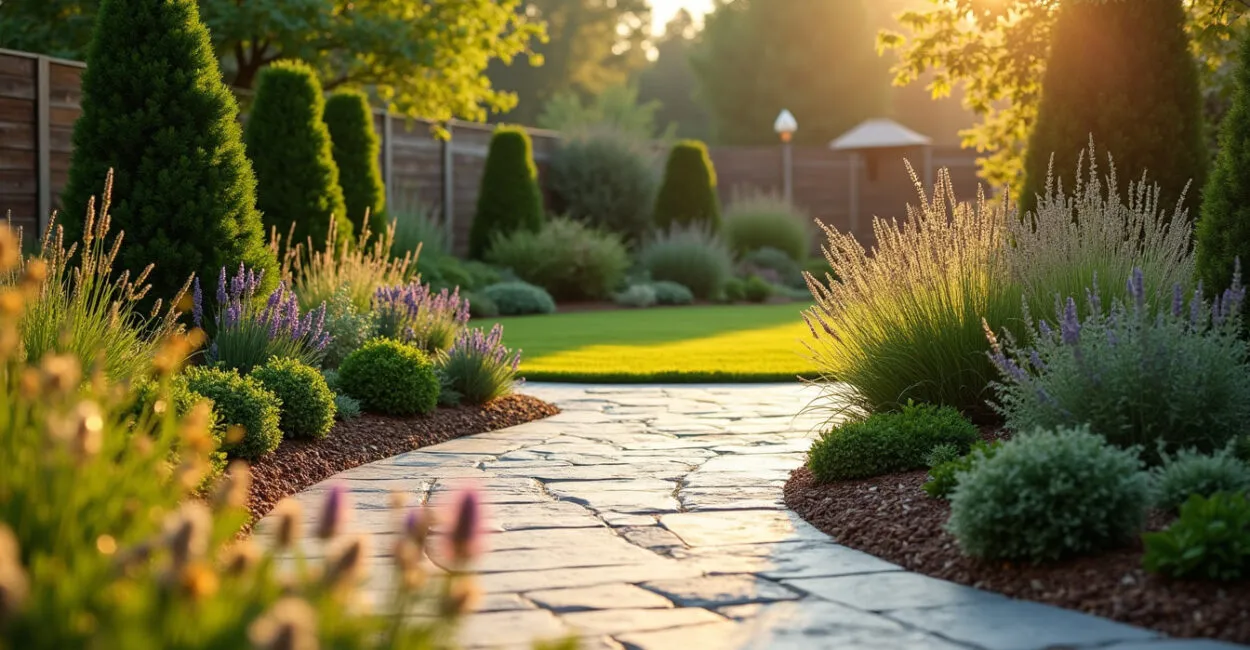 Pet-safe plants thrive in a family backyard
Pet-safe landscaping plants for family homes can look polished, survive real weather, and still keep curious paws out of trouble.
The catch is that “safe” is only half the job. A lot of plants are non-toxic but weak, messy, or short-lived, which is why families end up replacing them every season. The better move is a plant mix that holds up in borders, yards, and patios without turning your yard into a full-time project.
That means checking toxicity, durability, and local growing conditions together. Miss one of those, and the “perfect” landscape turns into dead shrubs, chewed leaves, or a vet call you did not want to make.
The Plant Mix That Works in Real Family Yards
Start with structure. For pet-safe landscaping plants for family homes, you want a backbone of tough, non-toxic choices, then softer accents around them. Think of it like building a room: the big pieces have to hold up before the decor matters.
Good foundation plants include boxwood alternatives, dwarf spirea, marigolds, impatiens, rosemary in containers, and many ornamental grasses that are not known to be toxic. For shade, ferns and caladium-free foliage beds can work well. For sun, lavender is a favorite in many homes, but double-check it against your specific pets and local extension guidance before planting in bulk.
Here’s the practical rule: put the toughest plants where traffic is highest. Use softer blooms in protected spots near patios or along fences. That way, the yard still feels alive, but one zoomie session does not flatten your whole design.
Pet-safe landscaping plants for family homes do best when you treat them like a system, not a shopping list.
- Yards: resilient shrubs, groundcovers, and patchy flower edges
- Borders: compact perennials with clean habits and low litter
- Patios: pots, raised planters, and herbs you can move fast
The biggest mistake is choosing only by pet safety and ignoring hardiness. A plant can be non-toxic and still hate your heat, clay soil, or winter wind. That is where the hidden cost shows up: replacement, watering, cleanup, and frustration.
Read also: Cat-Friendly Flowering Plants: Which Blooms Work Best Near Paths?
The Safety and Hardiness Checks Most Families Skip
This is the part people miss. “Pet-safe” is not the same as “pet-proof.” Some plants are safe if nibbled, but irritating in large amounts. Others are technically non-toxic but have thorns, sticky sap, or seeds that become a nuisance.
Before you buy, check three things: ASPCA toxicity guidance, your local hardiness zone, and the plant’s mature size. The ASPCA has a widely used pet plant database at its toxic and non-toxic plants list, and the USDA’s Plant Hardiness Zone Map helps you avoid plants that will fail the first cold snap.
Read also: Pet-Safe Ground Covers for Dogs That Can Handle Play and Foot Traffic
In practice, the winning combo is often boring in the best way: one sturdy evergreen, one seasonal bloomer, one herb or fragrant plant, and one groundcover. That mix gives color without turning your yard into a specialty garden that demands constant rescue.
What to avoid:
- plants with known toxicity to dogs or cats
- highly invasive spreads that choke borders
- thorny shrubs near play areas
- fragile annuals in open paths where pets run
One small story says it all. A family I knew planted a gorgeous border of “safe-looking” flowers along their patio. The plants were non-toxic, but the variety hated their sun and collapsed by midsummer. They replaced it with herbs, dwarf shrubs, and mulch-friendly edging. The yard looked calmer, and the dog stopped destroying the beds. Same space. Less drama.
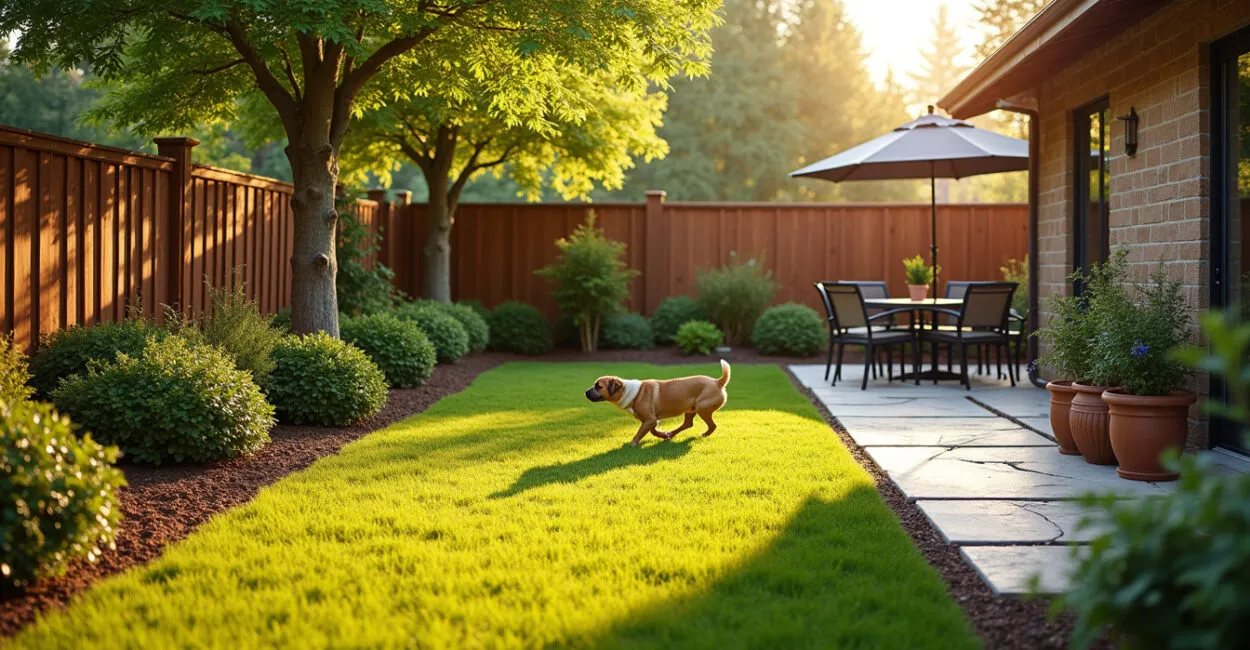
How to Build a Yard, Border, and Patio That Stays Good-looking
The easiest way to make pet-safe landscaping plants for family homes actually work is to zone the yard by behavior. Where do pets sprint? Where do kids sit? Where does water pool after rain? Those answers matter more than a perfect plant photo.
For open yards, use durable groundcovers and shrubs that can handle occasional compression. For borders, repeat only a few species so the bed reads cleanly from the street. For patios, use containers with herbs, compact blooms, or movable shade plants. A patio planter can do more work than a whole bed if you choose right.
Safe landscaping is not about removing beauty. It is about removing preventable mistakes.
One more thing: “pet-safe” can change with species. Dogs, cats, rabbits, and even grazing backyard chickens do not interact with plants the same way. If your home has multiple animals, test the list against your own situation, not a generic blog roundup. There is real nuance here, and that is where good planning beats cute labels.
For a deeper local reality check, many university extensions publish region-specific planting advice, such as University Extension yard and garden guidance. That matters because a plant that thrives in one climate can fail hard in another.
Use the right plant in the right place, and your yard stops feeling fragile. That is the difference between a landscape you babysit and one you actually live in.
📱 See this content as a Web Story
FAQ
Are Pet-safe Plants Always Safe for Every Pet?
No. “Pet-safe” usually means non-toxic if nibbled, but it does not cover every animal, every amount, or every reaction. Cats, dogs, rabbits, and birds can respond differently. If your pet has a habit of chewing plants, the safest choice is still to keep tempting foliage out of reach and check the exact species against a trusted toxicity database before planting.
What Are the Easiest Low-maintenance Options for Family Homes?
Look for hardy shrubs, simple groundcovers, and container herbs that match your climate. The easy win is a small palette of repeat plants rather than a mixed bag of delicate varieties. That keeps watering, pruning, and replacement costs down while making the yard look intentional instead of crowded.
Can I Use Herbs in a Pet-friendly Patio Design?
Yes, but keep the selection narrow and verify each herb first. Container herbs work well because they are movable, easy to protect, and useful for cooking. The trick is choosing plants that tolerate your sun exposure and staying away from anything your pets are likely to chew constantly.
How Do I Know If a Plant Will Survive My Area?
Check your USDA hardiness zone first, then compare it with the plant tag or nursery label. If the plant is rated for your zone and your soil, light, and moisture conditions fit, your odds improve a lot. A plant can be safe for pets and still die quickly if it is mismatched to climate.
Should I Avoid All Flowering Plants If I Have Pets?
No, but you should avoid guessing. Many flowering plants are fine, and many are not. The best approach is to choose proven pet-safe options, place them outside the main traffic paths, and avoid anything with thorns, irritating sap, or known toxicity. That gives you color without turning the yard into a risk zone.
The best family yard is not the fanciest one. It is the one that still looks calm after the dog runs through it, the kids forget their shoes, and the weather does what weather does.