

Cat-Proofing Plants: Simple Steps to Keep Cats Away
Discover effective cat proof plants tips to protect your greenery without sacrificing style. Keep your home beautiful—click to learn how now!
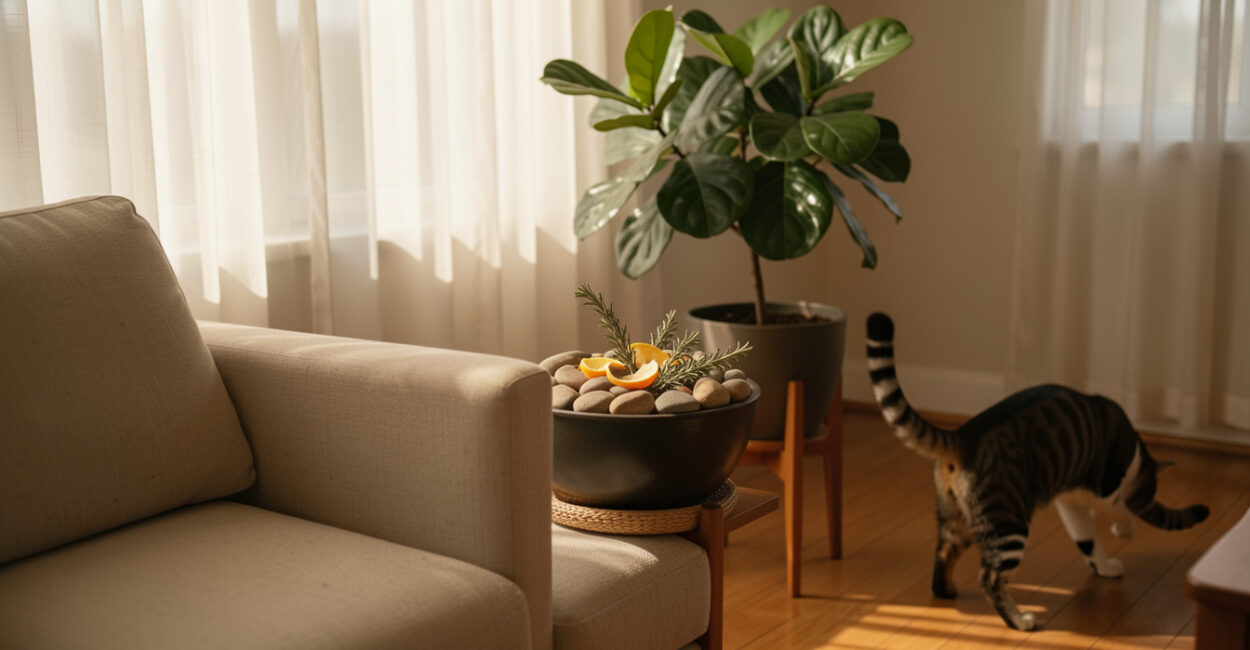
My fiddle leaf had a clean, green top—until my cat decided it was a jungle gym. If you’ve ever come back to chewed leaves, upturned pots, or a plant dug into soil everywhere, you need cat-proofing plants tactics that actually work and don’t wreck the look of your home. This guide gives practical, low-effort tricks to keep curious cats away while keeping plants healthy and happy.
Why a Few Simple Swaps Stop 80% Of Incidents
Small changes beat dramatic ones. Move one pot, swap one soil type, add a scent barrier, and you often break the bad habit. Cats test things out of curiosity, not malice. When their first attempts meet an unpleasant texture or smell, they move on. Try one swap per plant over a week and you’ll see behavior change faster than heavy-handed training. Cat-proofing plants works best when it’s invisible and consistent.
The Placement Hack Most People Miss
Where a plant sits is half the battle. Cats prefer reachable, level surfaces. Put fragile plants on narrow shelves, high plant stands, or hang them. Place heavier or wider pots on the floor where cats can’t tip them into litter-like mess. Use vertical clusters: cats can’t be everywhere at once. Rotating pot position every few weeks keeps plants out of predictable pathways and reduces repeated testing by a curious cat.

Texture and Container Choices That Actually Deter Cats
The right container can stop digging and tipping. Choose tall, heavy pots with narrow rims and tight-fitting saucers. Add layers: a top layer of smooth river stones, coconut coir, or decorative glass pebbles hides soil and makes digging awkward. Terracotta can be easy to tip—switch to concrete or weighted planters where needed. These small container choices protect roots and keep your cat from turning pots into litter boxes.
Natural Deterrents That Don’t Harm Plants or Pets
Some scents work wonders—and are safe. Citrus peels, dried lavender, rosemary sprigs, and coffee grounds deter many cats without chemicals. Place peels or sachets around pots, not on leaves. For a quick, safe spray, mix water with a few drops of citrus or eucalyptus oil—test on a single leaf first. If you prefer a product, use vet-recommended, pet-safe sprays. Always avoid toxic substances like tea tree oil or concentrated essential oils directly on plants.
The Low-effort Repellent Routines That Stick
Consistency beats strength. Cats learn by pattern. A motion-activated air sprayer at one trouble plant teaches faster than dozens of scolding episodes. Try double tactics: scent barriers plus a tactile surface like aluminum foil or plastic carpet runner (spiky side up) for a few days, then switch to stones once habit is broken. Rotate deterrents slowly—sudden removal can invite renewed curiosity. Small, steady routines make cat-proofing plants last.
What People Get Wrong: Common Mistakes to Avoid
The most common errors worsen the problem.
- Using toxic sprays that harm plants or pets.
- Putting plants where cats see them as toys—low, unstable, or in sun patches.
- Relying only on punishment. Cats don’t connect scolding with the plant.
- Removing all interest immediately—sudden changes cause stress and persistent testing.
Fix these and your cat-proofing plants efforts will be cleaner and faster. A good rule: if it feels harsh to you, it’s likely harsh to the plant or cat too.
A Quick Real-life Test That Proves the Method
Try this 7-day experiment. Day 1: place citrus peels and stones on a trouble pot. Day 3: add a motion sprayer aimed at the pot. Day 5: move the pot up two feet. Day 7: remove the peels and observe. One owner reported near-zero interest by day 7. The trick works because you change smell, texture, and access all at once. That triple shift breaks curiosity faster than any single action.
Cat-proofing plants doesn’t need drama. Pick two simple changes today—placement and a tactile top layer—and you’ll notice fewer chewed leaves by the weekend.
How Fast Will My Cat Stop Bothering a Plant?
Most cats show change within a few days if the deterrent blocks access, smell, or fun. Use a combination—texture, scent, and placement—and test for one week. Some cats need longer. If your cat is strongly territorial or bored, add enrichment like new toys or play sessions. If progress stalls after two weeks, swap deterrents. Persistent digging may signal stress or a litter box issue, so consider a vet check.
Are Citrus Peels Safe for Plants and Cats?
Citrus peels are a low-risk, effective deterrent for many cats. Placed around the soil surface, they release a scent cats dislike without spraying chemicals. However, citrus oils can harm sensitive plants or heavy concentrations can alter soil pH over time. Keep peels around the pot rim, not buried, and replace them frequently. If your cat shows skin sensitivity or you notice plant stress, stop use and try dried herbs like lavender or rosemary instead.
Can I Use Essential Oil Sprays on My Plants?
Essential oils can repel cats, but they’re potent and risky. Direct application can burn leaves or harm pets if concentrated. If you want a spray, use a very diluted mix—just a few drops in a large spray bottle of water—and test on one leaf. Use pet-safe products recommended by veterinarians when possible. Never spray directly on a sleeping cat or in enclosed spaces, and avoid oils toxic to cats such as tea tree or ylang-ylang.
What If My Cat Keeps Knocking over Heavy Pots?
If tipping persists, switch to heavier, wider planters or secure pots to surfaces with museum putty or Velcro straps. You can also place pots in decorative baskets with weights inside, or use low, wide dishes that spread weight. Another approach is to divert behavior: create safe vertical climbing spots like cat trees near windows so the cat climbs elsewhere. If tipping is linked to play or boredom, increase interactive play sessions to reduce destructive energy.
Which Plants Are Safest Around Cats?
Choose non-toxic plants like spider plants, Boston ferns, and areca palms to reduce risk if your cat nibbles. Avoid known toxic species such as lilies, pothos, philodendron, and dieffenbachia. Even non-toxic plants can upset a stomach if eaten. If unsure, check authoritative sources like the ASPCA’s toxic and non-toxic plant lists or university extension pages before bringing a plant home. Safer choices make cat-proofing plants less stressful for everyone.