
Energy-Efficient Windows for Older Houses: What Actually Works
How to choose energy-efficient windows for older houses that fit existing frames, control moisture, and reduce drafts without damaging original wood or causi…
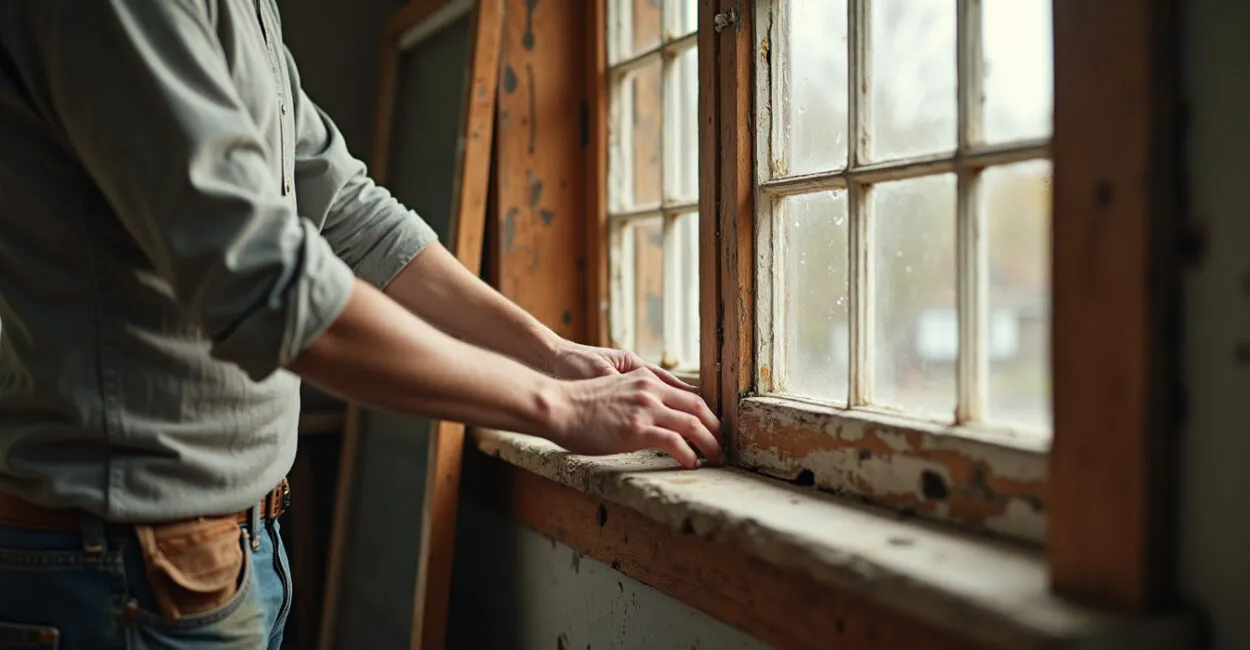 Contractor and homeowner inspect a window insert
Energy-efficient windows for older houses can cut drafts fast, but the wrong retrofit can trap moisture where old walls can’t forgive it.
That’s the part most people miss. In an older house, a “better window” is not just about lower bills. It has to fit the wall, manage condensation, and avoid turning a tired frame into a mold factory.
The good news: you do have options, and the best one is not always the most expensive. It depends on your sash, your climate, and how much original wood you can save.
What Actually Works in an Older House
For older homes, energy-efficient windows for older houses usually means choosing between full replacement, insert replacement, or a true repair-and-upgrade approach. Full replacement swaps the entire unit, frame and all. Insert replacement keeps the existing frame and drops in a new window, which often protects trim and reduces labor. If the frames are sound, inserts are the sweet spot. If the wood is rotten or badly out of square, full replacement may be the cleaner move.
Here’s the practical test: if your biggest problem is air leakage, you may not need a dramatic architectural change. Storm windows, new weatherstripping, and restored sash can deliver a surprising jump in comfort. In many old houses, that’s enough to stop the “cold wall” feeling without opening a moisture risk.
The best upgrade is the one your wall can actually support. Old houses were not built like modern stud walls, and that matters.
The Cost Tradeoff Most People Get Wrong
People compare windows by sticker price, then regret the labor bill. A cheap window installed badly performs like an expensive one with a cracked seal: not well. With energy-efficient windows for older houses, the real cost includes removal, carpentry, trim repair, insulation around the opening, and sometimes interior touch-up.
A useful comparison: a high-end full replacement may look better on day one, while an insert can preserve character and cost less. But if the opening is already failing, saving the old frame can become a false economy. I’ve seen owners spend less upfront, then pay again when water sneaks behind the casing and the repair gets bigger than the window.
- Choose inserts when frames are solid and you want less disruption.
- Choose full replacement when rot, distortion, or bad flashing is already there.
- Choose restoration + storm windows when the original windows are worth saving and the house needs better moisture balance.
For a quick baseline on efficiency claims, look for ENERGY STAR guidance at ENERGY STAR doors and windows and installation details from the U.S. Department of Energy at Windows, doors, and skylights.
Moisture Risks: The Hidden Variable
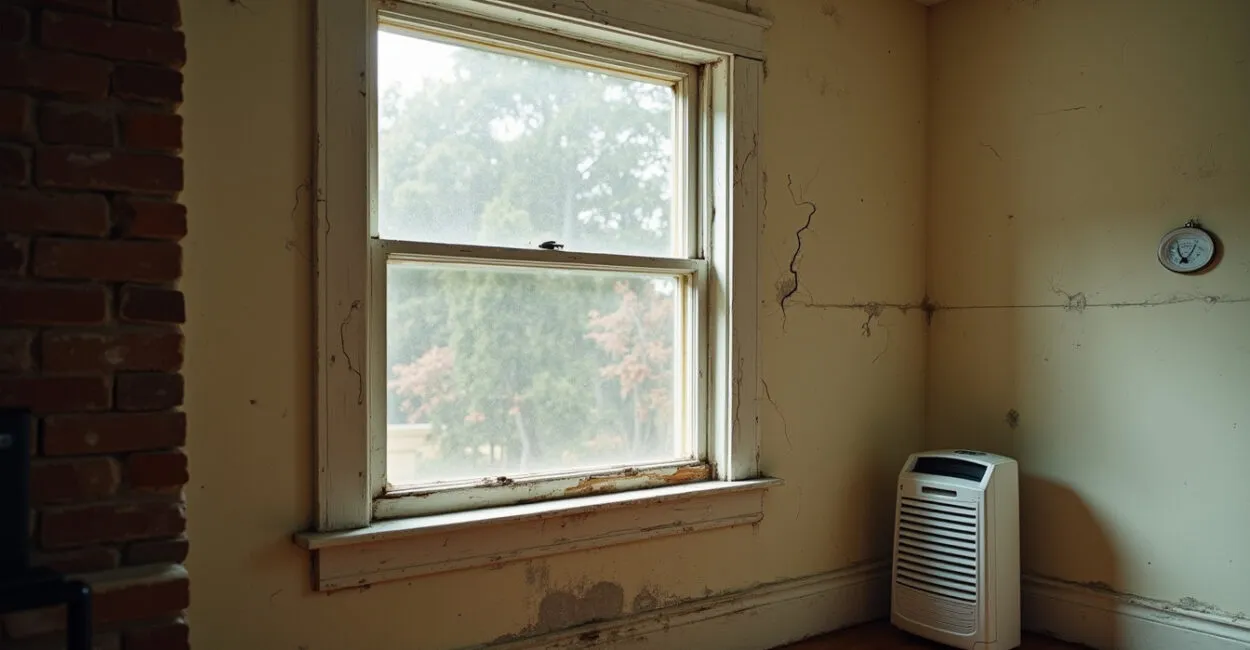
This is where good intentions go bad. A tighter window reduces drafts, but it can also reduce drying if the surrounding wall already has trapped moisture. In older homes, especially those with plaster, brick, or mixed materials, energy-efficient windows for older houses should be paired with proper flashing, air sealing, and enough interior humidity control.
Cold glass is annoying; hidden condensation is expensive. Moisture behind trim does not announce itself right away. It shows up later as soft paint, staining, swollen wood, and that sour smell nobody wants to name.
One small story: a homeowner in a century-old bungalow replaced every window in one weekend. The rooms felt better immediately. By winter, one north-facing wall started bubbling paint. The problem wasn’t the glass; it was the installation detail around an old, leaky opening that no one sealed correctly. The fix cost more than the original “upgrade.”
If your house already has moisture history, treat the window as part of a system, not a solo purchase. That one mindset shift saves a lot of regret.
In an older house, the right window is the one that improves comfort without outsmarting the wall.
📱 See this content as a Web Story
FAQ
Are Replacement Windows Always Better Than Storm Windows?
No. If your existing windows are structurally sound, storm windows can deliver strong comfort gains at lower cost and with less risk to original materials. They also preserve the look of the house. Replacement makes more sense when the frame is failing, the sash is damaged, or you need a bigger performance jump than repair can provide.
Do Energy-efficient Windows for Older Houses Need Special Installation?
Yes. Older walls are less forgiving, so sealing, flashing, and insulation around the opening matter as much as the window itself. A great product installed poorly can still leak air and water. In older homes, installation quality often determines whether the upgrade feels worthwhile or becomes a future repair job.
Will New Windows Stop Condensation on Old Walls?
Not always. Condensation can move from the glass to the surrounding wall if indoor humidity is high or the assembly can’t dry properly. New windows reduce cold surface temperature, but they don’t solve ventilation or moisture management by themselves. If you already have damp spots, you need to look at the whole wall, not just the sash.
What Window Type is Best If I Want to Keep the House’s Character?
Insert replacements or restored original windows with storm panels usually preserve character best. They keep trim, proportions, and historic details intact. Full replacements can still work, but they often change the visual profile more than homeowners expect. If curb appeal matters, ask how the new unit will look from the street before you sign anything.
How Do I Know If My Old Frames Are Worth Saving?
Check for rot, major warping, and repeated water damage. If the wood is mostly sound and the openings are square enough to seal well, saving the frames can be smart. If you see soft spots, deep decay, or chronic leaks, replacement is often the safer long-term bet. The frame, not the glass, usually tells you the truth.