
Single-Pane Window Replacement for Older Homes: Costs and Payback
When single-pane windows are loose or frames fail, replacement payback accelerates—this article explains where and why upgrading offers the fastest energy an…
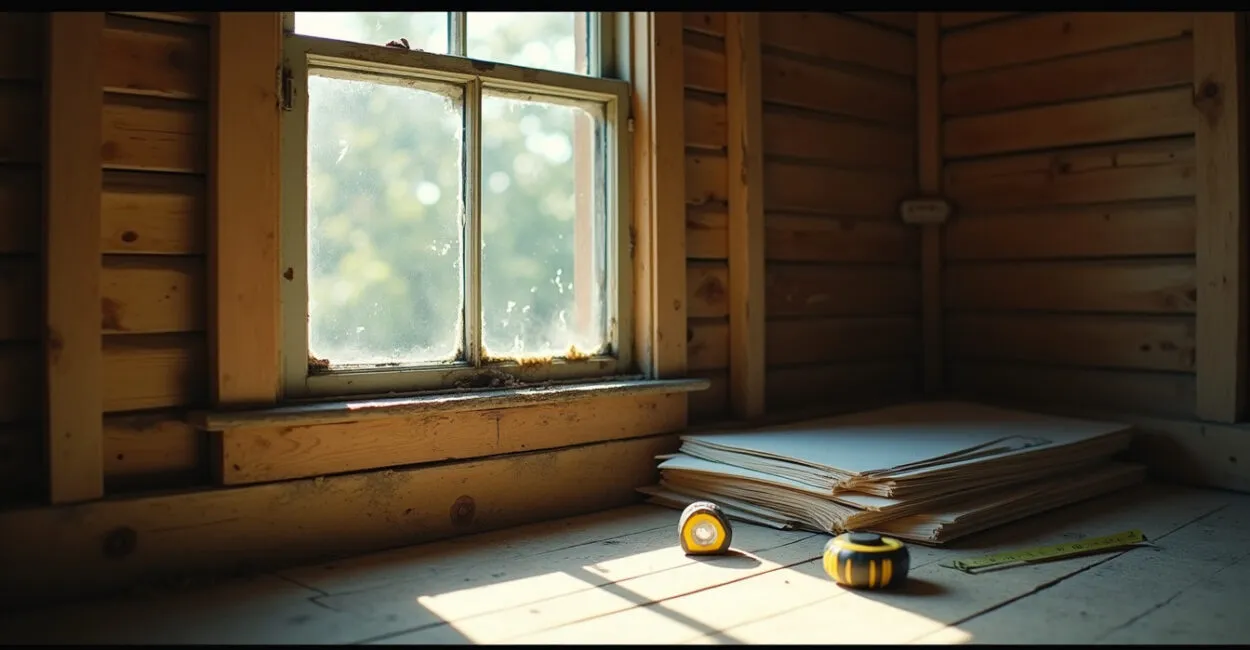 Weathered single-pane window beside replacement materials
Single-pane window replacement payback is fast in some older homes—and disappointingly slow in others.
If your windows are loose, drafty, and failing in more than one way, replacement can pay back sooner than people expect. But if the glass is the only problem, a cheaper fix may protect your budget better than a full swap.
The new numbers make one thing clear: the win is not “replace everything.” The win is choosing the fix that matches the actual leak.
Read also: Before Installing New Windows, Check These 7 Frame Problems
Where Replacement Pays Back the Fastest
The formal test is simple: compare the installed cost of new windows against the annual savings from lower energy loss, less air leakage, and fewer nuisance repairs. In plain English, single-pane window replacement payback gets better when the whole opening is failing, not just the glass.
That usually means older homes with rattling sashes, damaged frames, or windows that barely close. In those cases, the savings are not just on the utility bill. You also stop paying for comfort you never fully get. The fastest payback tends to show up in the hardest-working rooms: south- and west-facing windows, leaky bedrooms, and spaces you heat or cool most.
Read also: Historic Homes and Energy-Efficient Windows: What Preservationists Miss
One practical rule: if you feel a draft when the window is shut, replacement starts to make more sense. If you only have thin glass but the frame is sound, the math changes.
The Cheaper Fix That Often Protects Your Budget
Here is the part many homeowners miss: you do not always need a full replacement to improve comfort. Storm windows, weatherstripping, caulk, and interior film can cut heat loss for a fraction of the cost. That is why single-pane window replacement payback can look weak on paper when a simpler fix solves most of the problem.
Replacement buys you a permanent reset; repair buys you time. On a tight budget, time matters. If the home has 12 windows and only three are the worst offenders, fixing those first can beat a whole-house swap by a mile.
- Choose repair if frames are solid.
- Choose replacement if rot, condensation, or sticking is widespread.
- Choose storm windows if you want a middle path.
One bad window can waste money. Twelve mediocre decisions can waste a lot more.
How to Judge Payback Without Fooling Yourself
Payback is not just “window cost divided by utility savings.” That misses the real story. A better estimate includes comfort, maintenance, and how long you plan to stay in the house. For older homes, that matters more than glossy sales claims.
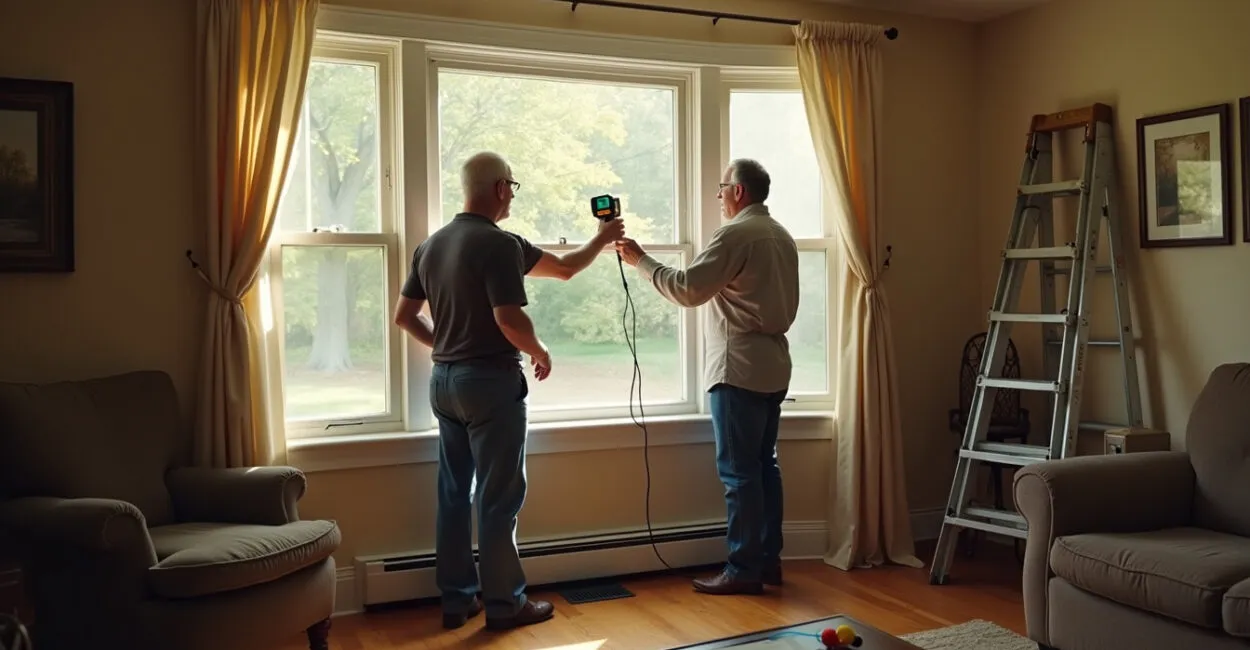
In practice, I have seen homeowners fix a single drafty room and feel like they renovated the whole house. I have also seen people replace every window in a house where the attic insulation was the real problem. That is why the best single-pane window replacement payback often comes after a home energy audit, not before it.
According to the U.S. Department of Energy’s Energy Saver, air sealing and insulation can deliver big gains before you spend heavily on new windows. For retrofit decision-making, the National Renewable Energy Laboratory has long noted that envelope upgrades work best when they address the biggest losses first.
Is Replacing Single-pane Windows Ever Worth It?
Yes—when the windows are part of a broader failure. If the sash sticks, the frame leaks, or the glass is too poor for the climate, replacement can improve comfort fast and make the house easier to live in. The payback gets stronger when you plan to stay long enough to capture savings and when multiple windows need attention at once. If one room is the problem, though, replacing everything can be overkill.
What Usually Gives the Best Return First?
In many older homes, air sealing and insulation beat window replacement on pure payback. That is because much of the energy loss can come from gaps around the window, not the pane itself. If your budget is limited, start with the leaks you can actually feel and the rooms you use most. Then reassess whether replacement still makes sense for the worst windows.
How Do I Know If My Windows Are the Real Problem?
Check for drafts, condensation between panes, soft wood, broken locks, and sashes that will not stay shut. If the window frame is sound but the glass is weak, a different fix may work better. If the whole assembly is aging badly, replacement starts to make more financial sense. A home energy audit can separate window trouble from insulation trouble fast.
Do New Windows Always Lower My Bills?
Not always by much. That is the trap. New windows can improve comfort, reduce noise, and stop drafts, but the utility savings vary a lot by climate, fuel prices, and the rest of the house. If the attic leaks heat and the walls are underinsulated, your bill may not drop enough to justify a full replacement quickly.
What Should I Do Before Spending on Replacement?
Get two quotes and ask each contractor to explain the payback, not just the product. Then compare that with the cost of storm windows, weatherstripping, and targeted air sealing. If the numbers are close, replacement may be the cleaner long-term move. If the cheaper fix solves most of the discomfort, keep your money and move on.
📱 See this content as a Web Story