
Mulch Vs. Stone Landscaping on a Budget: Which Works Best?
Comparison of mulch and stone landscaping costs beyond purchase price: upfront expenses, maintenance needs, lifespan, and long-term value for budget-consciou…
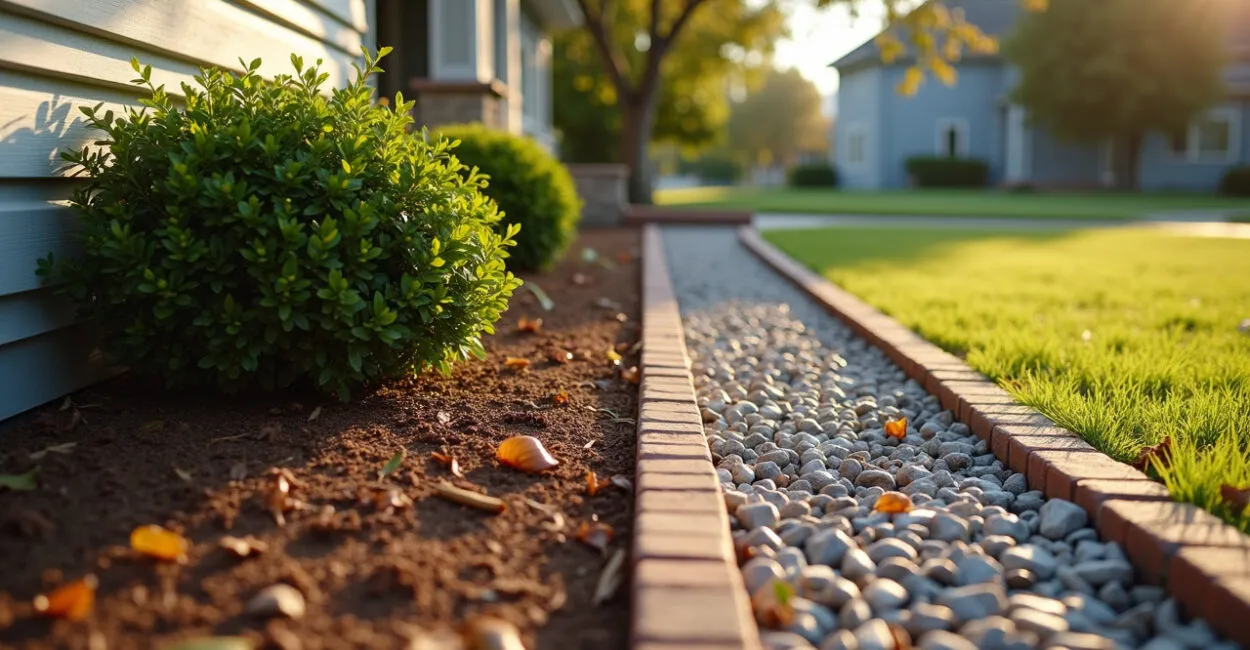 Mulch and stone beds frame a suburban walkway
When a front yard looks “finished” for under a few hundred dollars, the material choice is doing most of the work. In a budget landscape, mulch and stone are not interchangeable—they solve different problems, age differently, and shift the total cost in ways that are easy to miss on the first invoice.
The real question in mulch vs. stone landscaping on a budget is not which material is cheaper at the store. It is which one stays useful after heat, weeds, rain, foot traffic, and a couple of seasons of neglect. This comparison breaks down upfront cost, maintenance, appearance, lifespan, and where each option gives the better value over time.
What You Need to Know
- Mulch wins on initial cost. In most yards, wood mulch costs far less per square foot than stone, so it is the better pick when cash flow is tight.
- Stone wins on longevity. It usually costs more to install, but it does not decompose, blow away, or need seasonal replacement the way organic mulch does.
- Weed control depends on setup, not just the material. Landscape fabric, edging, and proper depth matter more than the surface layer alone.
- Mulch improves soil; stone does not. Around shrubs, trees, and foundation beds, that difference matters if plant health is part of the budget.
- The cheapest choice today is not always the cheapest choice next year. In low-traffic beds, stone can deliver better value; in planting beds that get refreshed often, mulch usually makes more sense.
Mulch Vs. Stone Landscaping on a Budget: The Real Cost Difference
Mulch is a loose organic or synthetic ground cover placed over soil to suppress weeds, retain moisture, and improve the look of planting beds. Stone landscaping uses gravel, river rock, pea gravel, lava rock, or crushed stone as a permanent surface layer. The material choice affects not only the first purchase, but also how often you have to replenish, rake, edge, or repair the bed.
In practice, mulch almost always wins the low-entry-cost battle. A bag or bulk load of shredded hardwood mulch typically covers more area for less money than decorative stone. Stone feels “one and done,” but that only holds if you accept the higher installation cost upfront. If you need to cover a large perimeter bed, the budget gap can be wide enough to matter immediately.
For homeowners comparing these two options, the useful question is: Do you want the lowest first-year spend, or the lowest five-year upkeep? Those are not the same thing. The answer changes depending on whether the area is a front-yard foundation bed, a side yard, a tree ring, or a walkway border.
The cheapest landscaping material is not the one with the lowest sticker price; it is the one that stays in place, protects the soil, and avoids repeat work for the longest time.
For a broader look at water retention and soil protection, the USDA Forest Service has long emphasized the role of ground cover in reducing moisture loss and limiting erosion in planted areas. That principle is one reason mulch behaves so differently from stone in living beds.
Where the Money Goes in Year One
The first-year bill usually includes more than the material itself. Delivery, edging, weed barrier, labor, and bed prep can cost as much as the surface layer if the site is messy. That is why a cheap material can still produce an expensive project. A bed with poor grading or shredded weeds underneath will eat up savings fast.
Mulch is forgiving in a DIY install. Stone is less forgiving because it is heavier, harder to move, and more punishing if you change your mind later. If you think you may redesign the bed next season, mulch keeps the exit cost low.
Why Mulch Usually Wins the Low Upfront Budget Test
Mulch makes sense when the budget is tight and the goal is to make a yard look cleaner fast. A 2- to 3-inch layer of shredded bark, pine bark nuggets, or hardwood mulch can transform a bed in a single afternoon. It hides uneven soil, softens hard edges, and makes plantings look intentional without requiring a big materials order.
It also helps plant health in a way decorative stone cannot. Organic mulch moderates soil temperature, slows evaporation, and gradually breaks down into the soil. That matters around hydrangeas, azaleas, young shrubs, and tree roots that benefit from moisture stability. In hot climates, that moisture retention is not a luxury; it can reduce watering frequency.
Where Mulch Fits Best
- Foundation beds where you want a clean look and moderate maintenance.
- Tree rings that benefit from moisture retention and a softer surface.
- Seasonal refresh projects where appearance matters more than permanence.
Who works with this every week knows the pattern: mulch looks best when it is refreshed before it turns thin and gray. If you wait too long, the bed starts looking tired, weeds push through, and the “cheap” option becomes visually expensive because it needs attention.
For soil function, the University of Minnesota Extension explains how mulch helps regulate soil moisture and temperature in home landscapes. That is one reason mulch often delivers better value in planting beds than stone does, even when the stone seems more durable on paper.
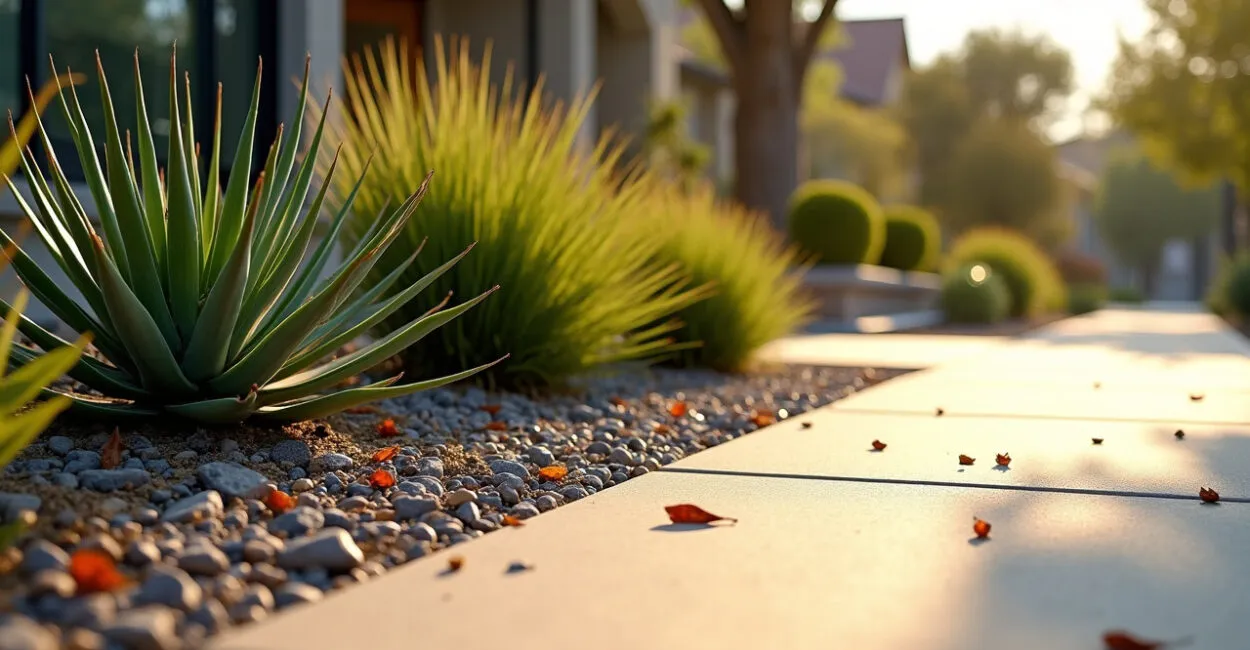
When Stone Delivers Better Value over Time
Stone starts making sense when you want a durable surface with minimal replacement. River rock, crushed granite, pea gravel, and lava rock cost more to install, but they do not break down season after season the way organic mulch does. If the bed is large, exposed, and not designed to be replanted often, the longer lifespan can justify the higher purchase price.
Stone is especially useful in dry climates, around modern hardscape designs, or in beds where runoff and wind constantly move loose material. A properly edged stone bed can outlast several mulch cycles. That matters if you want fewer trips to the landscape supply yard and less annual labor.
Read also: DIY Garden Edging on a Budget: Clean Lines for Less
Stone looks low-maintenance, but it only earns that reputation when the bed is properly edged, graded, and kept free of leaf litter; without that setup, debris cleanup becomes the hidden cost.
Where Stone Makes Sense
- Low-plant, decorative beds where the material is the design feature.
- Hot, dry sites where decomposition and wind loss make mulch less practical.
- Permanent borders that you do not want to refresh every season.
Stone is not magic. It fails when the bed is poorly prepared or when people expect it to behave like mulch around living plants. It can trap heat, make digging harder, and create maintenance headaches if leaves, pine needles, or soil wash into it. That is the tradeoff: less replacement, more cleanup discipline.
Read also: Drought-Tolerant Plants for Budget Yards That Cut Costs
Maintenance, Weeds, and the Hidden Labor Cost
The ongoing work is where many budget comparisons fall apart. Mulch needs topping off. Stone needs cleaning. Both need edging. Neither eliminates weeds on its own. If you skip prep, weeds will use the same openings in either system: thin coverage, exposed soil, and poorly cut borders.
Mulch typically needs a refresh every 12 to 24 months depending on climate, product type, and sun exposure. Dyed mulch can last a bit longer visually, but the color retention does not equal material longevity. Stone can stay in place for years, yet it often accumulates leaves and dust that must be removed by hand or blower. In real yards, that cleanup is not trivial.
The Part Most People Underestimate
The labor difference is real. Mulch is easy to install and easy to replace. Stone is difficult to install and difficult to remove. If you ever plan to change the planting layout, add irrigation lines, or run electrical conduit for lighting, stone becomes a bigger obstacle than most homeowners expect.
Here is a simple way to think about it: mulch has a recurring cost; stone has a recurring inconvenience. Which one is more expensive depends on how often you touch the bed.
Factor
Mulch
Stone
Upfront cost
Lower
Higher
Replacement cycle
Regular refresh needed
Rarely replaced
Weed management
Good with proper depth and edging
Good only if debris is controlled
Soil benefit
Yes
No
Ease of DIY
Easier
Harder
For installation basics and bed prep standards, the North Carolina State University Extension offers practical home landscaping guidance that aligns with what landscape crews do in the field: prepare the bed first, then apply the surface material at the right depth. That step matters more than the brand name on the bag.
Appearance, Climate, and Property Type Change the Answer
Mulch and stone do not look the same, and they do not age the same. Mulch gives a softer, more natural look that blends well with shrubs and trees. Stone gives sharper contrast and a more structured style, which fits modern front yards, desert landscaping, and properties that use hardscape heavily.
Climate matters too. In humid regions, organic mulch can fade and break down faster, which raises maintenance frequency. In very hot, dry regions, stone can hold heat and stress nearby plants. That is where the simple “stone lasts longer” argument breaks down. Longevity is not the same as plant-friendly performance.
A Small Example from the Field
A homeowner in a suburban cul-de-sac wanted the front beds to look cleaner before selling the house. The yard had two young maples, a curved foundation bed, and a narrow side strip. We used mulch in the foundation bed because it was fast, low-cost, and better for the trees. The side strip got crushed stone because that area had heavy runoff and almost no planting. The split choice saved money and reduced future maintenance where it mattered most.
That kind of mixed approach is often the smartest one. The best landscape budget is rarely all mulch or all stone. It is a placement strategy.
A Simple Budget Decision Rule That Actually Works
If you are deciding between the two, use the site itself to make the call. Mulch is the better value when the area is plant-heavy, frequently updated, or needs the lowest initial spend. Stone is the better value when the area is mostly permanent, hard to access, or designed to look finished for years without reapplying material.
One useful rule: if you expect to change the bed within three years, choose mulch. If the bed is likely to stay intact for five years or more, stone starts to catch up on value. That is not a law, but it is a practical threshold that matches how real yards get used.
- Choose mulch for planting beds, trees, tight budgets, and quick cosmetic upgrades.
- Choose stone for permanent borders, low-plant areas, and locations where replacement labor is the bigger problem.
- Mix both when the yard has different zones with different maintenance demands.
There is also a middle ground: use mulch where soil health matters and stone where traffic or erosion is the issue. That hybrid approach often beats trying to force one material to do everything.
The Best Choice Depends on Your Yard, Not the Trend
The strongest budget landscaping decision is the one that matches function to location. If you need the cheapest clean-up and the fastest visual payoff, mulch is hard to beat. If you want a durable surface that reduces replacement cycles and fits a permanent design, stone can justify its price. The mistake is treating one as universally better.
Before spending, walk the property and label each bed by use: planted, decorative, high-traffic, shady, sunny, or likely to change. Then choose the material by zone, not by habit. That is how budget landscapes stay attractive after the first season instead of just looking good on install day.
What to Do Next
Measure the beds, estimate coverage depth, and price both options in bulk before buying bags from a big-box store. Then compare not just the first purchase, but the cost of refreshing mulch every couple of years versus the extra labor and material cost of stone installation. That side-by-side number is the one that tells the truth.
📱 See this content as a Web Story
Frequently Asked Questions
Is Mulch Always Cheaper Than Stone?
At the register, yes, mulch is usually cheaper than stone for the same amount of ground coverage. The exception is a very small bed where delivery and minimum purchase fees distort the price. Over time, though, mulch can add recurring expense because it breaks down, fades, and needs topping off. Stone costs more upfront but usually avoids repeat material purchases for years. The better value depends on how often you plan to touch the bed.
Does Stone Stop Weeds Better Than Mulch?
Not by itself. Weed pressure depends more on bed prep, edging, and whether soil and debris build up on top of the surface. Stone can block light well, but weed seeds still germinate in dust, leaf litter, and organic material that collects between rocks. Mulch also suppresses weeds when it is applied at the proper depth. In both cases, a clean base layer and regular maintenance matter more than the material alone.
Which Option is Better for Plants?
Mulch is better for most living beds because it helps regulate soil moisture and temperature while adding organic matter as it breaks down. Stone does not improve the soil, and it can hold heat around sensitive plants. That does not mean stone is wrong near plants, but it works better in dry, low-maintenance areas than in beds meant to support active growth. For shrubs, trees, and foundation plantings, mulch usually protects the plants more effectively.
How Often Does Mulch Need to Be Replaced?
Most mulch beds need a refresh every 12 to 24 months, depending on the climate, sun exposure, and the type of mulch used. Shredded hardwood, pine bark, and dyed mulch all age differently, but all organic mulch eventually thins out. Heavy rain, wind, and foot traffic can shorten that timeline. If the soil starts showing through or weeds become easier to spot, the bed is due for a top-off.
When Does Stone Become the Smarter Budget Choice?
Stone becomes smarter when the bed is permanent, hard to access, or exposed to repeated washout and wind. It is also a better fit when you want a more finished look without seasonal replacement. The tradeoff is that stone is heavier, costlier to install, and more annoying to remove later. If the design will stay the same for several years, stone can deliver better long-term value than mulch.