
Before Installing New Windows, Check These 7 Frame Problems
How to spot hidden damage in window frames before installation: identifying soft wood, warping, moisture issues, and flashing failures that risk costly repla…
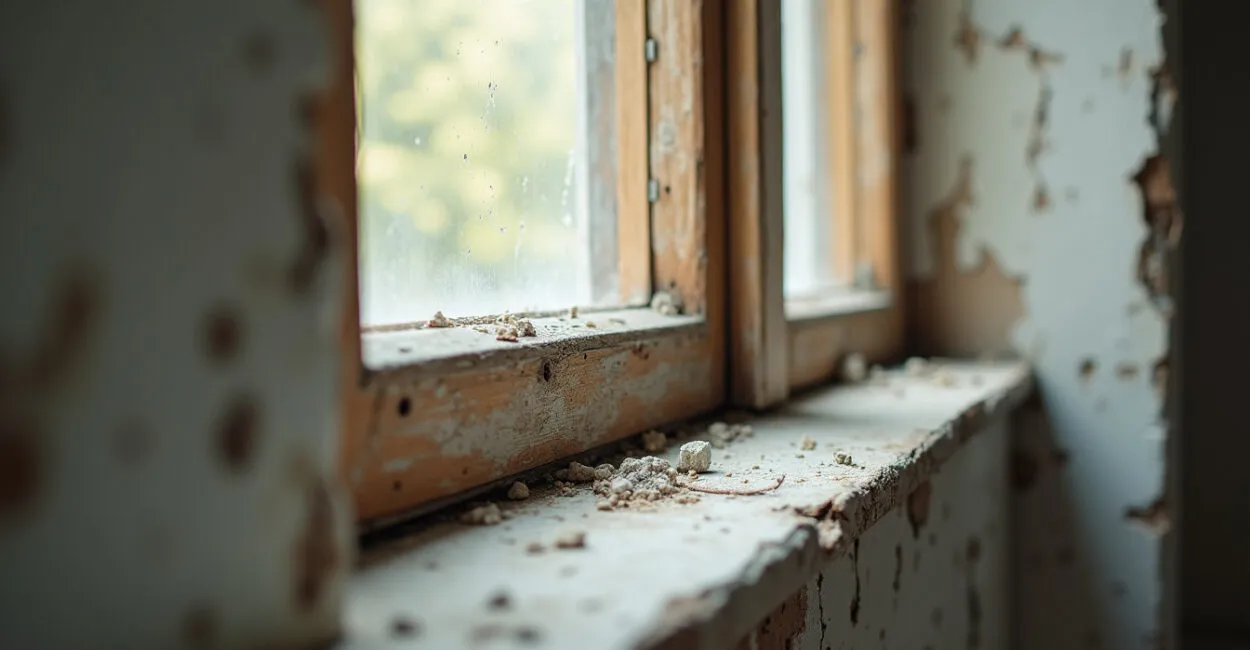 Inspecting hidden damage in an old window frame
📅 Updated on 10/21/2026
A quick inspection can catch hidden frame damage before a new window turns into an expensive redo.
If you’re planning a window upgrade, check the frame before focusing on the glass. Rot under paint, warped corners, moisture stains, and failing flashing can all affect how well a replacement fits and performs.
Before ordering, look for damage inside and outside the opening, including the sill, jambs, and trim. If anything feels soft or looks distorted, ask the installer to explain how it will be addressed and whether the estimate includes repairs.
The 7 Frame Problems That Should Stop the Job
Soft wood, distortion, corrosion, and signs of water entry deserve attention before installation. Check the frame from both sides when accessible, and pay particular attention to the sill and lower corners, where moisture often collects. A frame that looks sound from indoors may be deteriorated behind exterior trim.
- Soft or crumbling wood
- Warping or out-of-square corners
- Visible rot, rust, or corrosion
- Water stains and peeling paint
- Gaps, drafts, or uneven closing
- Moldy smell or moisture inside
- Failed flashing or sealant around the opening
For double-hung windows, check whether both sashes move smoothly and sit evenly in the frame. A sash that sticks may point to a swollen or distorted frame, though damaged balances or hardware can cause similar symptoms. Note the location and pattern of each problem before the installer inspects it.
That’s the before-installation checklist. A small defect may be repairable; several related signs can point to water damage that extends beyond the window.
Why a Frame That “Looks Okay” Can Still Fail
Frame issues can hide beneath paint, caulk, or exterior trim. Paint may conceal soft wood, while caulk can cover a gap without stopping water from getting behind the frame. A visual check alone may miss damage at the sill, corners, or the connection between the window and the wall.
Press suspect wood gently with a screwdriver or similar tool; sound wood should not give way or crumble. Check for staining, swelling, loose trim, rust, and gaps that change from one corner to another. Avoid probing aggressively or damaging the finish, and have a professional investigate any soft areas.
According to U.S. Department of Energy guidance on windows, sealing and fit matter as much as the unit itself. A compromised opening can affect how well a new window seals, even when the window is installed correctly.
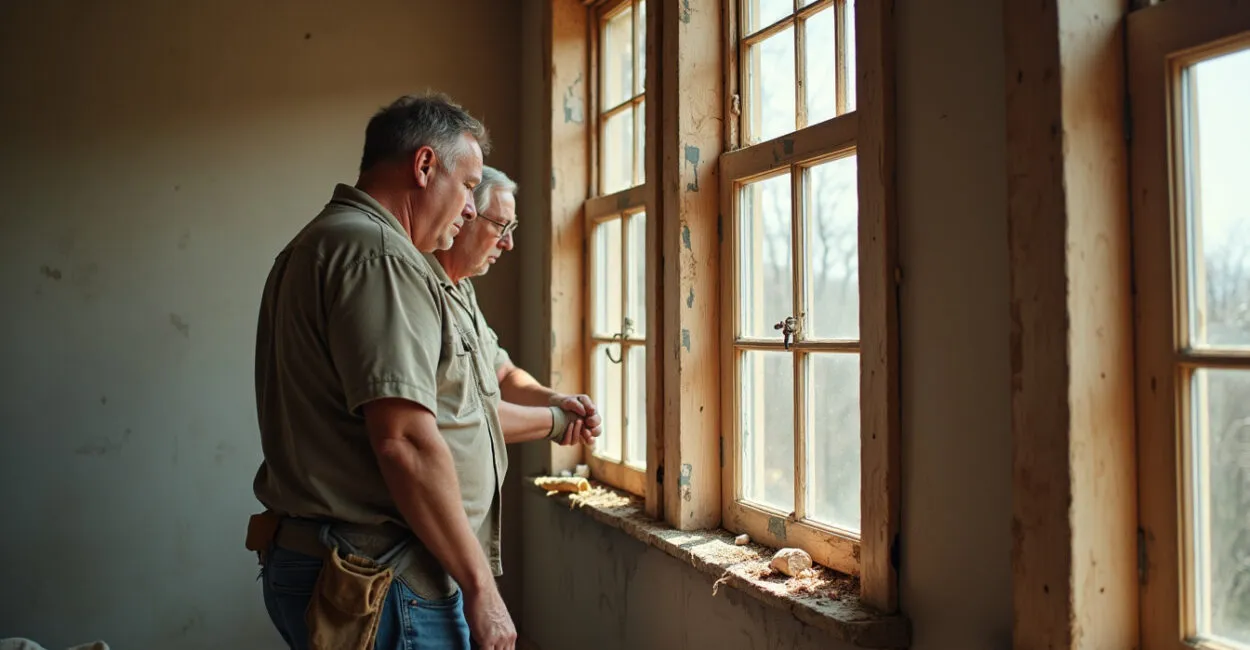
What to Fix First, and What Means Replacement
Minor sealant failures, limited surface damage, or isolated paint problems can often be repaired before installation. Structural rot, substantial warping, movement, or recurring water entry call for a closer assessment of the frame and the surrounding opening.
Read also: Metal Roofing Options: A Low-Maintenance Upgrade That Lasts
Use this comparison to guide the conversation with the contractor. The right repair depends on how far the damage extends and whether the frame remains stable, dry, and square.
What you find Possible next step What to confirm Peeling paint or a small sealant gap Repair the finish or reseal the area Whether water has reached the material underneath Localized soft wood or a damaged sill section Have a qualified professional assess and repair the affected area How much sound material remains and how the repair will be protected from water Widespread rot, a moving frame, or a distorted opening Discuss frame or opening reconstruction before installation Whether the quote includes the added work and how the new window will be supported Rust or corrosion on a metal frame Assess the extent and cause before deciding whether to repair or replace Whether corrosion has weakened joints or allowed water into the wall
The National Park Service’s window repair guidance discusses evaluating and repairing wood windows. If the opening cannot provide a stable, dry, square base, replacing only the window may leave the underlying problem in place.
Read also: Houseplant Schedule: Best Months to Fertilize Potted Plants
One common mistake is proceeding because the new windows are already ordered. Hidden damage discovered during removal can require trim work, repairs, insulation, and a revised labor estimate. Ask in advance how the contractor handles concealed damage and whether work pauses for approval if the scope changes.
Before work begins, clarify whether the estimate covers the window unit alone, installation, disposal, trim, and any frame repairs. These details help you compare bids and reduce surprises if the opening needs attention.
Can New Windows Be Installed over a Damaged Frame?
Sometimes, if the damage is limited to cosmetic wear or a small seal failure and the frame remains stable. Rot, movement, or ongoing water intrusion should be assessed and addressed before a new unit is fitted. Covering those problems can leave the replacement poorly supported or allow leaks to continue.
What’s the Fastest Way to Spot Hidden Frame Damage?
Check for soft spots, stained or swollen wood, uneven gaps, loose trim, and corners that do not feel rigid. Gently press suspect wood with a screwdriver; if it crumbles or gives way, stop and ask a professional to assess the extent. Also compare the gaps around the sash: an uneven pattern can indicate frame distortion, though hardware problems may produce similar symptoms.
Do All Old Windows Need Frame Replacement Too?
No. Age alone does not determine whether a frame needs replacement. If it is dry, stable, and square, it may be possible to install a replacement window while keeping the existing frame. The installer should confirm that the chosen installation method is suitable for its condition.
Is Water Staining Always a Sign of Rot?
No, but it warrants investigation. A stain may come from an old leak, condensation, or another source; the appearance alone cannot confirm whether the frame has rotted. Check for softness, swelling, peeling finish, or active moisture, and ask the installer to trace the source before covering the area.
Who Should Inspect the Frame Before Replacement?
A qualified window installer, carpenter, or window contractor can assess the frame, especially when damage is hidden or the house is older. Ask for findings by location and a clear distinction between repairs included in the quote and work that would cost extra. Homeowners can spot obvious warning signs, but a professional can help determine how they affect installation.
What Does Rotted Window Frame Repair Cost?
The cost depends on how much material is damaged, whether the sill or surrounding wall is affected, and whether the repair can be completed without removing more trim or rebuilding part of the opening. A small, accessible repair is different from widespread rot that extends behind the frame, so a brief description or photo may not be enough for a reliable estimate.
Ask for an inspection and a written breakdown that separates the window, installation, frame repair, and any related trim or water-management work. Confirm how the contractor will handle additional damage uncovered after removal. That makes it easier to compare estimates and decide whether repairing the existing frame or changing the installation scope makes sense.
What to Confirm Before Installation Day
Get the condition of the frame and the installation plan clarified before the crew arrives. A replacement window typically includes its own frame, but some installation methods use or retain parts of the existing frame; the product and scope of work determine what is replaced.
- Ask whether the quote is for a full-frame replacement or an installation that retains existing frame components.
- Confirm who will inspect and repair the sill, jambs, exterior trim, and opening if damage is found.
- Ask how concealed rot or water damage will be documented, priced, and approved before extra work proceeds.
- Discuss dust protection, furniture access, and cleanup. Window removal can create dust and debris, and the amount depends on the work required and the condition of the opening.
Installation can be done incorrectly, even with a sound window and frame. Poor fit, inadequate sealing, or failure to address a damaged opening can lead to drafts or water entry. Review the scope with the installer, and ask what checks will be made to confirm the window is level, secure, and sealed.
Sound, dry, square frames help make replacement windows worth installing. If you find damage, resolve the plan before the old unit comes out.
📱 See this content as a Web Story