
Historic Homes and Energy-Efficient Windows: What Preservationists Miss
How to balance preservation standards with improved thermal performance in historic homes by repairing, sealing, and upgrading windows without losing character.
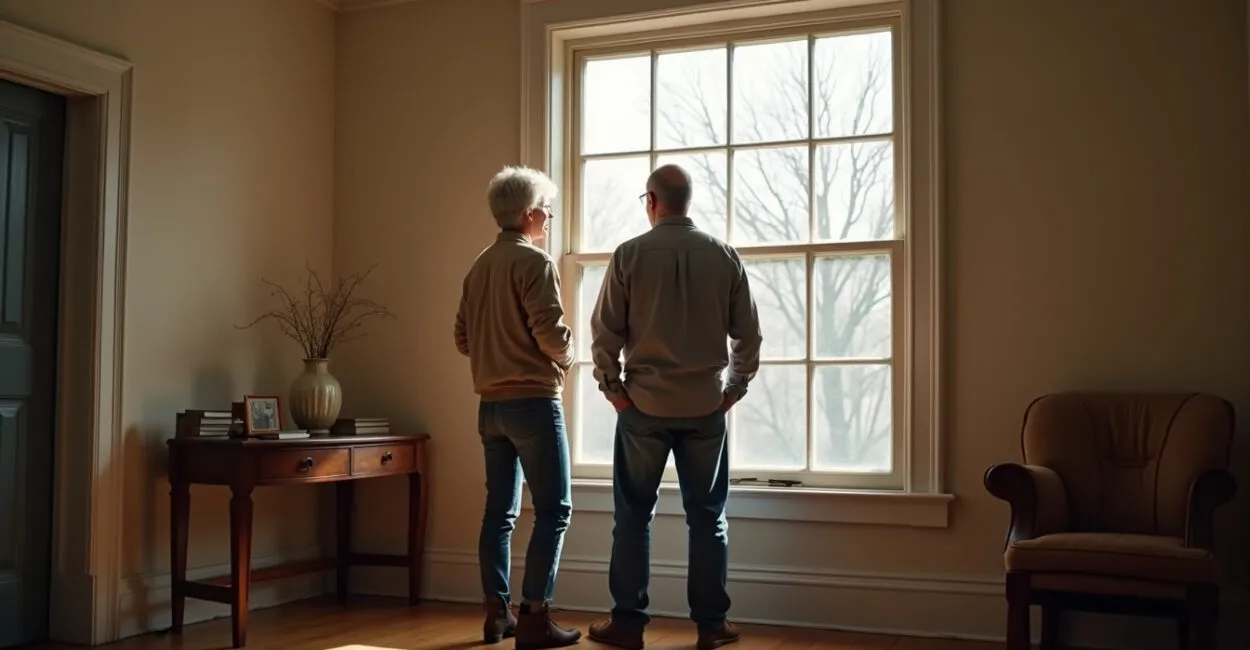 Preservationists inspect an upgraded historic sash window
Preservation rules don’t have to mean drafty rooms—if you choose the right window specs, you can improve comfort without flattening a home’s character.
Historic homes window efficiency rules get misunderstood because people assume it’s a choice between old sash windows and modern performance. It’s not. The real issue is matching the right level of intervention to the building, the climate, and the preservation standards. Get that balance right, and you can cut heat loss, reduce condensation, and keep the original look intact.
What Preservationists Often Miss About Window Efficiency
The technical term is thermal performance: how well a window resists heat transfer, air leakage, and moisture problems. In plain English, it’s not just “Does it look old?”—it’s “Does it keep the house livable?” That matters in historic homes window efficiency rules, because many losses come from air leaks and poor weatherstripping, not only from the glass itself.
Read also: Before Installing New Windows, Check These 7 Frame Problems
Who works on old houses knows this: a well-restored original window can outperform a cheap replacement if it’s properly sealed, repaired, and paired with a storm window. The common mistake is ripping out a serviceable sash before checking the frame, putty, jambs, and operation. Sometimes the biggest upgrade is invisible.
That’s the part preservation debates miss: efficiency is often a system, not a single product.
Read also: Storm Windows Vs. Full Replacement: The 2026 Verdict for Drafty Rooms
The Smartest Upgrades Usually Stay Out of Sight
If you want historic homes window efficiency rules to work in the real world, start with the least invasive fixes first.
- Air sealing: stop leaks around the frame and sash.
- Weatherstripping: reduce movement of outside air.
- Repairing glazing: restore cracked or missing putty.
- Interior or exterior storm windows: add a thermal buffer without changing the façade.
Here’s the surprising comparison: a fully replaced window may look “newer,” but a repaired historic window with a quality storm often keeps more original material and performs very well. That’s why the National Park Service encourages repair over replacement in many cases, and the Preservation Brief on historic wooden windows is still such a useful reference.
There is one catch. If the sash is badly rotted, the glass is failing, or the frame is beyond repair, a targeted replacement can be justified. Not every old window deserves to be saved at any cost.
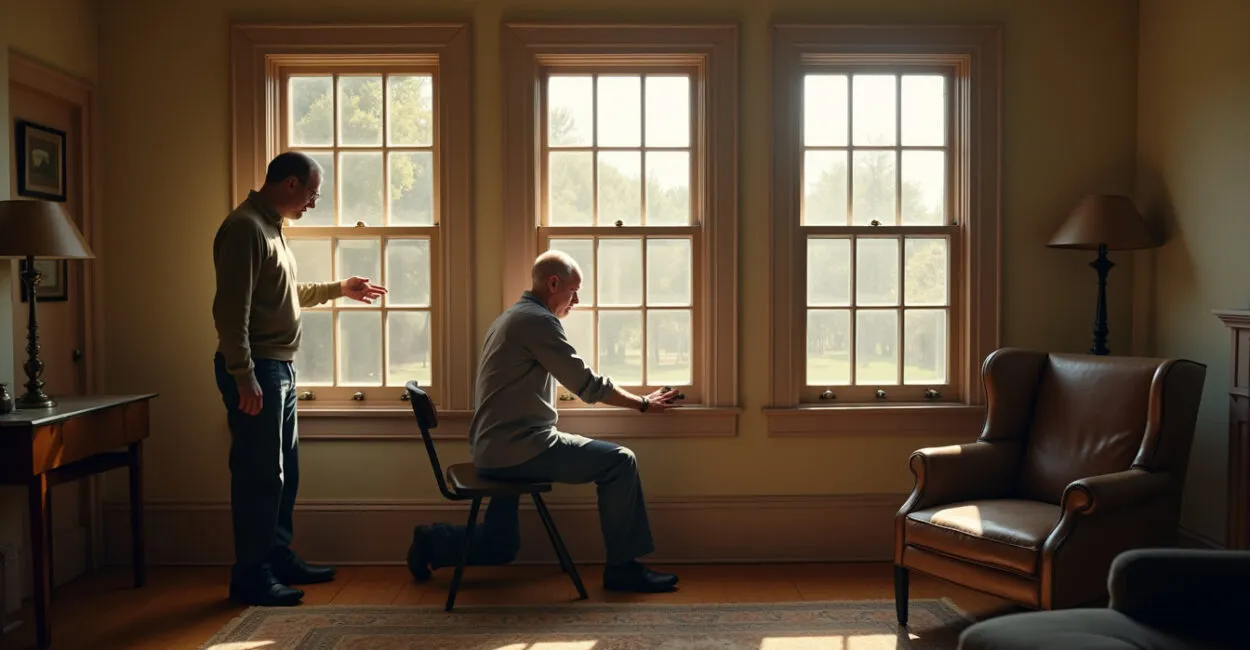
The Rule That Saves Comfort Without Killing Character
The best historic homes window efficiency rules are not “never replace” or “replace everything.” They’re more practical: preserve what can be repaired, improve what can be upgraded, and document what changes. That approach keeps the home honest and the rooms more comfortable.
One small restoration story says it all. A homeowner kept getting blamed for “bad insulation” in a 1920s house. The attic was fine. The culprit was three original windows with failed sash cords and loose stops. After repair, weatherstripping, and interior storms, the room stopped feeling like a wind tunnel. The house still looked historic. It just finally felt cared for.
For standards, the National Park Service historic preservation guidance and the U.S. Department of Energy’s Energy Saver pages are good starting points. They don’t always agree on every nuance, and that’s normal—preservation goals and energy goals sometimes pull in different directions.
Can Original Windows Really Be Energy Efficient?
Yes, often more than people expect. A repaired original window with good weatherstripping and a storm panel can perform far better than a neglected replacement window. The real test is condition, maintenance, and air sealing—not age alone. Historic homes window efficiency rules usually favor keeping original material when it still has structural integrity and can be upgraded without changing the appearance too much.
Are Storm Windows Allowed on Historic Homes?
Usually, yes, if they’re selected carefully. In many preservation contexts, storm windows are one of the least controversial upgrades because they improve performance while leaving the historic sash visible. The key is fit and finish: the wrong storm can look bulky, trap moisture, or damage details. When in doubt, choose designs that preserve proportions and allow ventilation.
When Should a Window Be Replaced Instead of Repaired?
Replacement makes sense when decay is severe, the frame is structurally compromised, or repeated repairs no longer hold. The question is not whether the window is old, but whether it still has enough sound material to justify repair. In historic homes window efficiency rules, a careful condition assessment usually comes before any design decision. That order matters.
Do Energy Codes Override Preservation Rules?
Not always. Many jurisdictions treat historic properties differently, and some code paths allow alternate compliance methods when strict modernization would harm character-defining features. That said, local rules vary a lot. The safest move is to check the preservation office and the building department before changing historic windows, because what’s acceptable in one place may be restricted in another.
What’s the Best First Upgrade for a Drafty Historic Window?
Usually, it’s the simplest one: seal the leaks. Weatherstripping, sash repair, and storm windows often deliver the biggest comfort gain for the least visual impact. If you start by replacing the whole unit, you may spend more and still lose historic fabric. In practice, the smallest visible change is often the smartest one.
Old houses rarely need louder interventions. They need better ones. The right window fix doesn’t announce itself from the street—it just makes the house feel calmer, tighter, and still unmistakably itself.
📱 See this content as a Web Story